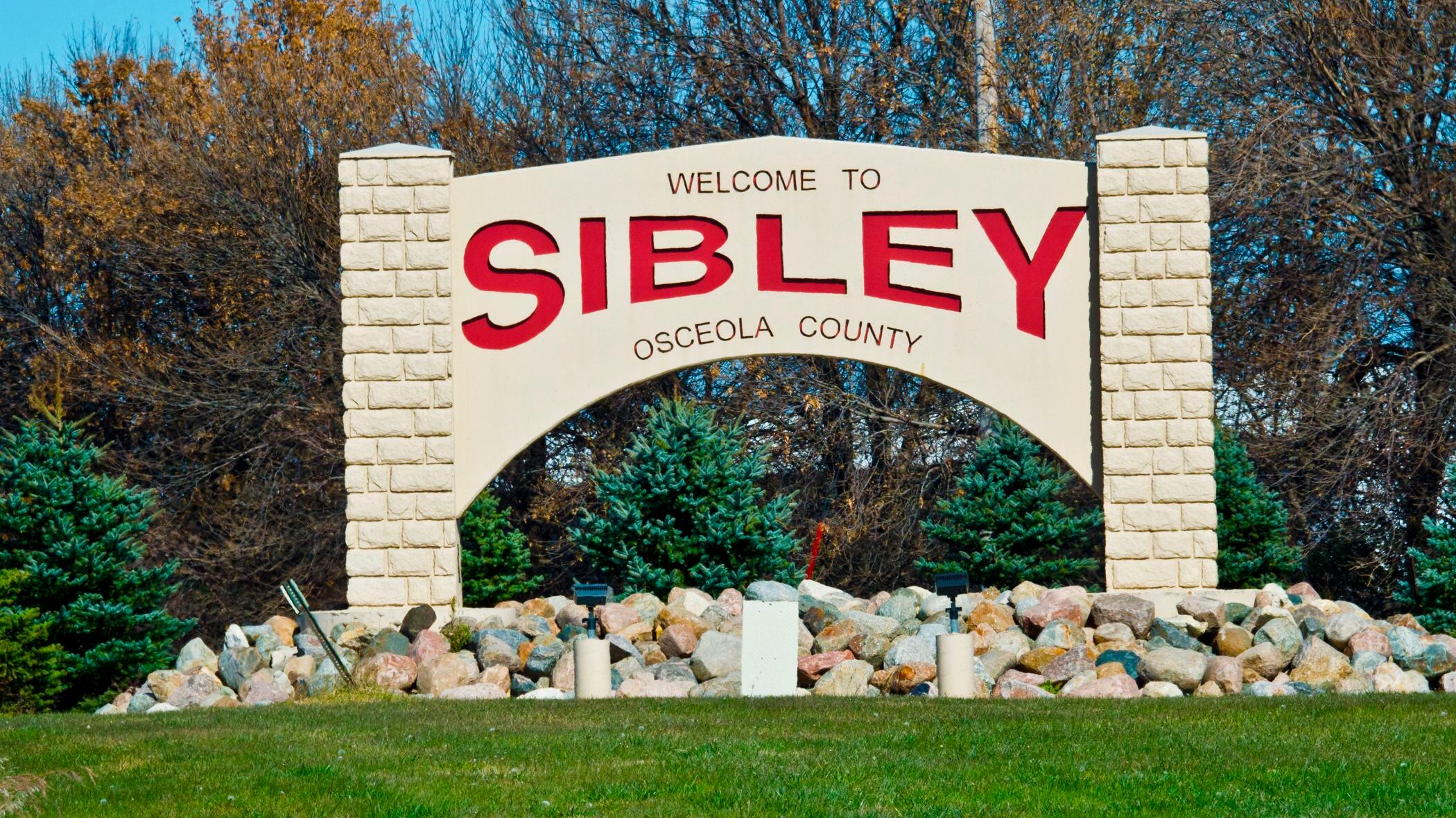
An evacuation order remained in place Monday for part of a northwest Iowa town as firefighters worked to extinguish a burning train after a weekend derailment.
About 47 cars derailed Sunday afternoon near Sibley, including several cars that were carrying hazardous materials. The resulting fire created a thick plume of black smoke but no injuries were reported.
Sibley is a town of about 3,000 people roughly 200 miles (322 kilometers) northwest of Des Moines. The west end of the town was evacuated after the derailment.
Union Pacific spokeswoman Robynn Tysver said the railroad's hazardous materials experts worked with first responders through the night to contain the blaze.
Tysver said several cars involved in the derailment were carrying hydrochloric acid, potassium hydroxide and asphalt. An empty tank car on the train had been carrying liquid ammonia nitrate.
The railroad said the cause of the derailment remains under investigation, but witnesses reported that a bridge had collapsed underneath the train.
Robin Eggink told the Des Moines Register that she and her husband noticed the train slowing down followed by a big cloud of smoke as they were eating at a Pizza Hut outside of Sibley on Sunday. The family drove near the site of the smoke and saw the train split in two on both sides of a bridge that had collapsed before firefighters ordered them out of the area, Eggink said.
Jill and Carlo look back on a year since the pandemic was declared, plus the latest on the stimulus, what's the deal with Roblox, and deepfakes get real.
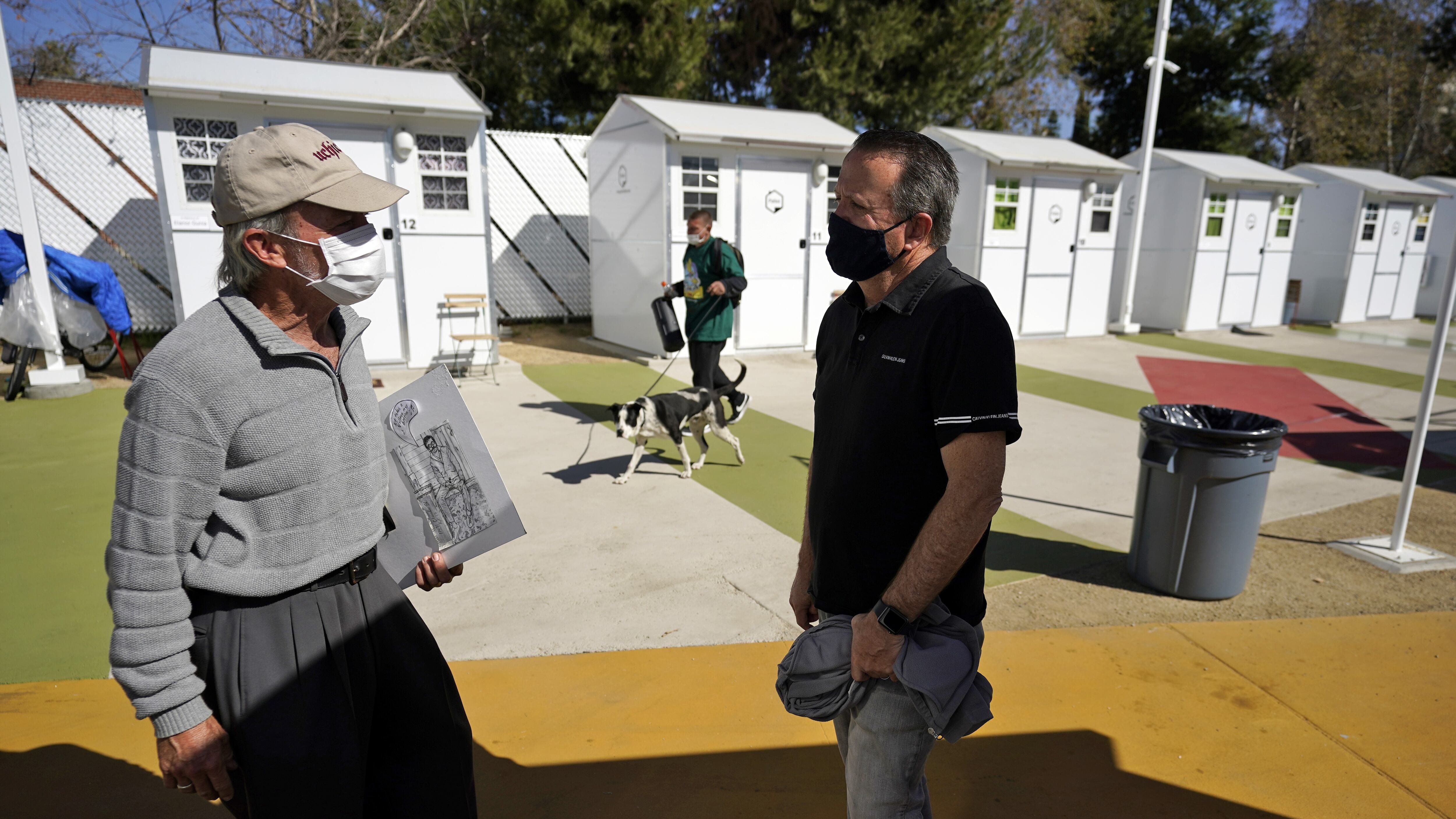
Tiny homes have been promoted as the solution to all kinds of housing needs — an affordable option in expensive big cities and simplicity for people who want to declutter their lives. They are increasingly used as shelter for homeless people in other California cities, including San Jose and Sacramento, as well as nationally in Seattle, Minneapolis and Des Moines, Iowa.
Eisenhower’s interstate system was the biggest infrastructure project of its time. What justified the cost was its potential to connect all corners of America, but the unforeseen impacts of the highway system seemed to do the opposite of the intention.
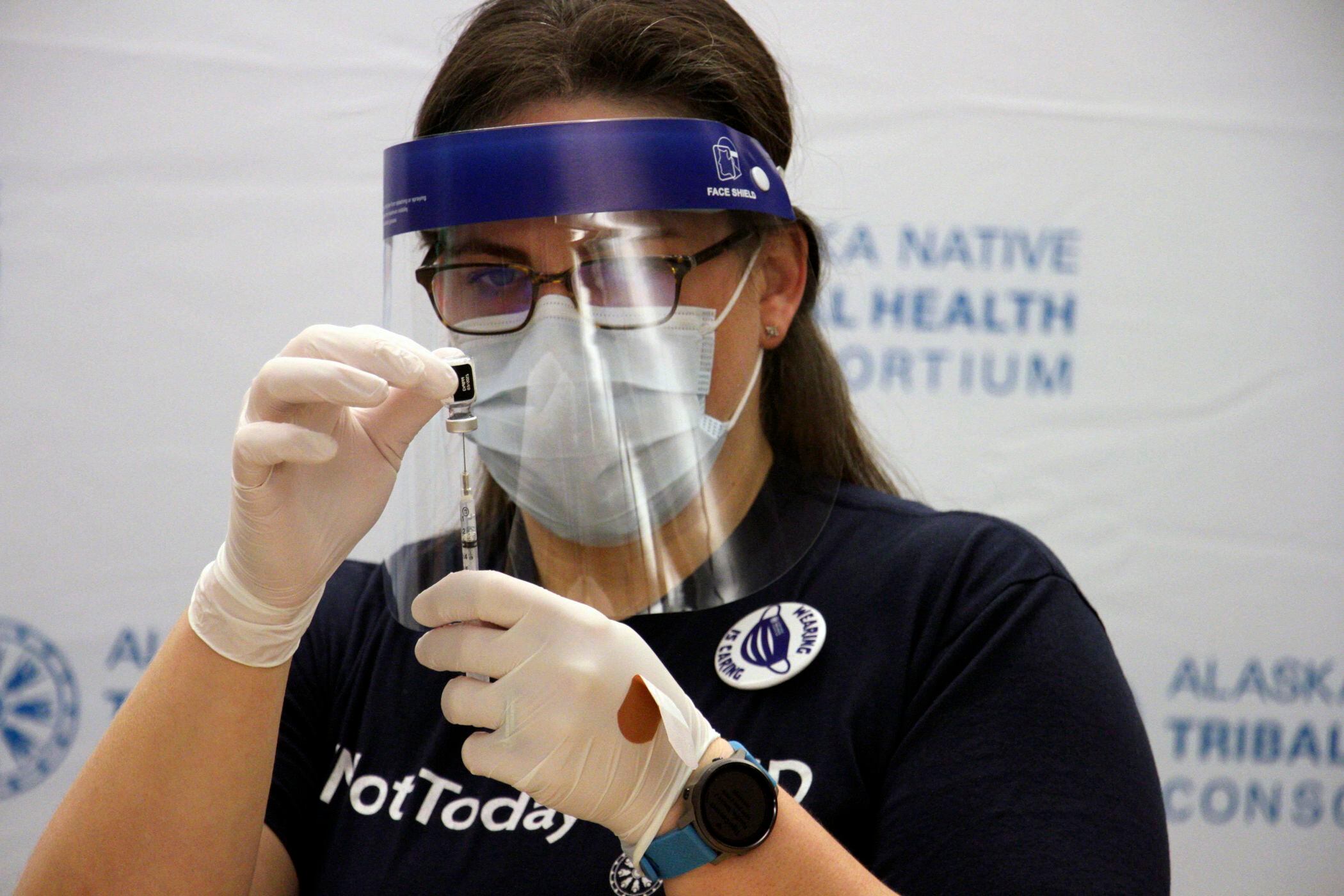
Dr. Anne Zink, chief medical officer for the state of Alaska, spoke to Cheddar about Alaska's remarkable task of getting COVID vaccines to a widespread populace even as the state opens up eligibility to nearly everyone.
Nod your head, chug your cocktail, or just close your tired eyes if you’ve done any of the following during this crazy quarantine
Roblox, a gaming platform last valued at $29.5 billion in the private sector, took off immediately in its public debut on the NYSE Wednesday.
Alaska becomes the first state to drop all eligibility requirements for vaccinations. Breast milk from vaccinated mothers is shown to have antibodies. Biden won't put his name on the stimulus checks, and more.
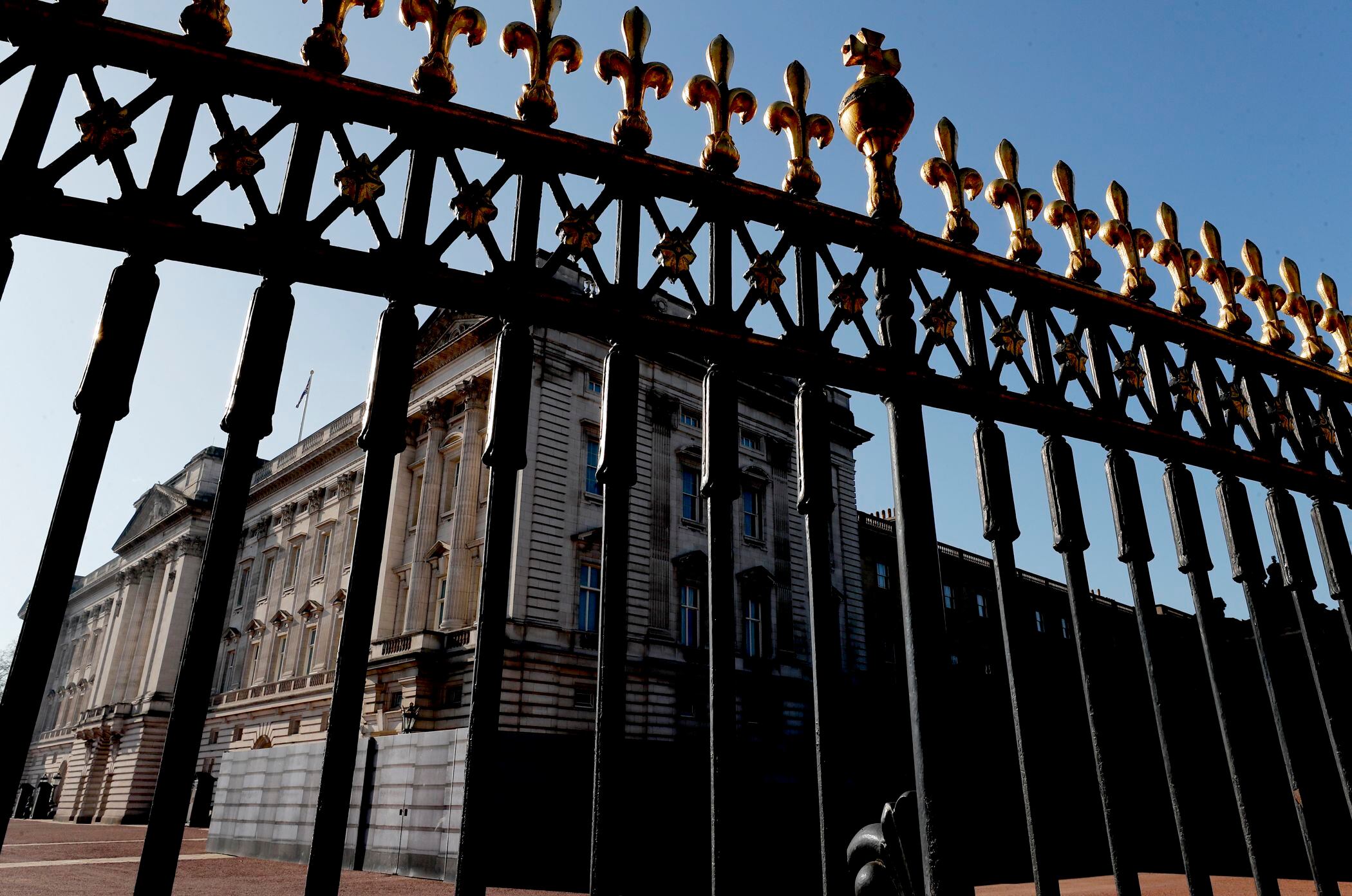
Buckingham Palace says allegations of racism made earlier this week by Prince Harry and Meghan were “concerning” and would be addressed privately by the royal family.
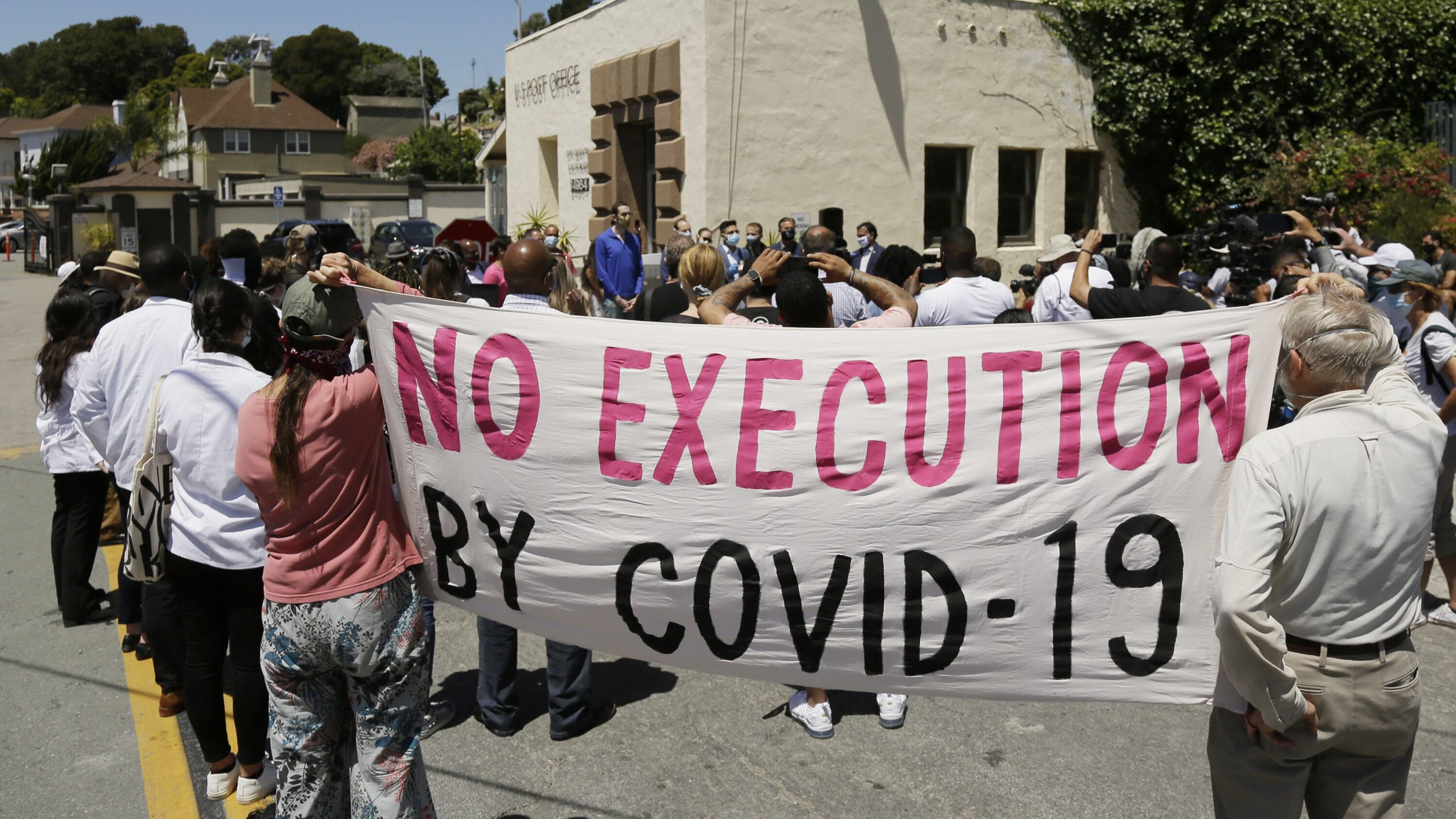
COVID infections are on the rise in U.S. prisons and are accounting for some of the largest outbreaks. Cheddar's Michelle Castillo reports.
Olympic gold medalist Gabby Douglas spoke to Cheddar about the need for aspiring athletes to address both their mental and physical health and her partnership with Smoothie King.