Europe's New Fintech Unicorn, Revolut, Heads to America
*By Conor White*
Europe has a new unicorn.
The London-based fintech company Revolut announced last month it raised $250 million in Series C funding, bumping its valuation to $1.7 billion.
Revolut will use some of that money to jump across the pond to the United States.
"Given how aggravated people are with banking in general, we believe there's a huge market to go into the U.S. and cause serious disruption," said the Revolut chief marketing officer, Chad West. "So a huge amount of this capital will be expanding ourselves into the U.S., and building a real, innovative team out there."
In just 36 months, Revolut has raised $340 million, signed up more than 2 million customers in Europe, and has its sites set on conquering America and challenging companies like Robinhood.
"Right now Robinhood is purely on that road of wealth management and investments," West said Friday in an interview with Cheddar. "When Revolut comes to the U.S.A, there's nothing quite like us. We are the definition of a challenger bank."
For the full interview, [click here](https://cheddar.com/videos/london-based-fintech-revolut-plots-route-to-u-s).
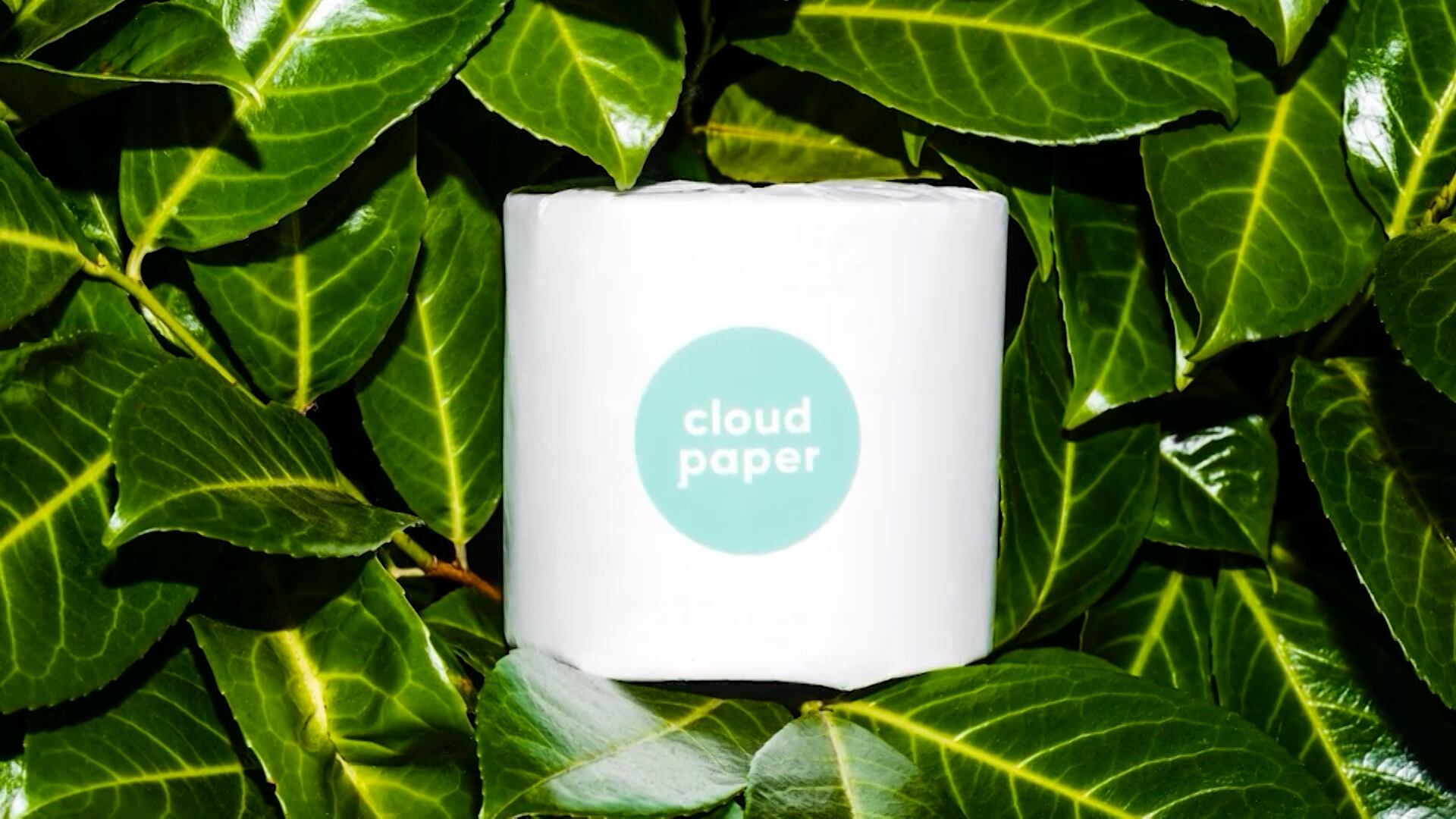
Bamboo-based toilet paper company Cloud Paper raised $5 million in a recent funding round. Its product is a bamboo-based alternative to traditional toilet paper made from trees, and its mission is to end the deforestation caused by traditional paper products. Cloud Paper says the raise will allow it to make significant investments in its supply chain, product development, and hiring. Ryan Fritsch, a co-founder of Cloud Paper, joined Cheddar News' Closing Bell to discuss.
The Biden Administration has now issued new guidelines when it comes to carbon capture. The new guidelines handed down this week encouraged the widespread use of climate attacks that traps and stores carbon emissions. The goal here is the process would help keep carbon out of the atmosphere without requiring a whole lot of change by big companies and manufacturing plants. Several scientists say that this method would be crucial to help us decrease the use of carbon emissions by the year 2050. Professor of Civil and Environmental Engineering at Stanford University, Mark Jacobson, joined Cheddar to discuss more.
Ellen Goodwin, Co-Founder and Chief Solutions Officer of Artifcts, joins ChedHER to discuss how she's creating a platform to preserve the history of your belongings, and her experience succeeding in male-dominated industries.