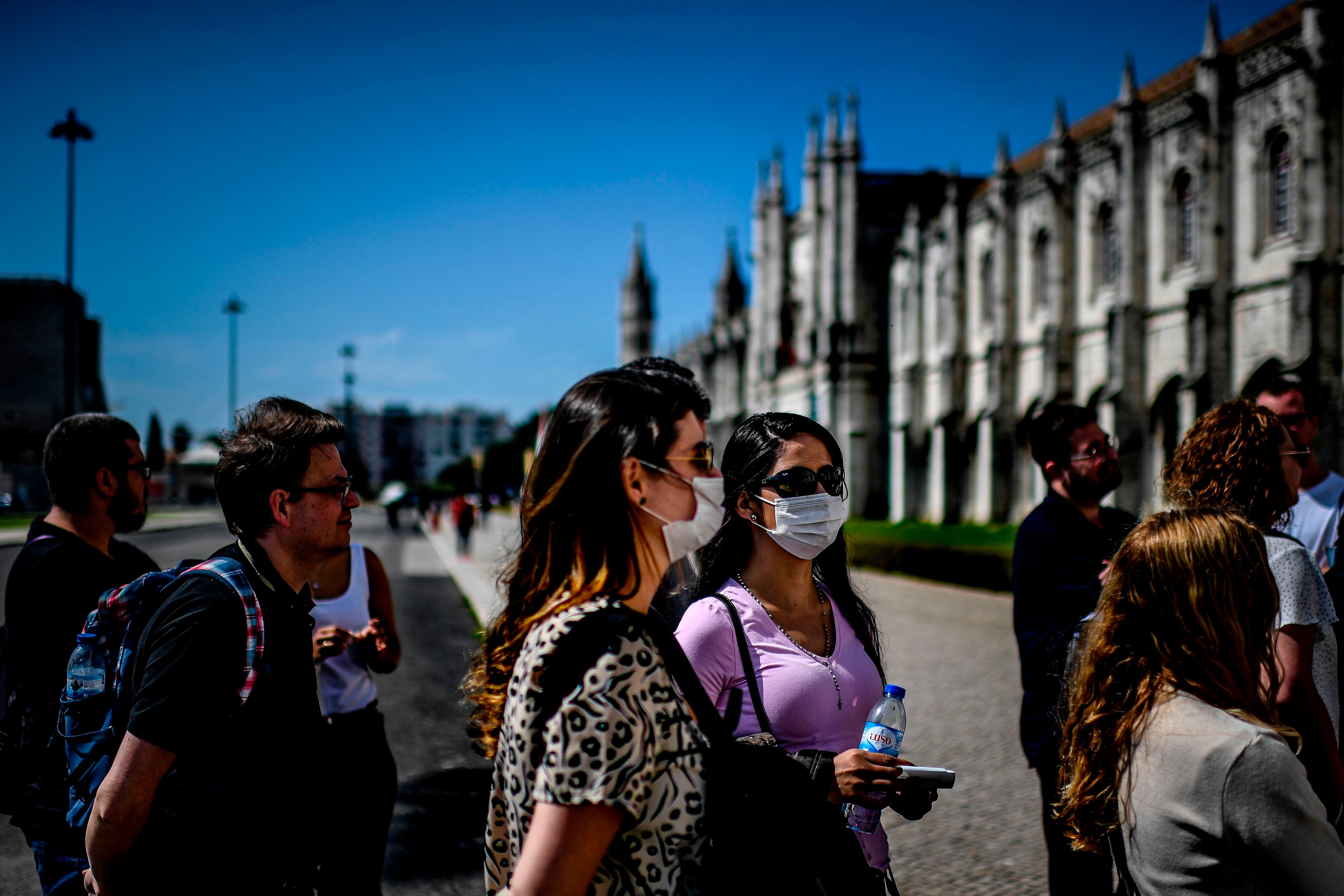
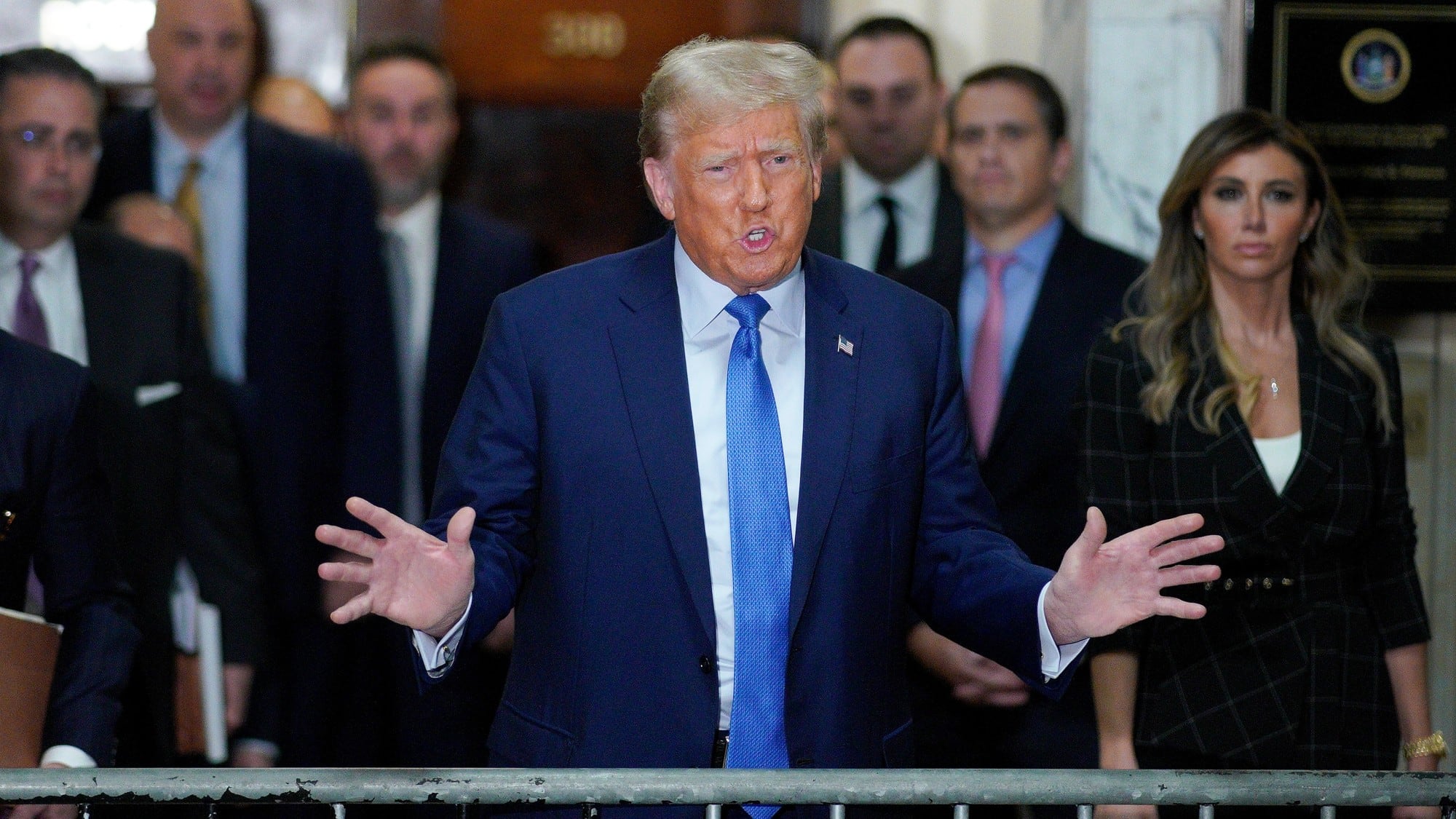
The European Commission has issued a statement condemning President Donald Trump’s travel ban to 26 European countries, announced last night in a widely criticized speech.
“The Corona virus is a global crisis, not limited to any continent and it requires cooperation rather than unilateral action,” the statement said. “The European Union disapproves of the fact that the U.S. decision to impose a travel ban was taken unilaterally and without consultation.”
Countries excluded from the ban include the UK, the Republic of Ireland, Croatia, Cyprus, Romania, and Bulgaria.
It does not apply to legal permanent residents of the U.S., according to the Department of Homeland Security, and most of their family members.
The ban is set to start this Friday evening and last for 30 days. Over the same period, Congress will close the U.S. Capitol to the public, and the White House has canceled tours.
Trump’s speech came in the wake of the World Health Organization’s long-anticipated designation of the coronavirus as a pandemic.
There have been a total of 1,215 cases and 36 deaths reported in the U.S., according to the CDC.
Philadelphia City Council passed legislation to ban ski masks in some public spaces, a measure supporters say will increase public safety amid high violent crime, but opponents argue it will unfairly target people without proof of any wrongdoing.
A federal appeals court ruled that former President Donald Trump won't have presidential immunity in civil lawsuits related to the January 6th attack on the Capitol.
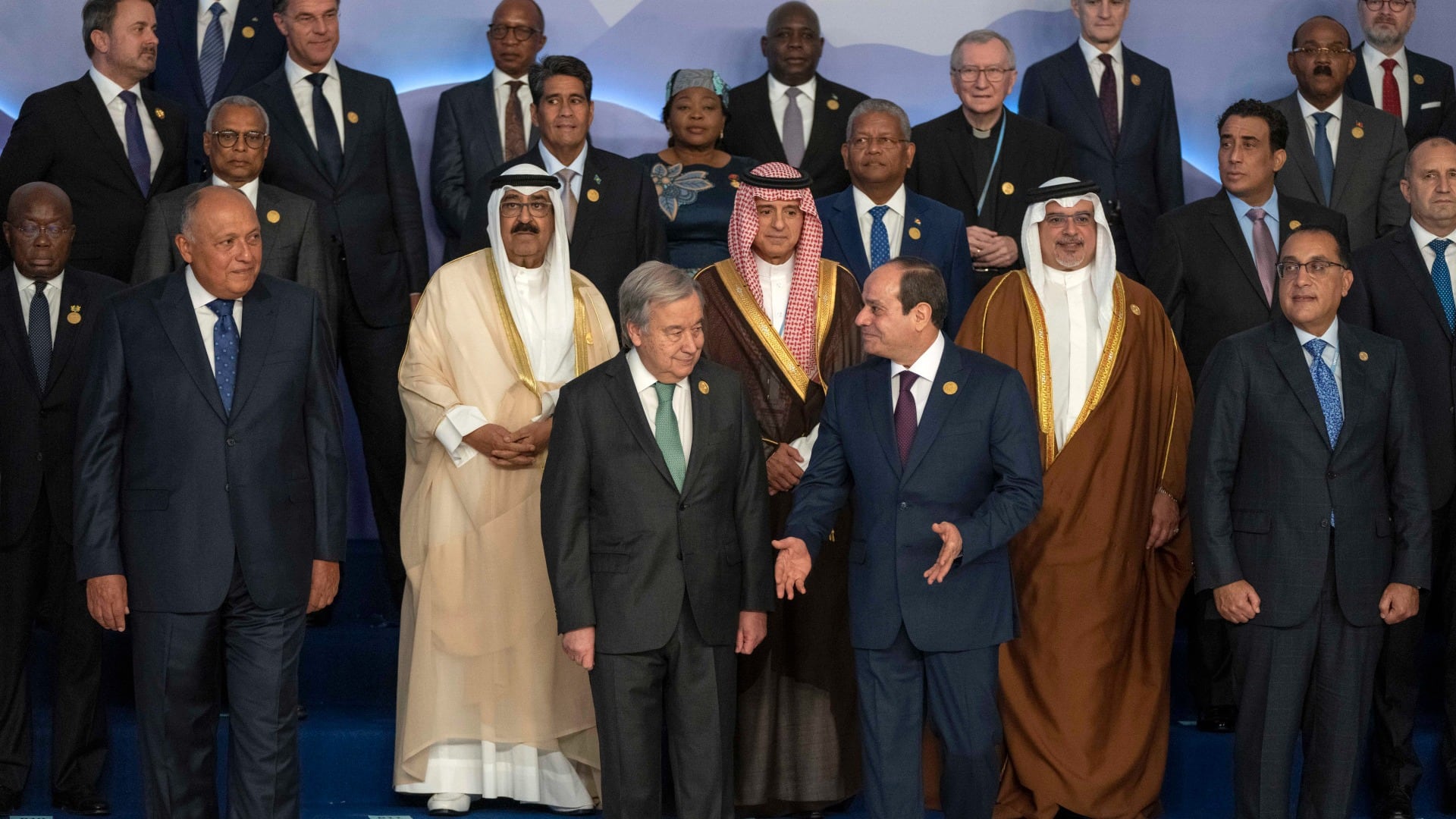
The 2023 United Nations Climate Change Conference known as COP28 kicked off in Dubai and major progress is already being made.
California Gov. Gavin Newsom and Florida Gov. Ron DeSantis squared off in a very unusual political debate Thursday night on Fox News.
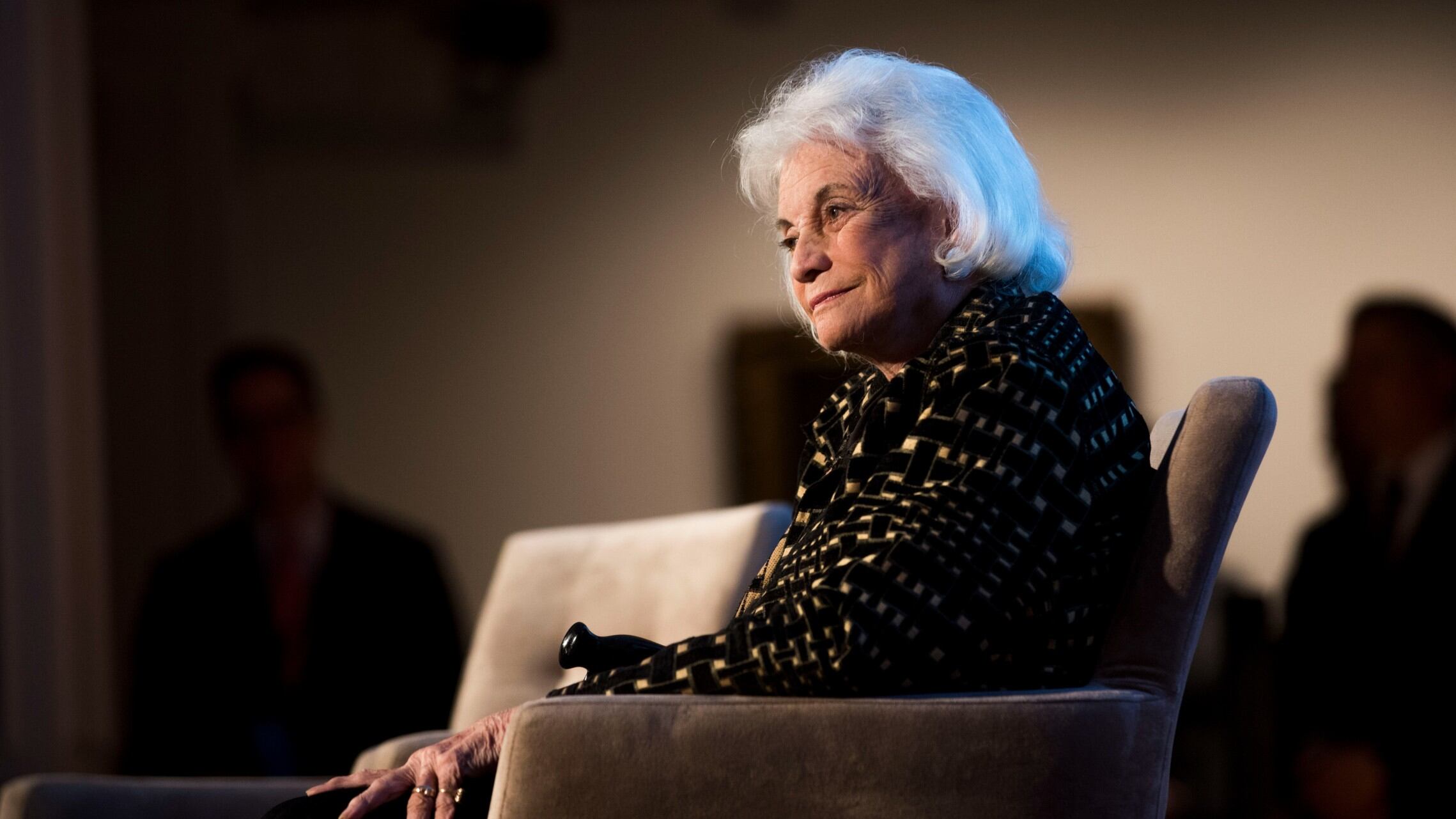
Retired Justice Sandra Day O'Connor, the first woman on the Supreme Court, died Friday, the high court said.
Sen. Rand Paul successfully performed the Heimlich maneuver on fellow Sen. Joni Ernst as she choked at a GOP lunch that she was hosting.
Israeli fighter jets hit targets in the Gaza Strip minutes after a weeklong truce expired on Friday, signaling that the war with Hamas has resumed in full force.
Democrats on the Senate Judiciary Committee voted Thursday to authorize subpoenas for two prominent conservatives who arranged luxury travel and other benefits for Supreme Court justices, but Republicans planned to object to the legitimacy of the action.
Someone in China created thousands of fake social media accounts designed to appear to be from Americans and used them to spread polarizing political content in an apparent effort to divide the U.S. ahead of next year's elections, Meta said Thursday.
The House voted on Friday to expel Republican Rep. George Santos of New York after a critical ethics report on his conduct that accused him of converting campaign donations for his own use. He was just the sixth member in the chamber's history to be ousted by colleagues.