If President Trump’s proposed tariffs on steel and aluminium go into effect, Europe could drag blue jeans and breakfast beverages into the ring, according to Joseph Sternberg, the Wall Street Journal’s Editorial Page Editor for Europe.
“The EU is going to focus on trying to find ways that they can retaliate without damaging the EU economy itself,” explained Sternberg.
Early on Wednesday, the European Union released a list of American goods that it could tax, including Levi’s jeans, orange juice, and motorboats.
“That list is worth about $3.5 billion each year,” Sternberg said. “The point here is to try to send this message that the U.S. isn’t the only trading country in town here.”
More broadly, the tariffs could also decrease foreign investment into the U.S., said Sternberg.
It could start “affecting the willingness of European companies to invest in the U.S. and those companies are creating a lot of American jobs too.”
For the full interview, [click here](https://cheddar.com/videos/starting-a-tariff-war).
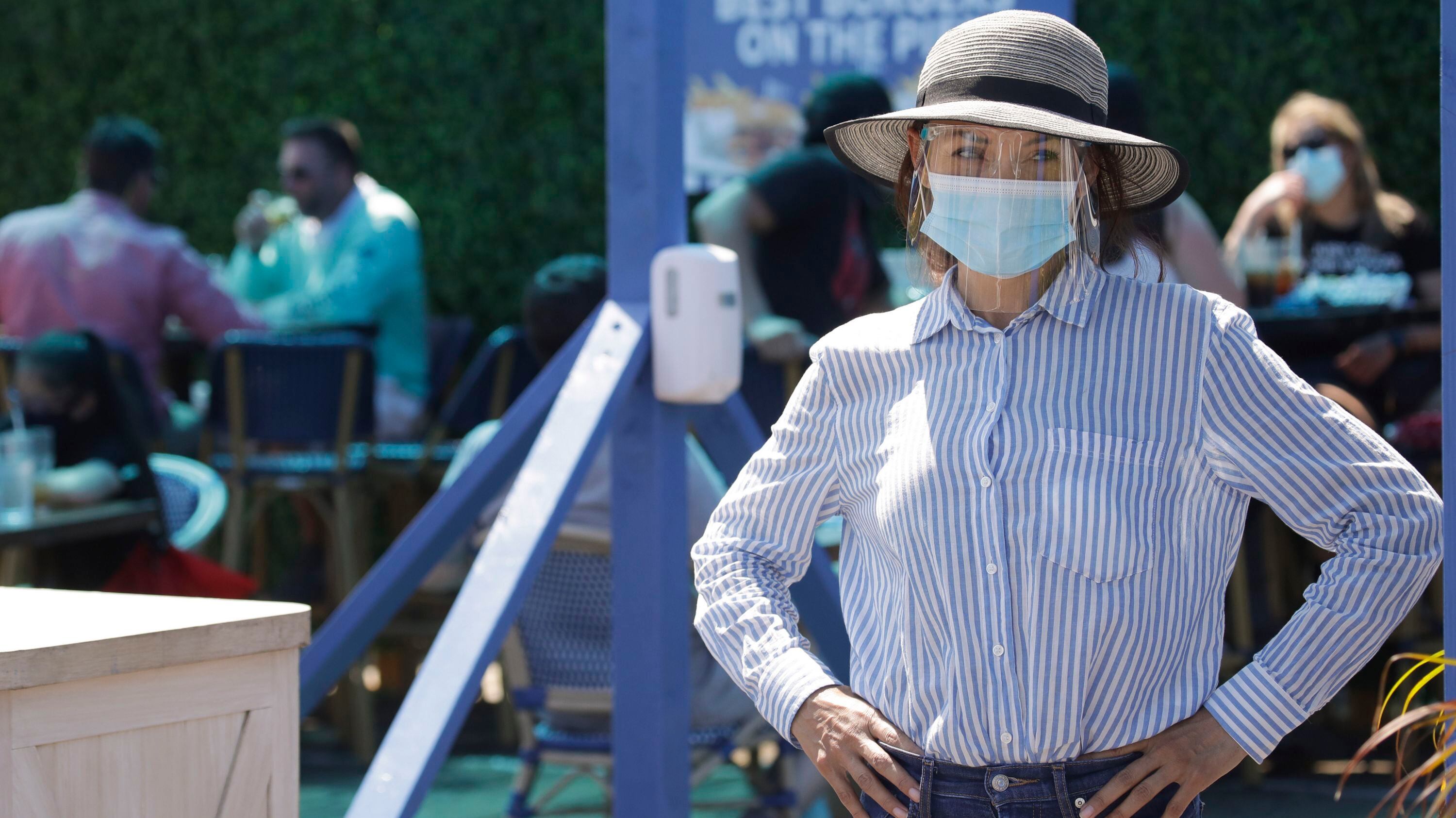
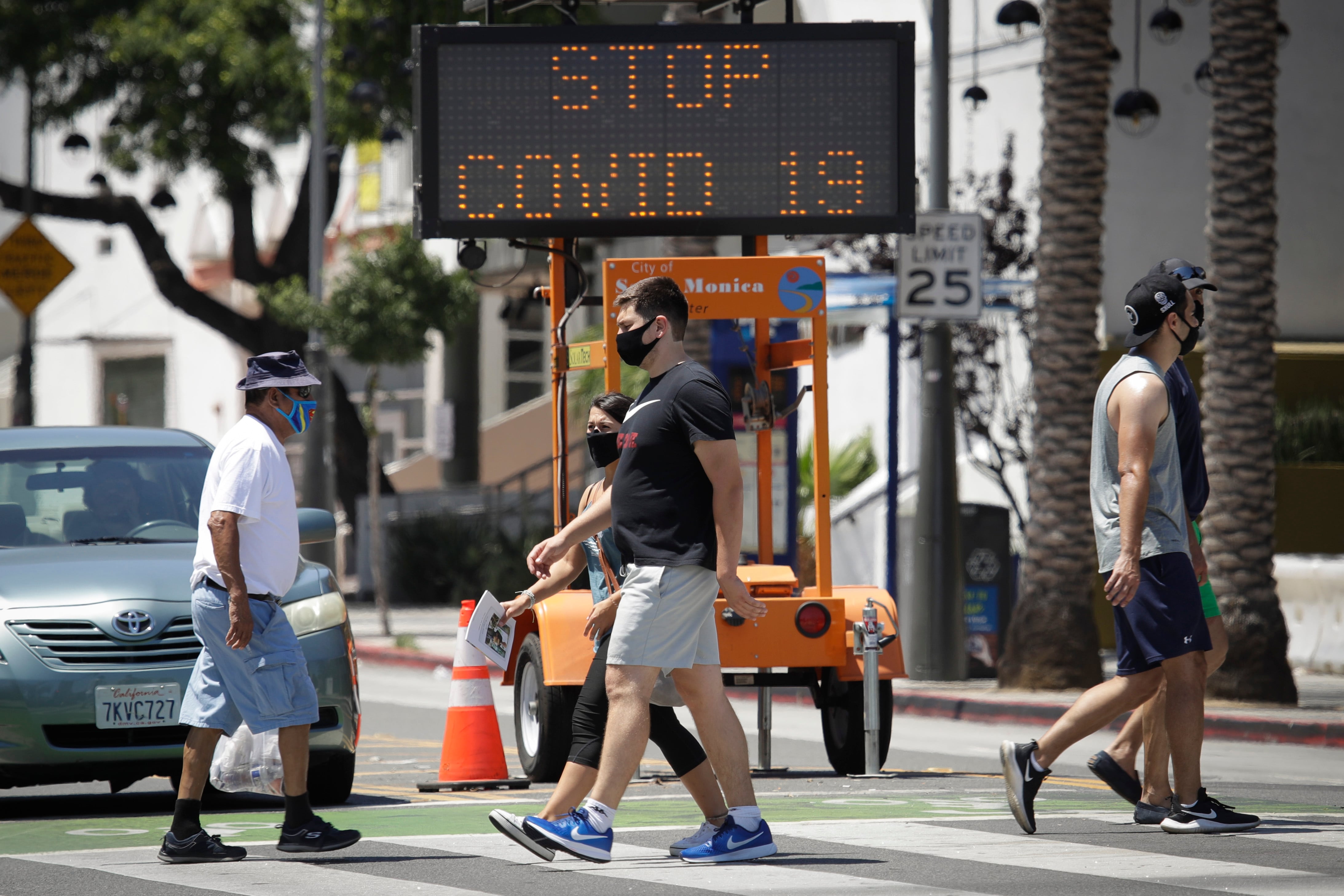
California Gov. Gavin Newsom has extended the closure of bars and indoor dining statewide and has ordered gyms, churches and hair salons closed in most places as coronavirus cases keep rising.
The United States is grappling with the worst coronavirus outbreak in the world, as Florida shattered the national record for a state’s largest single-day increase in new confirmed cases with a reported 15,299.
Julian Castro, former secretary of Housing & Urban Development, talks about the importance of stable housing for Americans. Castro also dissects former VP Joe Biden's plan to combat the housing crisis.
The federal government incurred the biggest monthly budget deficit in history in June as spending on programs to combat the coronavirus recession exploded while millions of job losses cut into tax revenues.
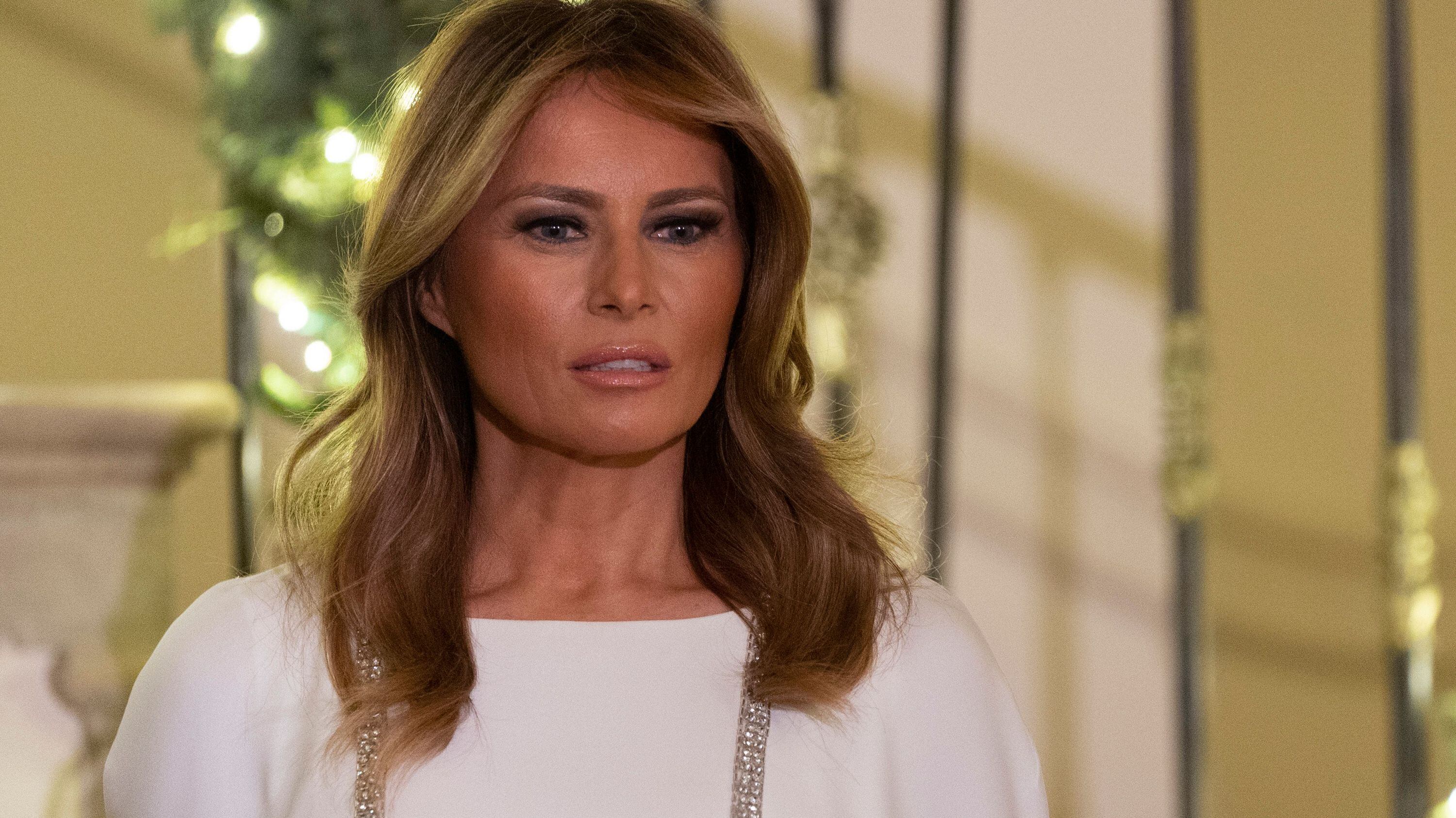
A spokeswoman says the first lady is focused on being a mother and a wife, and serving the country.
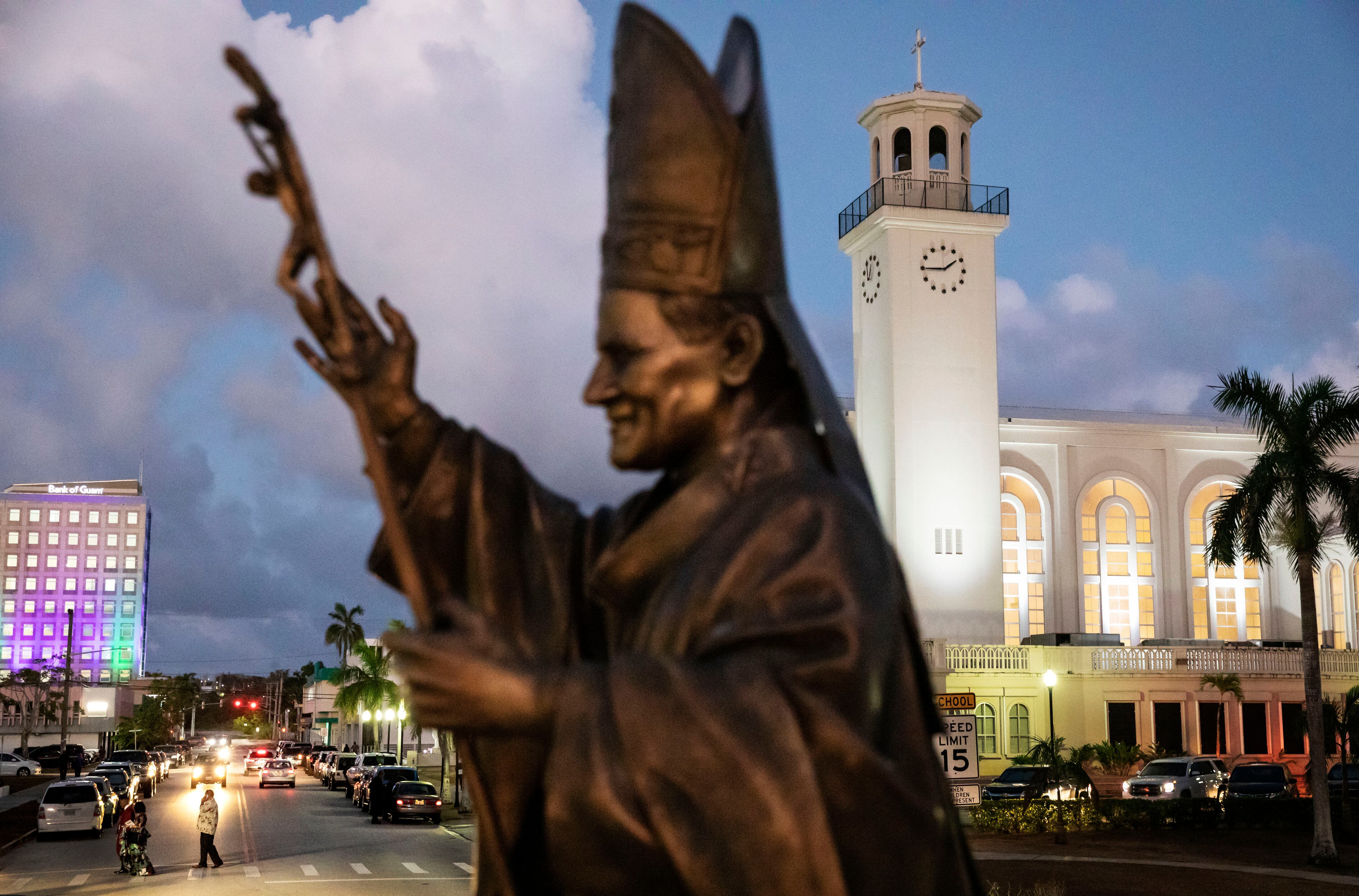
The U.S. Roman Catholic Church used a special and unprecedented exemption from federal rules to amass at least $1.4 billion in taxpayer-backed coronavirus aid, with many millions going to dioceses that have paid huge settlements or sought bankruptcy protection because of clergy sexual abuse cover-ups.
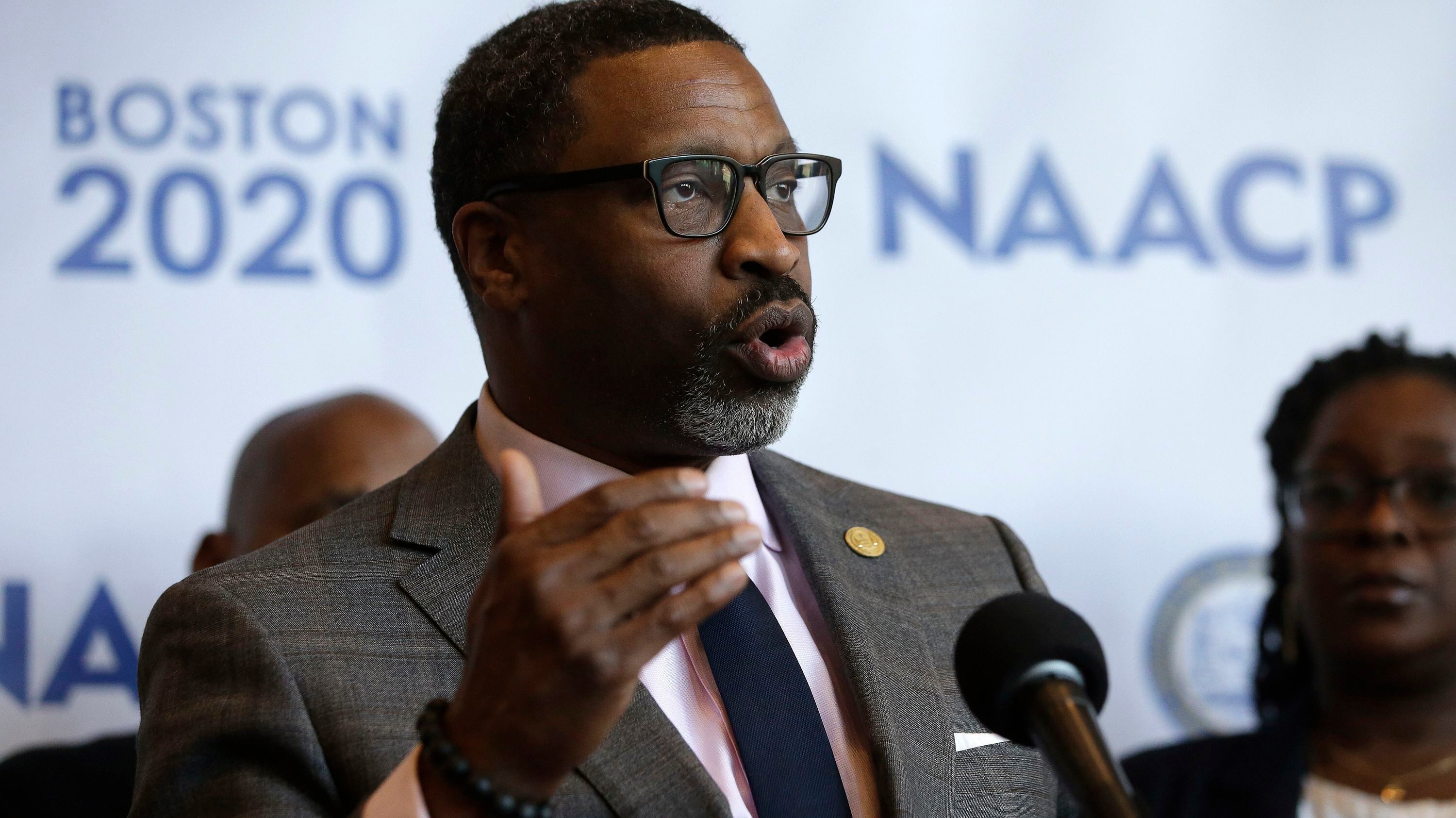
Derrick Johnson, president and CEO of the NAACP, talked about the discussions with Facebook's leadership surrounding hate speech and misinformation.
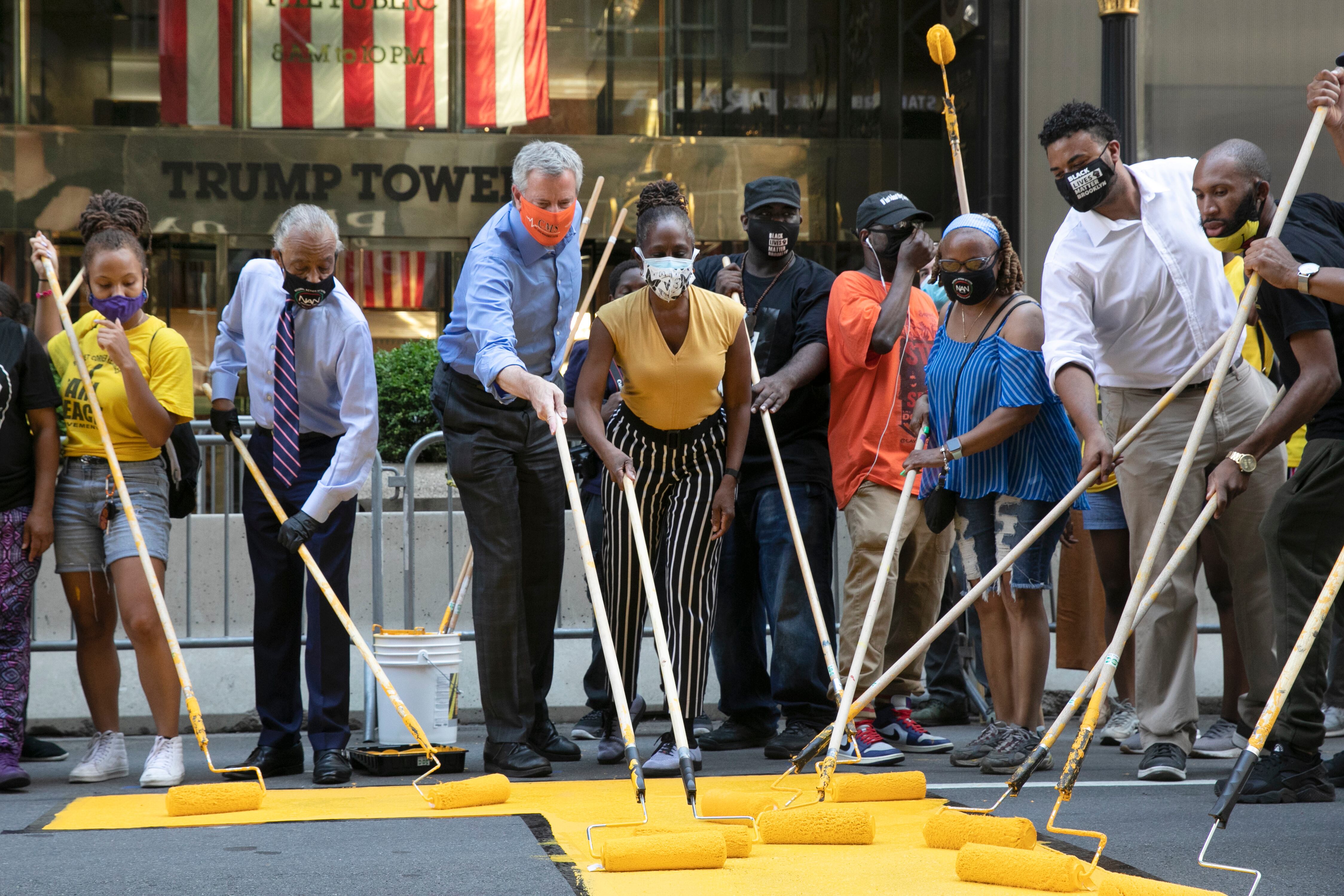
New York City Mayor Bill de Blasio grabbed a roller Thursday to paint Black Lives Matter in front of the namesake Manhattan tower of President Donald Trump.
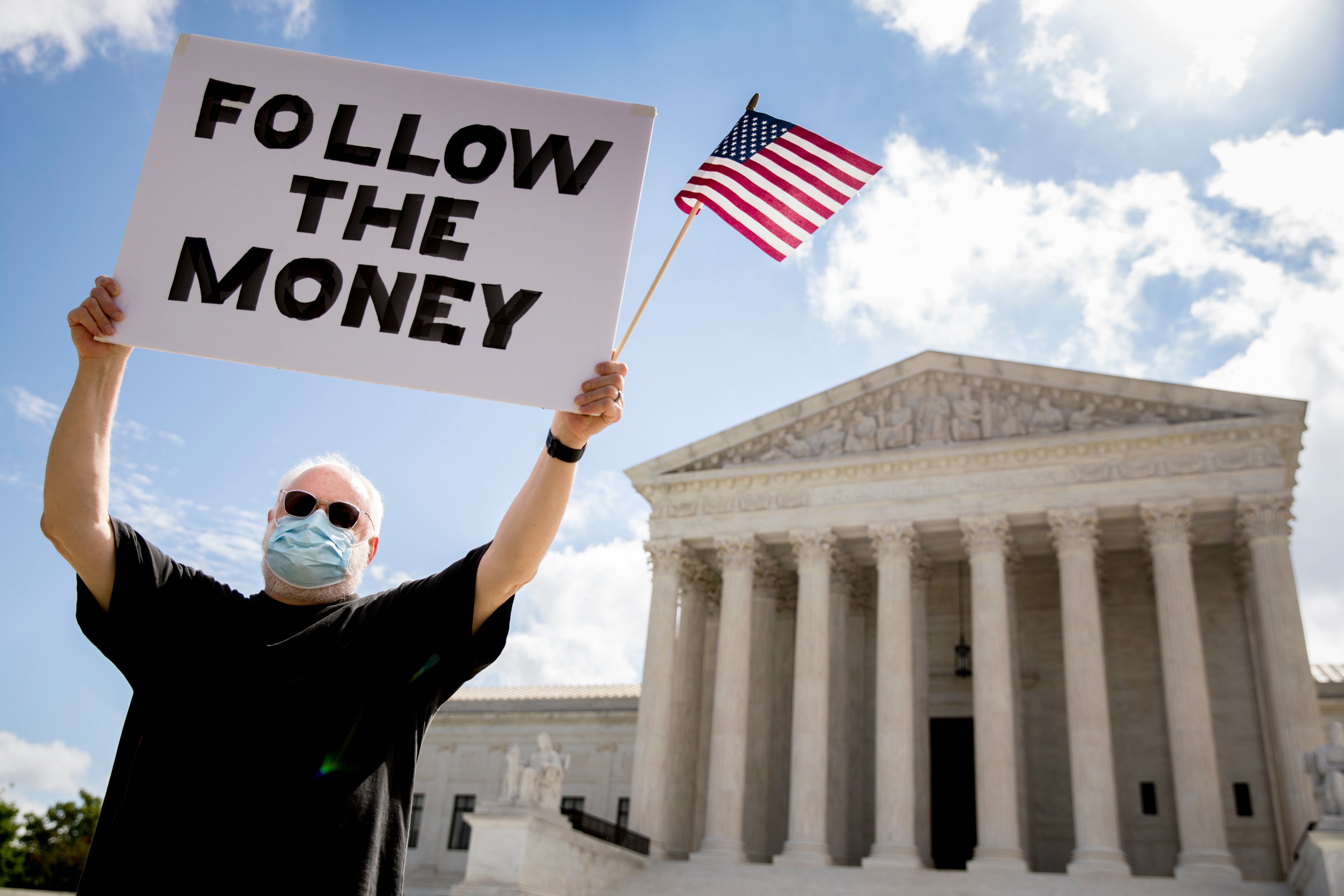
The Supreme Court has issued a mixed verdict on demands for President Donald Trump’s financial records.
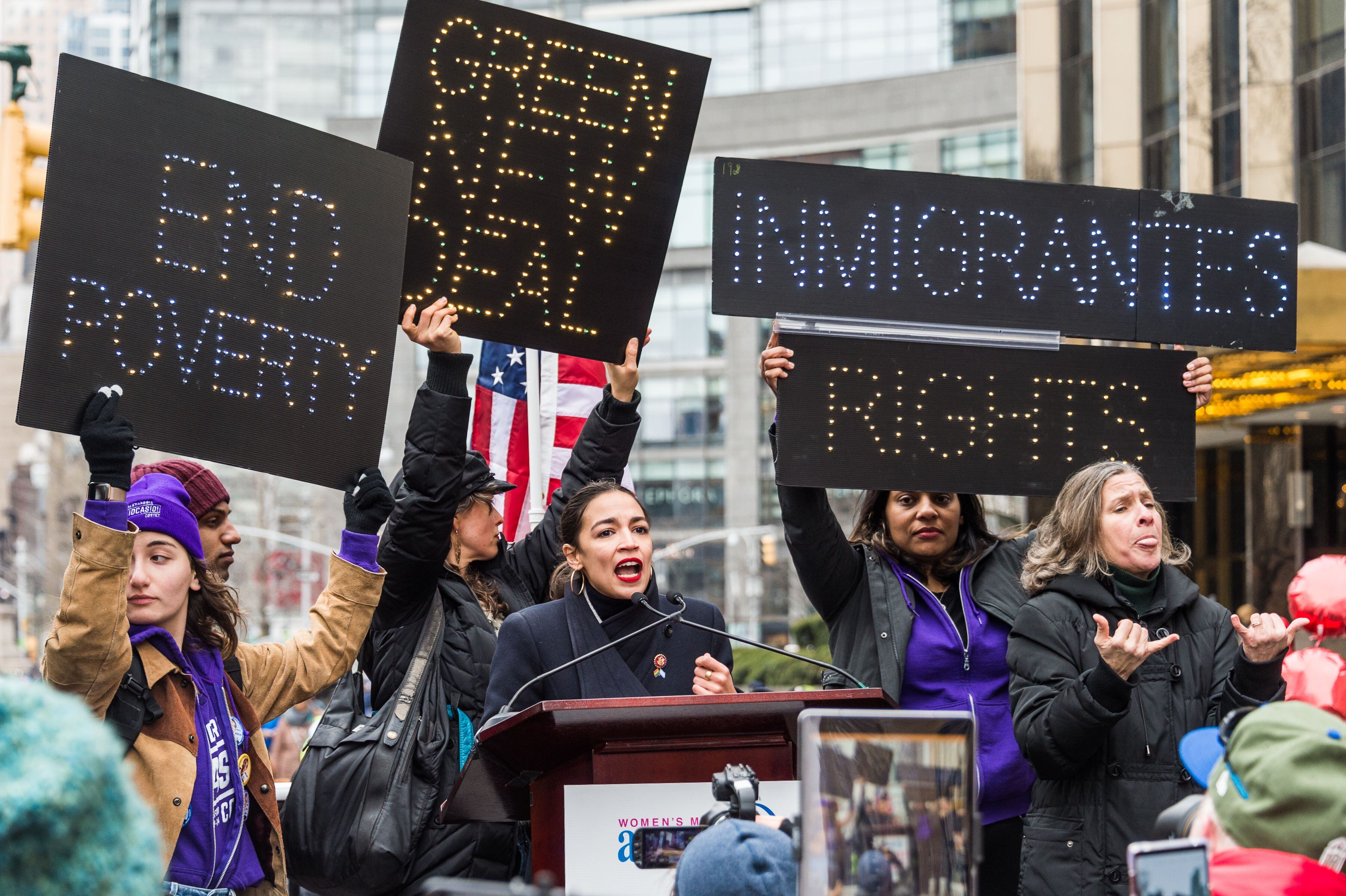
More than a decade after the term was coined by columnist Thomas Friedman in the New York Times, there is a Green New Deal proposal in Congress. Rep. Alexandria Ocasio-Cortez (D-NY) and Sen. Ed Markey (D-MA) have proposed a formal resolution that would frame climate change, economic sustainability and social justice together under a unifying theme, calling for a Depression-era national mobilization similar to FDR's New Deal, and serving as a litmus test for Democratic presidential candidates going forward.