If President Trump’s proposed tariffs on steel and aluminium go into effect, Europe could drag blue jeans and breakfast beverages into the ring, according to Joseph Sternberg, the Wall Street Journal’s Editorial Page Editor for Europe.
“The EU is going to focus on trying to find ways that they can retaliate without damaging the EU economy itself,” explained Sternberg.
Early on Wednesday, the European Union released a list of American goods that it could tax, including Levi’s jeans, orange juice, and motorboats.
“That list is worth about $3.5 billion each year,” Sternberg said. “The point here is to try to send this message that the U.S. isn’t the only trading country in town here.”
More broadly, the tariffs could also decrease foreign investment into the U.S., said Sternberg.
It could start “affecting the willingness of European companies to invest in the U.S. and those companies are creating a lot of American jobs too.”
For the full interview, [click here](https://cheddar.com/videos/starting-a-tariff-war).
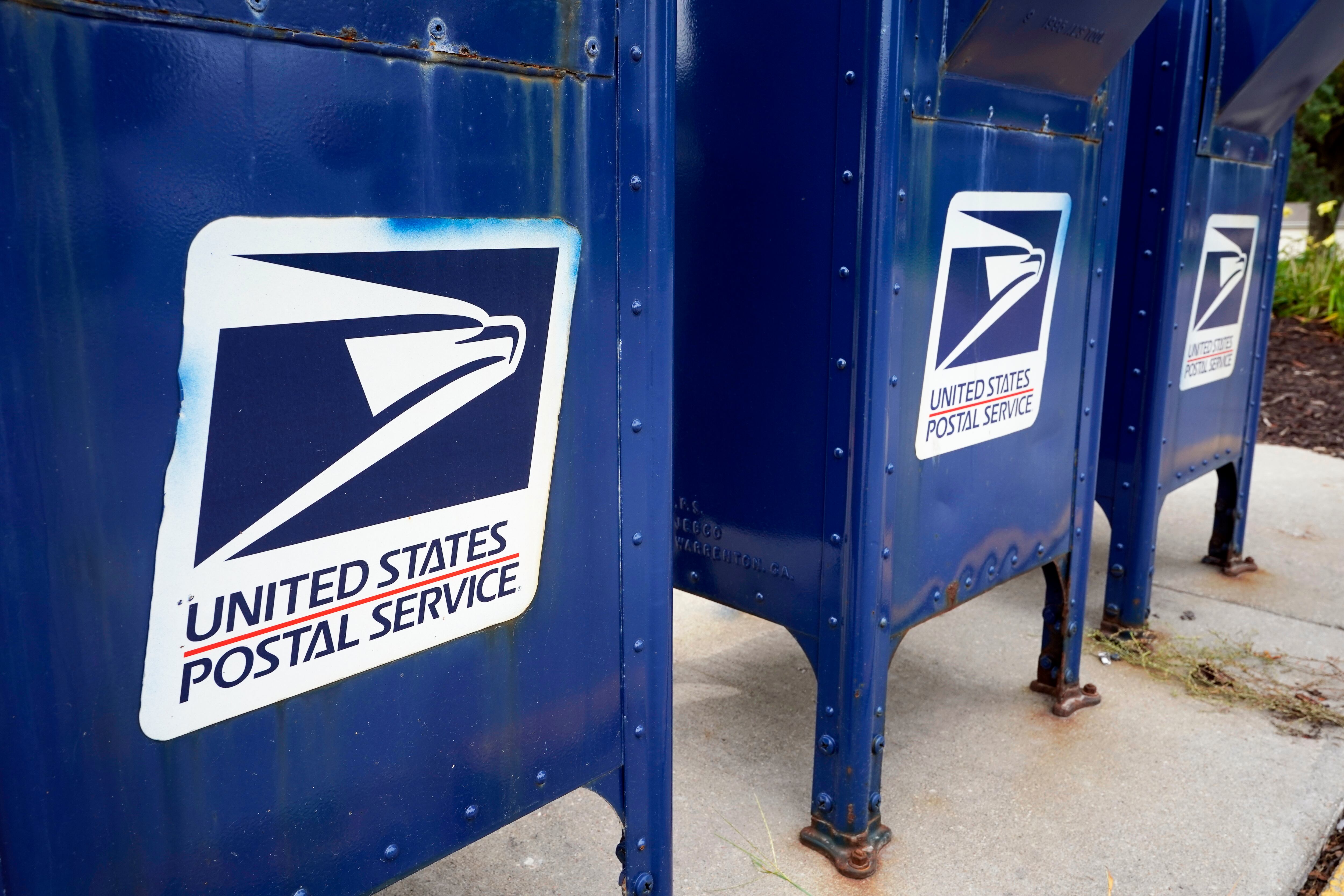
Facing public backlash, Postmaster General Louis DeJoy has told a Senate panel that it’s his “sacred duty” to ensure election mail delivery. But he told senators on Friday that he has no plans to restore curbside mail collection boxes or high-speed sorting machines that have been removed.
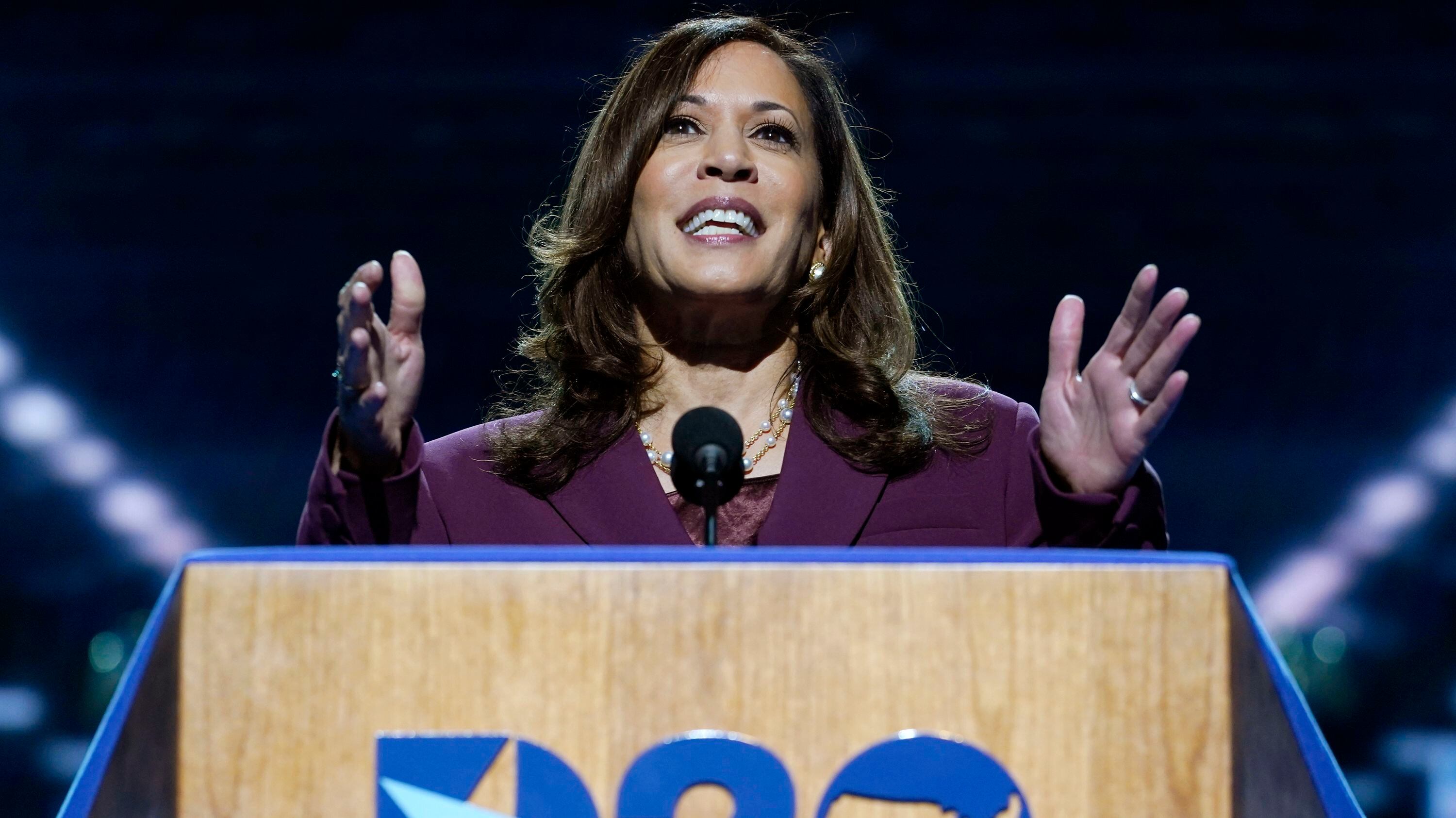
Sen. Kamala Harris has become a beacon of cautious hope among cannabis advocates and industry insiders who hope she’ll push a more conservative Joe Biden left on cannabis issues.
Political ad spending is up across the board. Cheddar's Michelle Castiillo takes a look at what topics politicians are focusing amid the coronavirus pandemic.
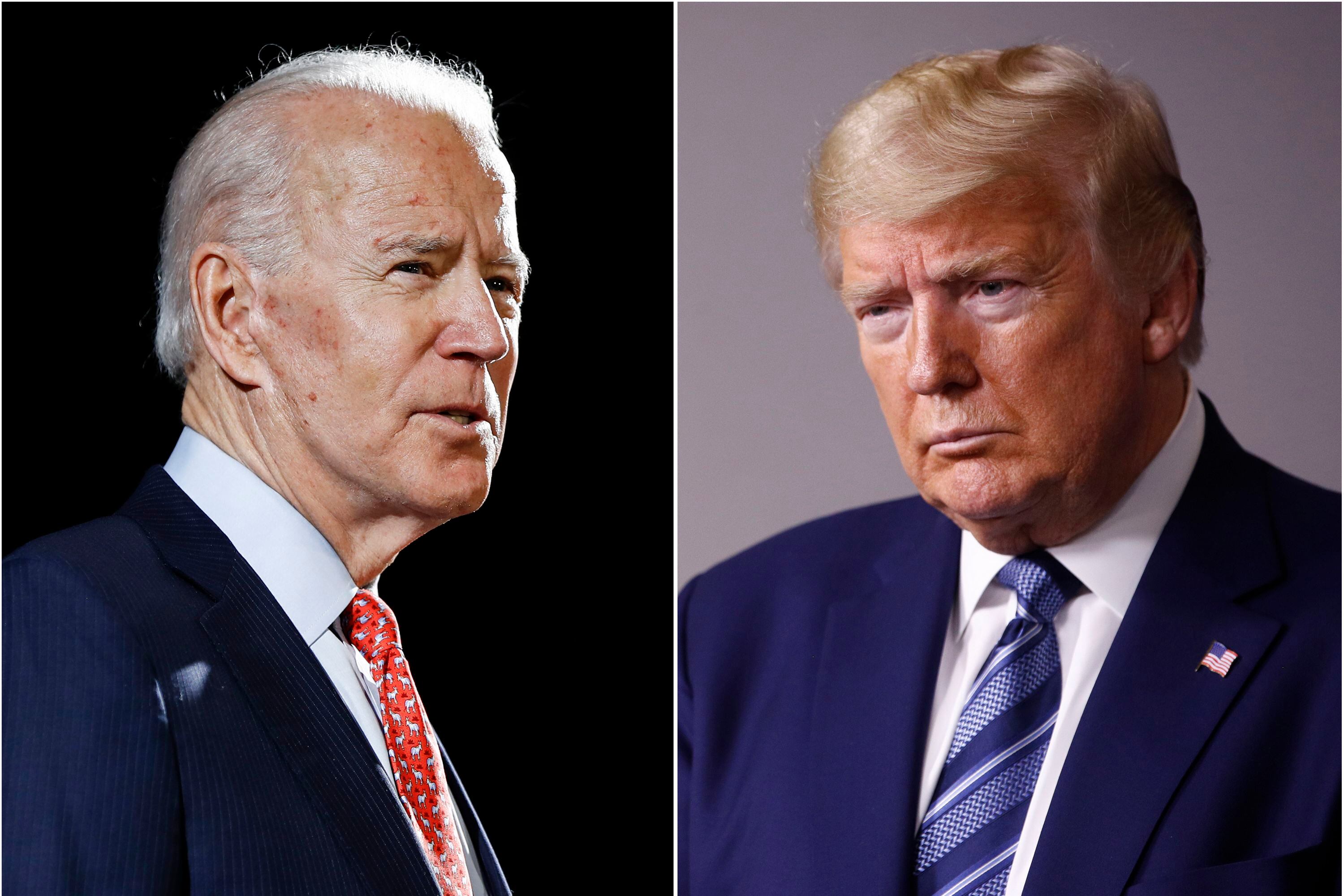
Chuck Rocha, former senior adviser for Bernie for President 2020 and 2016, talks new Book "Tio Bernie," and what the Biden-Harris campaign can do to secure the Latino vote.
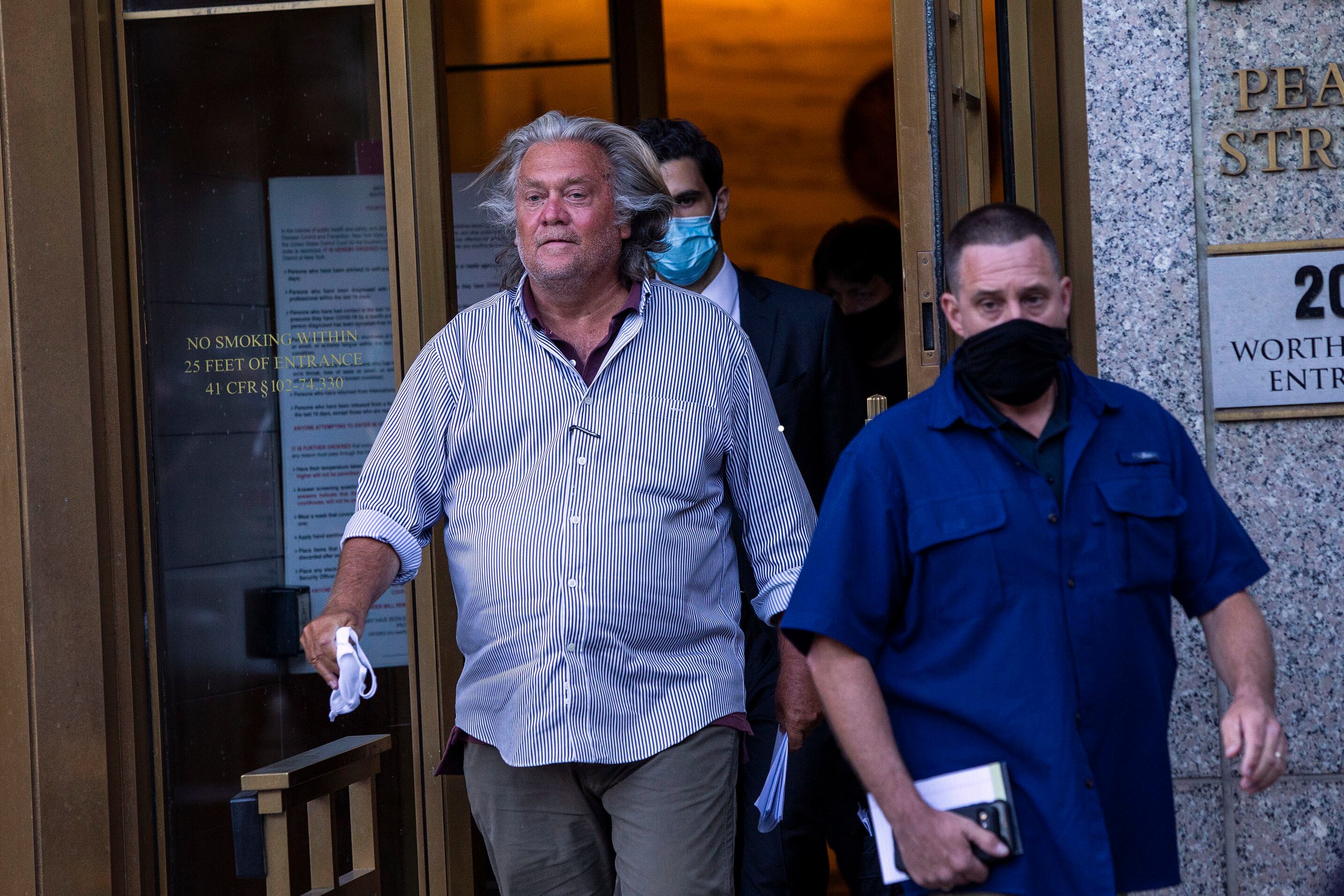
President Donald Trump’s former chief strategist, Steve Bannon, has pleaded not guilty to charges that he ripped off donors trying to fund a southern border wall.
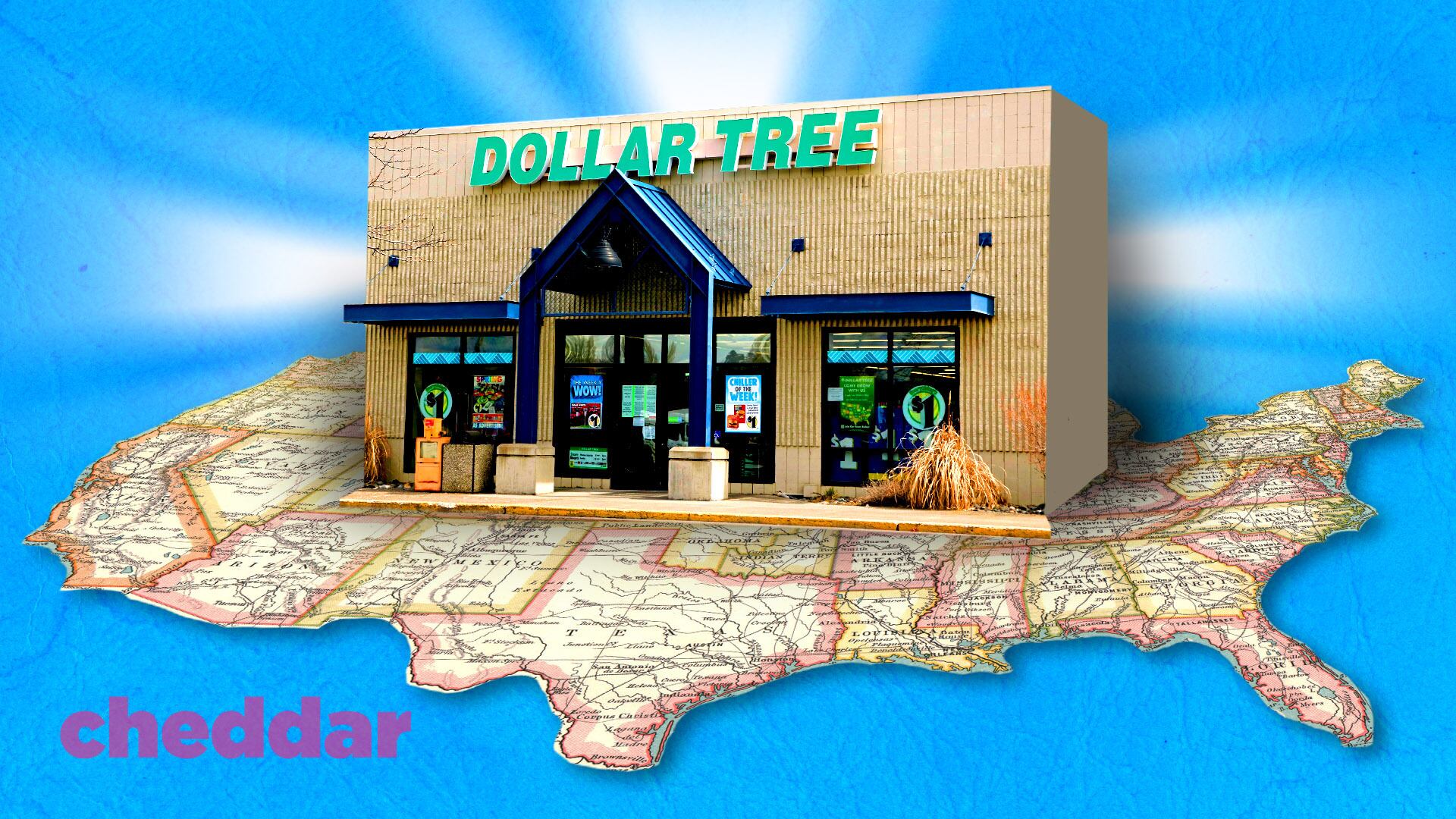
Dollar stores have conquered the United States, in an era where a “retail apocalypse” is slowly decimating brick and mortar retail shopping. The spread of these dollar stores is also deeply tied to issues of income inequality in the U.S. It’s argued that not only do these institutions benefit from poverty, but also that they perpetuate it. It has even led to some communities to limit the spread of dollar stores in their towns. So how did the dollar store conquer the U.S. - and what is their real impact?
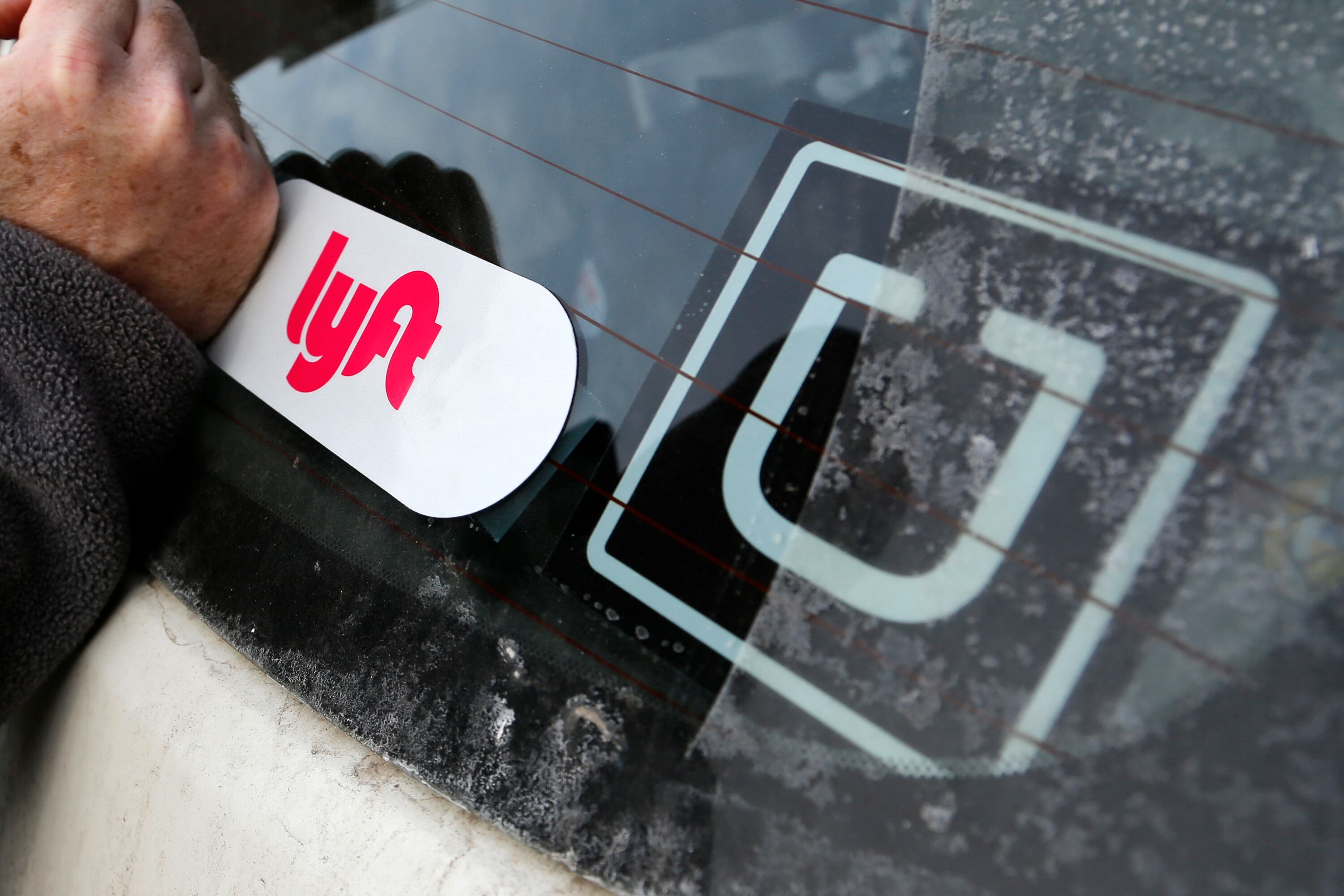
An appeals court has allowed ride-hailing giants Uber and Lyft to continue treating their drivers as independent contractors in California while an appeal works its way through the court.
President Donald Trump is asking the Supreme Court to allow him to block critics from his personal Twitter account.
The new rule would tweak the Employee Retirement Income Security Act of 1974 (ERISA), which regulates the fiduciary duties of private plan managers.
Russian opposition leader Alexei Navalny is in a coma in a hospital in Siberia after falling ill from a suspected poisoning.