By Lorne Cook
Updated 11:01 am ET
The European Union announced Tuesday that it will reopen its borders to travelers from 14 countries, and possibly China soon, but most Americans have been refused entry for at least another two weeks due to soaring coronavirus infections in the U.S.
Travelers from other big countries like Russia, Brazil, and India will also miss out.
As Europe's economies reel from the impact of the coronavirus, southern EU countries like Greece, Italy, and Spain are desperate to entice back sun-loving visitors and breathe life into their damaged tourism industries. American tourists make up a big slice of the EU market and the summer holiday season is a key time.
Citizens from the following countries will be allowed into the EU's 27 members and four other nations in Europe's visa-free Schengen travel zone: Algeria, Australia, Canada, Georgia, Japan, Montenegro, Morocco, New Zealand, Rwanda, Serbia, South Korea, Thailand, Tunisia, and Uruguay.
The EU said China is "subject to confirmation of reciprocity," meaning it should lift all restrictions on European citizens entering China before European countries will allow Chinese citizens back in.
The list is to be updated every 14 days, with new countries being added or dropped off depending on whether they are keeping the pandemic under control.
U.S. tourists made 27 million trips to Europe in 2016 while some 10 million Europeans head across the Atlantic each year.
Still, many people both inside and outside of Europe remain wary about traveling in the coronavirus era, given the unpredictability of the pandemic and the possibility of second waves of infection that could affect flights and hotel bookings. Tens of thousands of travelers had a frantic, chaotic scramble in March to get home as the pandemic swept across the world and borders slammed shut.
The number of confirmed coronavirus cases in the United States has surged over the past week, and President Donald Trump also suspended the entry of all people from Europe's ID check-free travel zone in a decree in March, making it extremely difficult for the EU to include the U.S. on their safe travel list for now.
In contrast, aside from a recent outbreak tied to a slaughterhouse in western Germany, the spread of the virus has generally stabilized across much of continental Europe.
To qualify for the list, EU headquarters said Tuesday that countries should have a comparable per capita number of COVID-19 cases to those in the 31 European countries over the last 14 days and have a stable or decreasing trend in the number of infections.
The Europeans are also taking into account those countries' standards on virus testing, surveillance, contact tracing and treatment, and the general reliability of their virus data.
According to European Commission figures, the United States is the EU's biggest in-bound long-haul tourism market in terms of arrivals and tourist spending. In 2014, U.S. tourists accounted for 18 percent of the total nights spent in the EU by visitors from outside, followed by Russia at 14.9 percent. Tourists from China, Japan, and Brazil each accounted for less than 5 percent of nights.
Tuesday's decision will not go down well with all Europeans.
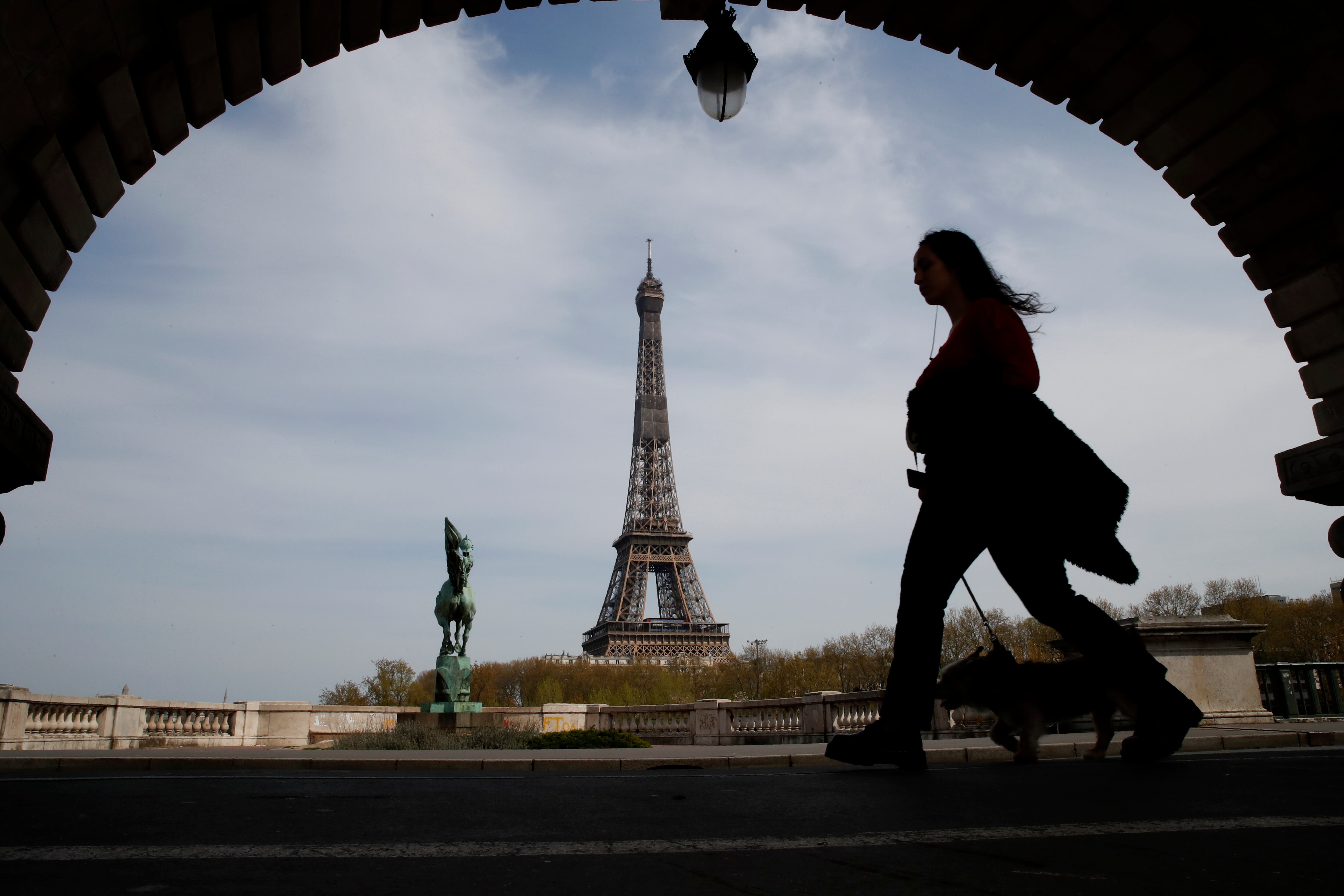
On the deserted Saint-Louis island in Paris, at the heart of the French capital, businesses were mourning the loss of American tourists.
"Americans were 50 percent of my clientele," said Paola Pellizzari, president of the local business association and owner of a Venetian mask and jewelry shop. "We can't substitute that clientele with another."
European Union countries hastily slapped restrictions on who could cross their borders in February as the virus spread rapidly in Italy. Then in mid-March, the Europeans limited all non-essential travel to the 27 EU member states plus Liechtenstein, Iceland, Norway and Switzerland.
Non-EU citizens who are already living in Europe are not included in the ban.
The EU on Tuesday also recommended that restrictions be lifted on all people wanting to enter who are European citizens and their family members, long-term EU residents who are not citizens of the bloc, and travelers with "an essential function or need," regardless of whether their country is on the safe list or not. That would allow in people like American medical experts, for example.
The EU list does not apply to travel into Britain, which left the EU in January. Britain now requires all incoming travelers — bar a few exceptions like truck drivers — to go into self-imposed 14-day quarantine, although the measure is under review and is likely to ease in the coming weeks. The requirement also applies to U.K. citizens.
___
Arno Pedram in Paris contributed to this report.