*By Alisha Haridasani and Jacqueline Corba*
European lawmakers aggressively questioned Facebook's CEO Mark Zuckerberg on Tuesday, indicating they may consider further restricting the social media company's unchecked growth and regulating its business practices.
Zuckerberg, meeting publicly with members of the European Parliament in Brussels, again apologized for the company's failure to protect the personal data of millions of Facebook users from a third-party app that shared their information with the British research firm Cambridge Analytica.
"We haven't done enough to prevent these tools from being used for harm," Zuckerberg said Tuesday, echoing the apology he offered Congress in testimony last month in Washington. "That was a mistake."
But European lawmakers were even more confrontational than their American counterparts, piling questions on Zuckerberg over Facebook's failure to combat fake news, thwart foreign interference in democratic elections, and limit the access of private data collected from its users.
"They asked very intelligent questions that were drawn from the hearings in the Senate and the House of Representatives, building on them in very interesting ways," said Adi Robertson, a senior reporter for The Verge.
A German member of the European Parliament asked pointedly about Facebook’s market share, and whether it should be subject to [antitrust regulations](https://www.c-span.org/video/?446000-1/facebook-ceo-mark-zuckerberg-testifies-eu-lawmakers), a common theme in Tuesday's questions.
“It is time to discuss breaking Facebook’s monopoly because it’s already too much power in only one hand?” said Manfred Weber, the head of the European Parliament’s majority party, the European People's Party.
Guy Verhofstadt, a Belgium leader of the Alliance of Liberals and Democrats for Europe, suggested the company should consider splitting up WhatsApp, Instagram, and Facebook Messenger. “Could you or would you cooperate with the European antitrust authorities?” he asked Zuckerberg.
This line of questioning about Facebook's monopoly position was very "aggressive," said Roberson.
After all of the lawmakers asked their questions, Zuckerberg chose a few to answer at the end of the session, and he vowed to respond to the rest with written statements. With so many of their questions unanswered and no time remaining, the meeting bizarrely descended into back-and-forth bickering among lawmakers over the flawed format of the hearing.
"It seems like even people who were there on the floor were sort of baffled by the choice of panel," said Robertson.
Zuckerberg's questioning took place days before Europe’s General Data Protection Regulation, or GDPR, goes into effect. The new law, one of the most sweeping privacy protection laws in the world, requires all companies to share how online user data is used and offer users the option to delete their data. Companies that fail to comply can be fined up to 4 percent of their global revenue.
Zuckerberg said Tuesday that Facebook would extend to users elsewhere in the world the same data privacy protections that European citizens will have under the new law.
“At the heart of Europe’s new data protection law, the GDPR, are three important principles: control, transparency, and accountability,” he said. “We’ve always shared these values.”
For the full interview, [click here](https://cheddar.com/videos/zuckerberg-testifies-to-european-parliament).
Fold CEO & Co-founder Will Reeves joins Cheddar News' Closing Bell, where he discusses what his company's augmented reality metaverse involves and elaborates on Fold's goals surrounding the new initiative.
Donald Pettey, Program Manager for Strategic Initiatives for MassDOT, and Mohammed Siddiqui, Vice President of Public Relations at Ko-Solar, join Cheddar Climate, where they discuss their plan to test highway barriers that absorb sound and solar energy, with construction expected to begin in the first half of 2022.
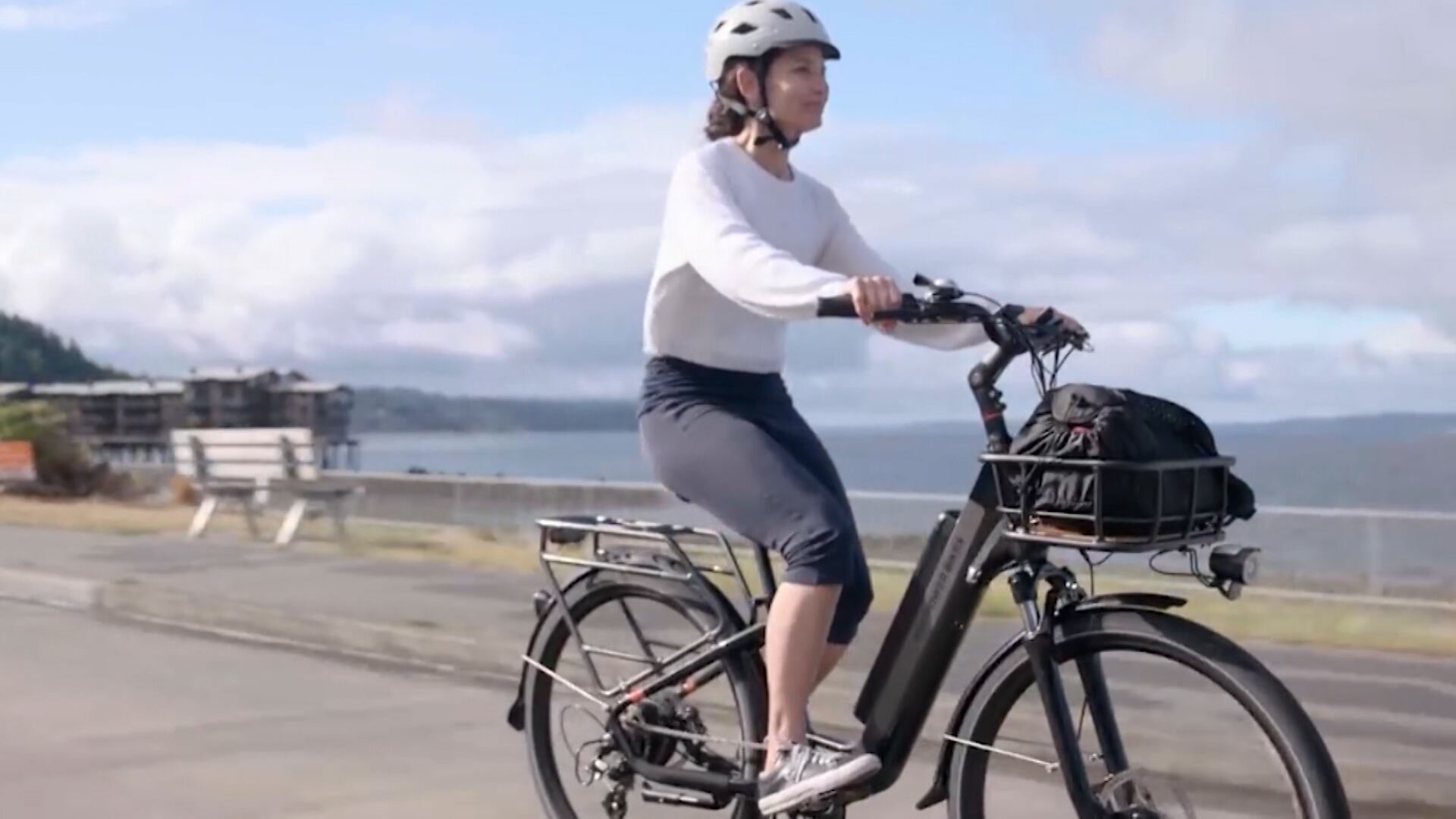
President Joe Biden's "Build Back Better" bill could mean cheaper electric bicycles and scooters as the nation attempts to shift away from gas-powered cars. Noa Banayan, the director of federal affairs at PeopleForBikes, joined Cheddar's "Closing Bell" to provide some background on the E-Bike Act included in Biden's reconciliation bill that would provide tax credits for qualified purchases. "We want to make sure, from the bike industry's perspective, that this is a technology and a product that is available to the majority of Americans who want to lower their carbon footprint and get around town faster and do everything that they would normally do in a short car trip but by bike, because it's healthier, it's fast, it's efficient, you're not in traffic," she said.
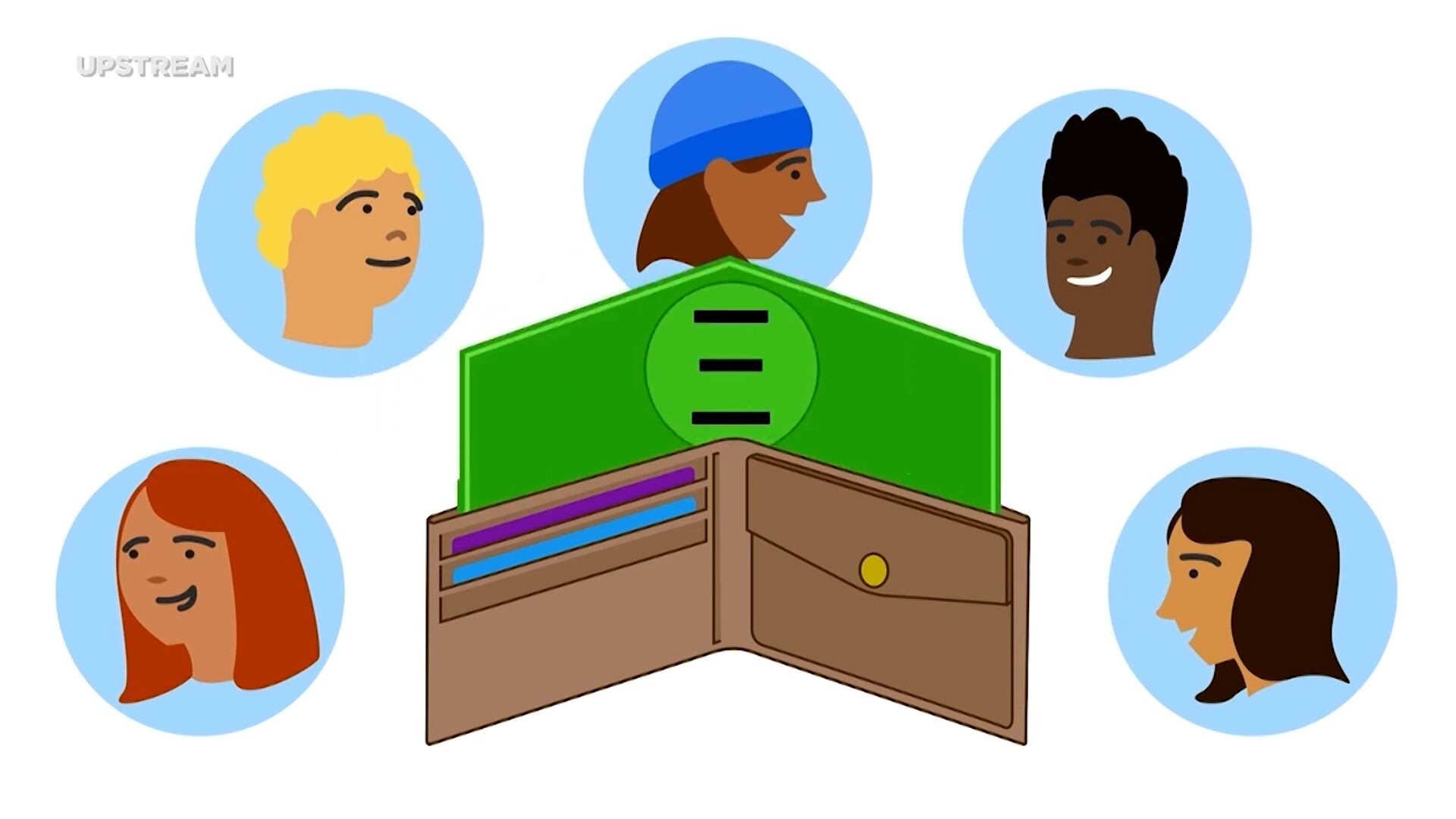
It's being called the next big trend in crypto. A decentralized autonomous organization, or DAO, is an internet community of different types of groups and businesses. The purpose is to allow people to commit funds to a specific cause in a safe way. Now, one social platform is creating a do-it-yourself kit for those who want to step into the space. Upstream Collective just launched the beta mode of its platform with the goal of putting all facets of running a DAO in one place. Alex Taub, co-founder and CEO of Upstream, joins Cheddar News to discuss.
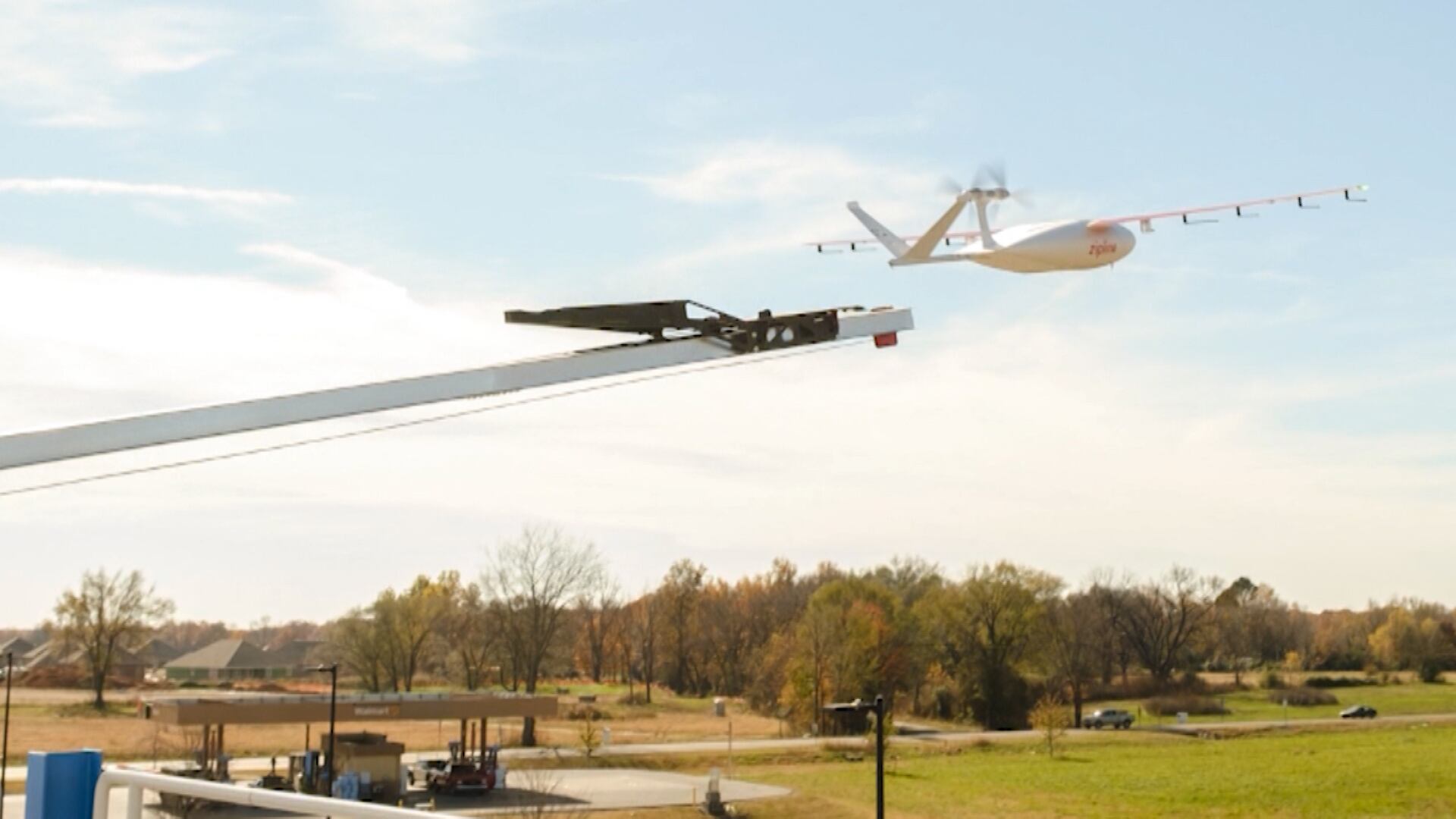
Walmart and Zipline have teamed up to launch a drone delivery service in Pea Ridge, Arkansas. The service delivers products to customers within a 50-mile radius of the store. Liam O'Connor, COO of Zipline, joins Cheddar News to talk more about the partnership.
A NASA spacecraft that will deliberately crash into an asteroid is preparing to launch this week. The goal of the DART mission, or the Double Asteroid Redirection Test, is to hit the smaller of the two asteroids, Dimorphos, with the spacecraft at about 15,000 miles per hour and see how the impact changes the asteroid’s trajectory. Joey Roulette, space reporter at The New York Times, joins Cheddar News to talk more about it.
On this episode of Cheddar Reveals, Yair Nechmad, Nayax CEO, discusses the future of cashless payments, and how cashless payments give retailers a competitive edge and allow merchants to scale business; Jason Thomas, Global CEO of Tappit, breaks down how the pandemic accelerated the transition to cash-free live events, and why that trend is here to stay; Cheddar gets a look at Curiosity Steam's 'Blockchain Revolution.'
Not long ago, banning cash at a large public event would have been seen as a crazy idea that would deter sales. But our cash-free future is getting closer with the use of contactless payments being implemented in sports venues, music festivals, concerts, and more. Jason Thomas, Global CEO of Tappit, joins Cheddar Reveals to break down how the pandemic accelerated the transition to cash-free live events, and why that trend is here to stay.
Yair Nechmad, Nayax CEO, joins Cheddar Reveals to discuss the future of cashless payments, and how cashless payments give retailers a competitive edge and allow merchants to scale business.