*By Alisha Haridasani and Jacqueline Corba*
European lawmakers aggressively questioned Facebook's CEO Mark Zuckerberg on Tuesday, indicating they may consider further restricting the social media company's unchecked growth and regulating its business practices.
Zuckerberg, meeting publicly with members of the European Parliament in Brussels, again apologized for the company's failure to protect the personal data of millions of Facebook users from a third-party app that shared their information with the British research firm Cambridge Analytica.
"We haven't done enough to prevent these tools from being used for harm," Zuckerberg said Tuesday, echoing the apology he offered Congress in testimony last month in Washington. "That was a mistake."
But European lawmakers were even more confrontational than their American counterparts, piling questions on Zuckerberg over Facebook's failure to combat fake news, thwart foreign interference in democratic elections, and limit the access of private data collected from its users.
"They asked very intelligent questions that were drawn from the hearings in the Senate and the House of Representatives, building on them in very interesting ways," said Adi Robertson, a senior reporter for The Verge.
A German member of the European Parliament asked pointedly about Facebook’s market share, and whether it should be subject to [antitrust regulations](https://www.c-span.org/video/?446000-1/facebook-ceo-mark-zuckerberg-testifies-eu-lawmakers), a common theme in Tuesday's questions.
“It is time to discuss breaking Facebook’s monopoly because it’s already too much power in only one hand?” said Manfred Weber, the head of the European Parliament’s majority party, the European People's Party.
Guy Verhofstadt, a Belgium leader of the Alliance of Liberals and Democrats for Europe, suggested the company should consider splitting up WhatsApp, Instagram, and Facebook Messenger. “Could you or would you cooperate with the European antitrust authorities?” he asked Zuckerberg.
This line of questioning about Facebook's monopoly position was very "aggressive," said Roberson.
After all of the lawmakers asked their questions, Zuckerberg chose a few to answer at the end of the session, and he vowed to respond to the rest with written statements. With so many of their questions unanswered and no time remaining, the meeting bizarrely descended into back-and-forth bickering among lawmakers over the flawed format of the hearing.
"It seems like even people who were there on the floor were sort of baffled by the choice of panel," said Robertson.
Zuckerberg's questioning took place days before Europe’s General Data Protection Regulation, or GDPR, goes into effect. The new law, one of the most sweeping privacy protection laws in the world, requires all companies to share how online user data is used and offer users the option to delete their data. Companies that fail to comply can be fined up to 4 percent of their global revenue.
Zuckerberg said Tuesday that Facebook would extend to users elsewhere in the world the same data privacy protections that European citizens will have under the new law.
“At the heart of Europe’s new data protection law, the GDPR, are three important principles: control, transparency, and accountability,” he said. “We’ve always shared these values.”
For the full interview, [click here](https://cheddar.com/videos/zuckerberg-testifies-to-european-parliament).
An economic development agency, the Northwest Arkansas Council, is looking to draw technology professionals to their region of the Southern state with incentives like $10,000 worth of Bitcoin and a new bicycle. Nelson Peacock, president and CEO of the private nonprofit made up of companies like Walmart and Tyson Foods, joined Cheddar to talk about the program to further power his local economy. "By offering the payment in Bitcoin, we're looking to identify those people with interest and expertise in the underlying technologies, the blockchain technologies," he said.
After months of investors turning to crypto as a hedge against inflation, instead of the traditional hedge of gold, one crypto exchange is working with a token creator to launch a digital coin backed by a physical asset. GCOIN gives customers a digital title of ownership to 99.99% pure physical gold which is stored in a secured vault. Brent de Jong, GCoin's founder and Kristin Boggiano, Co-Founder and President of CrossTower, a cryptocurrency exchange, join Cheddar News' Closing Bell to discuss the GCOIN rollout, customer interest, why crypto is used as an inflation hedge, and more.
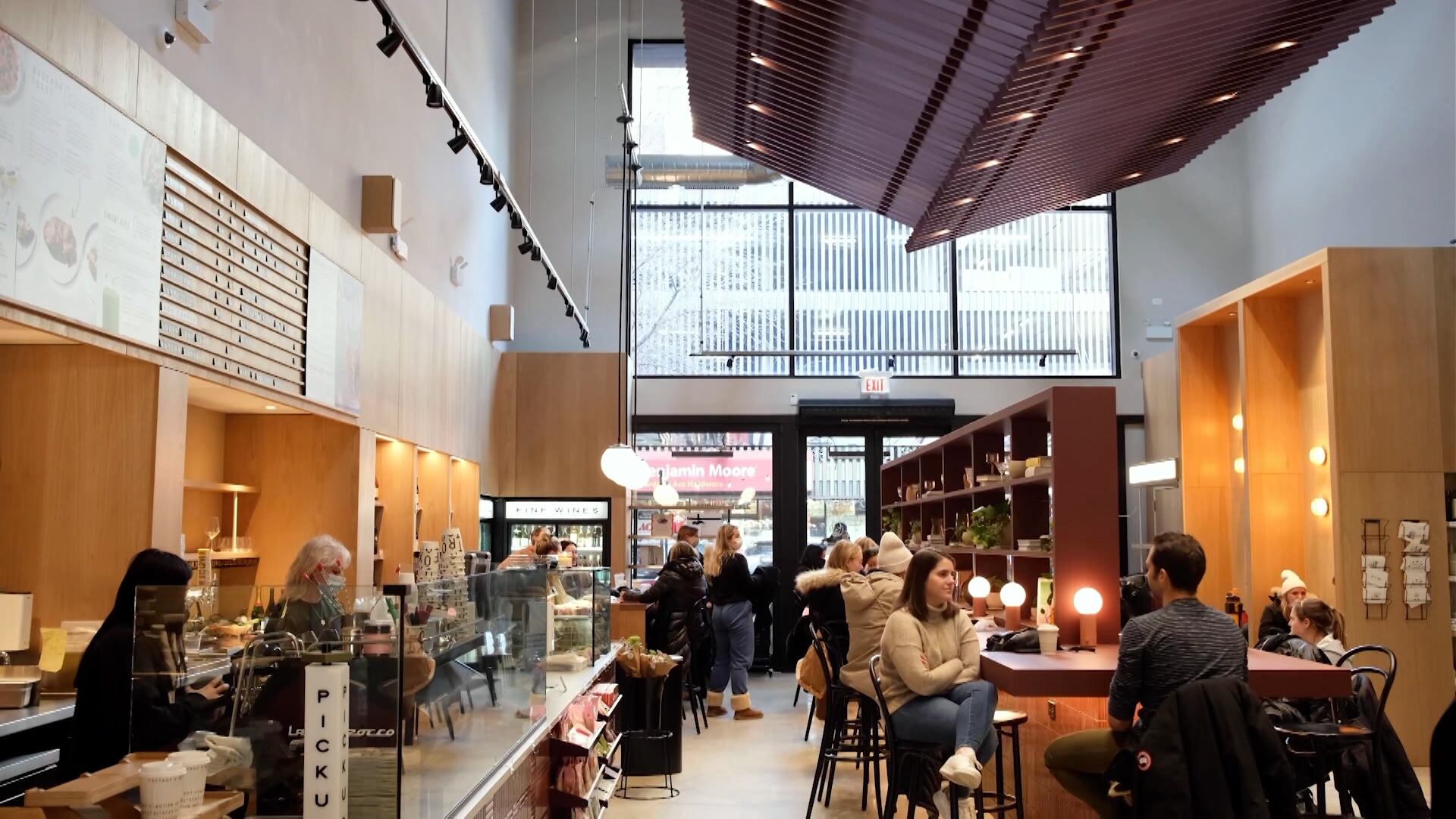
Retail platform operator and delivery company, Foxtrot,
raised $100 million in a Series C round led by D1 Capital Partners. Foxtrot bills itself as the modern convenience store that combines what it calls in-store curated discovery with 30-minute delivery and 5-minute pickup. Since launching first as a digital-only delivery service, the company has since grown into a popular local retailer, opening 16 brick and mortar locations across Chicago, Dallas, and Washington, DC. Foxtrot co-founder and CEO Michael LaVitola joined Cheddar News' Closing Bell to discuss.
The January 6 committee has subpoenaed four tech giants for more information on what they did and didn't do leading up to last year's deadly Capitol insurrection. Google, Facebook, Twitter, and Reddit were asked to assist the investigation in August, but the committee says their responses have been 'inadequate.' Craig Timberg, a national technology reporter at the Washington Post, joins Cheddar News' Closing Bell for more details about the subpoenas, why this is happening now, and how it might impact social media companies moving forward.
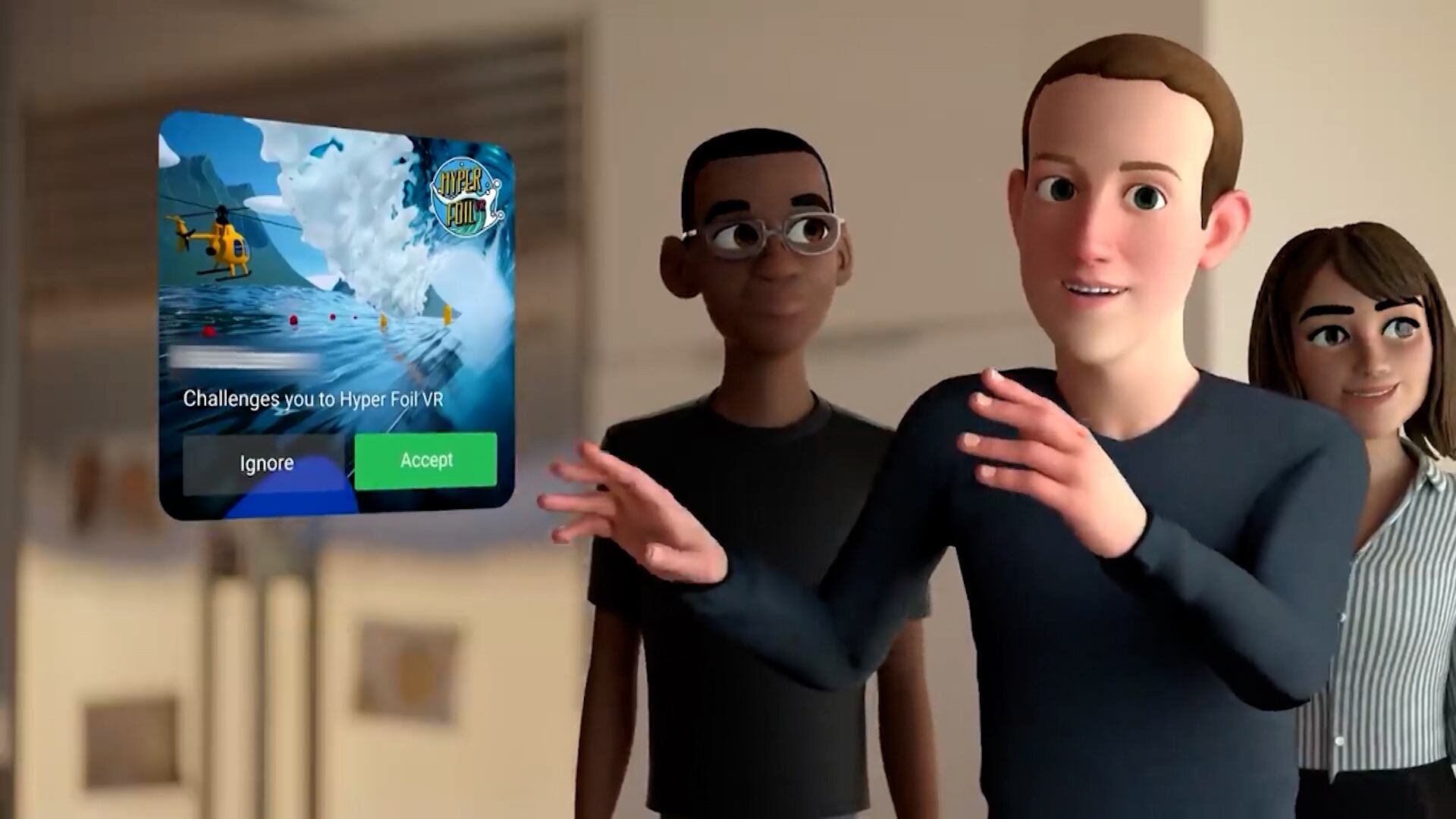
As Meta and Microsoft ramp up their AR and VR tech futures, analysts have been waiting on word from Apple, but the consumer tech giant is reportedly delaying such an announcement. Doug Astrop, a managing partner at Exponential Investment Partners, joined Cheddar to dive into the rumors about the possibilities of a foray into the metaverse by Tim Cook's megacorp sometime in 2022 or 2023. "We can't really predict with a great deal of certainty how it's going to play out, but I'm confident Apple's going to be a big player and do very well in any scenario that unfolds," said Astrop.
Makena Kelly, politics reporter at The Verge, joins Cheddar News to discuss what's next for net neutrality as Biden's other nominee for the FCC, Gigi Sohn, awaits votes from the committee and Senate.
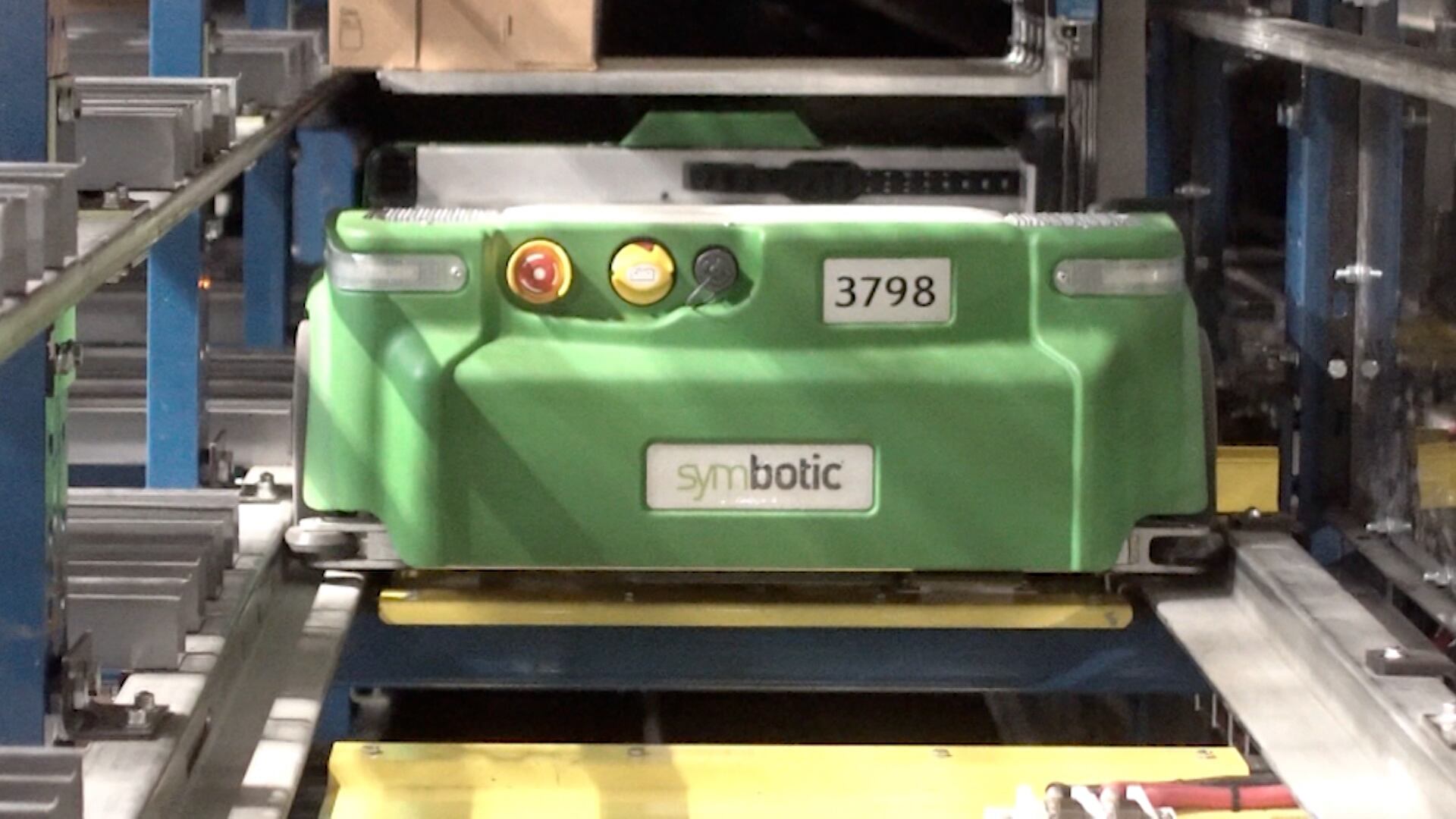
Specializing in AI, robotics, and automation for the global supply chain, Symbotic announced last month it will be tapping the public markets in a SPAC deal with investment giant SoftBank. Symbotic CFO Tom Ernst and Vikas Parekh, a managing partner at SoftBank Investment Advisers spoke with Cheddar about going public and the future of modernizing logistics amid the constrained supply networks. "The supply chain is fundamentally broken," said Ernst. "By employing the best in modern technology for autonomous vehicles and artificial intelligence, we're able to fundamentally rethink the way in which you receive and store and sort goods, making for a dramatically more efficient supply chain."
Michael Hershfield, Founder & CEO of Accrue Savings, joined Wake Up With Cheddar to discuss the company's new round of funding, and its core mission of rewarding consumers for saving rather than taking on more debt with buy now, pay later options.