European Union regulators accused Apple on Friday of violating the bloc's antitrust laws, alleging the iPhone maker distorts competition for music streaming by imposing unfair rules for rival services in its App Store.
The EU's executive Commission said it objected to Apple's rules for music streaming services that compete with its Apple Music service, saying they end up costing consumers more and limiting their choices.
The charges underscore the pressure Apple faces from EU regulators in Brussels, who have opened multiple investigations into the company. It also highlights the long-running feud between Apple and popular music streaming service Spotify over payments and app distribution.
One of the main concerns outlined by the EU centers on Apple's practice of forcing app developers selling digital content to use its in-house payment system, which charges a 30% commission on all subscriptions.
The EU's investigation, which was sparked by a complaint from Spotify, found that fees end up being passed on to consumers.
A second EU concern is that Apple prevents developers from telling users about cheaper ways to pay for subscriptions that don’t involve going through an app.
Apple rejected the charges, saying it was proud of its role in helping Spotify grow into a music streaming giant. The company also noted that Spotify doesn't pay Apple a commission for 99% of its paid subscribers.
“Once again, they want all the benefits of the App Store but don’t think they should have to pay anything for that,” Apple said in a statement. "The Commission’s argument on Spotify’s behalf is the opposite of fair competition.”
The EU’s competition commissioner, Margrethe Vestager, said while Spotify had grown despite Apple's rules, they appeared to hurt smaller music streaming players like Deezer and Soundcloud.
“Our concern is that Apple distorts competition in the music streaming market to the benefit of its own music streaming service, Apple Music," she told reporters in Brussels.
Vestager noted that Apple Music isn't subject to the same rules, which hurts rivals by raising their costs, reducing their profit margins and making them less attractive on the App Store. She said the problem is not the fee itself, but that Apple only charges it on payments for digital content and not other services such as transport or food deliveries. The EU's investigation found it typically pushed up the price of a monthly subscription to 12.99 euros ($15.70) from 9.99 euros, she said.
Apple's ban on communicating with customers means app makers can't get the same insights into their users that Apple does, such as the reason for canceling a subscription, Vestager said.
“Not only are they not allowed to mention their websites or any link to them in their own apps,” Vestager said. “They are also not allowed to send emails to users that created an account in the app in order to inform them about cheaper alternatives."
Apple has 12 weeks to respond to the EU's objections. Under EU competition law, companies could offer a remedy — Vestager indicated she thought “Apple should end the infringement" and not do anything that would have the same effect. Or else, companies could be fined up 10% of their annual revenue for breaches. For Apple, which reported $274.5 billion in revenue in its latest financial year, that could mean a fine of up to $27.4 billion.
Spotify welcomed the EU's move. It's "a critical step toward holding Apple accountable for its anticompetitive behavior, ensuring meaningful choice for all consumers and a level playing field for app developers,” the company's chief legal officer, Horatio Gutierrez, said in a statement.
Updated on April 30, 2021, at 11:12 a.m. ET with the latest details.
Jared Madfes, Partner at Tribe Capital, joins Cheddar's Closing Bell, where he says crypto investors should continue to focus on the long-term despite the recent price boost in the hours following Wednesday's Fed decision.
Mobile bill payment application Papaya recently raised $50 million in a series B round led by Bessemer Venture Partners.
Papaya lets users take a photo of any bill, and the app's AI-powered 'bill understanding technology' pays the bill in seconds. The company says its goal is to help people spend more time on things that matter, by making bill-paying as painless and quick as possible. Papaya CEO and co-founder Patrick Kann joined Cheddar News' Closing Bell to discuss.
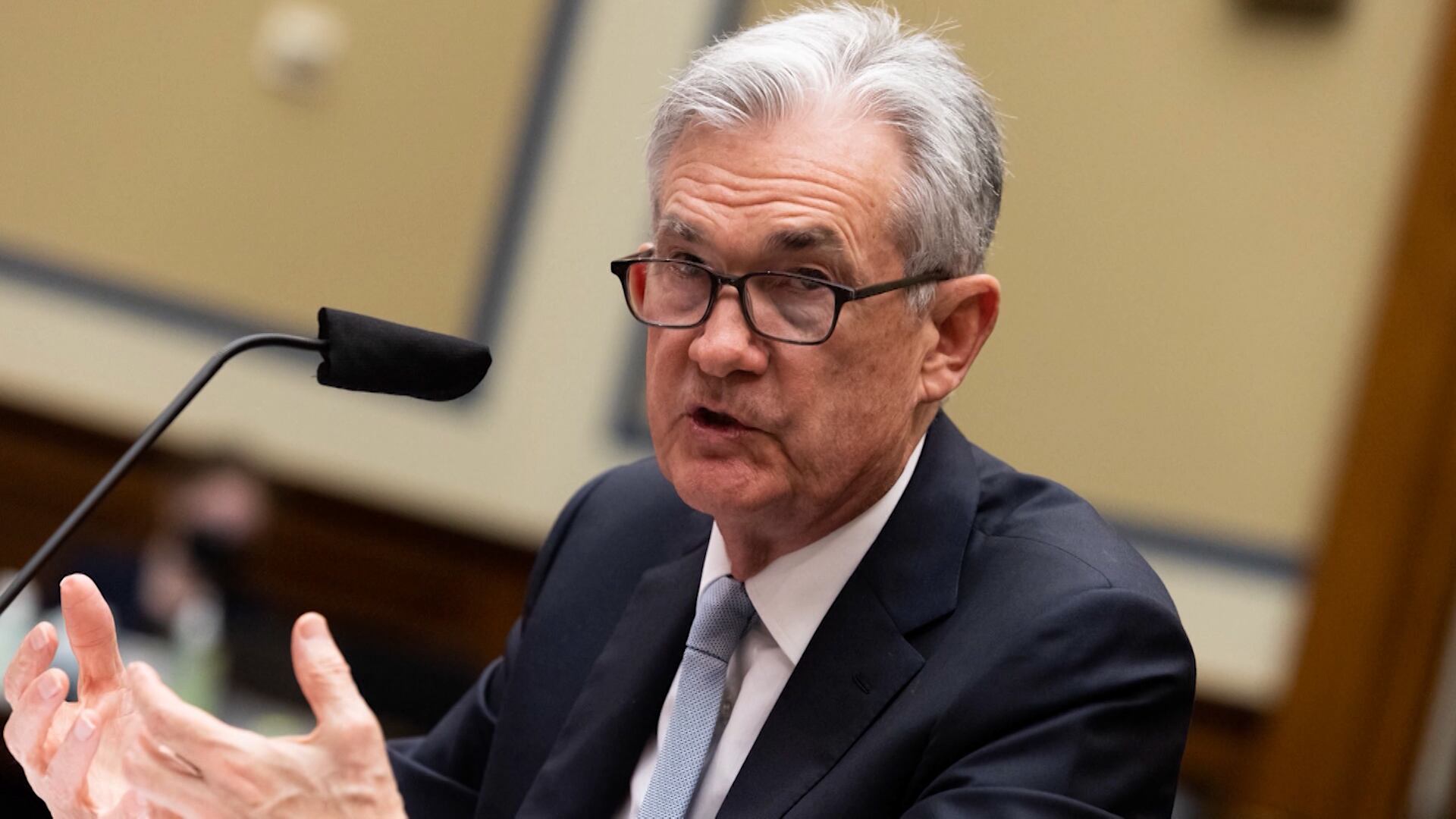
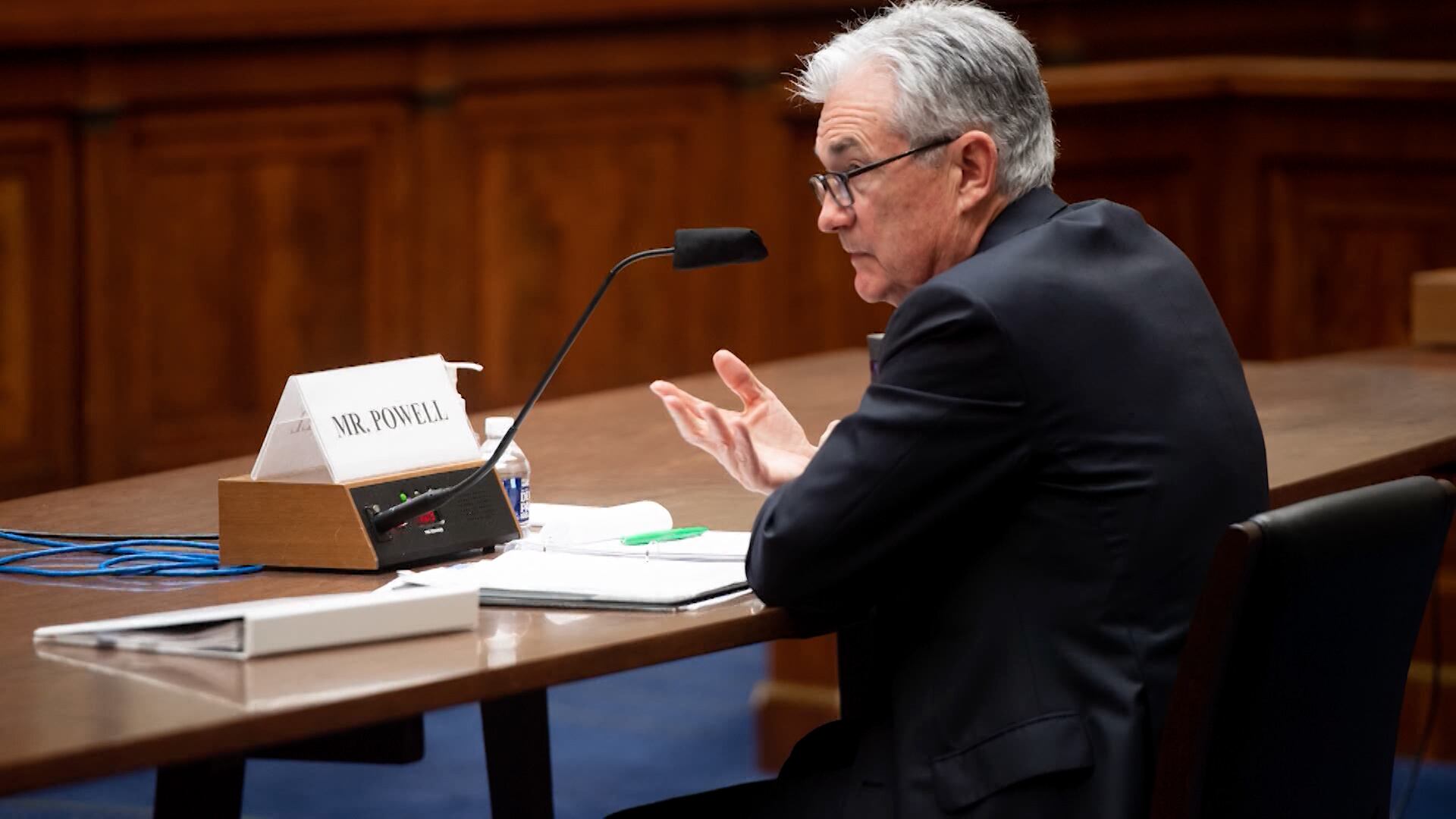
Markets jumped on the Federal Reserve's announcement it would speed up its tapering timeline and institute three rate hikes in 2022 — but that was before the COVID-19 omicron variant seemed to be a threat. This announcement also comes as it took the central bank a number of weeks to recognize that inflation does not seem to be transitory as consumers feel price pressure across the board. Bill Adams, senior economist at PNC, joins Cheddar News' Closing Bell to discuss the Fed's moves, how the ongoing pandemic could continue to impact the economy, the Fed's dual mandate, and more.
Delta Air Lines CFO Dan Janki joined Cheddar's Kristen Scholer to talk about the airline's 2022 outlook on its Capital Markets Day as the travel industry recovers from pandemic disruptions. The airline projects a return to profitability next year despite the emergence of the omicron variant during the peak holiday season. Janki said that there had been no impact on domestic travel as of yet, but the company is remaining vigilant for any change. He did note that there had been some international fallout as countries implemented travel restrictions.
Tom Shannon, Bowlero CEO, joined Cheddar to discuss the decision to bring the company to the New York Stock Exchange via a SPAC merger with Isos Acquisition Corporation. Shannon said one of the goals of the public offering is to expand operations internationally, noting that Bowlero has the potential to reach worldwide markets due to the sport's popularity. "Bowling is a global market, and I'll give you an example. In South Korea, there are three million league bowlers and 1,200 bowling centers in South Korea alone," he said.
If you're looking for a date, 2022 might be your year. Online dating platform Bumble is buzzing with dating predictions from its latest survey. Shan Boodram, sex and relationships expert at Bumble, joined Cheddar to discuss some of the findings and what people can expect from the future dating landscape. Some of the results showed that public displays of affection are back on the rise as more people get vaccinated and that more users are opting for alcohol-free first dates. She also explained the trend of "explori-dating," a way that users are attempting to get out of their comfort zone. "People are willing to date outside of their city to get to that," she said.
Anthony Martini, Chief Music Officer of Slip.stream, and Jesse Korwin, CMO of Slip.stream, talk about the challenges creators have uploading music on Twitch and how 'Slip.stream' prioritizes artists by streamlining the licensing process.
Cheddar is looking back at the 12 biggest buzzwords of the year leading up to Christmas. The seventh term in the countdown is Transitory. Definition: (adjective) of brief gratification, not permanent.
More businesses are requiring workers to return to the office, but there is concern that many employees in the middle class, especially women and people of color, need remote work options for reasons including childcare and financial security. Joan Williams, director of the Center for WorkLife Law at the University of California, joined Cheddar to discuss why office mandates could be detrimental to the middle class. She noted that while companies claim a return to offices would help foster more collaboration and efficiency, reports show that they are successfully able to do their jobs from home.
Fresh Vine Wine, a maker of low-carb, low-calorie, and gluten-free wines, made its public debut on the NYSE. Celeb do-owners Nina Dobrev and Julianne Hough, alongside CEO Janelle Anderson, joined Cheddar's Azia Celestino to talk about their partnership, the decision to launch an IPO, and tout the healthy lifestyle market their product is going for.