European Union regulators accused Apple on Friday of violating the bloc's antitrust laws, alleging the iPhone maker distorts competition for music streaming by imposing unfair rules for rival services in its App Store.
The EU's executive Commission said it objected to Apple's rules for music streaming services that compete with its Apple Music service, saying they end up costing consumers more and limiting their choices.
The charges underscore the pressure Apple faces from EU regulators in Brussels, who have opened multiple investigations into the company. It also highlights the long-running feud between Apple and popular music streaming service Spotify over payments and app distribution.
One of the main concerns outlined by the EU centers on Apple's practice of forcing app developers selling digital content to use its in-house payment system, which charges a 30% commission on all subscriptions.
The EU's investigation, which was sparked by a complaint from Spotify, found that fees end up being passed on to consumers.
A second EU concern is that Apple prevents developers from telling users about cheaper ways to pay for subscriptions that don’t involve going through an app.
Apple rejected the charges, saying it was proud of its role in helping Spotify grow into a music streaming giant. The company also noted that Spotify doesn't pay Apple a commission for 99% of its paid subscribers.
“Once again, they want all the benefits of the App Store but don’t think they should have to pay anything for that,” Apple said in a statement. "The Commission’s argument on Spotify’s behalf is the opposite of fair competition.”
The EU’s competition commissioner, Margrethe Vestager, said while Spotify had grown despite Apple's rules, they appeared to hurt smaller music streaming players like Deezer and Soundcloud.
“Our concern is that Apple distorts competition in the music streaming market to the benefit of its own music streaming service, Apple Music," she told reporters in Brussels.
Vestager noted that Apple Music isn't subject to the same rules, which hurts rivals by raising their costs, reducing their profit margins and making them less attractive on the App Store. She said the problem is not the fee itself, but that Apple only charges it on payments for digital content and not other services such as transport or food deliveries. The EU's investigation found it typically pushed up the price of a monthly subscription to 12.99 euros ($15.70) from 9.99 euros, she said.
Apple's ban on communicating with customers means app makers can't get the same insights into their users that Apple does, such as the reason for canceling a subscription, Vestager said.
“Not only are they not allowed to mention their websites or any link to them in their own apps,” Vestager said. “They are also not allowed to send emails to users that created an account in the app in order to inform them about cheaper alternatives."
Apple has 12 weeks to respond to the EU's objections. Under EU competition law, companies could offer a remedy — Vestager indicated she thought “Apple should end the infringement" and not do anything that would have the same effect. Or else, companies could be fined up 10% of their annual revenue for breaches. For Apple, which reported $274.5 billion in revenue in its latest financial year, that could mean a fine of up to $27.4 billion.
Spotify welcomed the EU's move. It's "a critical step toward holding Apple accountable for its anticompetitive behavior, ensuring meaningful choice for all consumers and a level playing field for app developers,” the company's chief legal officer, Horatio Gutierrez, said in a statement.
Updated on April 30, 2021, at 11:12 a.m. ET with the latest details.
Facebook parent Meta reported disappointing results in its first quarterly earnings report since rebranding to focus on the metaverse. The tech giant delivered mixed results with quarterly profit falling well below Wall Street expectations. Shares plunged more than 20 percent in after hours trading as a result. Martin Garner, COO of CCS Insight, joined Cheddar Movers to break down the company's results.
Karyn Cavanaugh, Chief Investment Officer at Carolinas Wealth Management, breaks down which industries investors should watch this earnings season and highlights which sectors have upside potential.
Super Group, the company behind leading global online sports betting and gaming businesses Betway and Spin, has landed on Wall Street. The company went public via SPAC with Sports Entertainment Acquisition Corp., and now lists on the NYSE under the ticker symbol 'SGHC.' This debut comes as the U.S. sports betting market continues to heat up with more and more states legalizing the practice. Eric Grubman, chairman of Super Group, joined Cheddar to discuss.
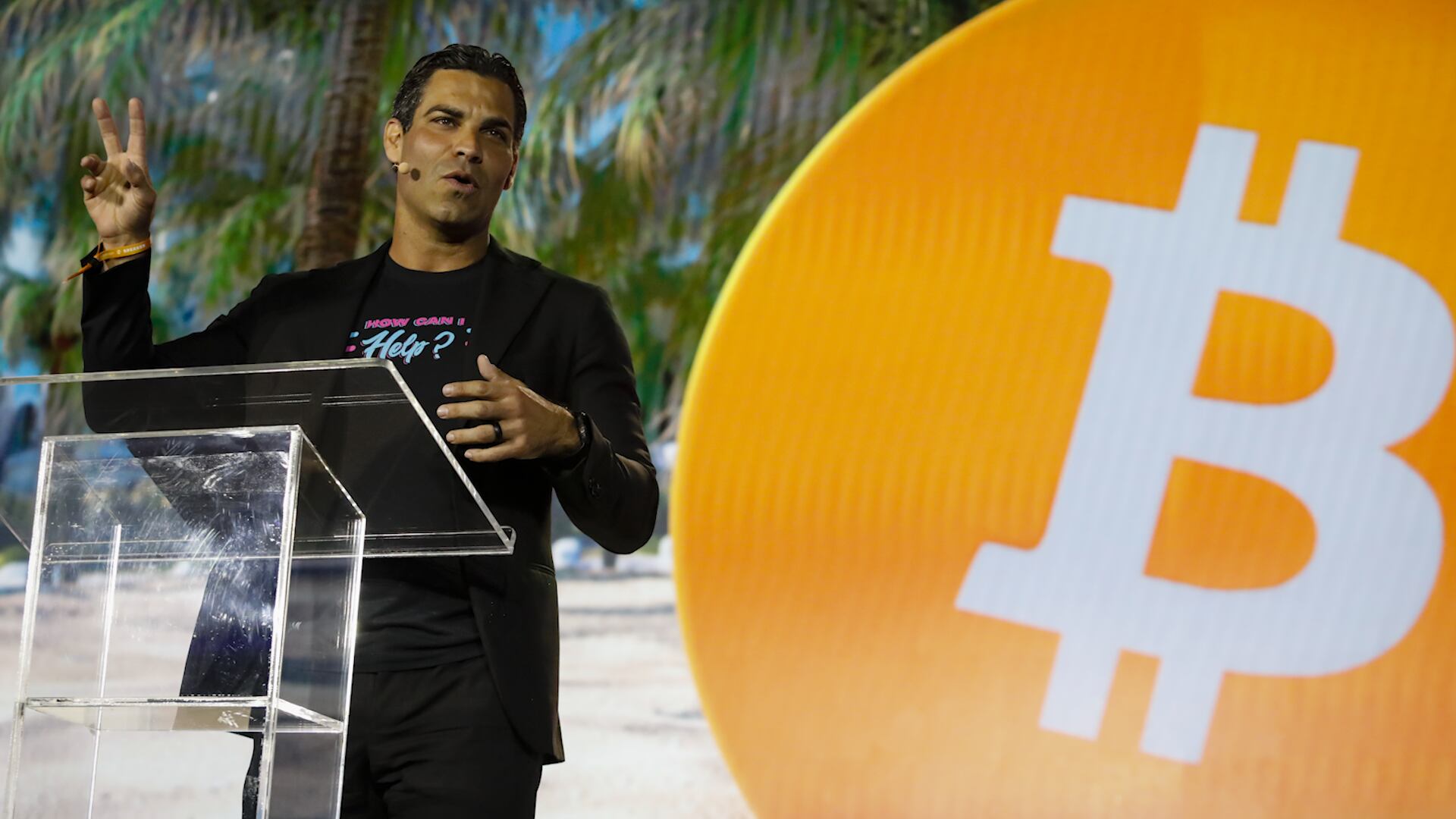
Miami wants to be the crypto capital of the world. Mayor Francis Suarez has gone all in on the blockchain, even accepting one of his first paychecks in Bitcoin, hosting one of the world's largest digital cryptocurrency conferences, and marketing Miami as a great place for tech experts to work. Maja Vujinovic, managing director of OGroupLLC, joined Cheddar's Fast Forward to discuss Miami's enthusiasm toward crypto, some of the potential risks that entails, and where the city might be heading when it comes to the crypto takeover.
Like so many other cities, Miami experienced a tourism boom over the summer after vaccines were distributed. But, the Omicron variant has thrown the travel industry for a loop. David Whitaker, president and CEO of the Greater Miami Convention and Visitors Bureau, joined Cheddar to discuss the city as a tourist destination, and how it has handled headwinds from the pandemic.
Miami's real estate market has boomed since early 2020, thanks to an overall strong housing market, remote work, and no income tax as incentives. The city is preparing to welcome even more residents as people relocate to warmer climates to work from home. Garrett Derderian, director of market intelligence at SERHANT, joined Cheddar to discuss the Magic City's red hot market.
Rockstar Energy, a subsidiary of Pepsico, unveiled its new beverage brand, Rockstar Unplugged, changing up the energy drink formula with hemp seed oil as an ingredient. PepsiCo Energy CMO Fabiola Torres joined Cheddar News to talk about how the product promotes “good vibes” and allows consumers to unwind and discuss partnering with "MTV Unplugged" for a concert series. "We couldn't find a better partnership that MTV," she said. "MTV Unplugged has been such an iconic proposition … and we believe that we're the right partners because the insight of our proposition for Rockstar Unplugged comes from music.
Eight months after the National Football League announced $1 million in research into cannabinoids, the NFL-NFLPA Joint Pain Management Committee has awarded the funding to two teams of medical researchers at the University of California San Diego and the University of Regina. The NFL says the studies will investigate the effects of cannabinoids on pain management and neuroprotection from concussion in elite football players, respectively. Cheddar correspondent Chloe Ailello spoke with Jeff Miller, the executive vice president of communications, public affairs, and policy for the NFL, about the studies, as well as the recent lawsuit filed against the NFL by former Miami Dolphins head coach Brian Flores. "Maybe we can learn things from other alternative pain approaches that are going to benefit our player population and then sports medicine as a whole," Miller said.
All Hands celebrates Black History Month by highlighting achievements in inclusivity and paying homage to those who have fought for equal rights. Rep. Maxine Waters (D-CA) joins Cheddar News to discuss voter suppression; Damali Peterman, CEO of Breakthrough ADR, elaborates on the biggest barriers for Black professionals; Andre Perry, senior fellow of Brookings Institution, dives into student loans and the racial wealth divide; and lastly, BET CEO Scott Mills discusses the company's initiatives for 2022.