Ethereum Founder on How Facebook Can Do Crypto Right
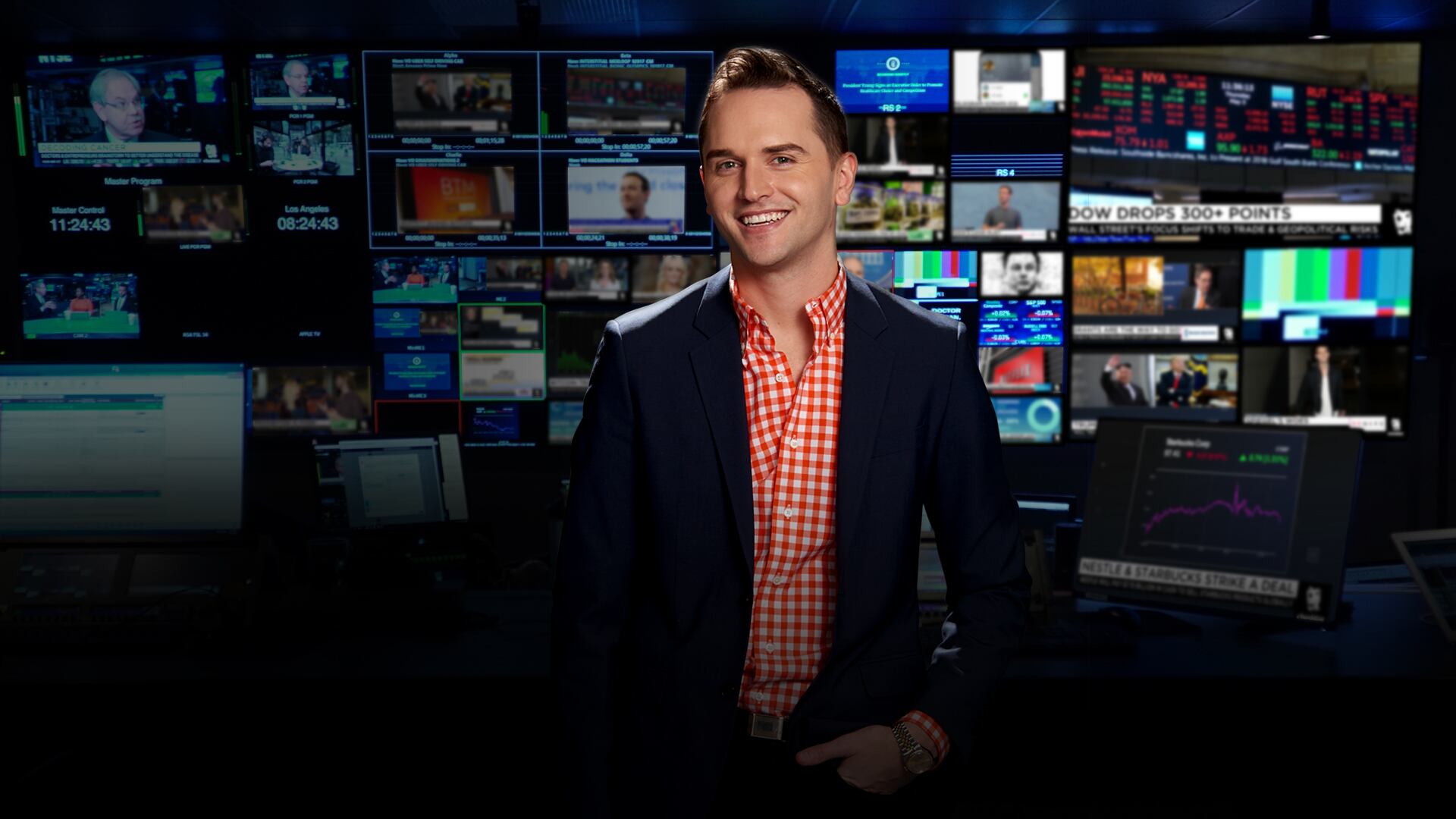
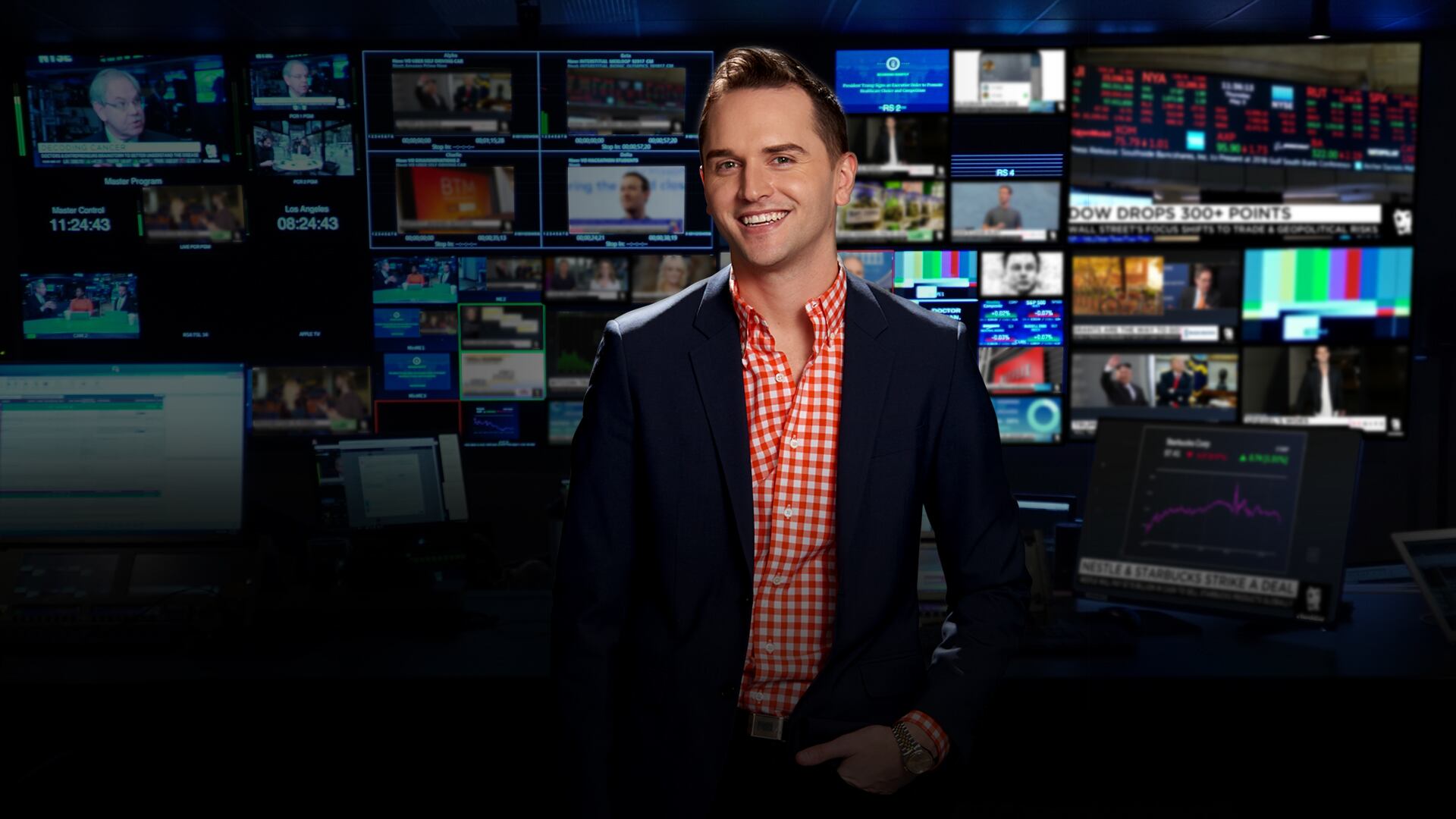
Facebook could use blockchain technology to overhaul its business model, giving users more control over how their data is used, said Joseph Lubin, the founder of the crypto platform Ethereum.
Using a decentralized ledger would allow Facebook users to “store their own personal data in encrypted form” and decide which companies have access to their information, Lubin said. Giving users more control over their information could increase the quality of Facebook's data.
“If you know that this data is protected well, you can put it on data markets and Facebook can potentially participate in those sorts of data markets,” Lubin said Monday in an interview with Cheddar.
A new Ethereum-based system, uPort, is already providing this service. Users can store all of their data in a secure "wallet" that can be used to log in to other apps and make digital transactions.
Last week, Cheddar [reported](https://cheddar.com/videos/facebook-plans-to-create-its-own-cryptocurrency) that Facebook may be building its own cryptocurrency, part of the social media company's exploration of how to use blockchain technology.
For the full interview, [click here](https://cheddar.com/videos/ethereum-co-founder-joseph-lubin-2).
You could be seeing more electric delivery vans on the road soon. Walmart and FedEx have inked deals with GM's all-electric brand BrightDrop to add thousands of vehicles to their fleets. Walmart has reserved 5,000 vans for the first time, while FedEx is expanding an initial order of 500 vehicles. Michael Zimmerman, partner and head of logistics at Kearney, joined Cheddar to discuss what this means for the electric vehicle market moving forward.
After nearly a century, General Motors is no longer the top-selling automaker in America. Toyota has dethroned the long-reigning champ to become the leader in U.S. auto sales for the first time, and the first non-domestic automaker to take that title. The Japanese automaker outsold GM by about 114,000 vehicles, or 5% more, in 2021. Al Root, senior writer for Barron's, joined Cheddar to discuss the meaning behind these numbers.
This year's worldwide semiconductor shortage limited the supply of everything from new cars to smart phones.
Looking ahead, several experts in the chip industry expect the shortage to continue deep into 2022, and maybe even 2023. Syed Alam, Accenture's Global Semiconductor Lead, joined Cheddar Movers to discuss.
The National Highway Traffic Safety Administration is investigating roughly 580,000 Tesla vehicles due to their front touch screen 'passenger play' gaming feature amid concerns over possible distracted driving. The investigation covers Tesla models ranging from the years 2017-2022. Brian Moody, Executive Editor at Autotrader, joined Cheddar Movers for more.
After a two-week delay of 5G deployment at airports due to the airline industry's claims it will cause "catastrophic disruption," AT&T and Verizon are set to roll out the service on January 19. Michael Boyd, CEO of aviation consultancy Boyd Group International, joined Cheddar to discuss the concerns being voiced by the airlines. "If the airline industry thinks it's going to be something to disrupt our system or impair safety, it shouldn't roll out at all, period," Boyd said, noting that the telecom giants should rethink the activation over safety and security.
Breakthrough Energy Catalyst, a private-public fund backed by Bill Gates, is planning to invest up to $15 billion in clean technology initiatives across the U.S., UK, and European Union. It will target four key areas and help fund large projects that otherwise would not be financially possible. Bobby Hollis, Director of Breakthrough Energy Catalyst, joins Cheddar News' Closing Bell to discuss.