The volatility in cryptocurrencies has made even seasoned investors do a double-take. But for Ethereum co-founder Joseph Lubin, those fluctuations are just the natural consequence of people starting to understand how profoundly the decentralized platform will change information technology.
“We’re moving from a world in which we’re constrained by the database technology...to a world in which we can gather different groups and sectors and industries...to build shared infrastructure,” Lubin said in an interview with Cheddar at SXSW.
“That’s a profound idea...When people see that, the general fear/greed dynamics of humans start to kick in, and we tend to overshoot price and oscillate for a while until we settle at a reasonable price.”
To Lubin, though, the volatility isn’t necessarily a bad thing. The sudden uptick in prices for cryptocurrencies “drew entrepreneurs and technologists, security auditors, and value and money into our ecosystem,” he said.
Lubin compares this rush to the dotcom era.
“When you throw a ton of value like that into an ecosystem, you give the fuel on which to build foundational elements.”
Last year, investors jumping into the space drove up prices for tokens like Bitcoin to a peak of around $20,000. Since then, concerns over regulation have brought it back down to around $9,000.
Ethereum, the second largest cryptocurrency by market cap, saw a similar rise and fall. But Lubin took issue with calling that a “crash”, pointing out that the coin started 2017 at under $9, and that the recent correction may have been more of a reversion to the mean.
For the full interview, [click here](https://cheddar.com/videos/consensys-and-the-ethereum-project).
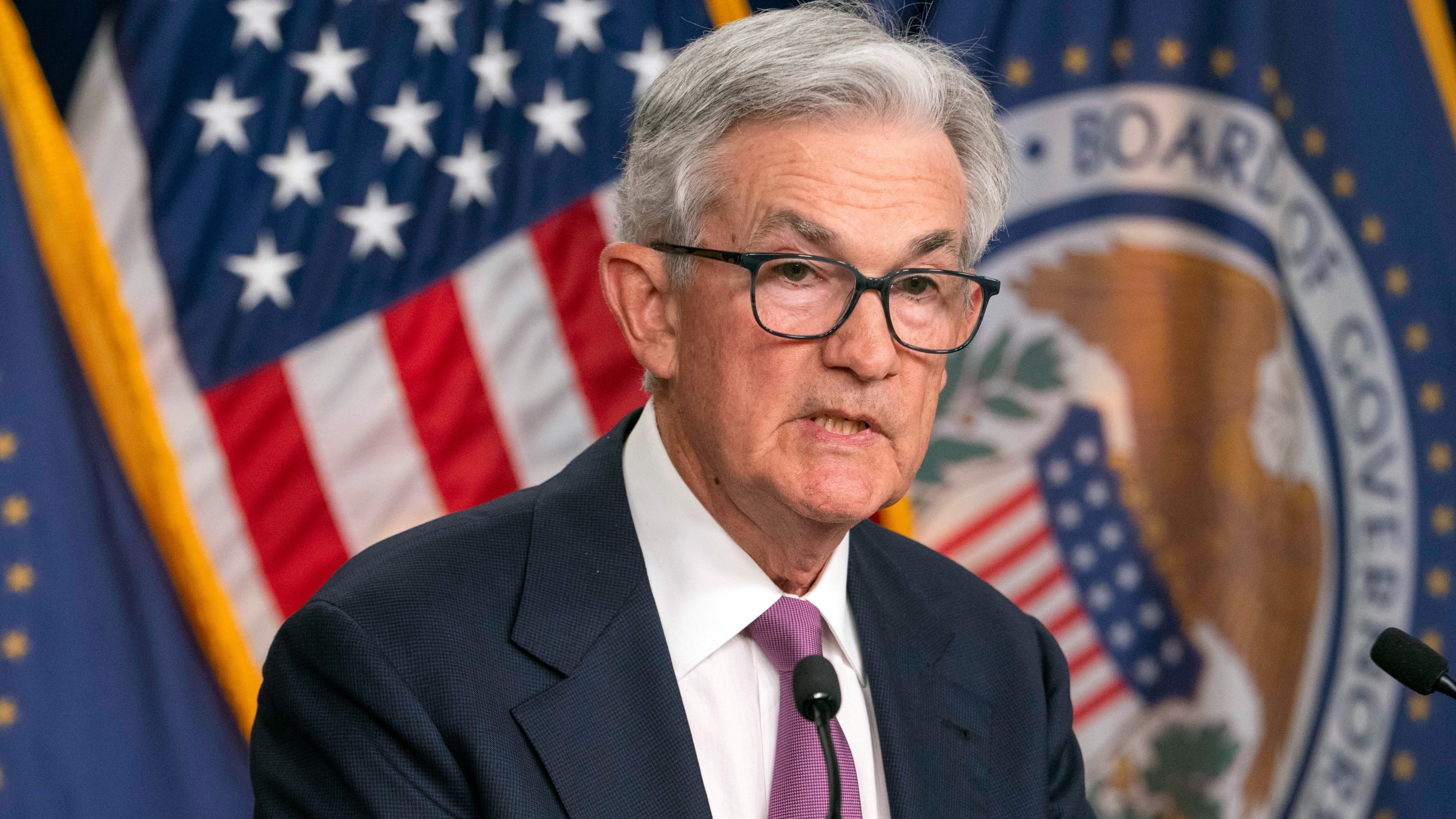
As the country watches the financial situation and monitors decisions from the Federal Reserve, many may be re-evaluating what to do with their money, with interest and mortgage rates at some of the highest levels seen in decades. Mark Hamrick, Washington bureau chief and senior economic analyst with Bankrate, joined Cheddar News to provide tips on your money management as monetary policy continues to change.
A Dutch recruitment firm found that only 42% of employees who have been laid off this year actually received severance, down from 64% who received severance in 2021.
Direct deposit delays due to a human error that happened last week have resulted in some customers still not receiving their paychecks.
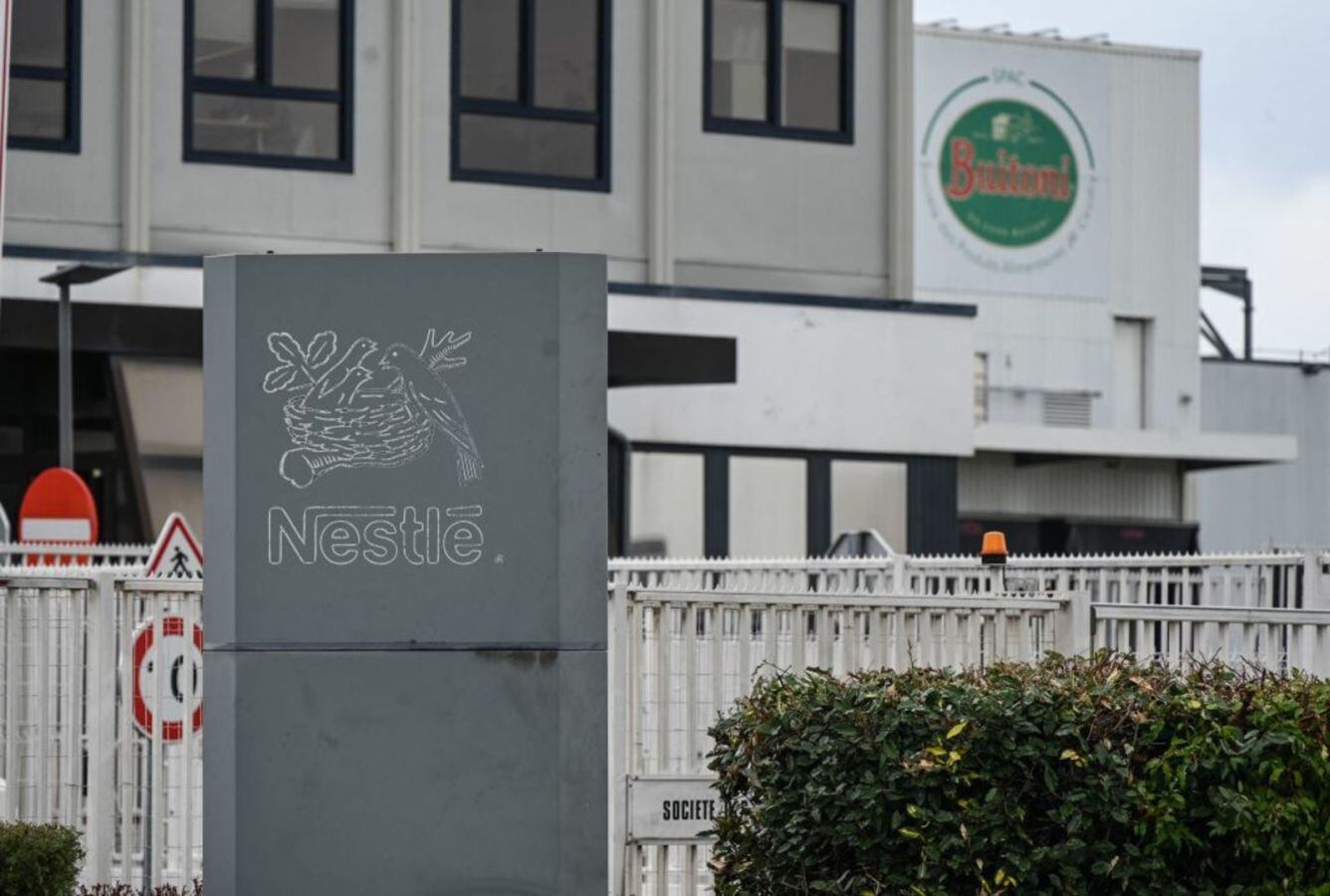
Nestle is reportedly investing $100 million in food delivery startup Wonder Group.
Arturo Béjar testified before a Senate subcommittee on Tuesday about social media and the teen mental health crisis, hoping to shed light on how Meta executives, including Zuckerberg, knew about the harms Instagram was causing but chose not to make meaningful changes to address them.
Nike is suing two of its competitors for alleged patent infringement.
Uber missed analysts' projections for earnings per share and revenue this past quarter. Cheddar News takes a closer look at the numbers and explains what to expect for the rest of the fiscal year.
Cheddar News breaks down some of the top business stories to look out for, including WeWork's bankruptcy filing and fast-fashion retailer Shein reportedly expecting a $90 million valuation upon its market debut. Plus, a new EV truck will have a backup gas generator.
WeWork has filed for Chapter 11 bankruptcy protection.
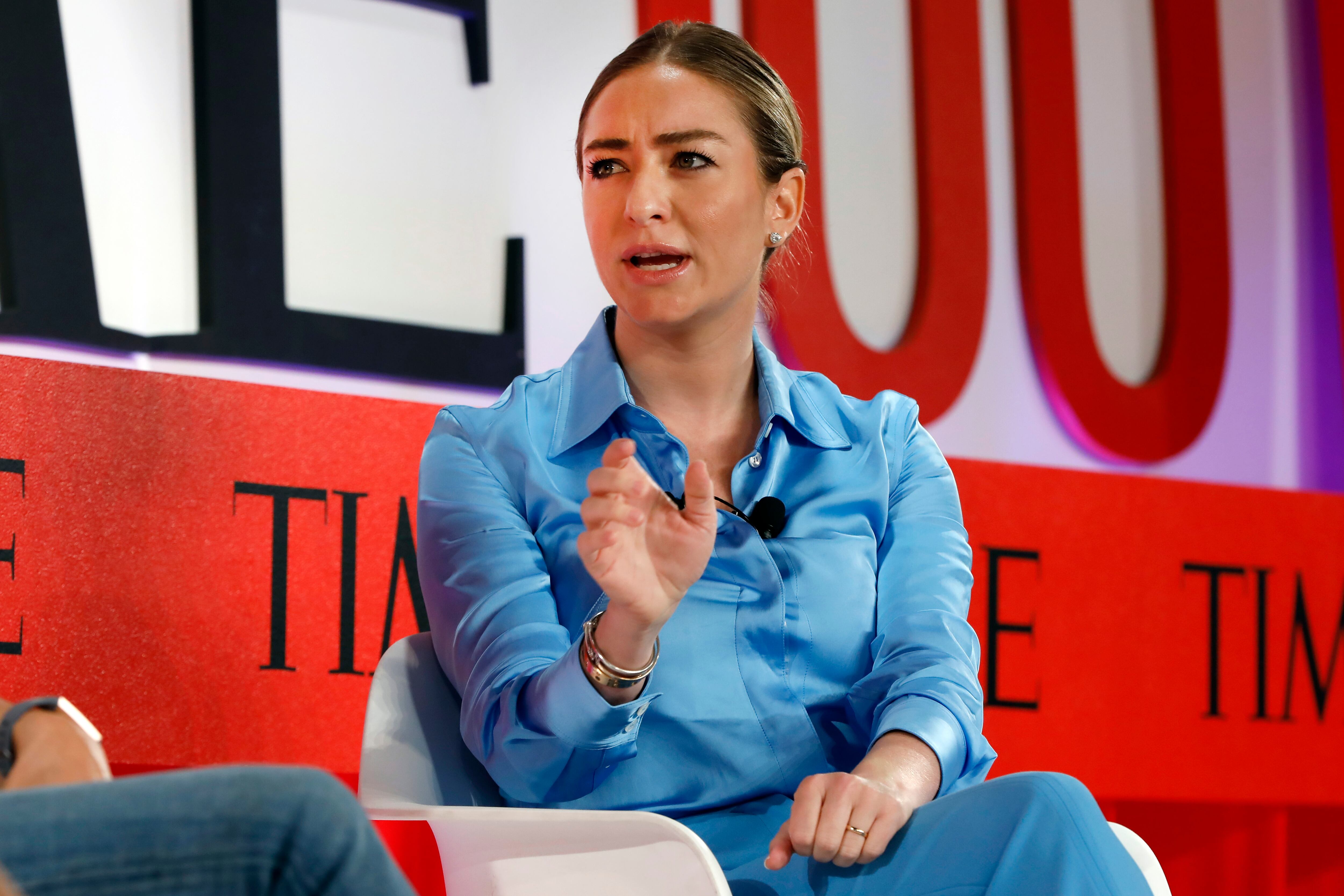
Bumble, the female-focused dating app, announced that Whitney Wolf Hurd, the company's founder and CEO, will step down in January.