Ethereum Co-founder on the Cryptocurrency Rush and Volatility
The volatility in cryptocurrencies has made even seasoned investors do a double-take. But for Ethereum co-founder Joseph Lubin, those fluctuations are just the natural consequence of people starting to understand how profoundly the decentralized platform will change information technology.
“We’re moving from a world in which we’re constrained by the database technology...to a world in which we can gather different groups and sectors and industries...to build shared infrastructure,” Lubin said in an interview with Cheddar at SXSW.
“That’s a profound idea...When people see that, the general fear/greed dynamics of humans start to kick in, and we tend to overshoot price and oscillate for a while until we settle at a reasonable price.”
To Lubin, though, the volatility isn’t necessarily a bad thing. The sudden uptick in prices for cryptocurrencies “drew entrepreneurs and technologists, security auditors, and value and money into our ecosystem,” he said.
Lubin compares this rush to the dotcom era.
“When you throw a ton of value like that into an ecosystem, you give the fuel on which to build foundational elements.”
Last year, investors jumping into the space drove up prices for tokens like Bitcoin to a peak of around $20,000. Since then, concerns over regulation have brought it back down to around $9,000.
Ethereum, the second largest cryptocurrency by market cap, saw a similar rise and fall. But Lubin took issue with calling that a “crash”, pointing out that the coin started 2017 at under $9, and that the recent correction may have been more of a reversion to the mean.
For the full interview, [click here](https://cheddar.com/videos/consensys-and-the-ethereum-project).
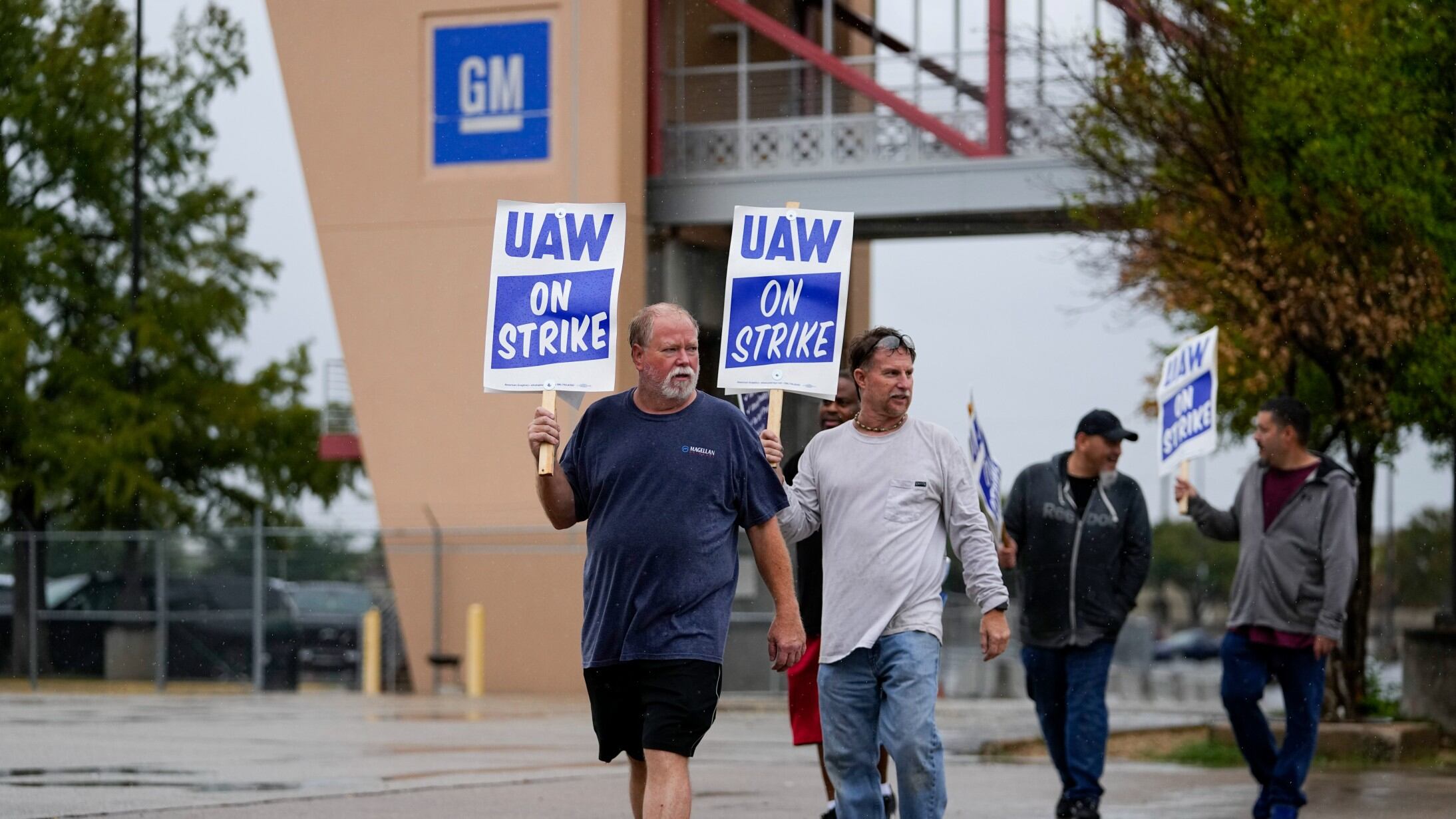
A $1 billion loss from a six-week strike did not crash GM's net income last year, which instead rose 12% — and the automaker expects improvement in 2024, too.
Accrue CEO and founder Michael Hershfield explains why Americans' credit card delinquencies are on the rise, advice on what can help, and the key difference between Boomers and Gen Z when it comes to money.
Senior Economist at Morning Consult Kayla Bruun shares thoughts on what to expect from the Fed's January meeting and where monetary policy is headed, as well as how consumers are faring.
Former Medtronic CEO and author of 'True North' Bill George explains the steps Boeing leadership must take to regain client and consumer trust after 737 Max 9 production was stopped.
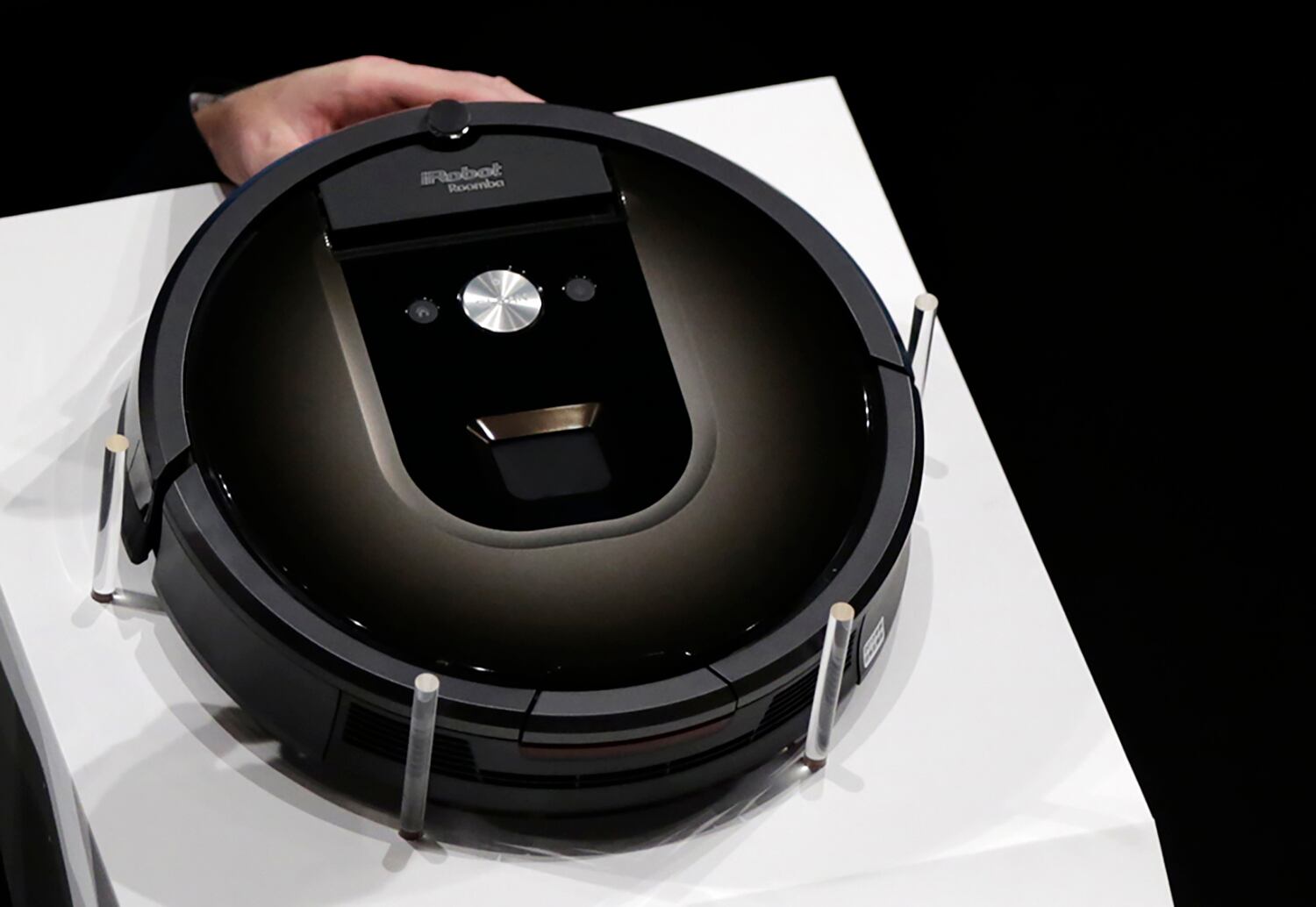
Amazon blamed "regulatory hurdles" for calling off its proposed acquisition of robot vacuum maker iRobot. Not even a Roomba could clean up the deal's antitrust scrutiny.
To celebrate Flutter Entertainment's debut on the NYSE, FanDuel CEO Amy Howe shares her thoughts on the company's plans for growth, the future of online sportsbetting, and Super Bowl Sunday.
Investopedia's Caleb Silver shares thoughts on the upcoming Fed meeting, why individual investors are still slightly skeptical, and what he's looking for from mega cap tech earnings.
Season's greetings! Tax season, that is. January 29 is the first day you can file your tax return. We walk you through each step — plus a checklist you can download.
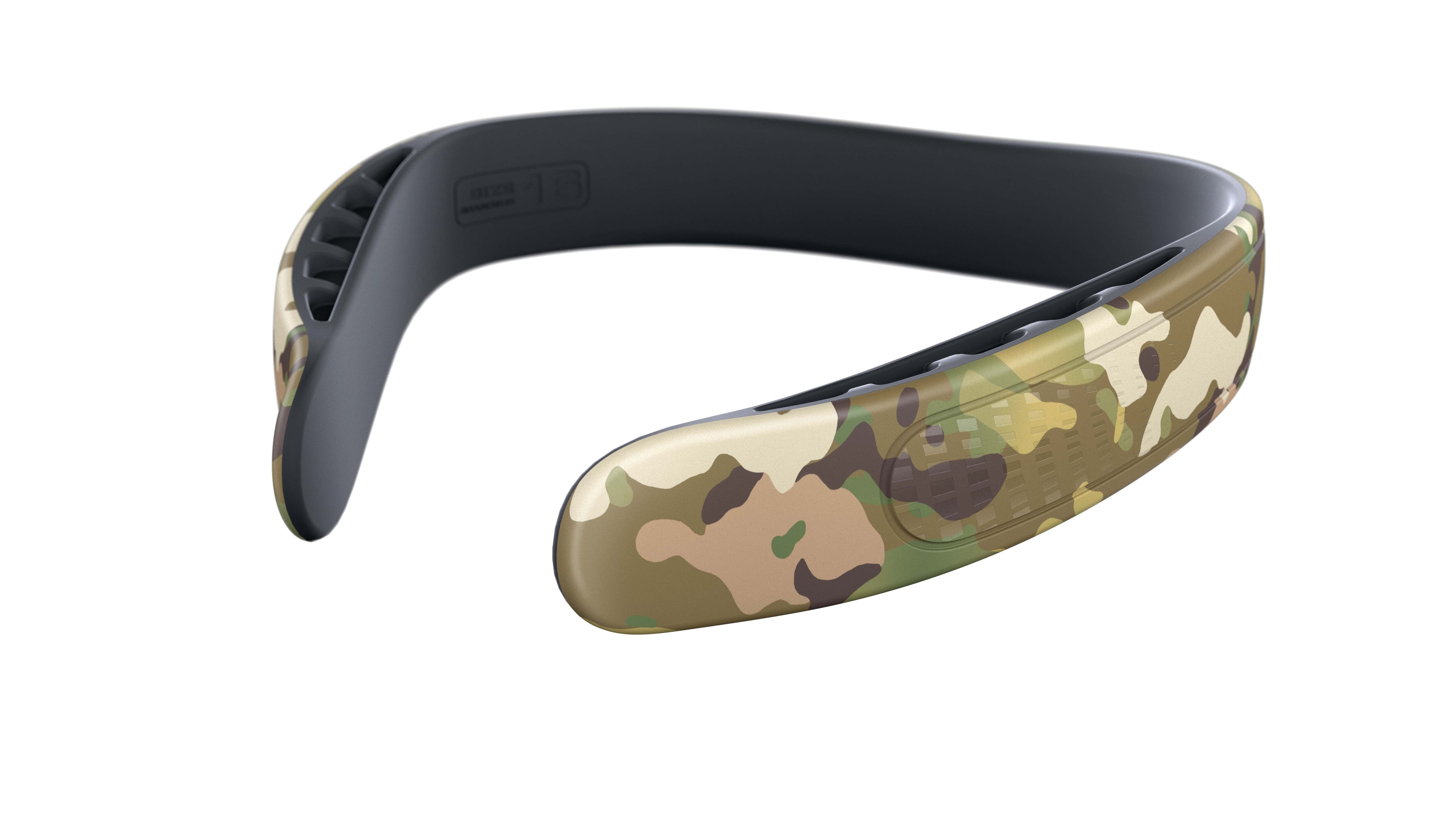
The Q-Collar helps protect athletes from impact-related concussions. Now, the U.S. Army is evaluating if the device could help reduce traumatic brain injury cased by blast weapons.