Endowment Offers $1 Million for Tech to Get Plastic Out of Oceans
*By Madison Alworth*
Ocean pollution is a problem only [expected](http://web.unep.org/unepmap/un-declares-war-ocean-plastic) to get worse, and the Endowment for Clean Oceans is hoping to find viable solutions to our plastic problem. So the organization is offering big money to citizens who want to clean up the environment.
"We have two contests," Daniel Perrin, the agency's founder, said Wednesday in an interview on Cheddar. "One is for $1 million for the best idea or technology to remove the plastic that's in the ocean now. And the second contest is for $5 million to create an economically viable, workable, biodegradable alternative to plastics."
There are [5 trillion pieces](https://www.forbes.com/sites/niallmccarthy/2017/03/21/the-worlds-oceans-are-infested-with-over-5-trillion-pieces-of-plastic-infographic/#159e83adab76) of plastic floating in the ocean. Interestingly, ocean pollution is one cause many voters seem to rally behind, regardless of political alignment. According to a recent survey from Zogby Analytics, [81 percent](https://www.businesswire.com/news/home/20180829005005/en/Finally-Divided-America-81-Agree-Poll-Commissioned) of voters polled were concerned about the plastic in the ocean.
ECO wants to encourage all inventors to get involved in solving that problem.
The competition and prizes will be divided among three groups. ECO is calling for submissions from "corporations and universities," "garage inventors," and "lower-school students." ECO anticipates that the corporation-university solution group will take home the $1 million prize, the garage inventor will receive a significant investment in their company, and the student will win a full scholarship to a school of his or her choice.
Pierre-Yves Cousteau has been tapped to be a judge for the ECO Science and Technology Committee. The son of world-renowned conservationist, author, and filmmaker Jacques-Yves Cousteau is [continuing](https://www.theatlantic.com/international/archive/2011/09/a-conversation-with-pierre-yves-cousteau-conservationist/244867/) his father's legacy of studying and protecting oceans.
"I've been diving all over the world for the past 15 years, and I have yet to do a single dive where I don't encounter plastic," Cousteau told Cheddar Wednesday.
Cousteau and Perrin hope the [competition](https://www.endowmentforcleanoceans.org/) will inspire inventors to think more creatively.
"The plastic technology hasn't changed for 50 years. It's about time we upgraded to a ceramic or something that, when it gets in the ocean, it will not stay for 600 years like some of the industrial fishing lines are now," Perrin said.
For full interview [click here](https://cheddar.com/videos/finding-a-solution-to-plastic-pollution).
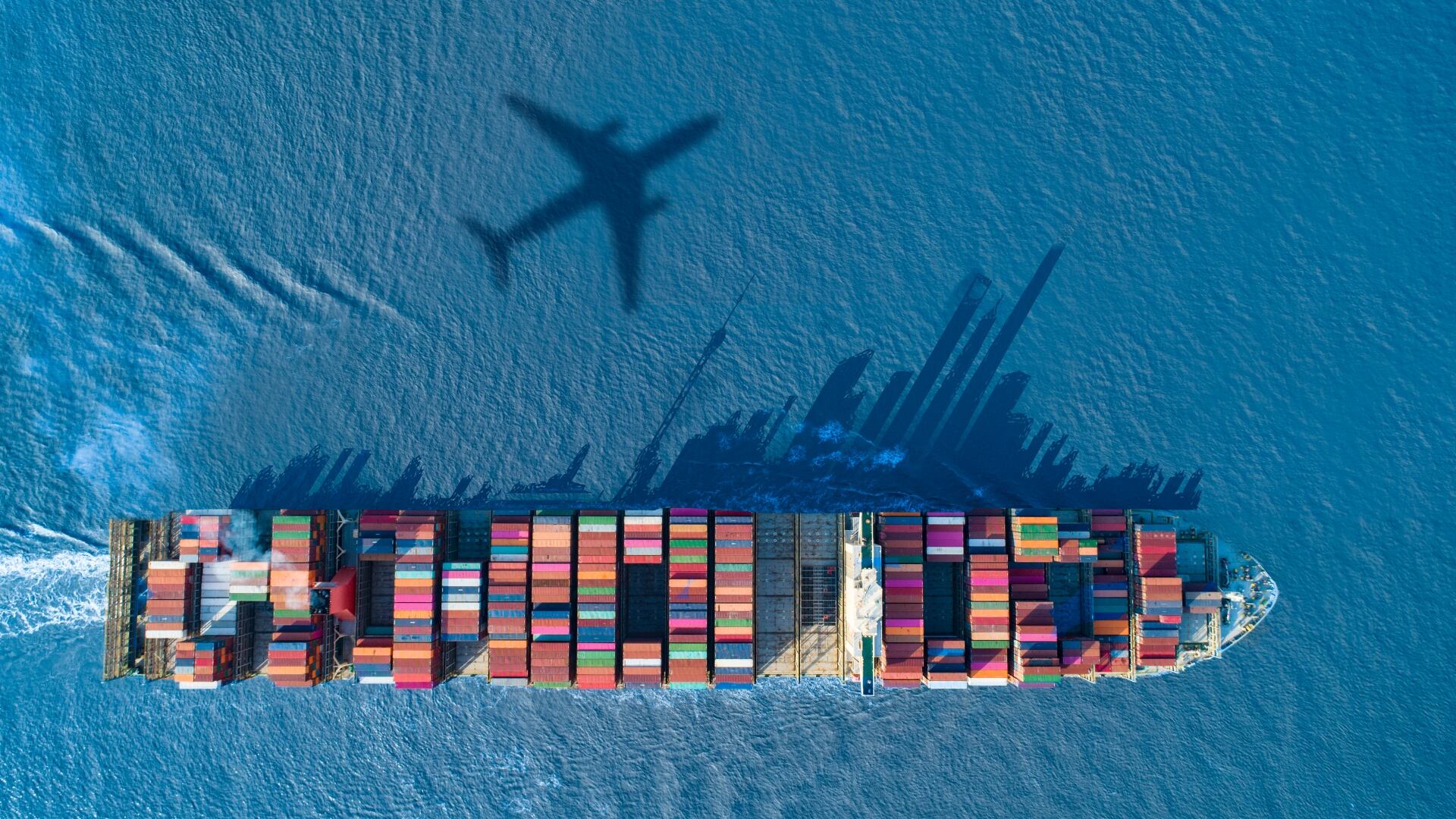
Nautilus Labs closed $34 million in funding from investors including the Microsoft Climate Innovation Fund. The company plans to use its funding to improve shipping industry efficiency with its software. Nautilus CEO Matt Heider joined Cheddar News to talk about how it tackles the carbon emissions in the global supply chain. "We've seen on 10-day voyages saving $60,000 worth of fuel just by managing speed with greater confidence around the future. The environmental impact of that is also huge," he said. "Saving that amount of fuel is a kind of taking over 1000 cars off the road this year."
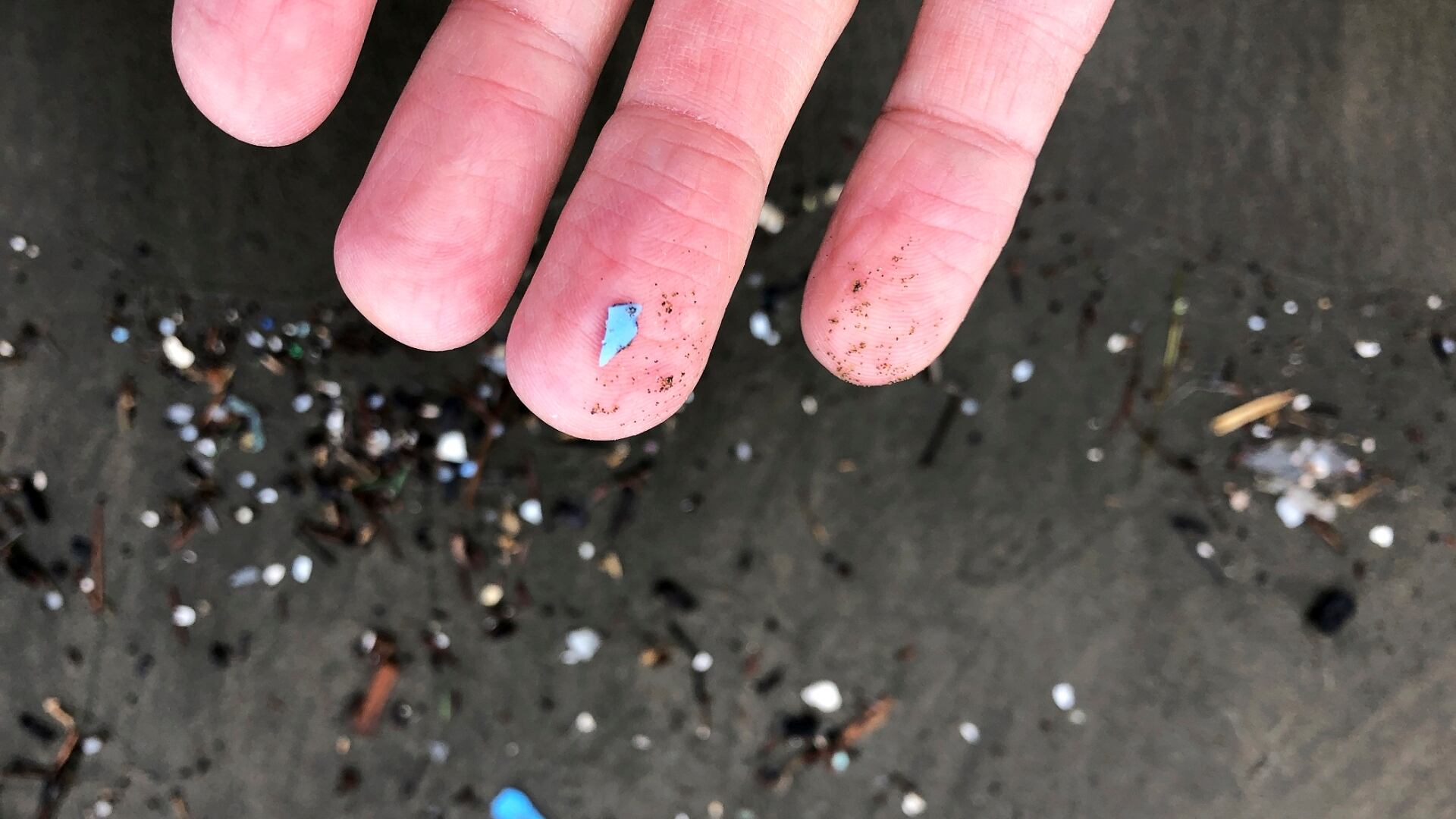
For the first time microplastics have been found deep in the lungs of living humans. The trace materials potentially came from everyday items such as plastic bottles and bags. Dr. Jessica Shepherd, the chief medical officer at Verywell Health, joined Cheddar News to talk about the report's findings and to discuss the possible risks people might face. "The study’s most important part is we need to decrease our pollution, and we need to think about different ways to consume outside of plastic," she said.
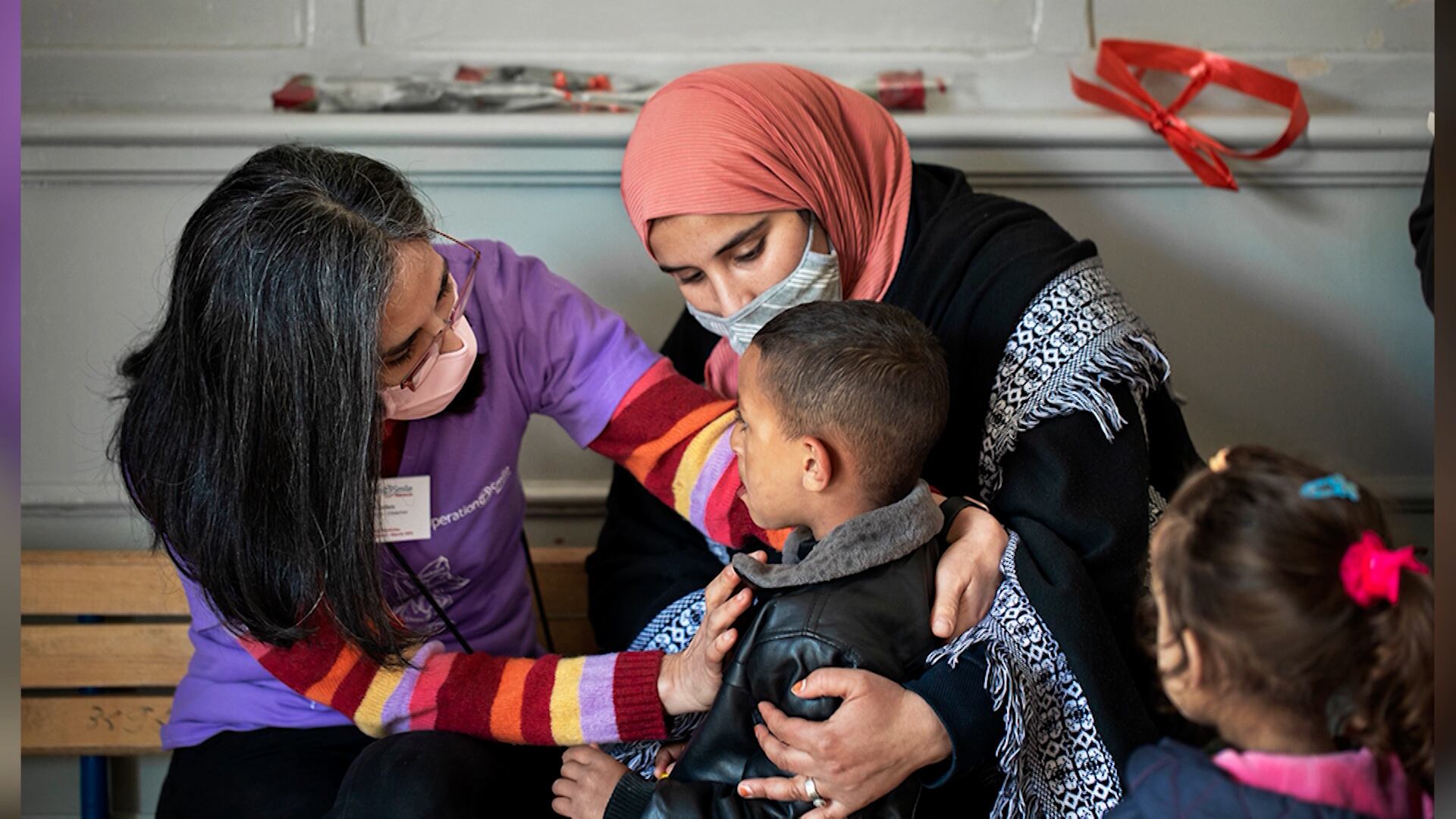
An estimated five billion people lack access to affordable and safe surgical care around the world. For World Health Day, Cheddar News spoke with Kristie Magee Porcaro of Operation Smile, a nonprofit organization assisting with cleft lip and palate surgeries, about how they work to better it around the globe.
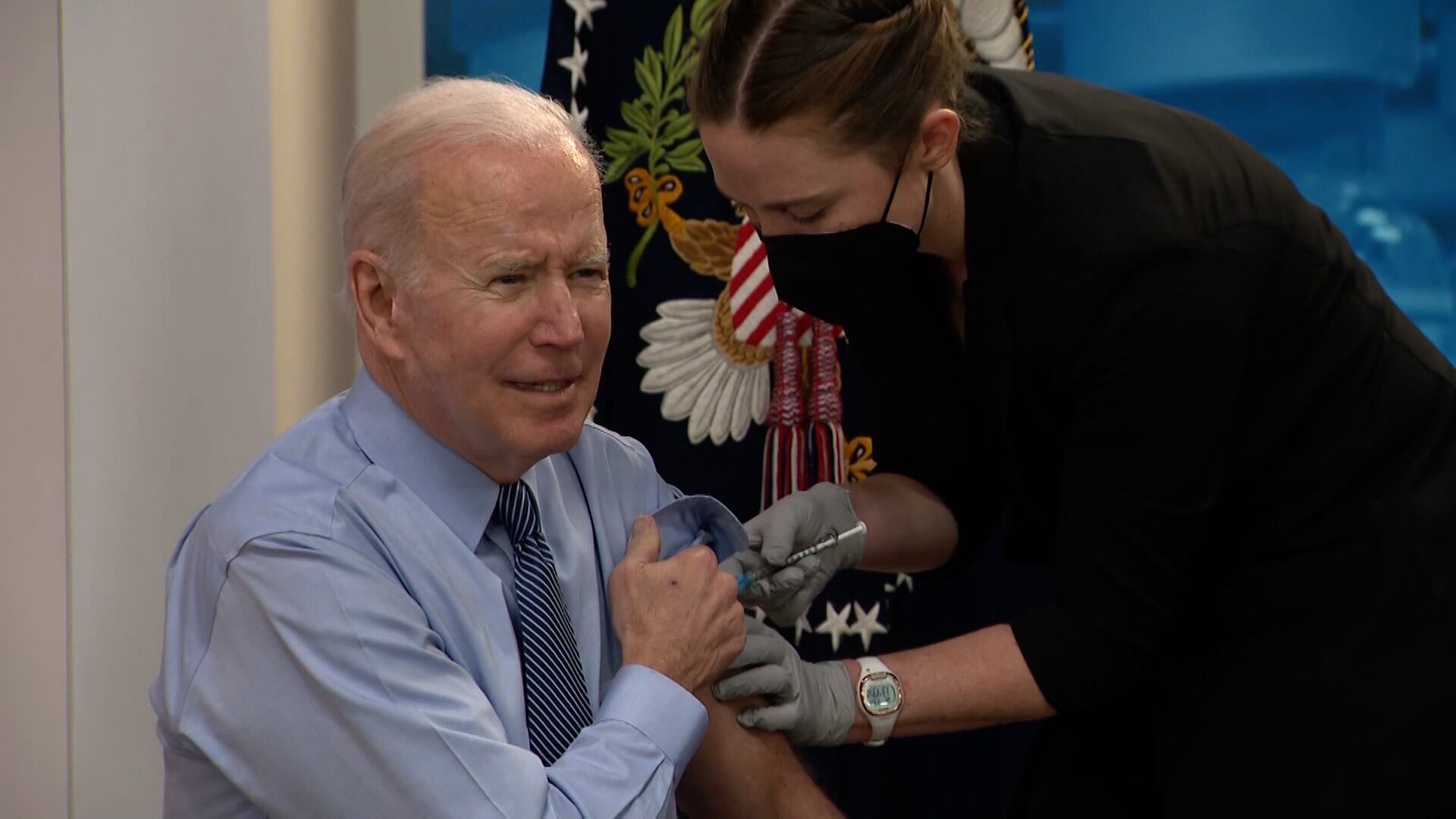
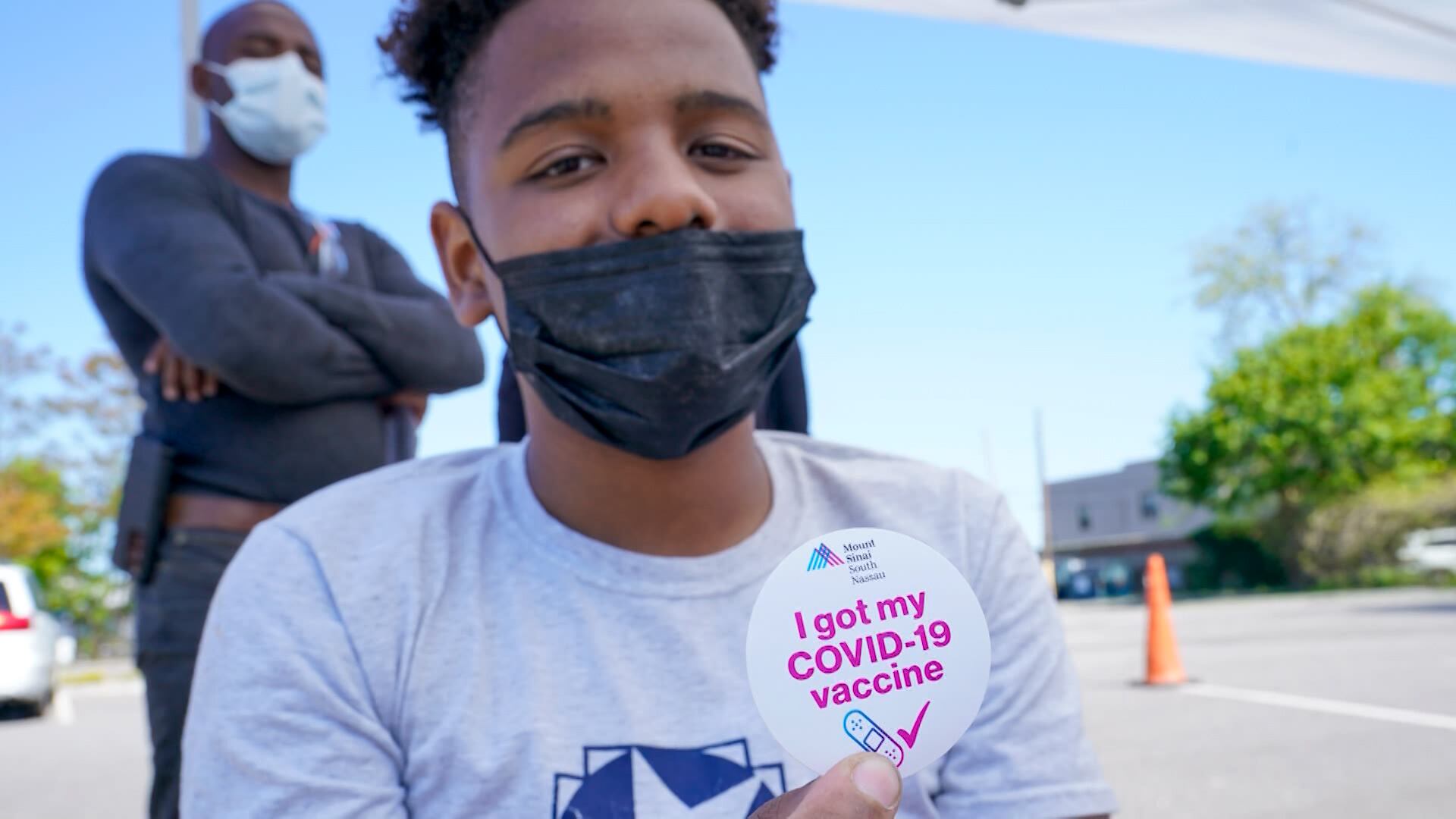
There has been notable disagreement in the medical community about a fourth COVID-19 vaccine dose. The FDA last week authorized a second booster dose for older and immunocompromised individuals, as some agency officials did not support the idea. The FDA made the decision without meeting with its advisory committee, as it had ahead of its recommendations on the previous COVID-19 vaccine doses.
The CDC followed in the footsteps of the FDA and authorized a fourth dose as well. Reports say the agency also did not discuss the move with its own advisory team of vaccine experts. Now, a growing number of doctors are speaking out against the decisions - leaving people confused about whether they should get another vaccine dose. Dr. Julie Morita, a member of the CDC's advisory committee to the director, and the executive vice president of the Robert Wood Johnson Foundation, joins Cheddar News' Closing Bell to discuss.
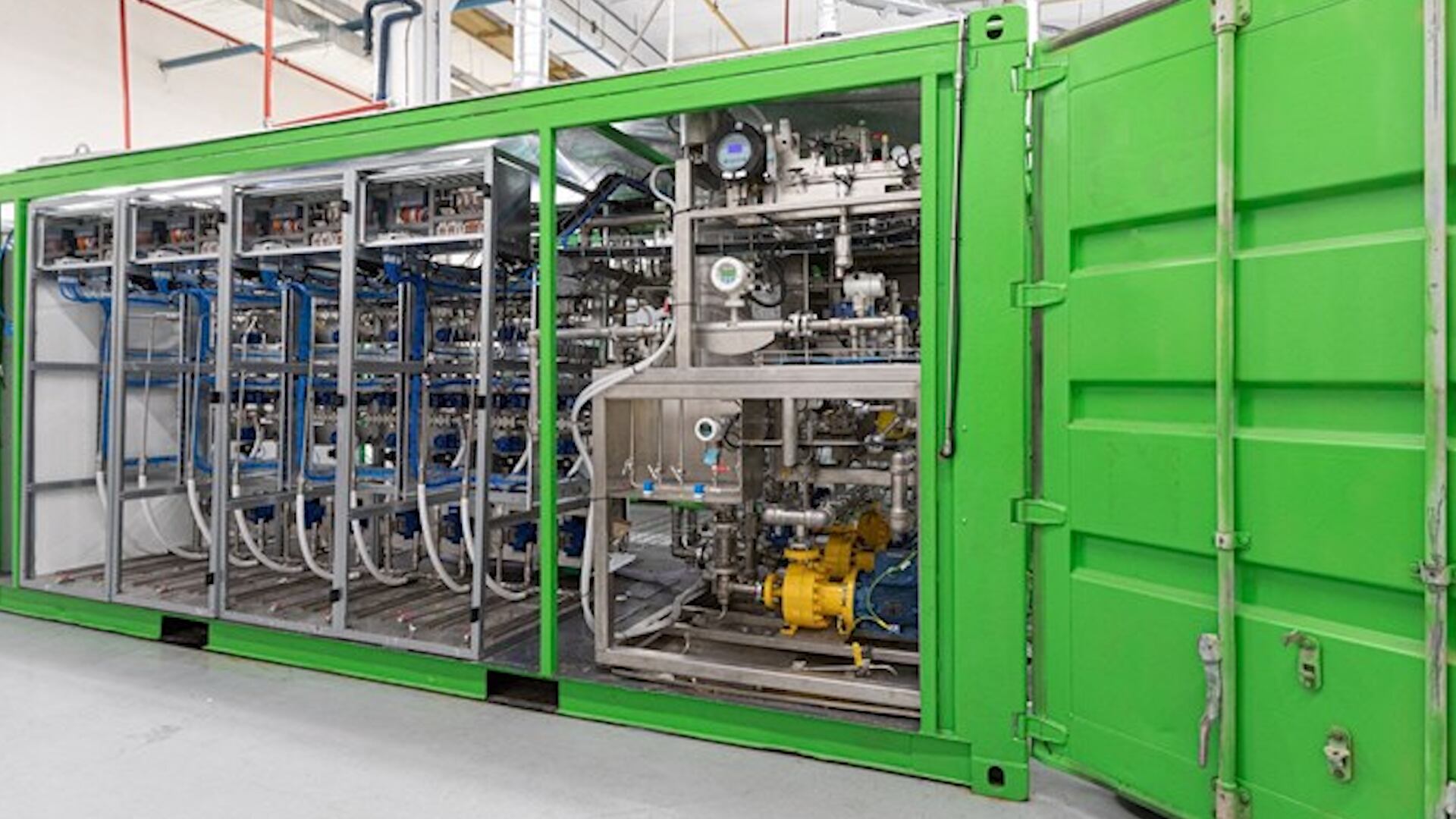
Talmon Marco, CEO of H2Pro, joins Cheddar Innovates to discuss how to bring environmentally friendly hydrogen to scale, and what this means for hydrogen's many use cases.
Catching you up on what you need to know on April 7, 2022, with updates on Ukraine urging NATO for military aid for their war with Russia, the SEC investigating Amazon, microplastics being found deep inside human lungs for the first time, and more.
Patients who have grown frustrated with lingering COVID-19 symptoms and unanswered questions are now not only the subjects of "long covid" research, but also partners in pushing this research forward. Harlan Krumholz, professor of medicine at Yale University, joins Cheddar News to discuss.
A record number of tornadoes were observed in March, topping the previous record set last year. Cheddar News speaks with NOAA’s Harold Brooks about what the implications are of an early tornado season.