Endowment Offers $1 Million for Tech to Get Plastic Out of Oceans
*By Madison Alworth*
Ocean pollution is a problem only [expected](http://web.unep.org/unepmap/un-declares-war-ocean-plastic) to get worse, and the Endowment for Clean Oceans is hoping to find viable solutions to our plastic problem. So the organization is offering big money to citizens who want to clean up the environment.
"We have two contests," Daniel Perrin, the agency's founder, said Wednesday in an interview on Cheddar. "One is for $1 million for the best idea or technology to remove the plastic that's in the ocean now. And the second contest is for $5 million to create an economically viable, workable, biodegradable alternative to plastics."
There are [5 trillion pieces](https://www.forbes.com/sites/niallmccarthy/2017/03/21/the-worlds-oceans-are-infested-with-over-5-trillion-pieces-of-plastic-infographic/#159e83adab76) of plastic floating in the ocean. Interestingly, ocean pollution is one cause many voters seem to rally behind, regardless of political alignment. According to a recent survey from Zogby Analytics, [81 percent](https://www.businesswire.com/news/home/20180829005005/en/Finally-Divided-America-81-Agree-Poll-Commissioned) of voters polled were concerned about the plastic in the ocean.
ECO wants to encourage all inventors to get involved in solving that problem.
The competition and prizes will be divided among three groups. ECO is calling for submissions from "corporations and universities," "garage inventors," and "lower-school students." ECO anticipates that the corporation-university solution group will take home the $1 million prize, the garage inventor will receive a significant investment in their company, and the student will win a full scholarship to a school of his or her choice.
Pierre-Yves Cousteau has been tapped to be a judge for the ECO Science and Technology Committee. The son of world-renowned conservationist, author, and filmmaker Jacques-Yves Cousteau is [continuing](https://www.theatlantic.com/international/archive/2011/09/a-conversation-with-pierre-yves-cousteau-conservationist/244867/) his father's legacy of studying and protecting oceans.
"I've been diving all over the world for the past 15 years, and I have yet to do a single dive where I don't encounter plastic," Cousteau told Cheddar Wednesday.
Cousteau and Perrin hope the [competition](https://www.endowmentforcleanoceans.org/) will inspire inventors to think more creatively.
"The plastic technology hasn't changed for 50 years. It's about time we upgraded to a ceramic or something that, when it gets in the ocean, it will not stay for 600 years like some of the industrial fishing lines are now," Perrin said.
For full interview [click here](https://cheddar.com/videos/finding-a-solution-to-plastic-pollution).
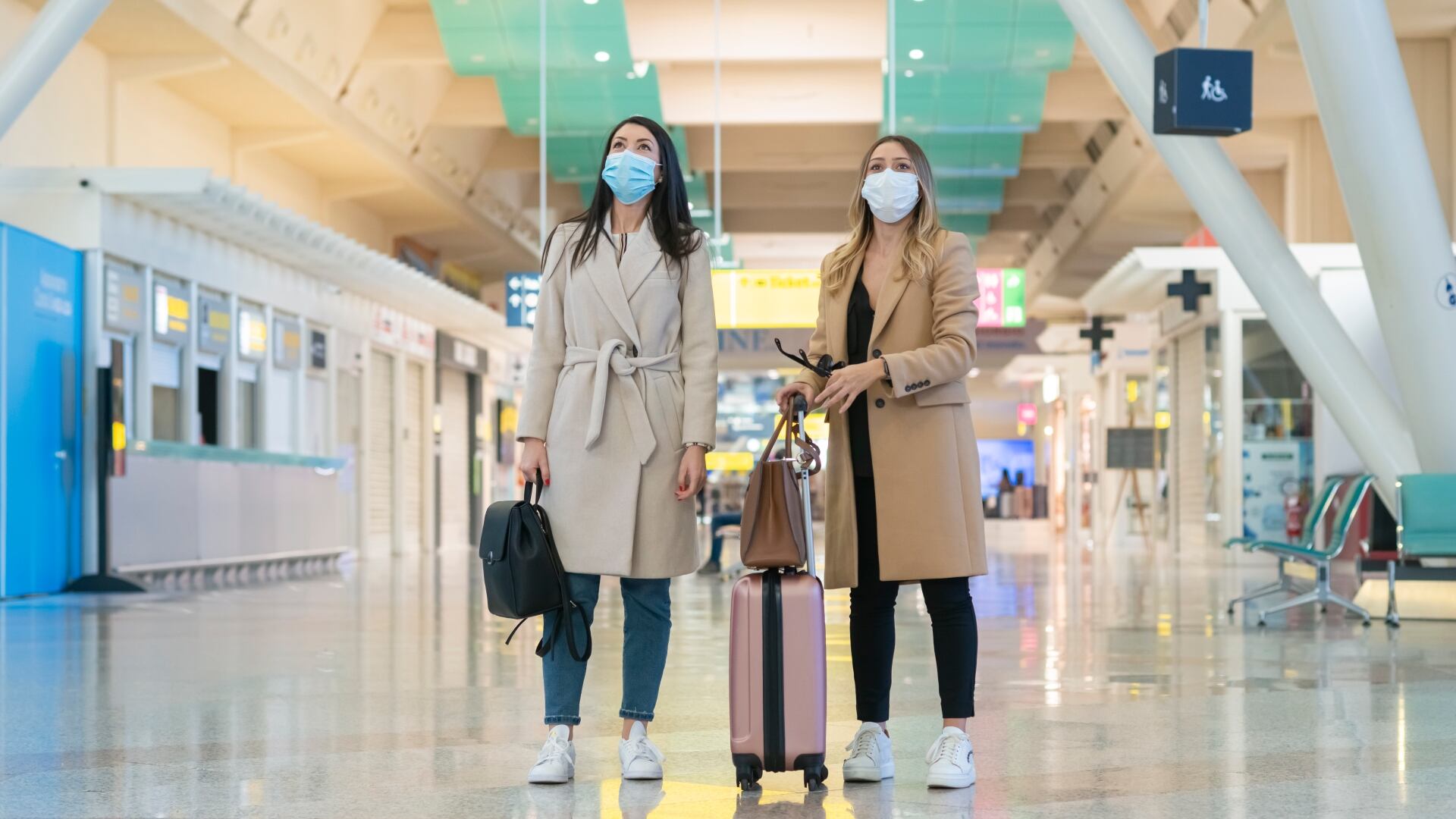
As cases of the COVID-19 Omicron variant continue to pop up, including the first U.S. case in California, how will domestic holiday travel be impacted? That part of the travel sector has mostly recovered from the year-long pandemic rout, while business travel continues its slump. But could a new variant bring new lockdowns and domestic restrictions? Clint Henderson, Senior News Editor at The Points Guy, joins Cheddar News' Closing Bell to discuss what the omicron variant means for holiday travel, best practices for passengers traveling through airports, and more.
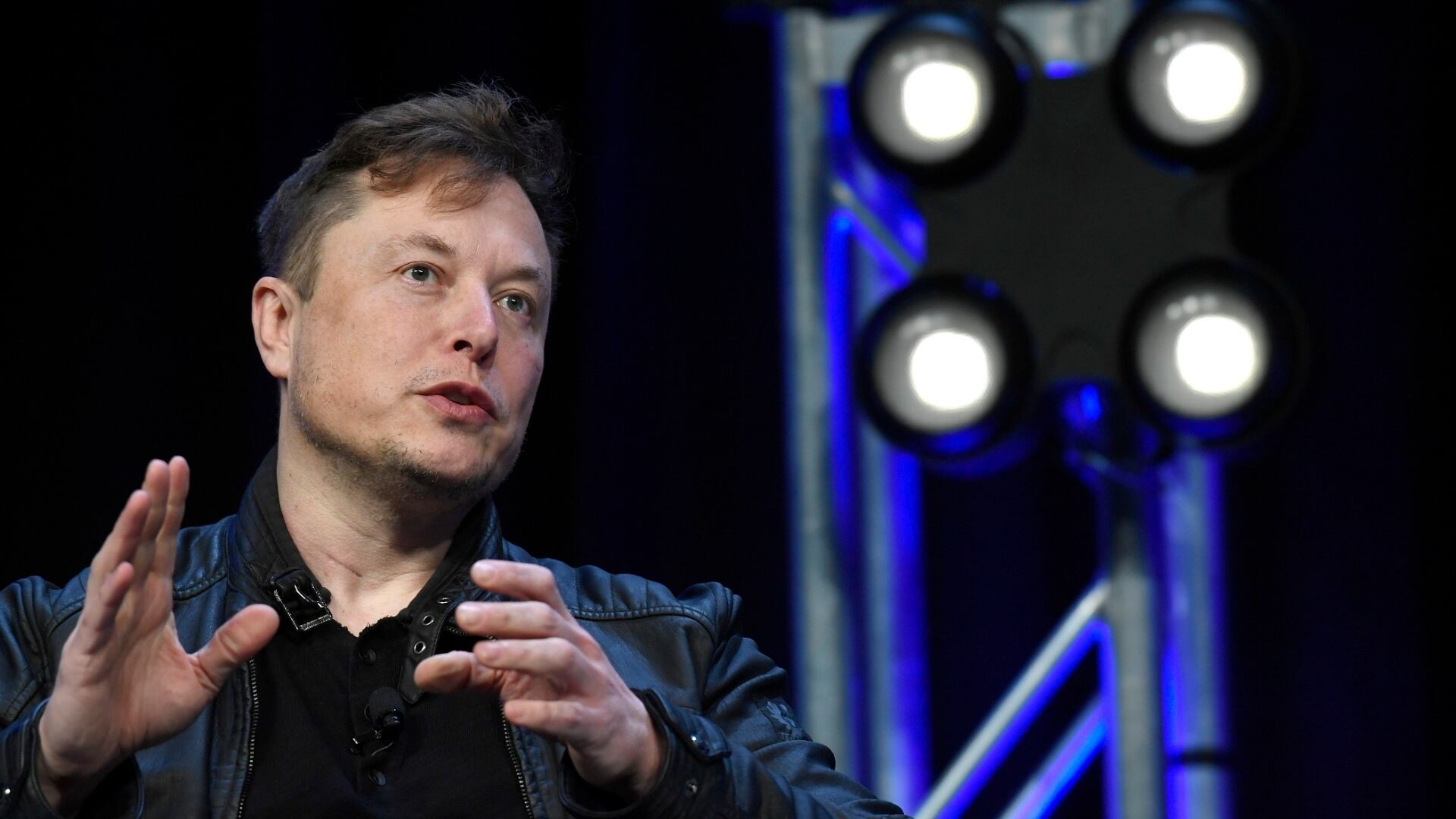
Over the Thanksgiving holiday, Elon Musk warned SpaceX employees in a leaked email that the company could be forced to file Chapter 11 bankruptcy if its raptor engine program fails. Musk then commented on the previous statement adding the detail that a recession could make such a bankruptcy possible.
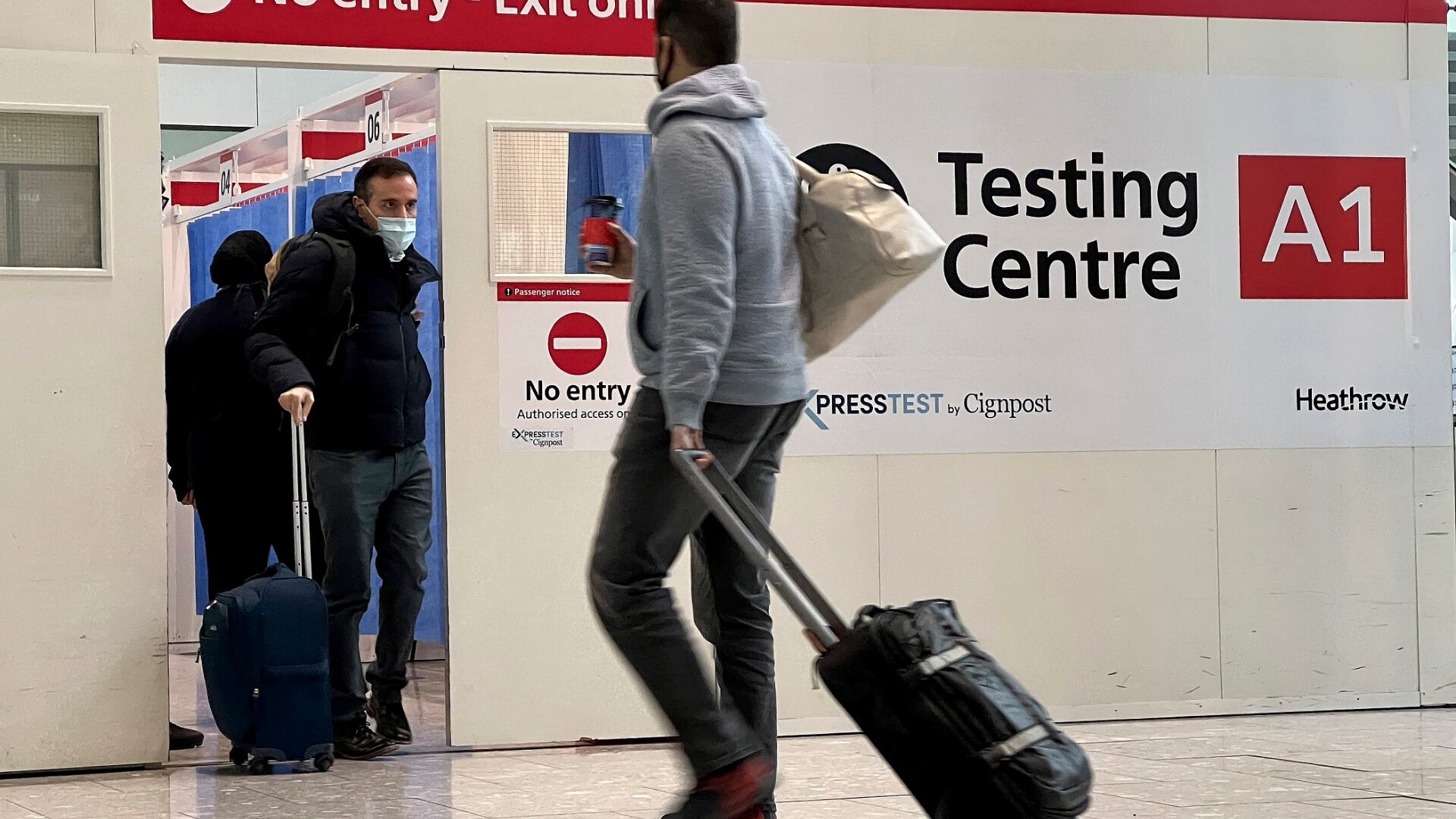
With the emergence of the omicron variant, the U.S. is considering tightening international travel guidelines. The CDC said it might reduce the window for foreign travelers to submit a negative COVID-19 test from three days prior to one day before allowing entry.
Jill and Carlo cover the latest on Omicron, another school shooting in America and more. Plus, bidding farewell to 'transitory' inflation, and the controversy surrounding 'Lovely Bones' author Alice Sebold.
Sarav Arunachalam, air pollution scientist at the University of North Carolina at Chapel Hill, joins Cheddar Climate, where he discusses what he needs to happen when it comes to EV production on a global level to help reduce the effects of climate change.
The United Nations Secretary-General said this year that his agency's warning about climate change was a 'code red for humanity.' So how will political pledges to lower emissions, increase green energy, and ramp up electric vehicle infrastructure play out, and can we reverse some climate damage next year? Vijay Vaitheeswaran, Global energy & climate innovation editor for The Economist, and host of 'To a Lesser Degree,' The Economist’s podcast on climate change, joins Cheddar Climate to discuss what we can look ahead to in 2022, including global policy shifts and investments from the private and public sectors, holding global leaders accountable, and more.
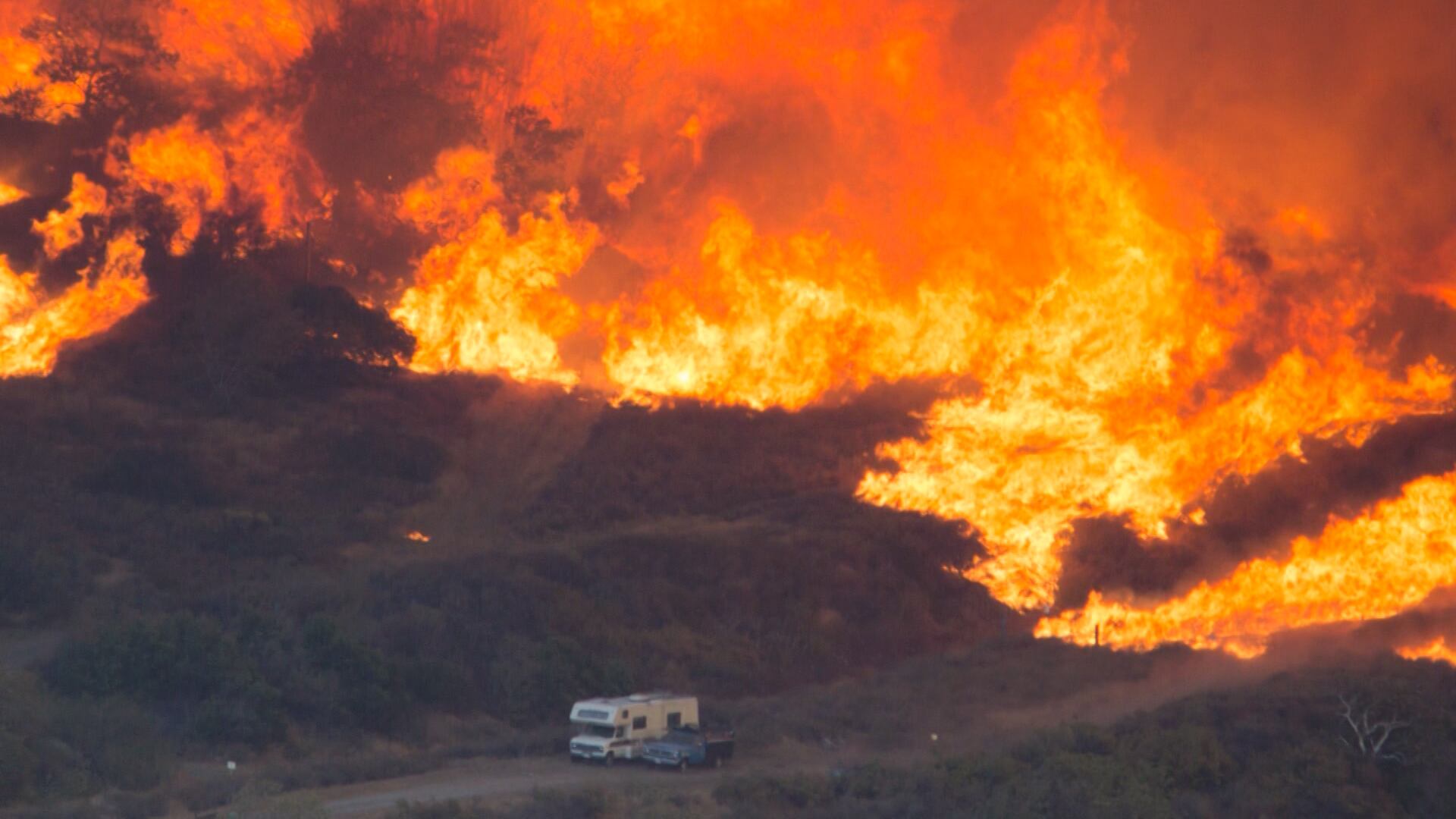
In recent years, extreme weather events like flooding and wildfires have become more frequent, and more severe - and scientists say global warming is to blame. Climate crises could leave people in need of help, and that's where Global Rescue steps in. The crisis response firm employs former Navy Seals and Army Rangers to rescue travelers from climate-related emergencies. Global Rescue CEO Dan Richards joins Cheddar Climate to discuss.