Endowment Offers $1 Million for Tech to Get Plastic Out of Oceans
*By Madison Alworth*
Ocean pollution is a problem only [expected](http://web.unep.org/unepmap/un-declares-war-ocean-plastic) to get worse, and the Endowment for Clean Oceans is hoping to find viable solutions to our plastic problem. So the organization is offering big money to citizens who want to clean up the environment.
"We have two contests," Daniel Perrin, the agency's founder, said Wednesday in an interview on Cheddar. "One is for $1 million for the best idea or technology to remove the plastic that's in the ocean now. And the second contest is for $5 million to create an economically viable, workable, biodegradable alternative to plastics."
There are [5 trillion pieces](https://www.forbes.com/sites/niallmccarthy/2017/03/21/the-worlds-oceans-are-infested-with-over-5-trillion-pieces-of-plastic-infographic/#159e83adab76) of plastic floating in the ocean. Interestingly, ocean pollution is one cause many voters seem to rally behind, regardless of political alignment. According to a recent survey from Zogby Analytics, [81 percent](https://www.businesswire.com/news/home/20180829005005/en/Finally-Divided-America-81-Agree-Poll-Commissioned) of voters polled were concerned about the plastic in the ocean.
ECO wants to encourage all inventors to get involved in solving that problem.
The competition and prizes will be divided among three groups. ECO is calling for submissions from "corporations and universities," "garage inventors," and "lower-school students." ECO anticipates that the corporation-university solution group will take home the $1 million prize, the garage inventor will receive a significant investment in their company, and the student will win a full scholarship to a school of his or her choice.
Pierre-Yves Cousteau has been tapped to be a judge for the ECO Science and Technology Committee. The son of world-renowned conservationist, author, and filmmaker Jacques-Yves Cousteau is [continuing](https://www.theatlantic.com/international/archive/2011/09/a-conversation-with-pierre-yves-cousteau-conservationist/244867/) his father's legacy of studying and protecting oceans.
"I've been diving all over the world for the past 15 years, and I have yet to do a single dive where I don't encounter plastic," Cousteau told Cheddar Wednesday.
Cousteau and Perrin hope the [competition](https://www.endowmentforcleanoceans.org/) will inspire inventors to think more creatively.
"The plastic technology hasn't changed for 50 years. It's about time we upgraded to a ceramic or something that, when it gets in the ocean, it will not stay for 600 years like some of the industrial fishing lines are now," Perrin said.
For full interview [click here](https://cheddar.com/videos/finding-a-solution-to-plastic-pollution).
It's Friday at long last. Jill and Carlo cover the latest on Omicron, including a possible superspreader event in NYC. Plus, previewing the November jobs report, a new Zoom feature no one asked for, and when it's no longer a good idea to eat Thanksgiving leftovers.
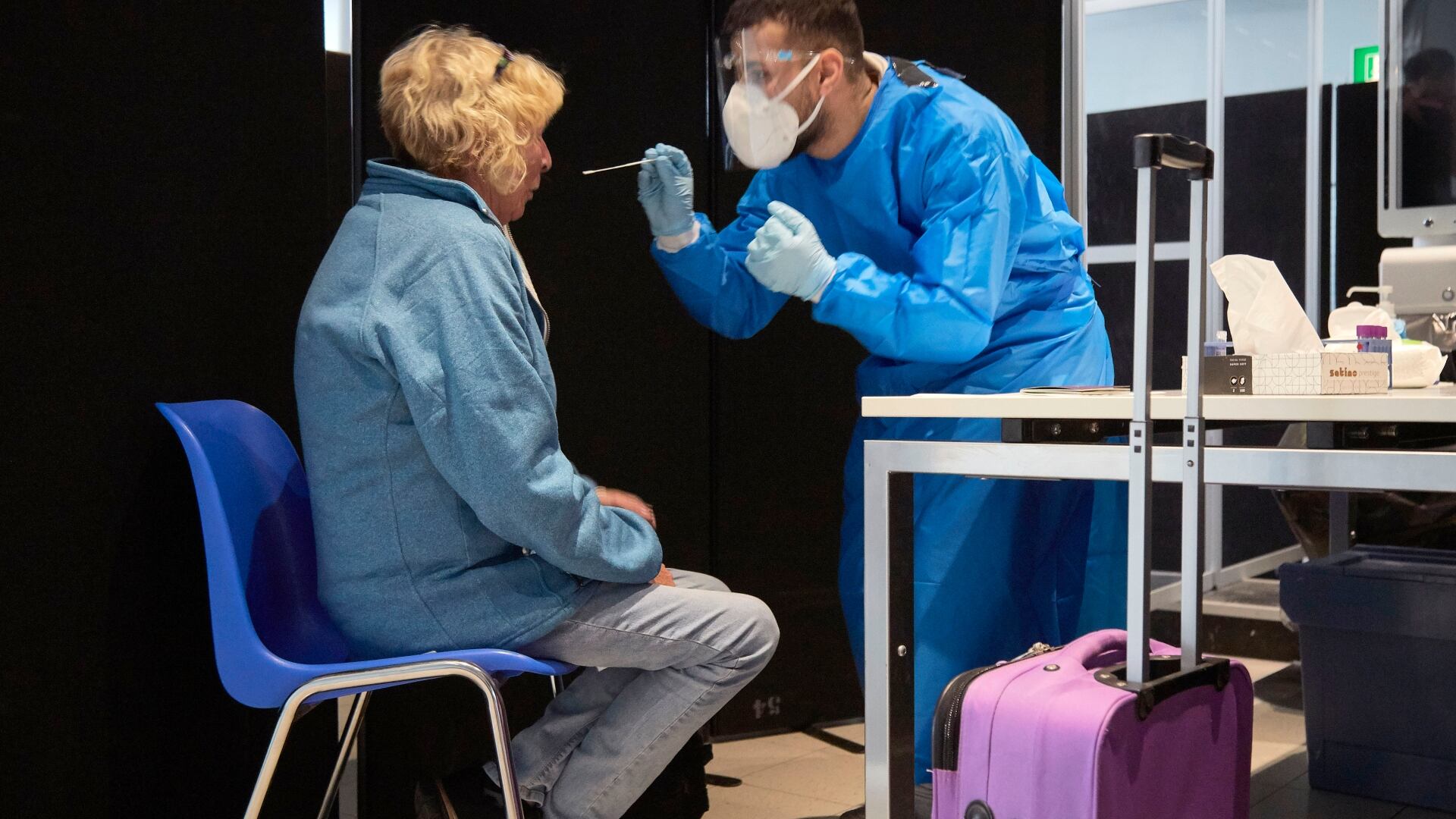
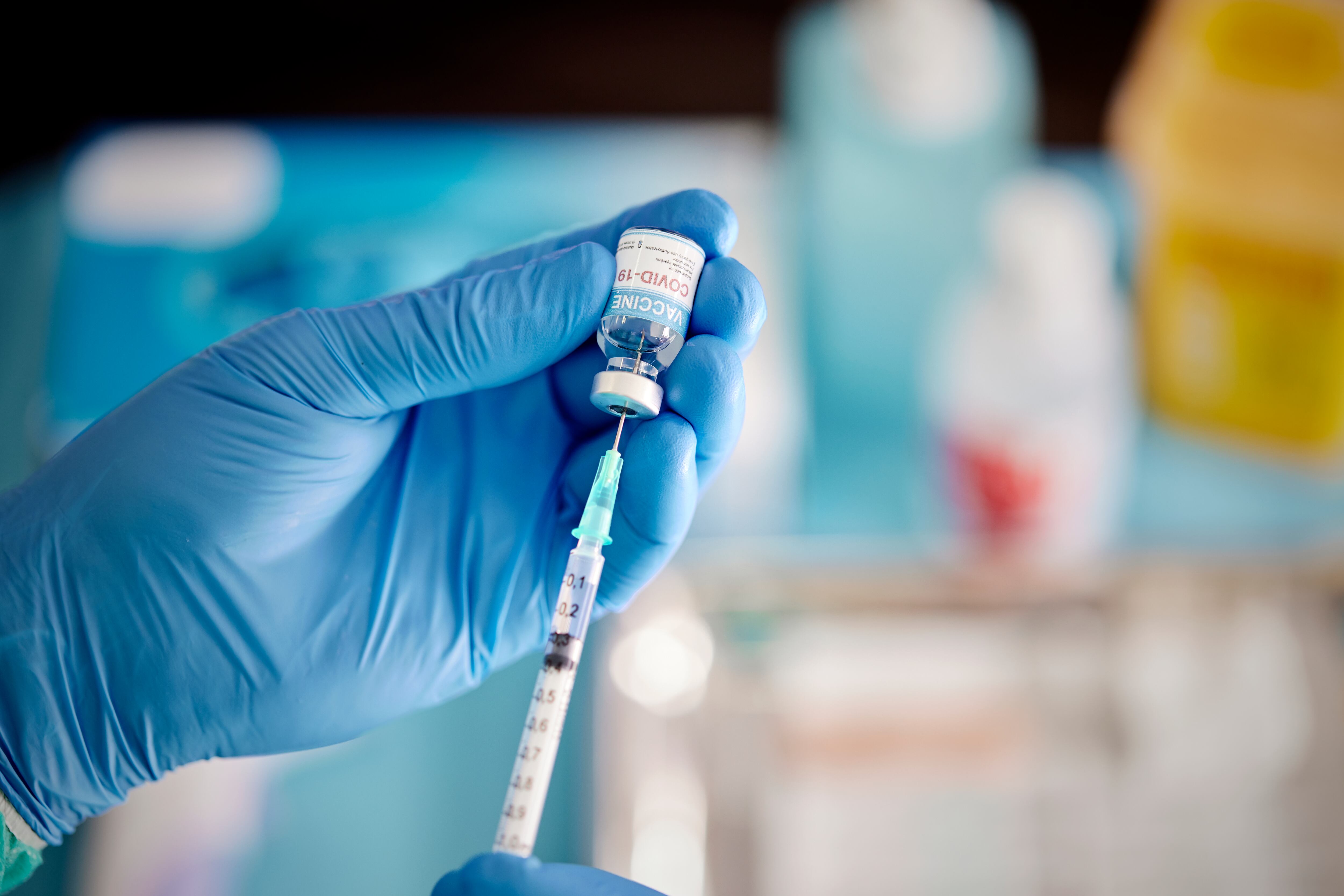
Three cases of the new omicron COVID-19 variant have been confirmed in the U.S. Cheddar speaks with global infection disease specialist Dr. Rajeev Fernando on how to prepare for a possible new coronavirus wave.
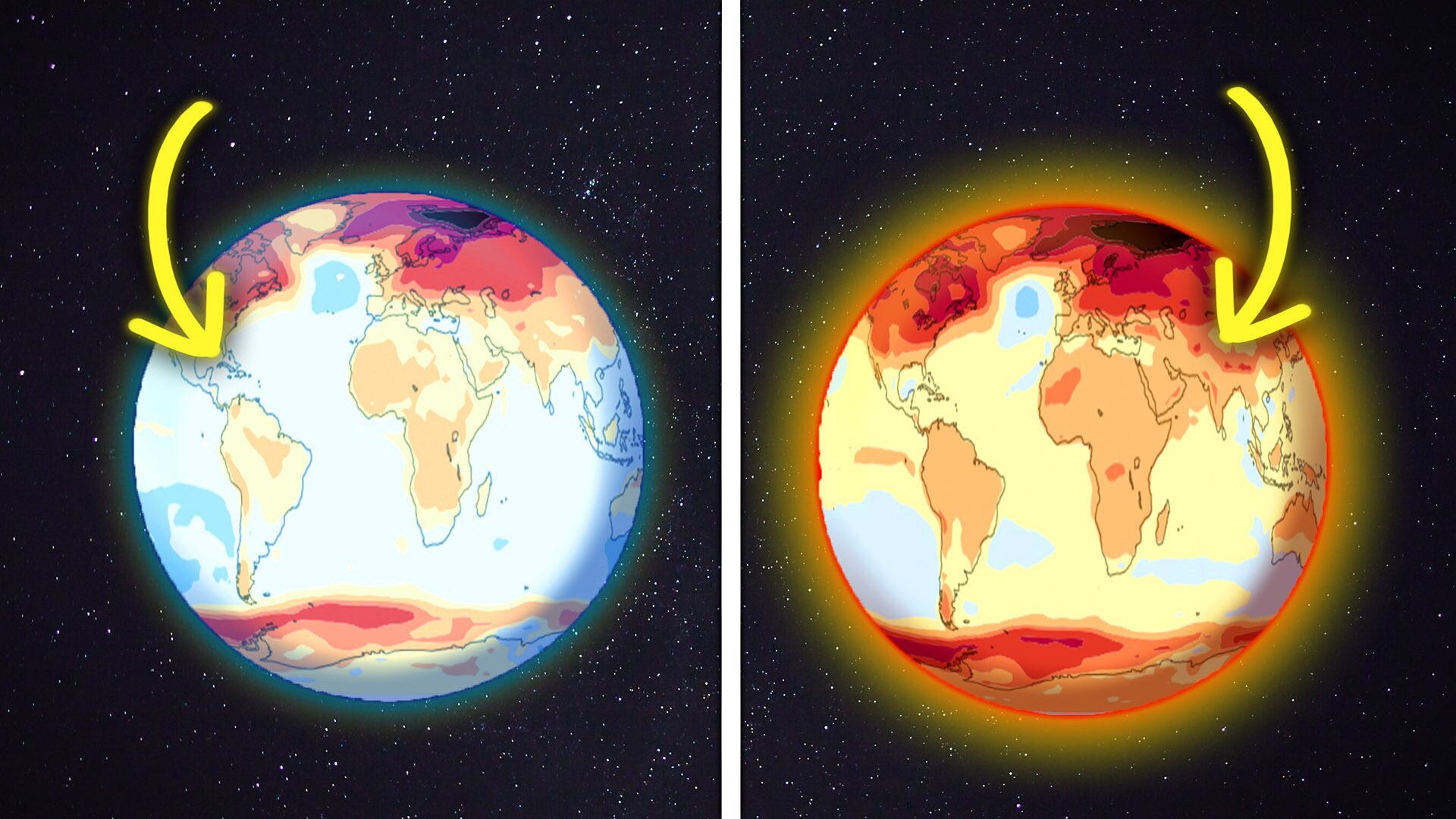
In 2015, 193 parties signed the Paris Agreement. In doing so, they agreed to pursue efforts to limit the average global temperature increase to 1.5° Celsius - or 2.7 degrees Fahrenheit -above pre-industrial levels. To be clear, our planet is already 1.1 degrees hotter than it was 150 years ago. But most scientists agree that an increase of just .4 more degrees will drastically change the world. However, it would continue to be livable. Things do get murky, though, as the projections increase above that.
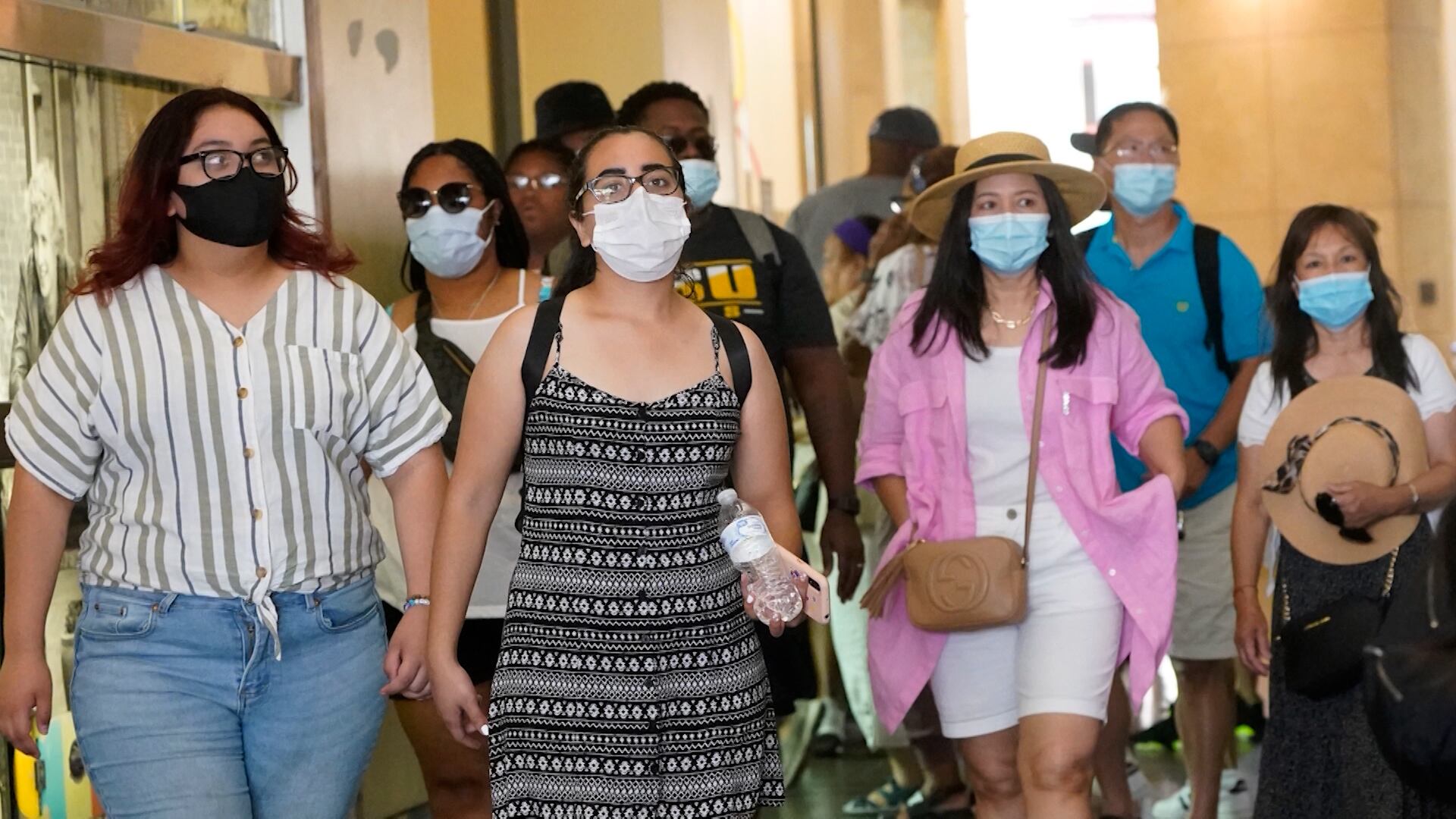
Dr. Jen Caudle, family physician and associate professor at Rowan University, joined Cheddar to break down how people can protect themselves and family amid the uncertainty of the new Omicron COVID-19 variant. Caudle emphasized the importance of getting vaccinated against COVID-19 with so much still uncertain about the pandemic. "We have to remember delta variant is still here in the United States," she said. "We're still losing too many people every single day to this virus."
Jill and Carlo discuss what appears to be the beginning of the end of Roe v. Wade, another victim dies following the school shooting in Michigan, Omicron in the U.S., Trump's Covid chronology and more.
Was it a coincidence that the omicron coronavirus variant evolved in a region with low vaccination rates? Cheddar speaks with epidemiologist Dr. Eric Feigl-Ding on the topic.
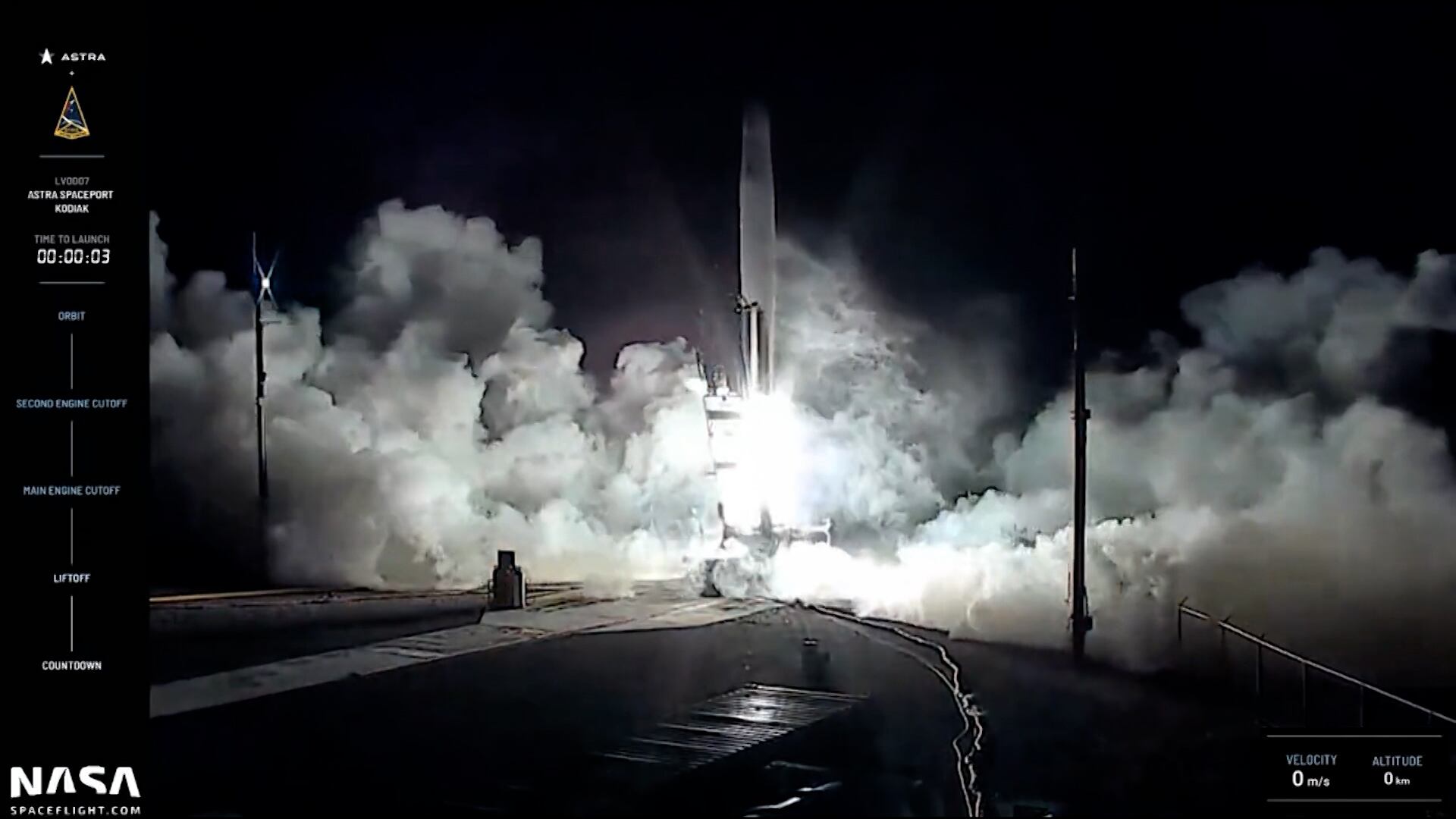
Astra founder, chairman, and CEO Chris Kemp spoke to Cheddar's Kristen Scholer about his company's first successful launch into orbit last month, becoming the fastest space company to reach orbit using a privately developed liquid-fueled rocket. He also noted that the company's priority is to "improve life on Earth from space" by rapidly increasing the number of low-orbiting satellites to do everything from connecting people to monitoring weather patterns.
Stocks closed at session lows Wednesday as investors grew skittish over the first reported case of the COVID-19 omicron variant in California. Josh Sailar, Partner at Blue Zone Wealth Advisors, joins Cheddar News' Closing Bell to discuss investor worry over the new variant, the Fed dropping the word 'transitory' to describe inflation and potentially speeding up their asset tapering timeline, 2022 predictions, and more.