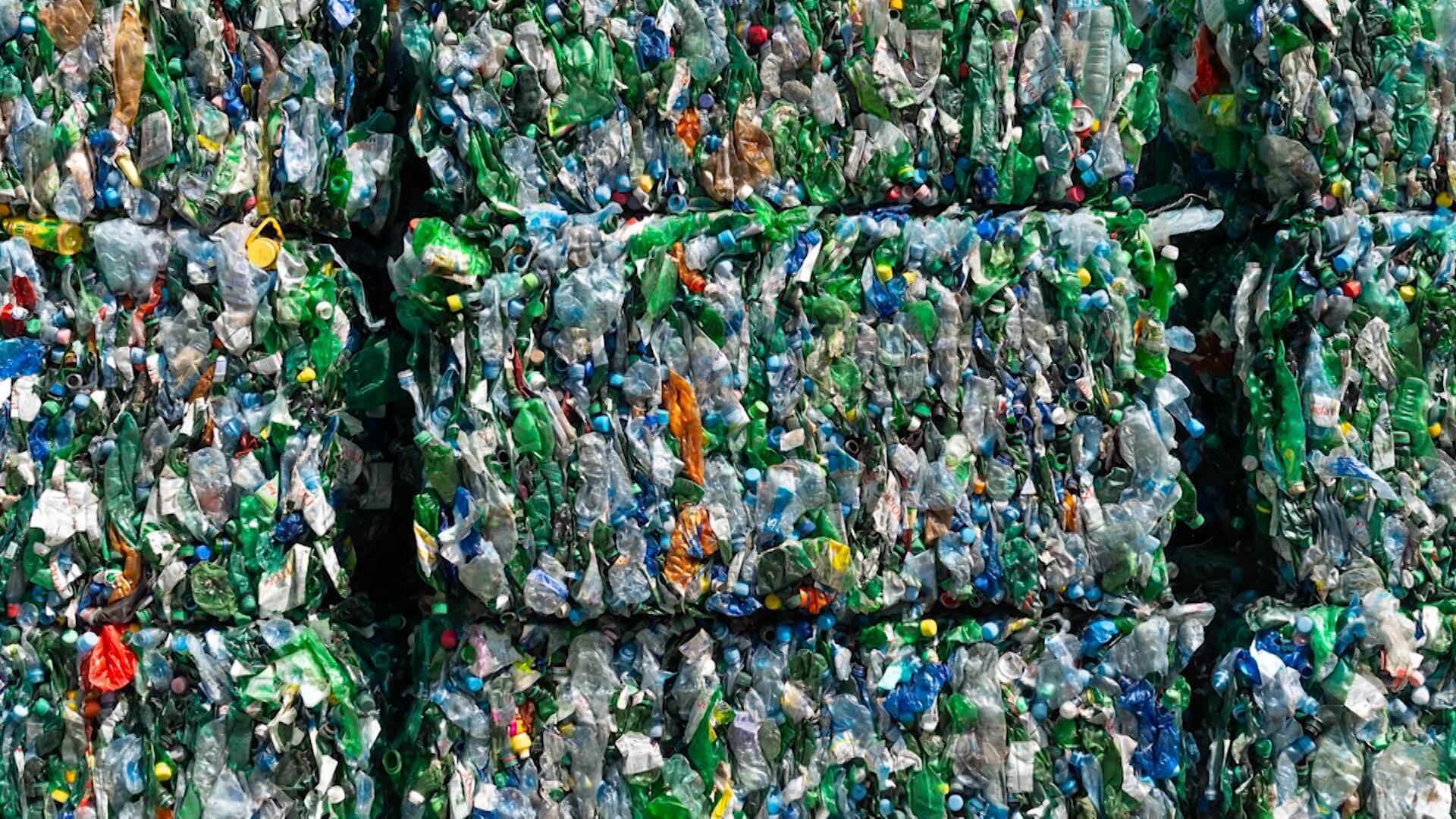
*By Madison Alworth* Ocean pollution is a problem only [expected](http://web.unep.org/unepmap/un-declares-war-ocean-plastic) to get worse, and the Endowment for Clean Oceans is hoping to find viable solutions to our plastic problem. So the organization is offering big money to citizens who want to clean up the environment. "We have two contests," Daniel Perrin, the agency's founder, said Wednesday in an interview on Cheddar. "One is for $1 million for the best idea or technology to remove the plastic that's in the ocean now. And the second contest is for $5 million to create an economically viable, workable, biodegradable alternative to plastics." There are [5 trillion pieces](https://www.forbes.com/sites/niallmccarthy/2017/03/21/the-worlds-oceans-are-infested-with-over-5-trillion-pieces-of-plastic-infographic/#159e83adab76) of plastic floating in the ocean. Interestingly, ocean pollution is one cause many voters seem to rally behind, regardless of political alignment. According to a recent survey from Zogby Analytics, [81 percent](https://www.businesswire.com/news/home/20180829005005/en/Finally-Divided-America-81-Agree-Poll-Commissioned) of voters polled were concerned about the plastic in the ocean. ECO wants to encourage all inventors to get involved in solving that problem. The competition and prizes will be divided among three groups. ECO is calling for submissions from "corporations and universities," "garage inventors," and "lower-school students." ECO anticipates that the corporation-university solution group will take home the $1 million prize, the garage inventor will receive a significant investment in their company, and the student will win a full scholarship to a school of his or her choice. Pierre-Yves Cousteau has been tapped to be a judge for the ECO Science and Technology Committee. The son of world-renowned conservationist, author, and filmmaker Jacques-Yves Cousteau is [continuing](https://www.theatlantic.com/international/archive/2011/09/a-conversation-with-pierre-yves-cousteau-conservationist/244867/) his father's legacy of studying and protecting oceans. "I've been diving all over the world for the past 15 years, and I have yet to do a single dive where I don't encounter plastic," Cousteau told Cheddar Wednesday. Cousteau and Perrin hope the [competition](https://www.endowmentforcleanoceans.org/) will inspire inventors to think more creatively. "The plastic technology hasn't changed for 50 years. It's about time we upgraded to a ceramic or something that, when it gets in the ocean, it will not stay for 600 years like some of the industrial fishing lines are now," Perrin said. For full interview [click here](https://cheddar.com/videos/finding-a-solution-to-plastic-pollution).