Endowment Offers $1 Million for Tech to Get Plastic Out of Oceans
*By Madison Alworth*
Ocean pollution is a problem only [expected](http://web.unep.org/unepmap/un-declares-war-ocean-plastic) to get worse, and the Endowment for Clean Oceans is hoping to find viable solutions to our plastic problem. So the organization is offering big money to citizens who want to clean up the environment.
"We have two contests," Daniel Perrin, the agency's founder, said Wednesday in an interview on Cheddar. "One is for $1 million for the best idea or technology to remove the plastic that's in the ocean now. And the second contest is for $5 million to create an economically viable, workable, biodegradable alternative to plastics."
There are [5 trillion pieces](https://www.forbes.com/sites/niallmccarthy/2017/03/21/the-worlds-oceans-are-infested-with-over-5-trillion-pieces-of-plastic-infographic/#159e83adab76) of plastic floating in the ocean. Interestingly, ocean pollution is one cause many voters seem to rally behind, regardless of political alignment. According to a recent survey from Zogby Analytics, [81 percent](https://www.businesswire.com/news/home/20180829005005/en/Finally-Divided-America-81-Agree-Poll-Commissioned) of voters polled were concerned about the plastic in the ocean.
ECO wants to encourage all inventors to get involved in solving that problem.
The competition and prizes will be divided among three groups. ECO is calling for submissions from "corporations and universities," "garage inventors," and "lower-school students." ECO anticipates that the corporation-university solution group will take home the $1 million prize, the garage inventor will receive a significant investment in their company, and the student will win a full scholarship to a school of his or her choice.
Pierre-Yves Cousteau has been tapped to be a judge for the ECO Science and Technology Committee. The son of world-renowned conservationist, author, and filmmaker Jacques-Yves Cousteau is [continuing](https://www.theatlantic.com/international/archive/2011/09/a-conversation-with-pierre-yves-cousteau-conservationist/244867/) his father's legacy of studying and protecting oceans.
"I've been diving all over the world for the past 15 years, and I have yet to do a single dive where I don't encounter plastic," Cousteau told Cheddar Wednesday.
Cousteau and Perrin hope the [competition](https://www.endowmentforcleanoceans.org/) will inspire inventors to think more creatively.
"The plastic technology hasn't changed for 50 years. It's about time we upgraded to a ceramic or something that, when it gets in the ocean, it will not stay for 600 years like some of the industrial fishing lines are now," Perrin said.
For full interview [click here](https://cheddar.com/videos/finding-a-solution-to-plastic-pollution).
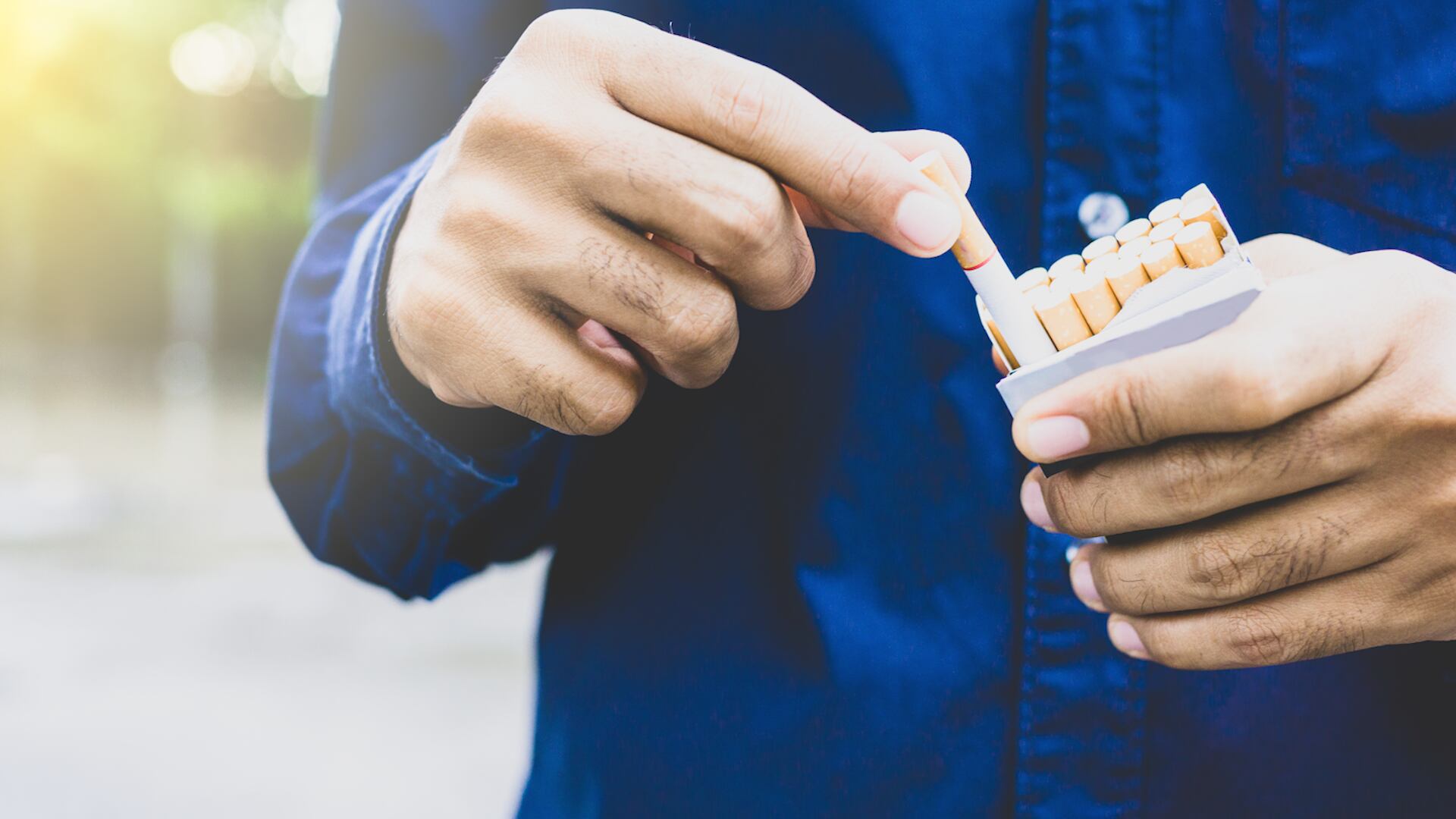
John Bencich, CEO of Achieve Life Sciences, joins Cheddar Innovates to discuss a new plant-based compound that's being used to fight nicotine addiction.
On this episode of Cheddar Innovates: CEO of Achieve Life Sciences discusses a new plant-based compound that's being used to fight nicotine addiction; President & CEO OF DiaMedica Therapeutics explains a new ischemic stroke treatment option that expands the window for effective therapy for stroke patients; Cheddar gets a look at Curiosity Stream's 'Asteroid Rush.'
Catching you up on the stories you need to know this morning, mass shooting victims testify on Capitol Hill, the White House outlines its plan to vaccinate kids younger than five years old, and we break down how to protect yourself from monkeypox.
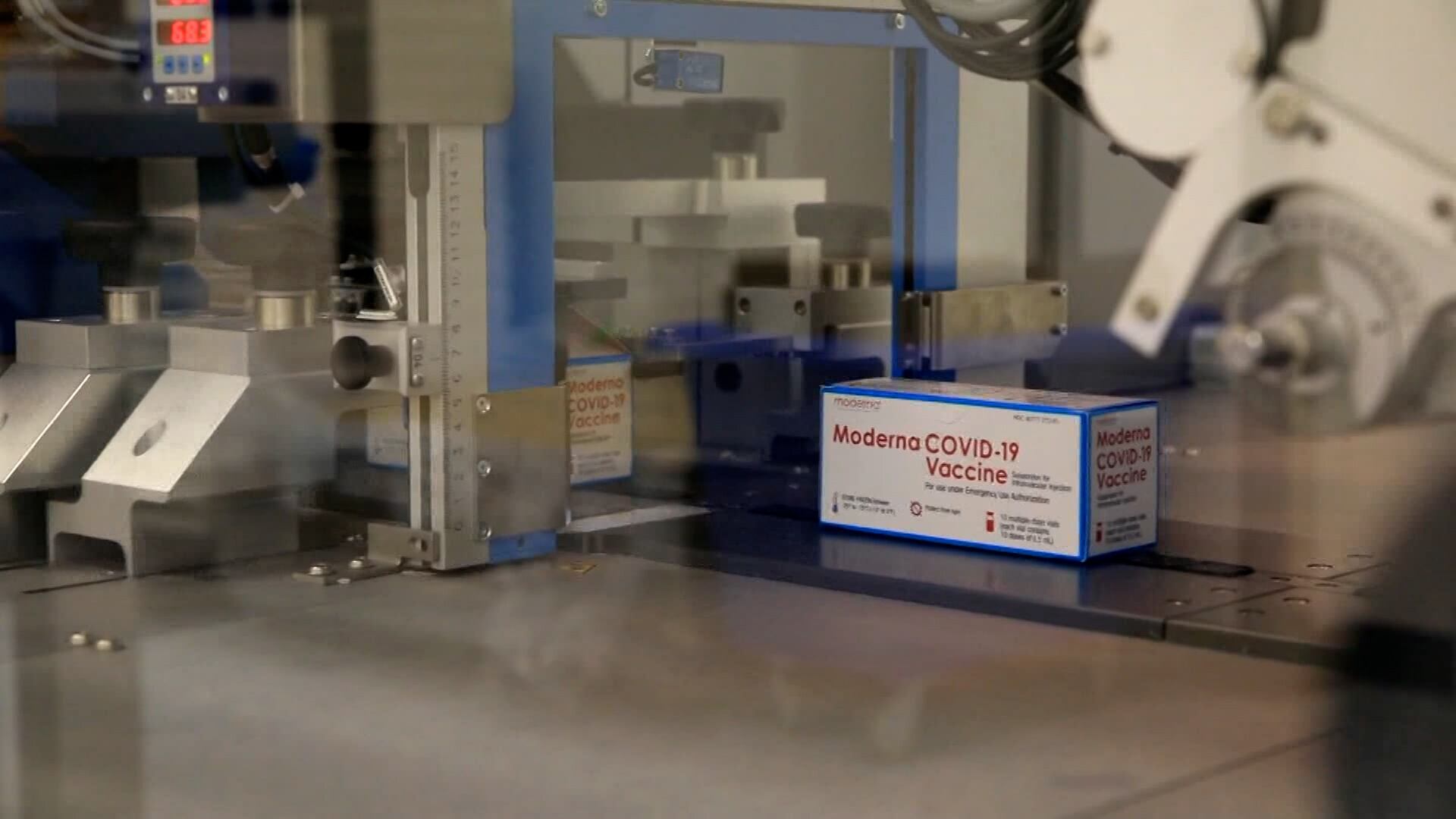
The pharmaceutical giant Moderna says its updated 'bivalent' booster shot provides a stronger immune response against the Omicron variant of COVID-19 specifically. This week, Moderna plans to submit preliminary data to U.S. health officials in the hopes that its new booster will be available later this summer. Dr. Sampson Davis, emergency medicine physician, joins Cheddar News to discuss.
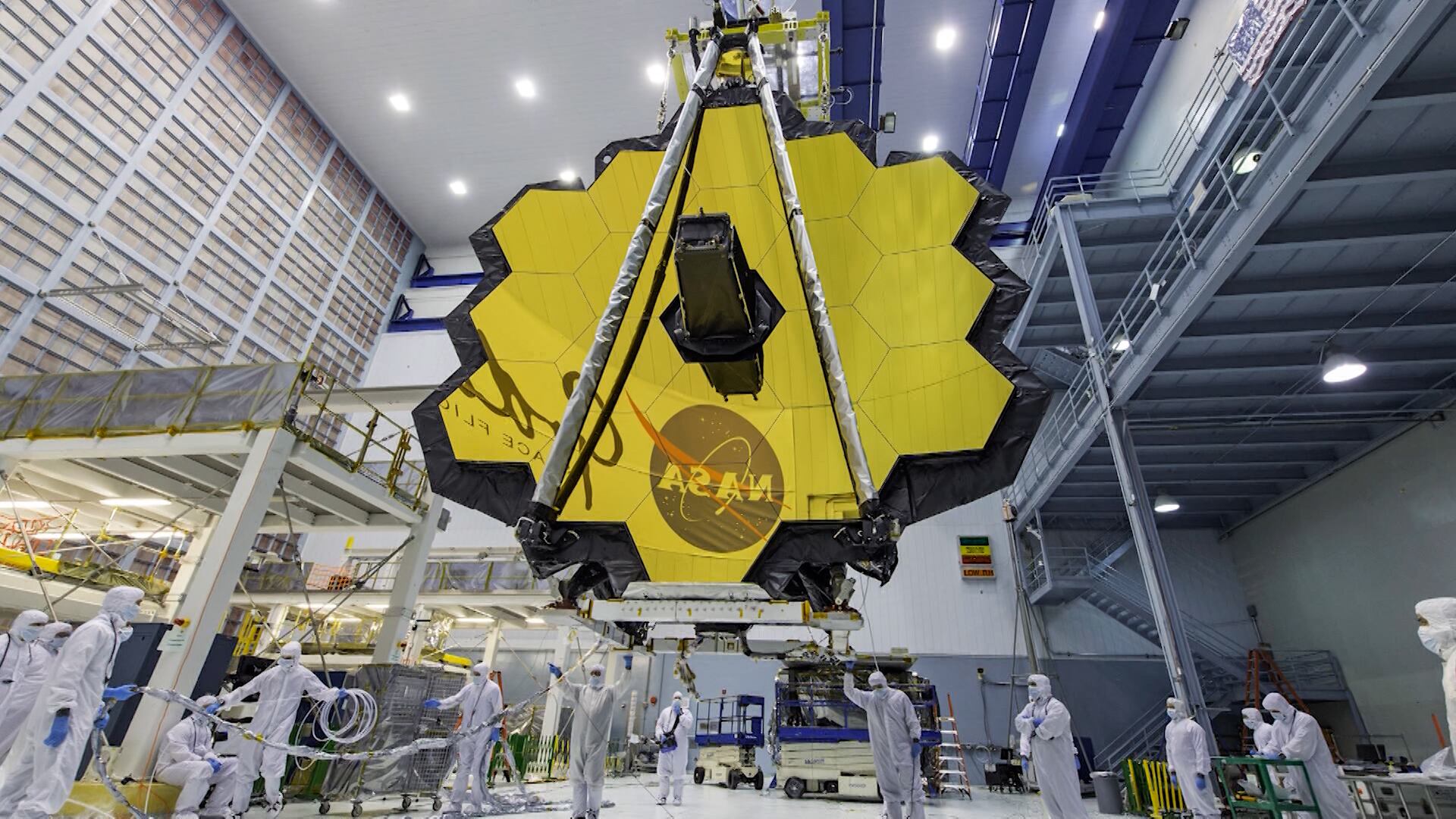
NASA has announced that the first official full-color images will be beamed back to Earth from the James Webb Telescope on July 12. Gregory L. Robinson, the director of the James Webb Space Telescope Program in the NASA Science Mission Directorate, joined Cheddar News to discuss the anticipated image drop. “We expect to see the universe different," he said. "Webb will allow us to see much, much clearer and deeper into the universe."
On this episode of Cheddar Reveals, Professor Laurence Hurst, Director of The Milner Centre for Evolution, discusses the mystery of human evolution that's still baffling scientists: why are humans still evolving, and why has the process sped up? Neville Sanjana, faculty member at NY Genome and New York University, breaks down the latest innovations in CRISPR genetic engineering and its applications from 'designer babies' to curing genetic conditions and diseases; Cheddar gets a look at Curiosity Stream's 'The Butterfly Effect.'
Neville Sanjana, faculty member at NY Genome and New York University, joins Cheddar Reveals to break down the latest innovations in CRISPR genetic engineering and its applications from 'designer babies' to curing genetic conditions and diseases.
Professor Laurence Hurst, Director of The Milner Centre for Evolution, joins Cheddar Reveals to discuss the mystery of human evolution that's still baffling scientists: why are humans still evolving, and why has the process sped up?
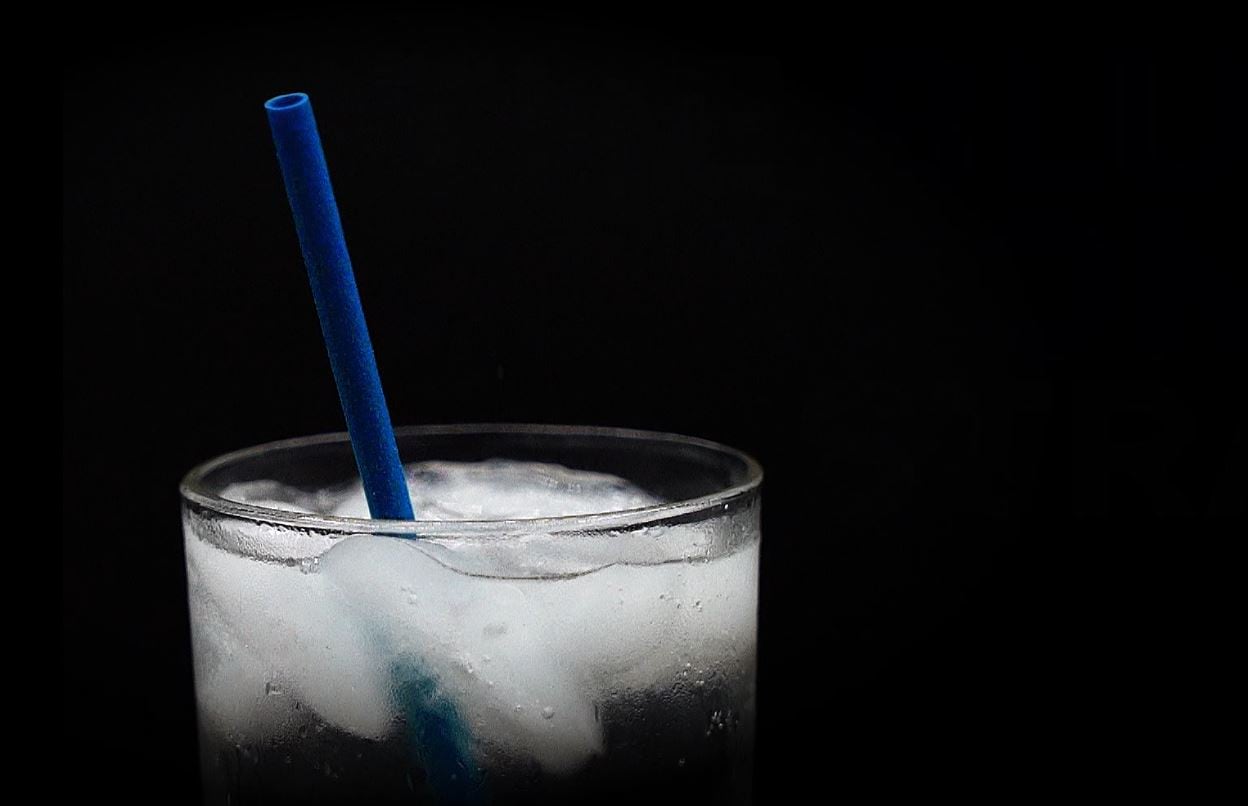
It can be tough to make sustainable choices, and even harder when sustainable materials don't hold up. Loliware has a solution to the plastic straw problem: its seaweed-based straws are stronger than paper alternatives and once used, can be composted and return to the earth or sea without causing harm. Sea Briganti, CEO of Loliware, joins Closing Bell to discuss the tech behind the straws, new product launches, and more.
Umbilical cord blood banking platform Anja Health raised $4.5 million dollars in a seed round led by Seven Seven Six, a venture capital firm founded by Reddit co-founder Alexis Ohanian. Anja Health offers a personalized, doctor-backed cord blood bank, which lets new parents freeze stem cells from their child's umbilical cord so they can be used to treat diseases in the future. It's a process Anja has called 'Hollywood's best-kept secret,' as celebrities like Kylie Jenner, Serena Williams, and more have all banked their umbilical cord blood. Kathryn Cross, the founder of Anja Health, joins Cheddar News' Closing Bell to discuss.