Harvard University's Edmond J. Center for Ethics has launched a research initiative to help answer the question looming on most people's minds: when will the coronavirus quarantines end?
Danielle Allen, director of the center, told Cheddar that ending quarantine will require a robust social effort involving potentially thousands of workers and brand new technology solutions.
In the past, best practices for a quarantine order included setting a deadline to protect individual rights and set expectations, but COVID-19 presented too many unknown variables for lawmakers to come out of the gate with a set date for letting people return to normal.
"It was absolutely reasonable in this case that people issued orders with indefinite duration," Allen said. "This disease is so new and has so many distinctive features that it has been very hard for people to completely master its shape, its parameters. We did sort of need that blunt instrument."
But more than a month since the first stay-at-home orders went into effect, there is widespread demand for more information about when to expect state and local quarantine orders to end.
"It's going to take massively scaling up testing, tracing, and supportive isolation," Allen said.
Testing is perhaps the most widely understood post-quarantine measure, but it's also one of the most logistically complicated. Governors are currently making the case that heavy federal support will be necessary to produce the supply of tests needed to cover the entire U.S.
Tracing presents challenges as well, but there are a number of available options to pull it off.
"Contact tracing is one of the oldest and most important tools in the public health toolkit," Allen said.
The old-fashioned way to handle tracing is to do it manually. Individual investigators interview positive cases about where they've been and who they've been in contact with over the last two weeks.
"Can you actually achieve that with people, with person power doing all that contact tracing, or do also you need tech support?" Allen said. "Right now, I think the jury is out."
She pointed to a proposal from Johns Hopkins University recommending that the federal government invest in 100,000 paid or volunteer contact tracers to spread out across the country.
On the technology side, Allen highlighted Bluetooth-based apps that would help you track interactions for rolling two-week periods. That way, if someone comes up positive, the people they contacted could be warned.
Lastly, shifting to supportive isolation would be a step down from current stay-at-home orders.
"[Supportive isolation] is when you're infected and then you stay home, but it means people who aren't infected don't have to stay home," she said.
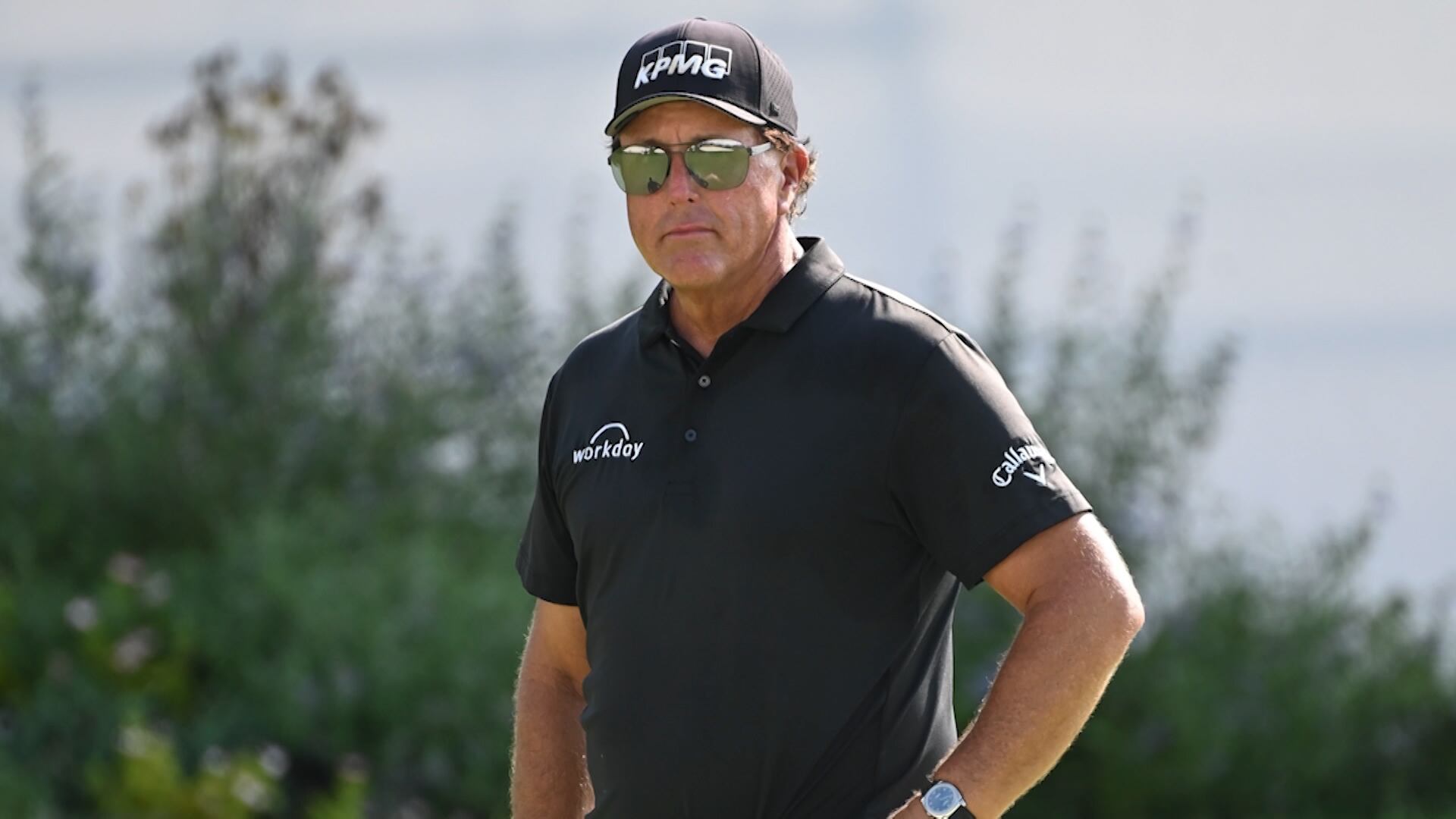
The PGA has suspended 17 golfers, including Phil Mickelson and Dustin Johnson, who are competing in a Saudi-backed golf event outside of London. In a memo, commissioner Jay Monahan said "these players have made their choice for their own financial-based reasons", announcing they are ineligible to participate on the PGA tour or any other tours it sanctions. Hugh Kellenberger, Senior Managing Editor at the Athletic, breaks down the controversy, and what might happen next.
U.S. stocks closed Friday at session lows after May CPI data showed inflation in the U.S. has not peaked and is still rising rapidly. For the week, the S&P fell 5.06%, the Dow lost 4.58%, and the Nasdaq dropped 5.60%, marking the worst week since January for all three major indexes. Mike Zigmont, Head of Trading and Research at Harvest Volatility Management, joins Cheddar News' Closing Bell to discuss.
Benefits brokerage, Nava Benefits, raised $40 million in a Series B round. Nava says it's on a mission to fix healthcare, one benefits plan at a time. The startup is working to bring benefits to small business that are normally available to only Fortune 500 companies. Brandon Weber, Co-Founder and CEO of Nava Benefits, joined Cheddar News' Closing Bell to discuss.
The House Select Committee investigating the Jan. 6 riots on Capitol Hill held its first primetime hearing on Thursday. Cheddar News speaks with legal analyst Tracy Pearson, who breaks down the biggest takeaways.
Fuel and oil prices have risen almost 17 percent since May, making the national gas prices reach nearly $5 a gallon. Andrew Lipow from consulting firm Lipow Oil Associates joined Cheddar News to discuss the future of gas prices. "The biggest issue on the oil market is really events that are beyond our control, which is what is happening over in Europe," he said, regarding the ongoing Russia Ukraine war. Lipow also said he predicted gas prices to hit $5.05 and that he's focused on the Biden administration's overtures in repairing a relationship with Saudi Arabia.
March For Our Lives will be returning this weekend to Washington, DC, in the wake of the recent mass shooting seen throughout the country. Marchers include Yolanda Renee King, the only granddaughter of Martin Luther King Jr. She joined Cheddar News to discuss the importance of the march and activism in general. "I just think that it's so important to have these rallies because we need to demand to our leaders and politicians that they pass legislation and that and we actually need to see action," she said.
Erika Alexander and Whitney Dow, directors of 'The Big Payback,' join Cheddar News to discuss their new film, 'The Big Payback.' It premieres Saturday, June 11 at the Tribeca Festival.
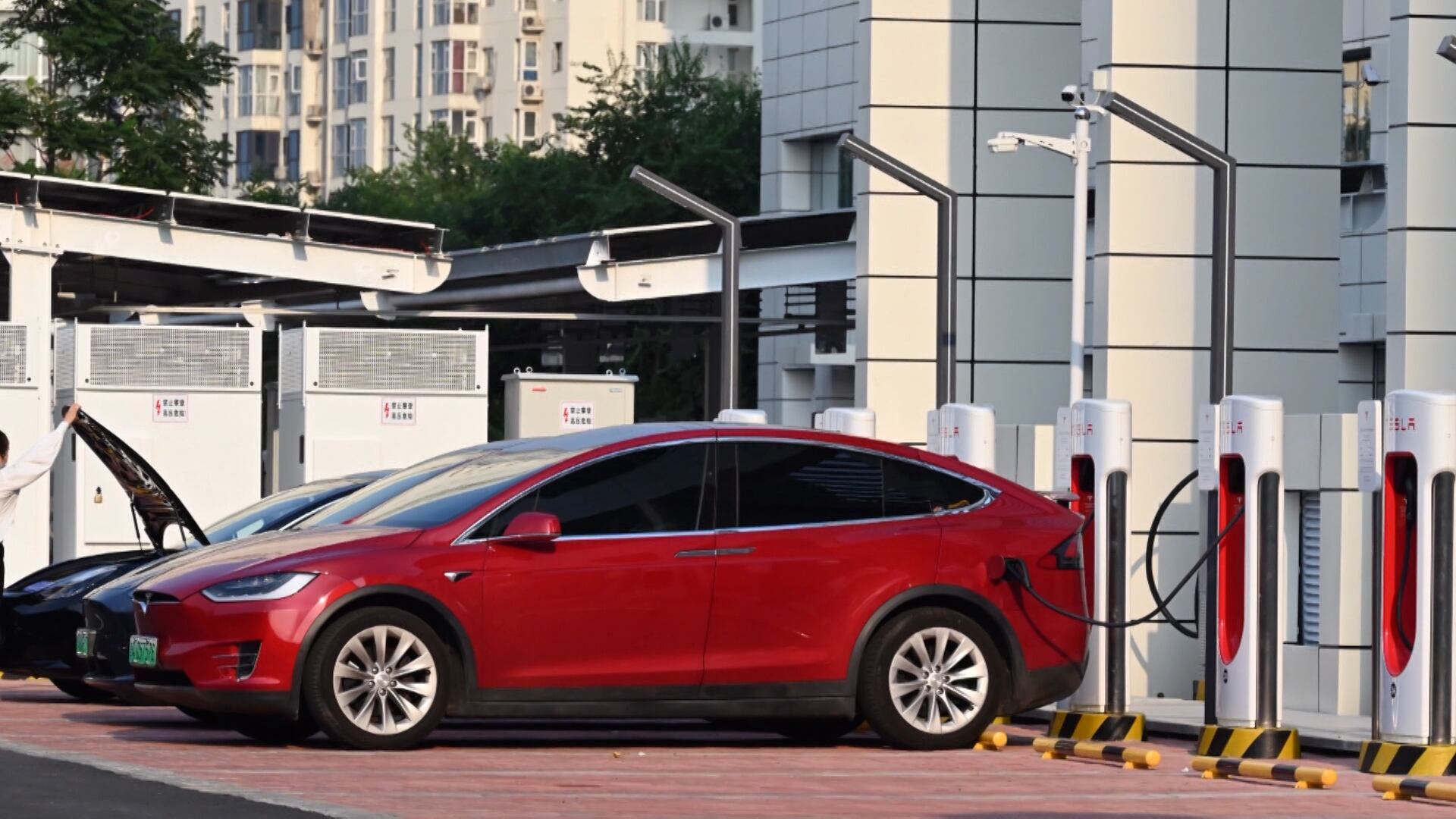
President Biden proposed a new rule that would add 500,000 chargers for electric vehicles nationwide. The proposal comes amid the rapid shift to EVs with dozens of automakers announcing plans for all-electric fleets within the next decade. But with the new surge will the U.S. have the proper infrastructure to keep up? Scott Painter, founder and CEO of Autonomy.com joined Cheddar's Opening Bell to discuss. "I really think the idea of standardization is a big deal. Standardization certainly makes it much better for everybody to be able to get a charge when they need one," he said.
The House select committee investigating the January 6th riots on Capitol Hill is opening its landmark series of public hearings. Cheddar News speaks with Mike Sozan, senior fellow at the Center for American Progress who explains how to follow the hearings and what to expect.