*By Conor White*
Apple, the world's most valuable publicly traded company, may be seriously undervalued, said longtime tech investor Eric Jackson, founder and president at EMJ Capital. He told Cheddar that the iPhone maker should've crossed the $1 trillion threshold long ago.
"This is a company that should be valued as a services business instead of a discreet product business, which is, as long as I can remember, how this company has been valued," he said in an interview Friday.
Jackson estimated Apple's value closer to $1.5 trillion, and he views it as a service-oriented company, much like Salesforce and Google, which get traded at roughly six times price-to-sales multiple.
Though many investors consider Apple a hardware company, Jackson said most consumers have a different relationship with Apple's products.
"Your relationship with your iPhone itself is a long-term service commitment," he said. "Even though you don't have a contract that says your next iPhone you're going to upgrade in one year or two years, who among us who owns an iPhone is not going to, in three to four years, upgrade to the latest and greatest iPhone?"
As bullish as Jackson is on Apple, he admitted China ー and consumers in other countries ー may stunt the company's growth because the iPhone faces competition from cheaper smartphones.
"China is a challenge, for sure, probably the biggest challenge that Apple faces in that regard because you have other services like WeChat that can potentially get in between your personal relationship with the phone," Jackson said.
For more on this story, [click here](https://cheddar.com/videos/why-one-investor-believes-apple-is-worth-more-than-1-trillion).
Citi recently began collaborating with fitness entrepreneur Tracy Anderson to promote its Custom Cash Credit card. Pam Habner, CEO of U.S. Branded Cards for Citi, along with Tracy Anderson, creator of The Tracy Anderson Method, joined Cheddar to discuss how health and fitness matched up with a cash back credit card. "The fact that Citi is going 'hey if you lead a healthy lifestyle, we're going to help you out. We understand that it's more expensive and we're going to give you cash back for living your best life,'" Anderson said about the partnership, which also includes a custom promotional Spotify playlist.
Stocks closed lower Thursday amid continued volatility. The S&P 500 was down 10% from its record high, the Dow was down 7%, and the Nasdaq was 4% away from bear market territory as it closed 16% below its record high. Investors are still processing this week's Federal Reserve announcement about a potential first rate hike in March. Chris Gaffney, President of World Markets at TIAA Bank, joins Cheddar News' Closing Bell to discuss today's close, the Fed's announcement, predictions about interest rate hikes, and more.
Low-code app development platform Crowdbotics raised $22 million in a Series A funding round led by Jackson Square Ventures. Crowdbotics has helped more than 14,000 customers launch apps without having to learn how to code. The company can offer a team of expert developers to help companies launch custom apps, or provide the means for companies to develop apps themselves. Crowdbotics CEO Anand Kulkarni joined Cheddar News' Closing Bell to discuss.
Comcast announced that the company has beaten its projected earnings for Q4. However, the telecommunications giant fell short of its predictions for customer growth.
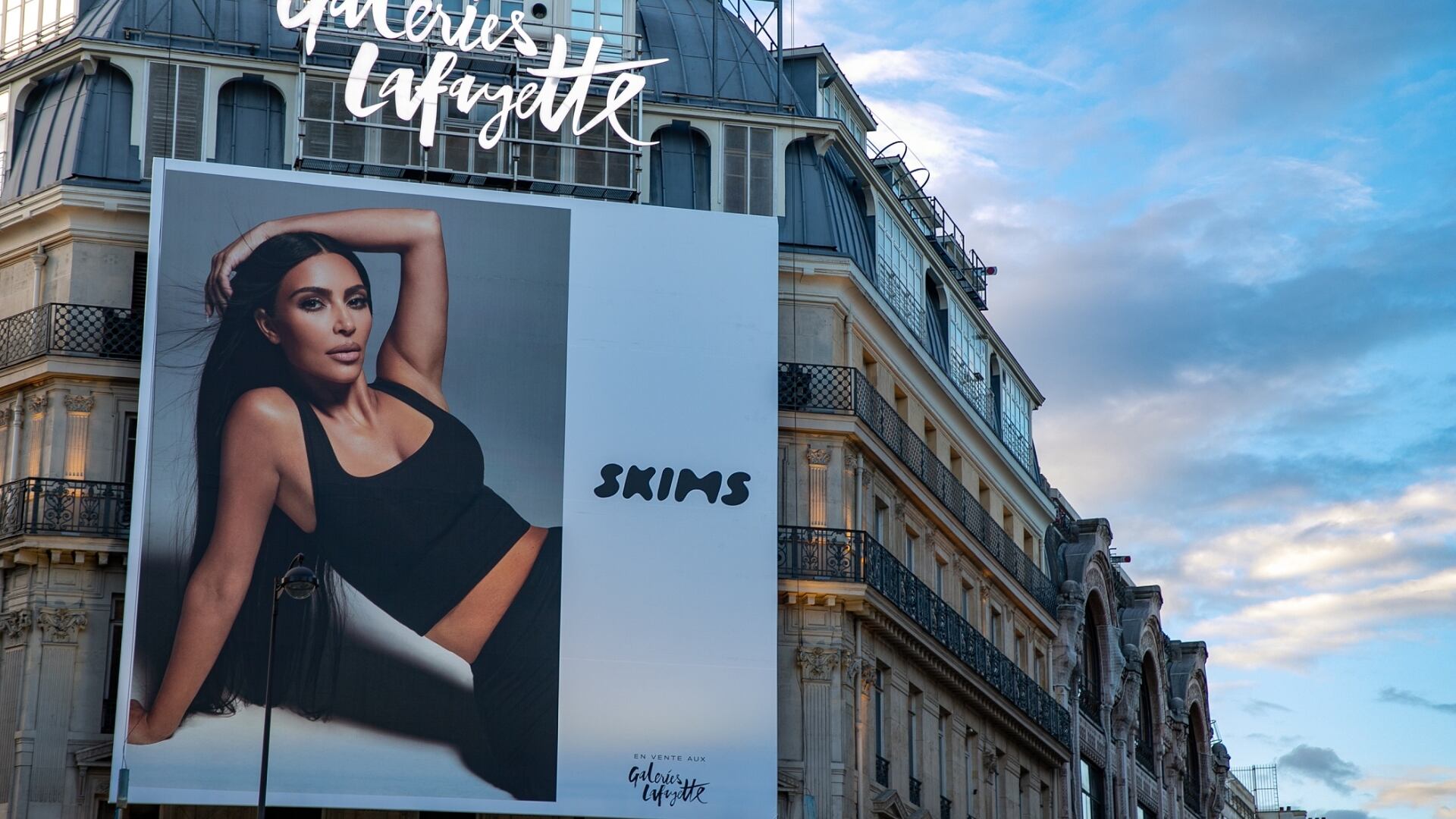
Kim Kardashian’s shapewear brand Skims has doubled its valuation to $3.2 billion. Investors have taken a bet on the success of this brand in the form of fresh funds for the two-year-old company.
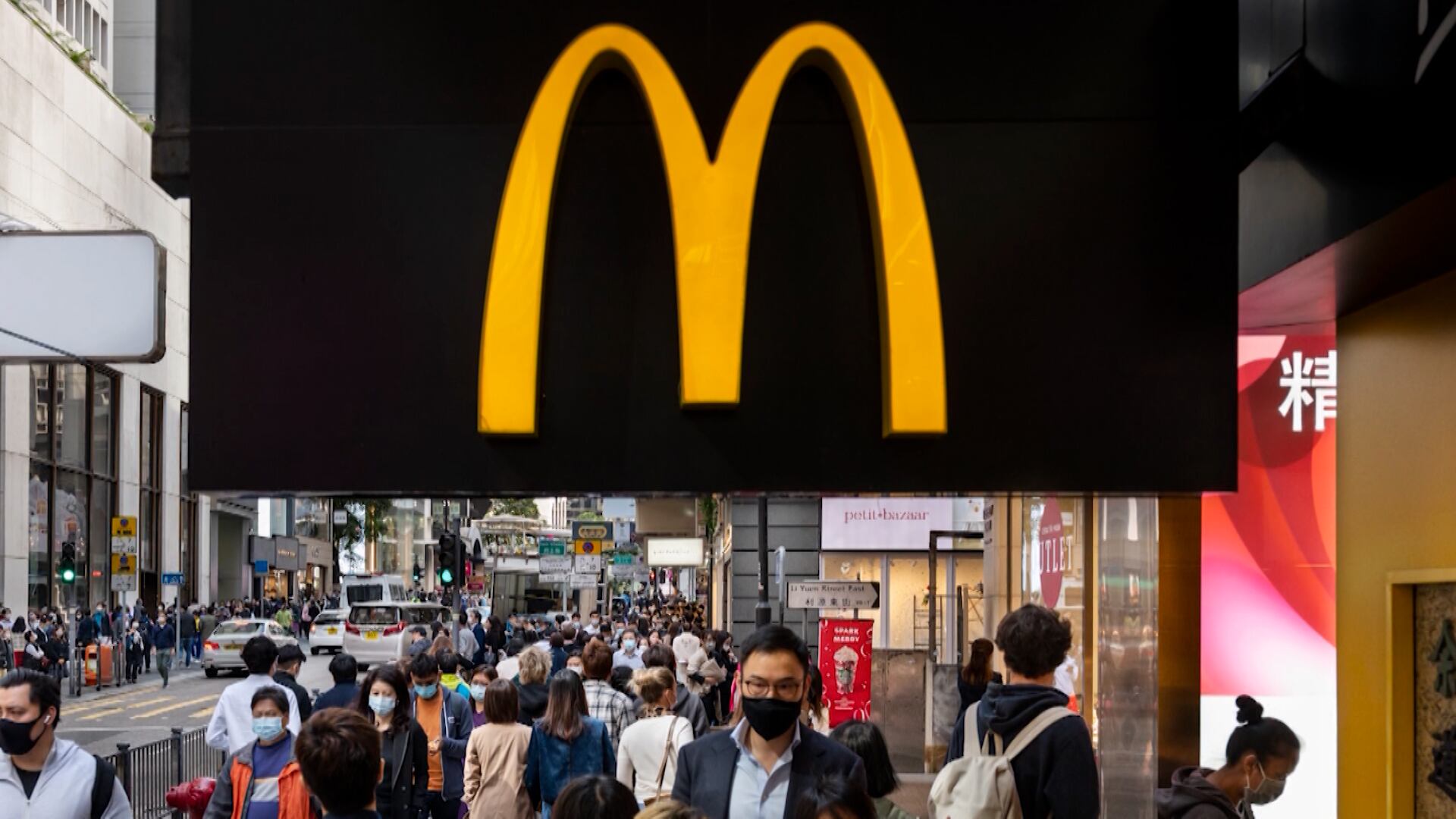
McDonald's missed on both the top and bottom lines in its Q4 earnings, marking the fourth loss for the fast-food giant in the past eight quarters. It comes as higher costs from food to wages ate into the blue-chip company's profits. George Seay, CEO of investment advisor Annandale Capital, joined Wake Up with Cheddar to discuss the recent numbers and the better-than-expected success of the McPlant burger made with plant-based Beyond Meat. "They're changing with the times, and they have to," Seay noted. "You can just sell a Big Mac to everybody. There's a lot of people who don't want to eat a Big Mac anymore."