*By Conor White*
Apple, the world's most valuable publicly traded company, may be seriously undervalued, said longtime tech investor Eric Jackson, founder and president at EMJ Capital. He told Cheddar that the iPhone maker should've crossed the $1 trillion threshold long ago.
"This is a company that should be valued as a services business instead of a discreet product business, which is, as long as I can remember, how this company has been valued," he said in an interview Friday.
Jackson estimated Apple's value closer to $1.5 trillion, and he views it as a service-oriented company, much like Salesforce and Google, which get traded at roughly six times price-to-sales multiple.
Though many investors consider Apple a hardware company, Jackson said most consumers have a different relationship with Apple's products.
"Your relationship with your iPhone itself is a long-term service commitment," he said. "Even though you don't have a contract that says your next iPhone you're going to upgrade in one year or two years, who among us who owns an iPhone is not going to, in three to four years, upgrade to the latest and greatest iPhone?"
As bullish as Jackson is on Apple, he admitted China ー and consumers in other countries ー may stunt the company's growth because the iPhone faces competition from cheaper smartphones.
"China is a challenge, for sure, probably the biggest challenge that Apple faces in that regard because you have other services like WeChat that can potentially get in between your personal relationship with the phone," Jackson said.
For more on this story, [click here](https://cheddar.com/videos/why-one-investor-believes-apple-is-worth-more-than-1-trillion).
Catching you up on the stories you need to know this morning, the U.S. could soon get its first major gun safety law in years, the House Select Committee investigating the January 6th attack on the U.S. capitol holds its second hearing, and today might just be the day the Supreme Court overturns Roe v. Wade, and decides on new gun laws.
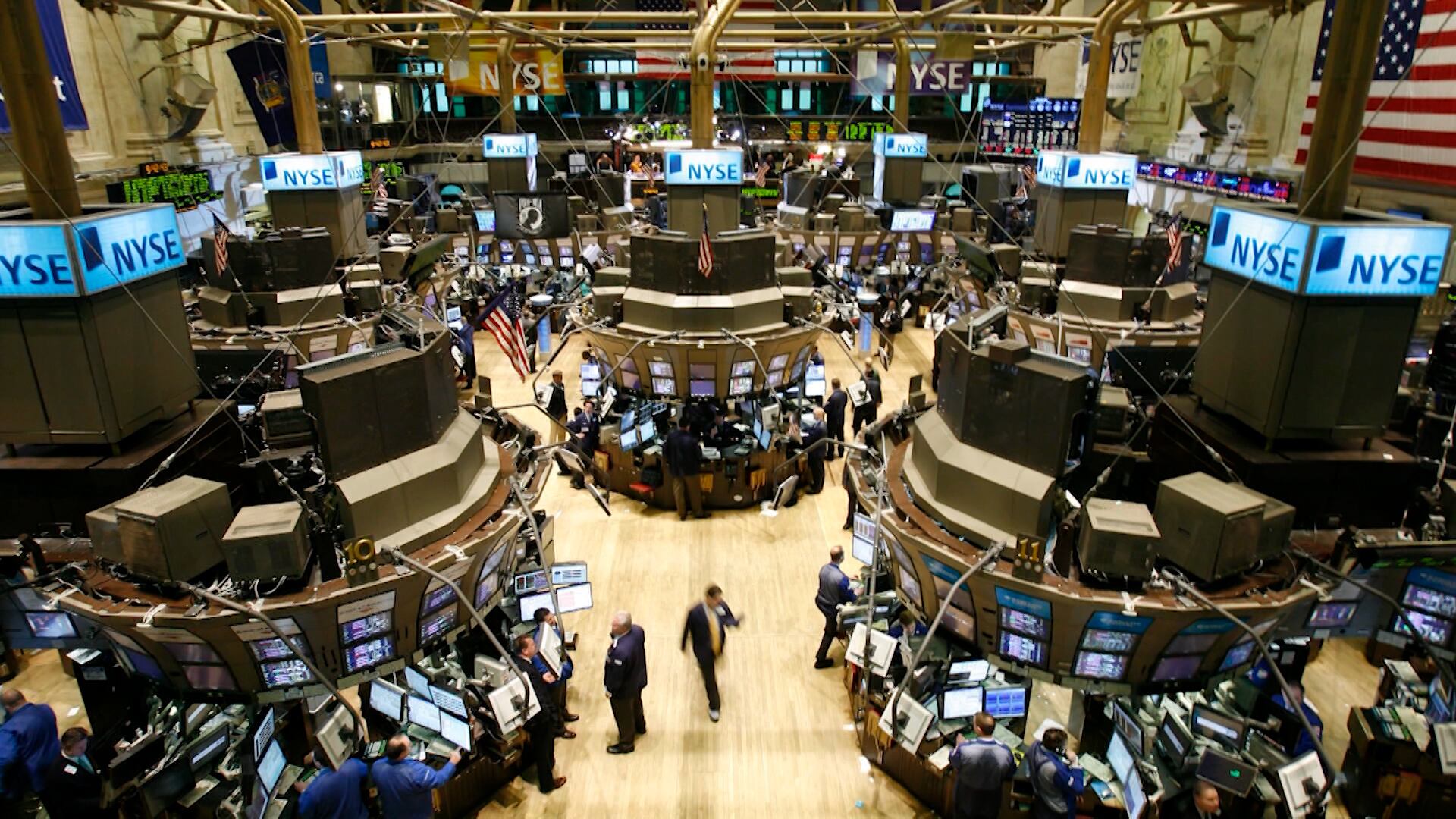
U.S. stocks closed Thursday at their lowest levels of the trading day, as investors continue to eye inflation ahead of the May CPI report out Friday. Art Hogan, Chief Market Strategist for National Holdings, joins Cheddar News' Closing Bell to discuss.
Creating a brand is one of the most important steps in building a business. It can help set you apart from the competition and tells customers what your values are, but many companies don't know how to brand themselves effectively. Tiana Von Johnson, CEO & Chief Brand Strategist of TVJ World, gives expert tips on the do’s and don’ts of branding.
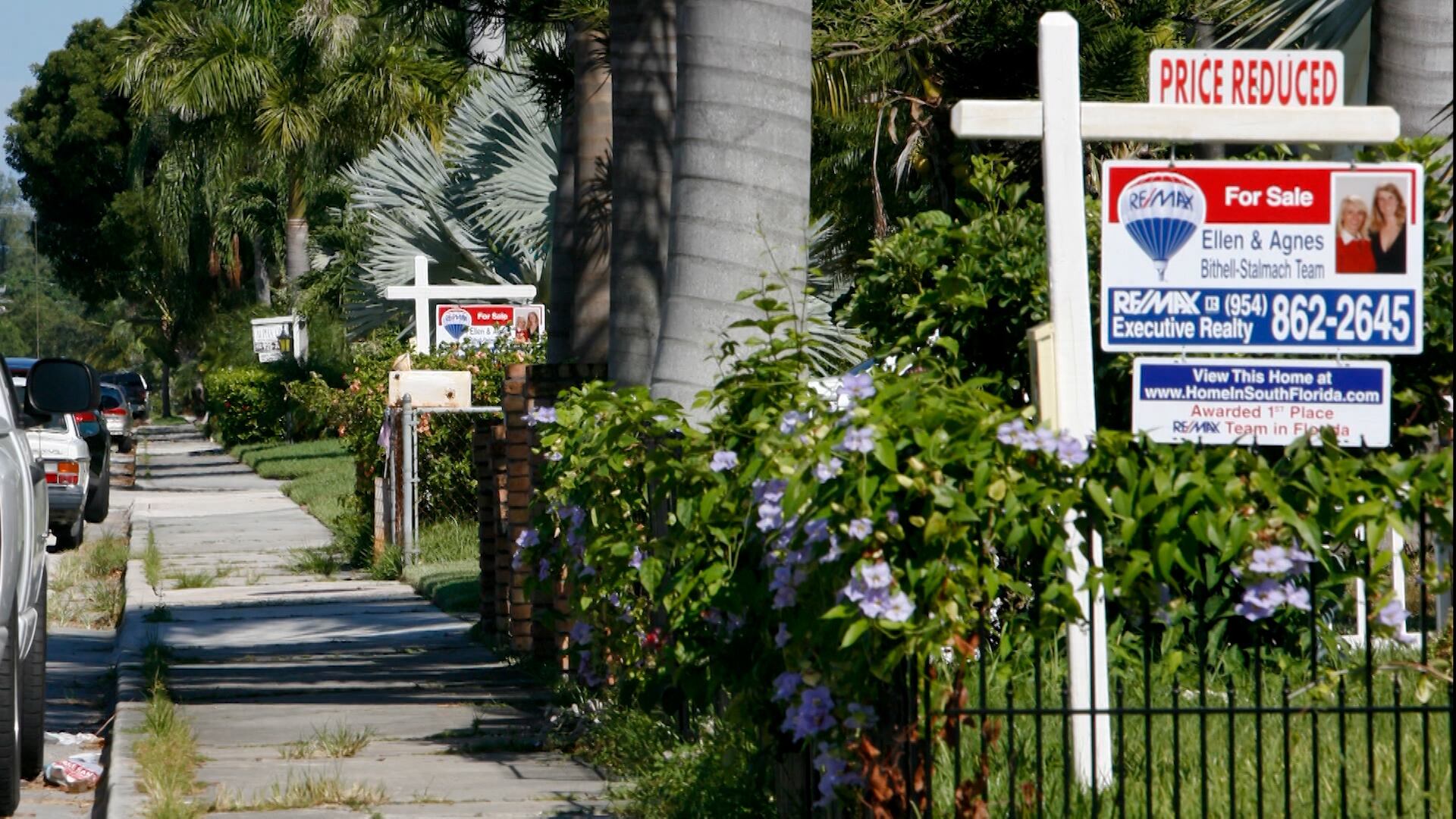
Housing affordability has collapsed to its lowest level on record over the last year. According to the national association of realtors, affordability has dropped by 29%, thanks to surging home prices and mortgage rates. Odeta Kushi, Deputy Chief Economist of First American, breaks down the housing market, and when buyers can expect prices to finally drop.
U.S. markets opened sharply lower on Friday on hotter-than-expected inflation data. The May CPI showed an 8.6% jump in consumer prices year-over-year, higher the expected 8.3%. Mark Howard, Senior Multi-Asset Specialist at BNP Paribas joined Cheddar's Opening Bell to discuss.
U.S. stocks closed Friday at session lows after May CPI data showed inflation in the U.S. has not peaked and is still rising rapidly. For the week, the S&P fell 5.06%, the Dow lost 4.58%, and the Nasdaq dropped 5.60%, marking the worst week since January for all three major indexes. Mike Zigmont, Head of Trading and Research at Harvest Volatility Management, joins Cheddar News' Closing Bell to discuss.
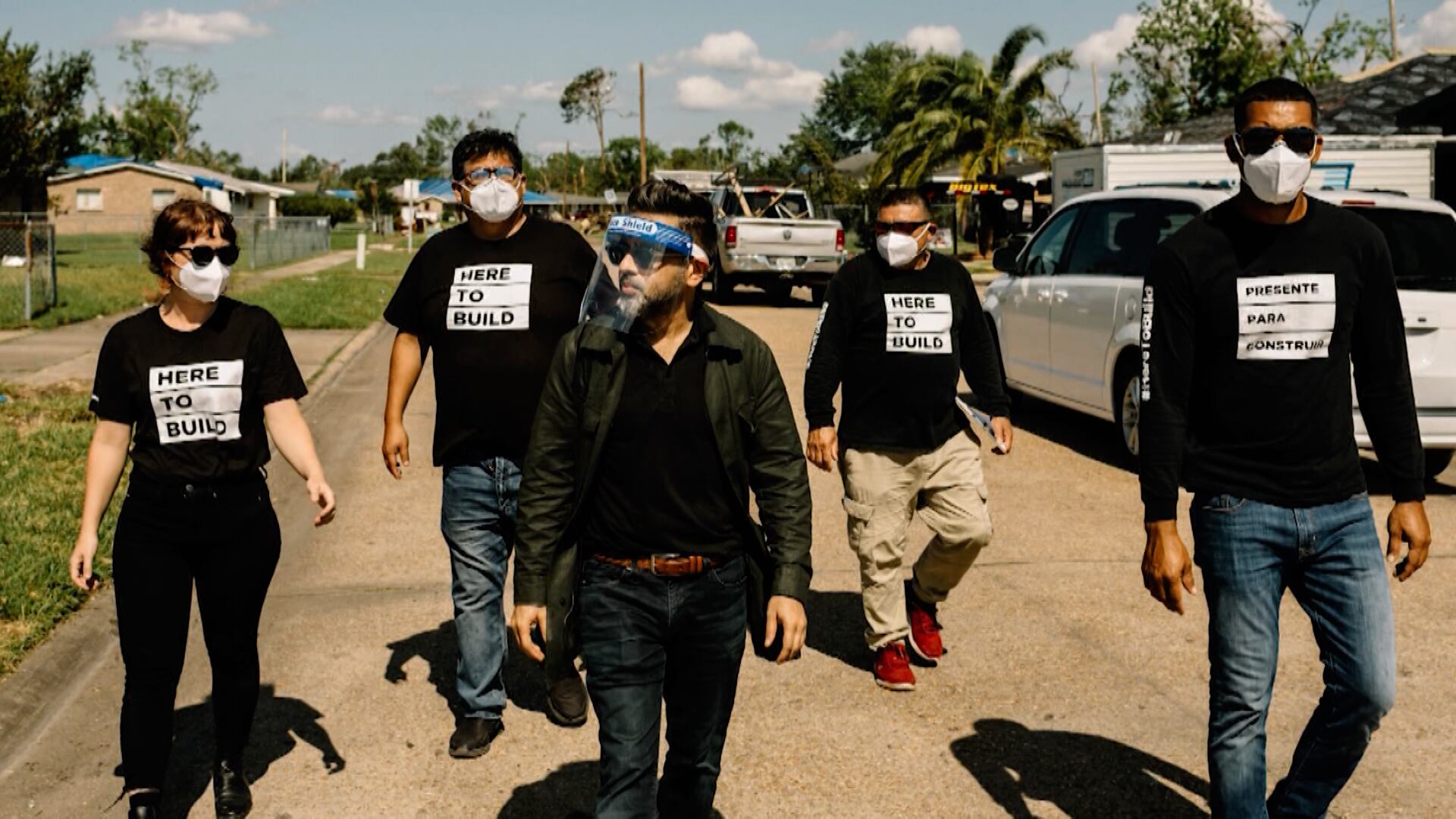
Residents often have to wait on federal assistance after a disaster, but one group has a solution: hiring community members to help clean up and improve their neighborhoods. Resilience Force tackles two problems at once by creating jobs in response to growing climate-related disasters. LaTanja Silvester, director of New Orleans programming for Resilience Force, joins Closing Bell to discuss how the organization creates jobs in communities that need help and higher employment, the importance of creating a "green" workforce, and more.