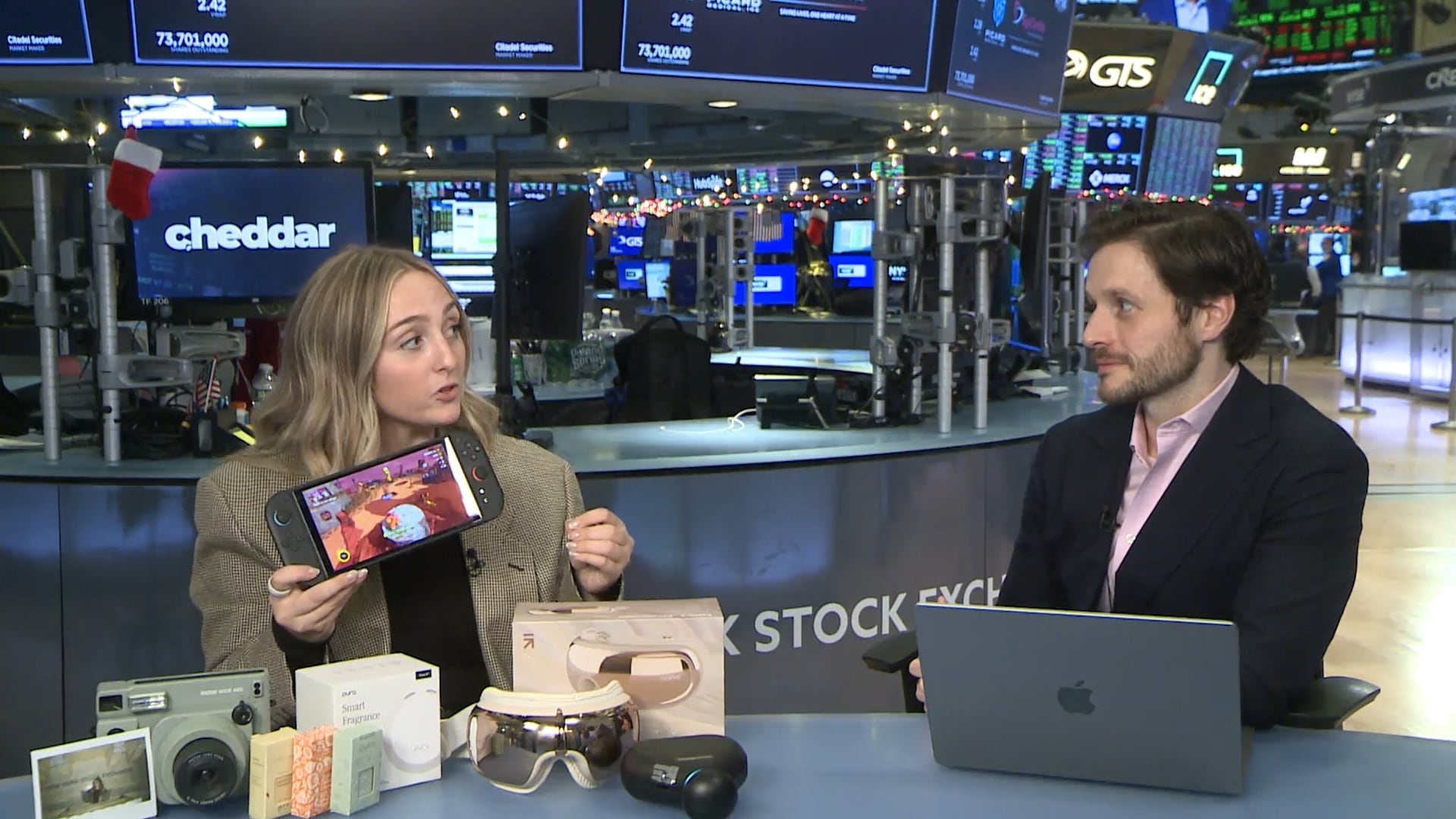
*By Britt Terrell* Elon Musk is a man with ideas...a lot of them. But Vanity Fair's Maya Kosoff wonders if his latest project may be more than he can handle. The Tesla and SpaceX CEO won his bid to build a tunnel from downtown Chicago to O'Hare International Airport, partnering with Mayor Rahm Emanuel to modernize the city's struggling transportation system. The task, though, may be particularly tricky. "With public infrastructure, you have contracts with the government, and digging a tunnel underneath the city literally disrupts people's lives. I think it's more impactful so therefore it's kind of the most difficult (problem) to solve," Kosoff said. The issues are only exacerbated by the fact that the airport link is far from Musk's only project. His SpaceX still aims to send humans to Mars by 2014, and Tesla is developing new cars and trucks, even as it continues to struggle with meeting production targets and burns through cash. And in her article, ["Is Elon Musk Scamming Chicago?"](https://www.vanityfair.com/news/2018/06/is-elon-musk-scamming-chicago), Kosoff points out that the cost and the time it will take to construct the Chicago Express Loop may also be far higher than anticipated. "It's supposed to cost a billion dollars," Kosoff said. "But look at the cost of other public infrastructure projects in the country. It cost a billion dollars to build less than a mile of the expanded Q train on \[New York City's\] Upper East Side." Musk estimates the 18-mile track will take three years to complete and says his Boring Company - not taxpayers - will foot the bill. For the full interview, [click here](https://cheddar.com/videos/elon-musks-next-big-endeavor).