Elon Musk's Chicago Loop May Be Ambitious to a Fault
*By Britt Terrell*
Elon Musk is a man with ideas...a lot of them.
But Vanity Fair's Maya Kosoff wonders if his latest project may be more than he can handle.
The Tesla and SpaceX CEO won his bid to build a tunnel from downtown Chicago to O'Hare International Airport, partnering with Mayor Rahm Emanuel to modernize the city's struggling transportation system.
The task, though, may be particularly tricky.
"With public infrastructure, you have contracts with the government, and digging a tunnel underneath the city literally disrupts people's lives. I think it's more impactful so therefore it's kind of the most difficult (problem) to solve," Kosoff said.
The issues are only exacerbated by the fact that the airport link is far from Musk's only project. His SpaceX still aims to send humans to Mars by 2014, and Tesla is developing new cars and trucks, even as it continues to struggle with meeting production targets and burns through cash.
And in her article, ["Is Elon Musk Scamming Chicago?"](https://www.vanityfair.com/news/2018/06/is-elon-musk-scamming-chicago), Kosoff points out that the cost and the time it will take to construct the Chicago Express Loop may also be far higher than anticipated.
"It's supposed to cost a billion dollars," Kosoff said. "But look at the cost of other public infrastructure projects in the country. It cost a billion dollars to build less than a mile of the expanded Q train on \[New York City's\] Upper East Side."
Musk estimates the 18-mile track will take three years to complete and says his Boring Company - not taxpayers - will foot the bill.
For the full interview, [click here](https://cheddar.com/videos/elon-musks-next-big-endeavor).
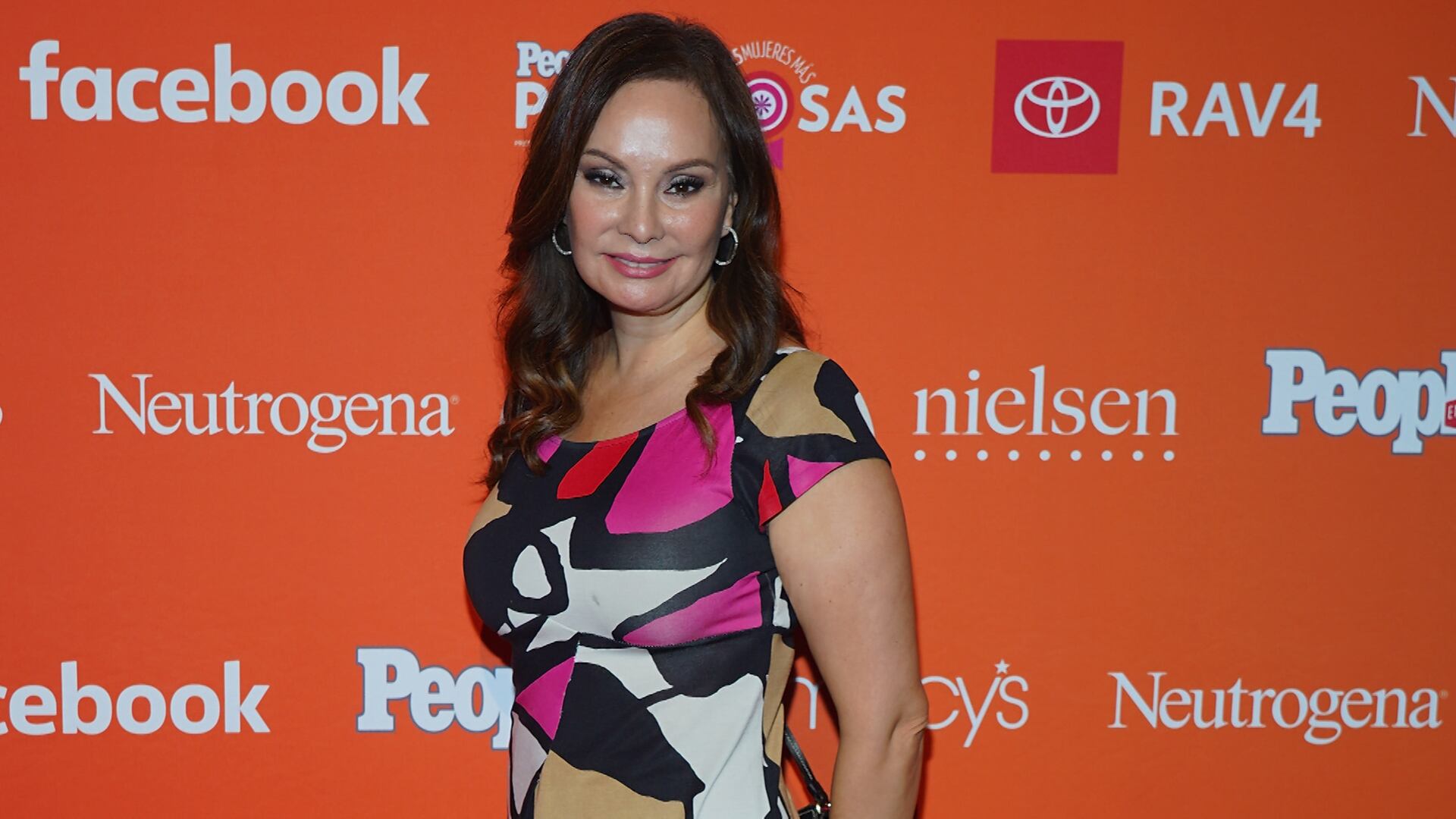
'Unicorn Hunters' gives business owners the potential of reaching a billion-dollar valuation, but before they can get the capital they have to impress the 'Circle of Money.' Rosie Rios, former U.S. Treasurer and co-host of 'Unicorn Hunters,' joins Cheddar News to talk more about the show.
Stocks closed lower Thursday, with the Nasdaq falling close to 2.5% for its worst day since September. Tech stocks dragged on the index, which is down nearly 3% for the week. Investors are continuing to respond to the Federal Reserve's taper timeline and interest rate announcement, as well as keeping an eye on the COVID-19 omicron variant as cases spike in major metropolitan areas like New York. David Sadkin, president and partner at Bel Air Investment Advisors, joins Cheddar News' Closing Bell to discuss.
There's a new ETF designed to offer investors exposure to 'meme stocks.' Roundhill Investments launched it earlier this month and says the ETF is the first that is explicitly designed to track the performance of meme stocks. Roundhill Investments Vice President of Research Mario Stefanidis joins Cheddar News' Closing Bell to discuss.
Jared Madfes, Partner at Tribe Capital, joins Cheddar's Closing Bell, where he says crypto investors should continue to focus on the long-term despite the recent price boost in the hours following Wednesday's Fed decision.
Mobile bill payment application Papaya recently raised $50 million in a series B round led by Bessemer Venture Partners.
Papaya lets users take a photo of any bill, and the app's AI-powered 'bill understanding technology' pays the bill in seconds. The company says its goal is to help people spend more time on things that matter, by making bill-paying as painless and quick as possible. Papaya CEO and co-founder Patrick Kann joined Cheddar News' Closing Bell to discuss.
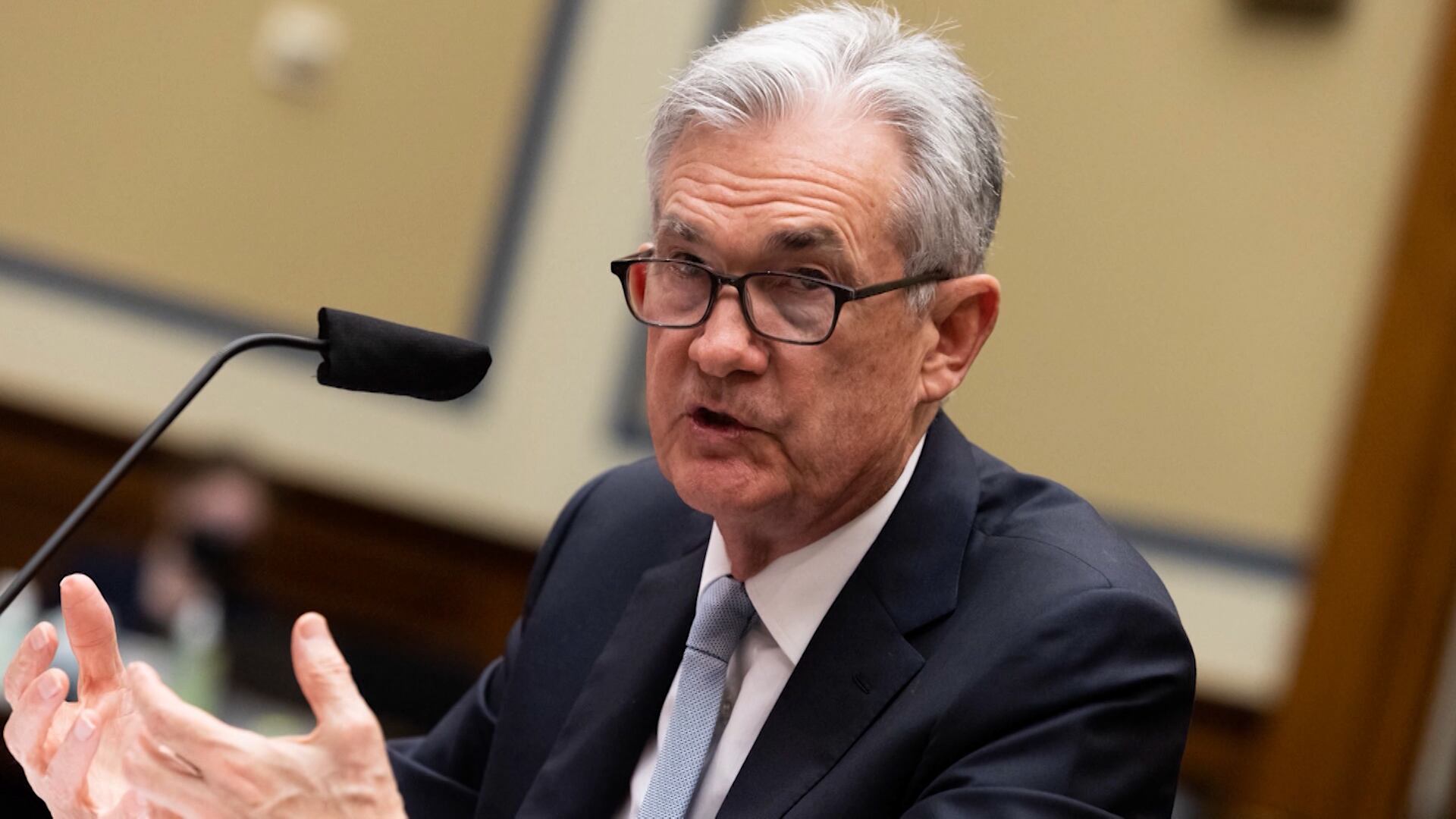
Markets jumped on the Federal Reserve's announcement it would speed up its tapering timeline and institute three rate hikes in 2022 — but that was before the COVID-19 omicron variant seemed to be a threat. This announcement also comes as it took the central bank a number of weeks to recognize that inflation does not seem to be transitory as consumers feel price pressure across the board. Bill Adams, senior economist at PNC, joins Cheddar News' Closing Bell to discuss the Fed's moves, how the ongoing pandemic could continue to impact the economy, the Fed's dual mandate, and more.