Elon Musk's Chicago Loop May Be Ambitious to a Fault
*By Britt Terrell*
Elon Musk is a man with ideas...a lot of them.
But Vanity Fair's Maya Kosoff wonders if his latest project may be more than he can handle.
The Tesla and SpaceX CEO won his bid to build a tunnel from downtown Chicago to O'Hare International Airport, partnering with Mayor Rahm Emanuel to modernize the city's struggling transportation system.
The task, though, may be particularly tricky.
"With public infrastructure, you have contracts with the government, and digging a tunnel underneath the city literally disrupts people's lives. I think it's more impactful so therefore it's kind of the most difficult (problem) to solve," Kosoff said.
The issues are only exacerbated by the fact that the airport link is far from Musk's only project. His SpaceX still aims to send humans to Mars by 2014, and Tesla is developing new cars and trucks, even as it continues to struggle with meeting production targets and burns through cash.
And in her article, ["Is Elon Musk Scamming Chicago?"](https://www.vanityfair.com/news/2018/06/is-elon-musk-scamming-chicago), Kosoff points out that the cost and the time it will take to construct the Chicago Express Loop may also be far higher than anticipated.
"It's supposed to cost a billion dollars," Kosoff said. "But look at the cost of other public infrastructure projects in the country. It cost a billion dollars to build less than a mile of the expanded Q train on \[New York City's\] Upper East Side."
Musk estimates the 18-mile track will take three years to complete and says his Boring Company - not taxpayers - will foot the bill.
For the full interview, [click here](https://cheddar.com/videos/elon-musks-next-big-endeavor).
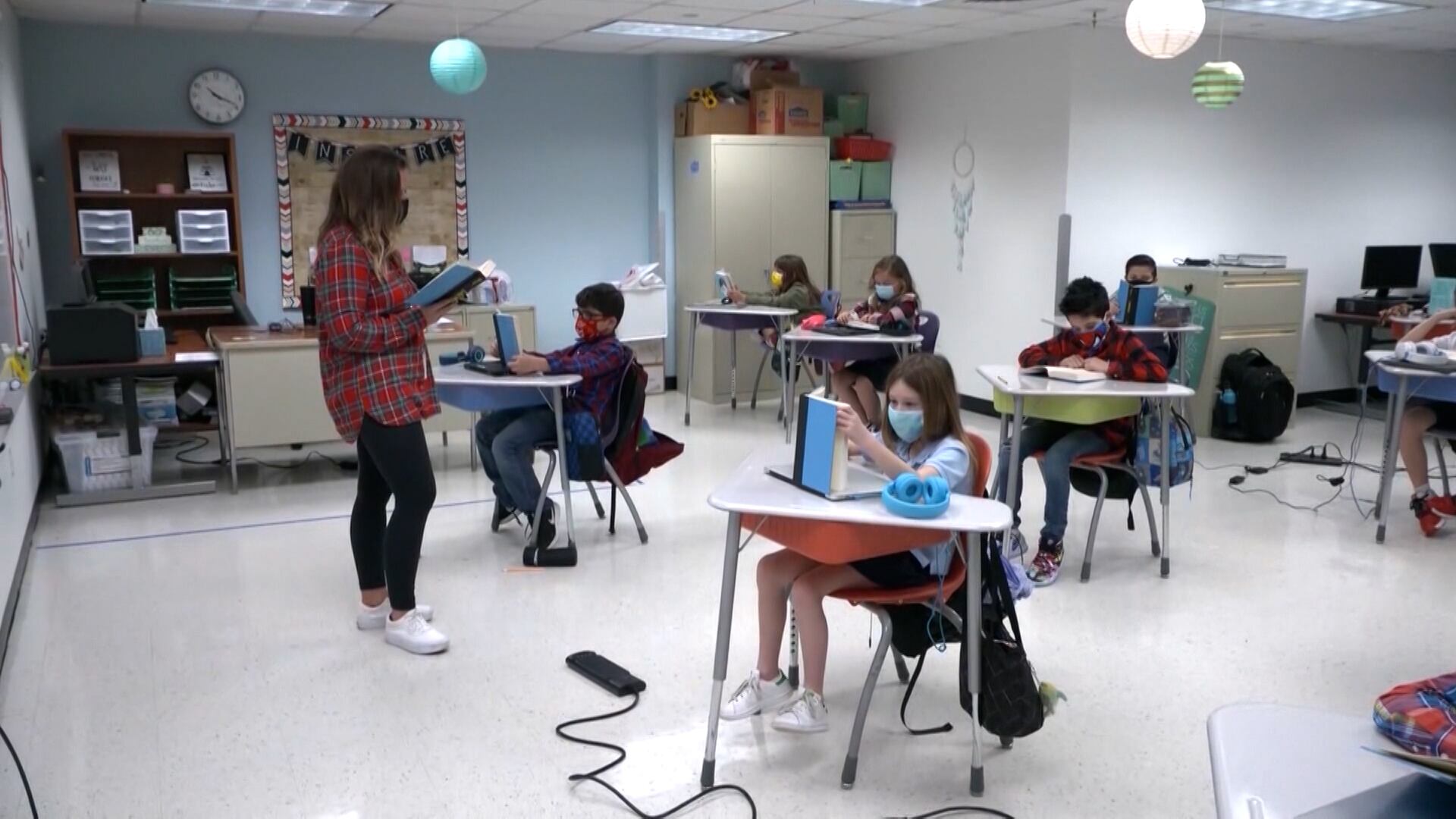
Jared C. Bass, senior director for Higher Education at the Center for American Progress, joins Cheddar News to discuss how schools are navigating the Omicron variant.
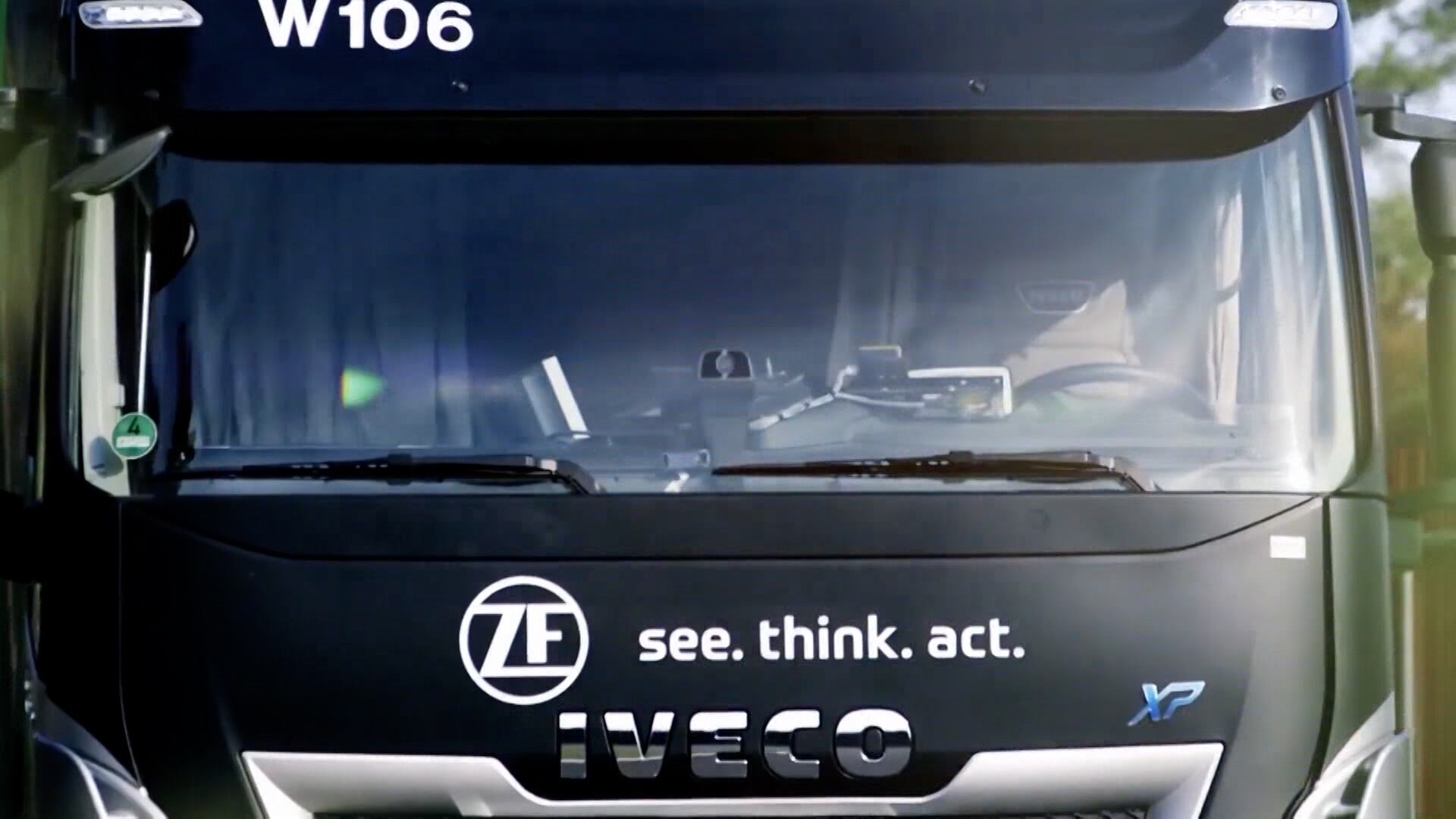
Martin Fischer, president of technology supplier for cars and commercial vehicles ZF North America, joined Cheddar to discuss the company's solutions for next-generation mobility in autonomous vehicles and its plans to usher in the next phase of electric vehicles. He also talked about the rising demand for self-driving technology on a global scale. "Whereas we are really active also there for passenger cars and commercial vehicles, what we showcase at CES now virtually is our autonomous shuttles," he said. "So, what that means is we bring these vehicles to busy city centers and can take traffic levels down."
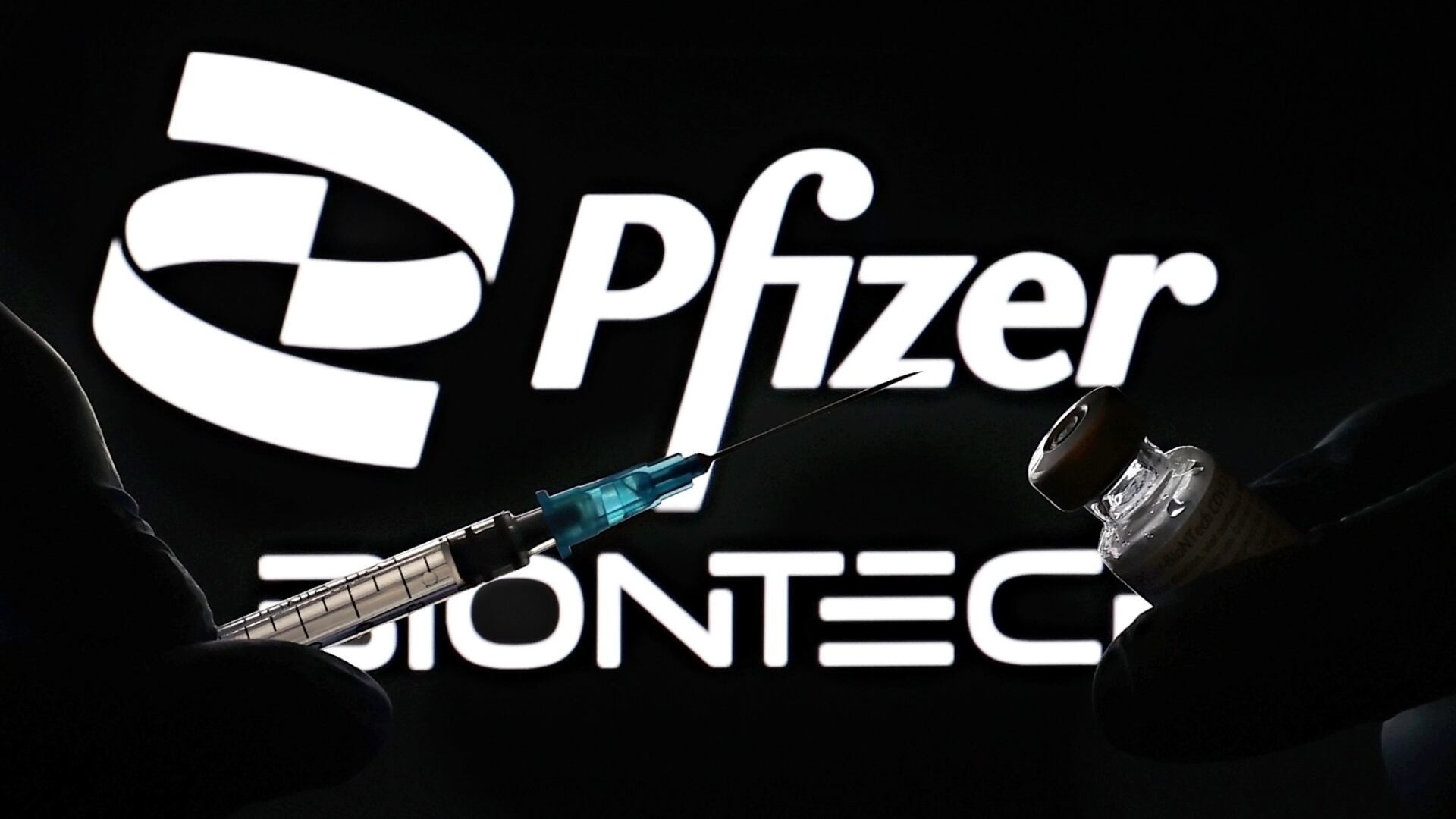
Pfizer and BioNTech are working to develop an mRNA-based shingles vaccine following the success of the COVID-19 shot. This latest collaboration will mark the third time the pharmaceutical companies have worked together on a vaccine.
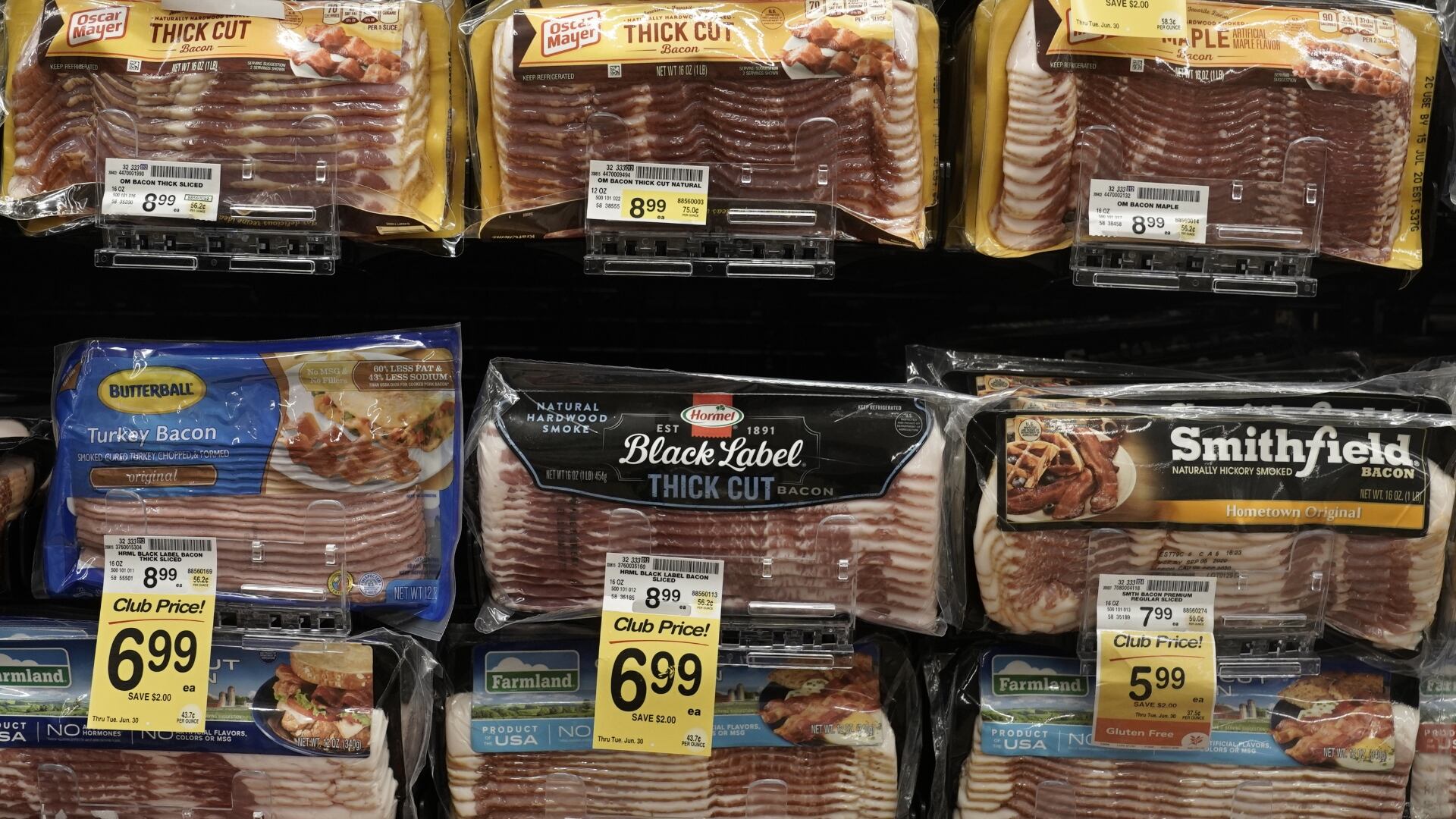
On Monday, President Biden announced his new plan to take on inflation by taking down the big meat monopolies - turning to the federal government's antitrust authorities to investigate the major meatpackers that control a significant share of the market. The White House plans to devote one billion dollars to aiding independent meat and poultry producers in an effort to undercut the few powerful meat producers that have control of the sector. Austin Frerick, deputy director of Thurman Arnold Project at Yale, joins Cheddar News to discuss.
Flight cancellations remain high nearly two weeks after the Christmas holiday, with more than 1,400 counted on Tuesday. Carriers are facing a number of factors including staff shortages linked to COVID-19 spread as well as inclement weather.
SGH, formerly known as Smart Global Holdings, reported Q1 earnings after the bell on Tuesday. The holdings company reported solid net sales, up a whopping 60 percent from the same period last year, marking its seventh consecutive quarter of year-over-year revenue growth. SGH also announced a two-for-one share split in the form of a share dividend of one ordinary share for every one ordinary share owned. Mark Adams, CEO, SGH and Former President, Micron, joined Wake Up with Cheddar to discuss.
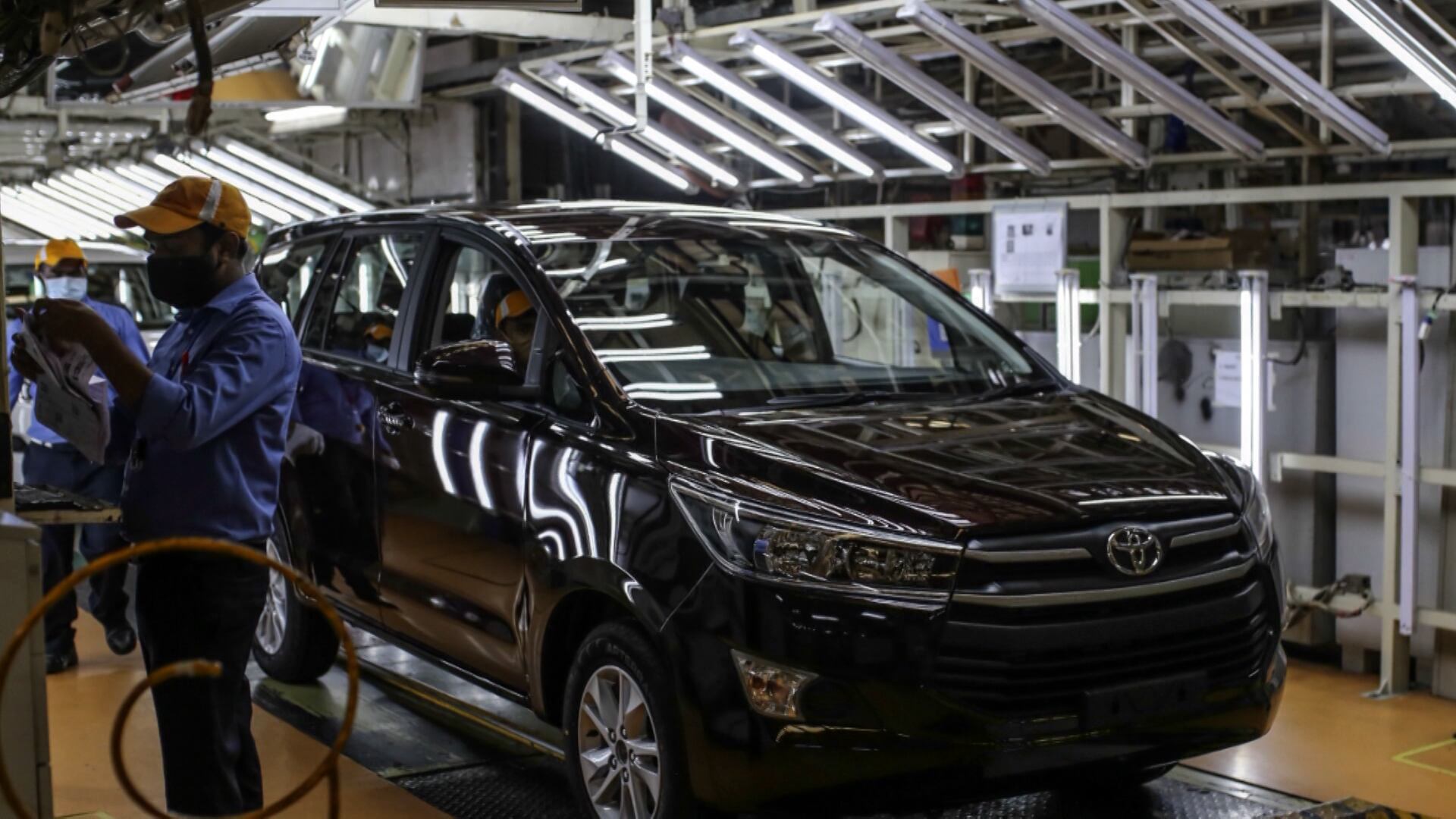
For the first time in 90 years, General Motors has officially been dethroned as the top car seller in the U.S. after Toyota sold 2.3 million vehicles last year. Paulina Likos, an investing reporter at U.S News & World Report, said that the Japanese auto giant's 2021 success is linked to its large stockpile of semiconductor chips that allowed it to continue producing vehicles while others lagged behind. Likos noted that both GM and Toyota noted that this is unlikely to be a long-term trend and pointed to both automakers' push to become EV leaders. "I think what's great in this EV market is that there are so many different competitors, and certainly both GM and Toyota are trying to be leaders in this space," she said.