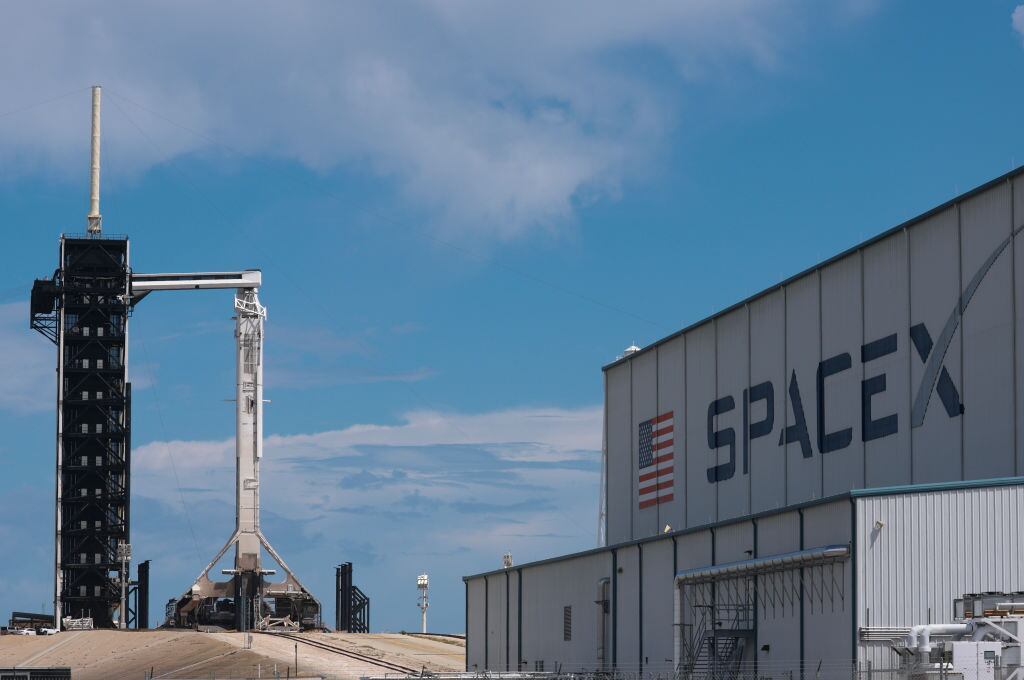
*By Jeffrey Marcus* Tesla CEO Elon Musk said Tuesday he was considering taking the company private at a price of $420 a share, posting his intentions [on Twitter](https://twitter.com/elonmusk/status/1026872652290379776) and causing the stock price to jump 7 percent before trading was temporarily halted around 2 p.m. Tesla closed up 11 percent at nearly $380 after trading resumed. "As a public company, we are subject to wild swings in our stock price that can be a major distraction for everyone working at Tesla," Musk said Tuesday in [an email to employees](https://www.tesla.com/en_GB/blog/taking-tesla-private?redirect=no). He also said the quarterly financial requirements of being a public company "puts enormous pressure on Tesla to make decisions that may be right for a given quarter, but not necessarily right for the long-term." Since Tesla is also the most shorted stock in history, Musk said the company's doubters have incentive to bash the company and depress the company's share price. He indicated that taking the company private would allow Tesla to focus on long-term ambitions and remove "perverse incentives for people to try to harm what we're all trying to achieve." Tesla reported its biggest quarterly loss ever last week, saying in its [second-quarter earnings report](https://cheddar.com/videos/tesla-stock-surges-after-q2-earnings-report) that the carmaker lost more $717 million on $4 billion in revenue. It burned through less cash ー $739.5 million in Q2 compared to $1 billion the quarter before ー and managed to increase production significantly of the mid-range Model 3 sedan. With $2.2 billion in cash on hand at the end of the second quarter, Tesla would have enough to operate until the end of the year. Musk said Tuesday on Twitter that he had secured funding for a deal to take Tesla private that would value the company at more than $70 billion. It would [require a shareholder vote](https://twitter.com/elonmusk/status/1026914941004001280), Musk said. His plan, [outlined in the email to employees](https://www.tesla.com/en_GB/blog/taking-tesla-private?redirect=no), would give shareholders a choice to sell their shares or maintain a stake in the private company. Employees would remain shareholders, and Tesla would be independent of Musk's other company, Space X, though the structures would be similar. Galileo Russell, founder of HyperChange TV and an outspoken supporter of Musk and Tesla, said in an interview on Cheddar he doesn't want to sell his shares. "Being forced to sell at $420 in a go-private deal would be a little bit of a bummer because, although myself and all the other Tesla investors would make money at an all-time high, we'd be missing out on a long-term ride," Russell said. Musk has a history of making bold statements on Twitter and walking back from the precipice after more careful consideration, but the more detailed email to employees seems to add credence to his plan to go private. "The internet means that someone like Elon Musk can say something and instantly the whole world can see it," Russell said. And investors can react just as quickly. For full interview, [click here](https://cheddar.com/videos/elon-musk-tesla-could-go-private).