Elon Musk has unveiled a new black and white “X” logo to replace Twitter's famous blue bird as he follows through with a major rebranding of the social media platform he bought for $44 billion last year.
Musk replaced his own Twitter icon with a white X on a black background and posted a picture on Monday of the design projected on Twitter’s San Francisco headquarters.
The X started appearing on the top of the desktop version of Twitter on Monday, but the bird was still dominant across the phone app.
Musk had asked fans for logo ideas and chose one, which he described as minimalist Art Deco, saying it “certainly will be refined.”
“And soon we shall bid adieu to the twitter brand and, gradually, all the birds," Musk tweeted Sunday.
The billionaire is CEO of rocket company Space Exploration Technologies Corp., commonly known as SpaceX. And in 1999, he founded a startup called X.com, an online financial services company now known as PayPal.
The X.com web domain now redirects users to Twitter.com, Musk said.
In response to questions about what tweets would be called when the rebranding is done, Musk said they would be called Xs.
Fresh off a successful funding round, co-founder of Lapse Dan Silvertown shares thoughts on regulation, privacy, and why the money for great startups is still out there.
Wendy's announced they are testing out fluctuating prices throughout the day for certain products based on demand. Who will groan the most: lunch-breakers, dinner drivers or late-night goblins?
Shubha Dasgupta, CEO of Pineapple Financial, discusses incorporating artificial intelligence with its newly announced ‘Maui’ tool, plus plans for expansion.
Chair of Penn Engineering’s Department of Computer and Information Science Zachary Ives shares how the department is building its artificial intelligence degree program.
Frances Stacy, Optimal Capital Director of Strategy, breaks down why the latest data indicates the economy may be struggling more than expected, plus some sectors she’s watching.
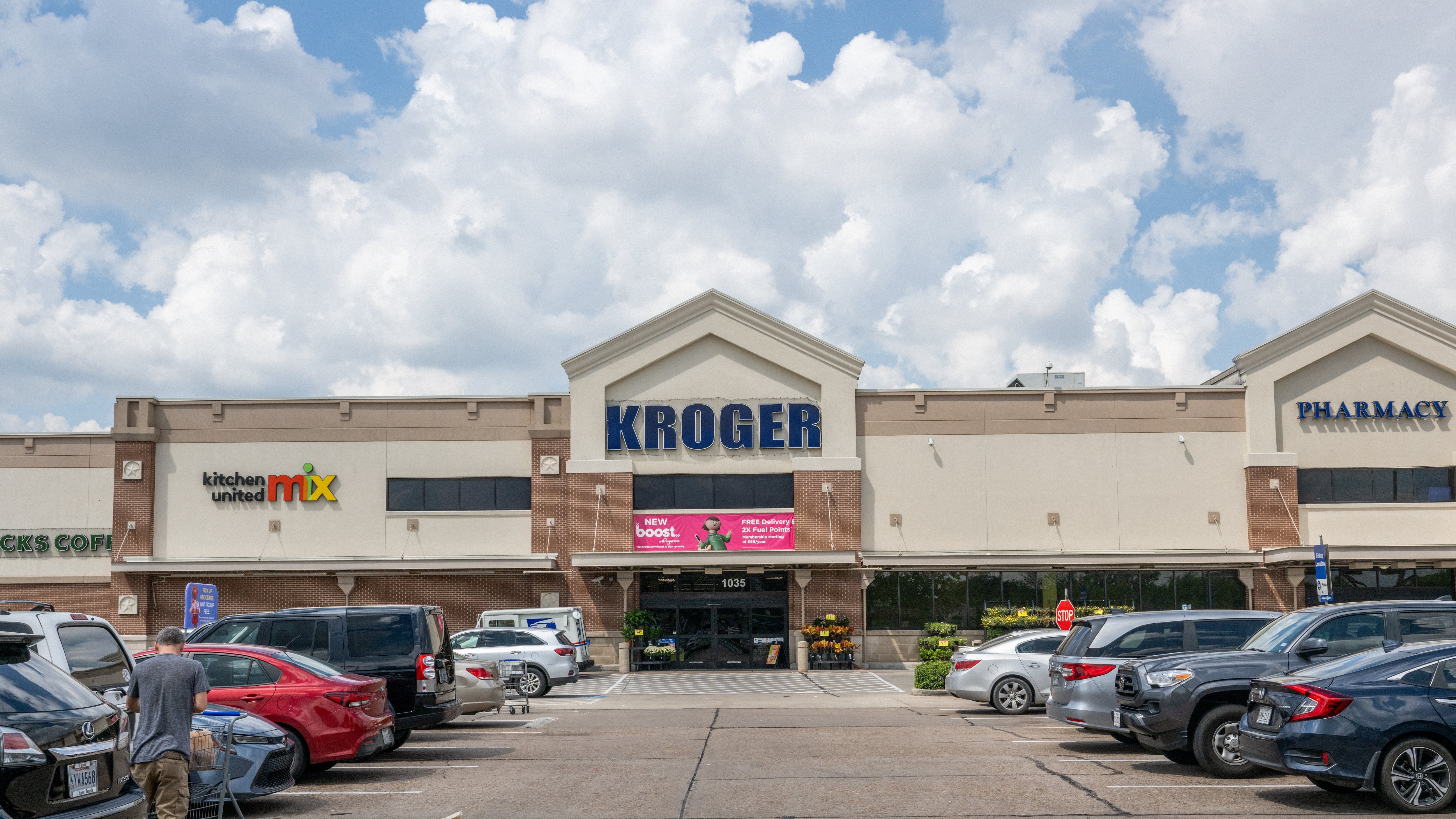
The Federal Trade Commission is suing to block a proposed merger between the two grocery stores. The FTC says the $24.6 billion deal would eliminate competition and lead to higher prices for millions of Americans.