*By Jeffrey Marcus*
Tesla's chairman and CEO Elon Musk escaped an attempt by some shareholders Tuesday to strip him of one of his jobs running the electric car company he founded 15 years ago. Musk will remain as chairman after he fended off an effort by an investor group to remove him and oust three board members loyal to him, including Musk's brother Kimbal.
The vote failed by a "super majority," the company said, which is not surprising. Any vote would take two-thirds to pass, and Musk himself reportedly owns one-fifth of the company's shares.
Other developments from the shareholders meeting include:
* Tesla announced plans to build a factory in China, a move that would allow the car company to avoid import tariffs there. The Chinese government recently announced it would allow electric car makers to own factories in China without a domestic partner. Tesla's head of global sales, Robin Ren, said the factory would be in Shanghai, and Musk said the factory would assemble cars and build batteries in the same place, [CNBC reported](https://www.cnbc.com/2018/06/05/tesla-talks-shanghai-factory-at-shareholder-meeting.html).
* With the help of a new third assembly line at the company's California factory, Musk said Tesla will likely be able to produce 5,000 Model 3 vehicles a week by the end of June. The plant is already producing an average of 3,500 week, he said, and the grueling months-long effort to ramp up production has been worth it. "It's been the most excruciating, hellish months I've maybe ever had, but I think we're getting there," Musk said [according to The New York Times](https://www.nytimes.com/2018/06/05/business/tesla-once-a-wall-street-darling-faces-investor-challenge.html).
* Despite fatal crashes involving Tesla's Autopilot feature, the company is pressing ahead, even offering free trials for customers who are not certain they want to spend another $5,000 on a non-existent chauffeur, [Wired magazine](https://www.wired.com/story/elon-musk-tesla-shareholders-meeting/) reported.
* New models are on deck, including the all-wheel drive Model 3, expected to begin limited production later this year; the Model Y, which will go into production in 2020; and the semi truck and the new roadster expected around the same time.
* Musk did not lash out the way he did during Tesla's quarterly earnings call last month, when he antagonized analysts and institutional investors. But it was still an emotional shareholders meeting for Musk, who had his authority challenged and his vision questioned. He got a little choked up, [Reuters reported](https://www.reuters.com/article/us-tesla-shareholders/teslas-musk-says-quite-likely-will-meet-model-3-goal-directors-re-elected-idUSKCN1J12YT). "At Tesla we build our cars with love," Musk said. "At a lot of other companies, they're built by marketing or the finance department and there's no soul. We're not perfect, but we pour our heart and soul into it and we really care."
Watch [video](https://www.tesla.com/shareholdermeeting) of the full shareholders meeting on Tesla's website. For the full interview, [click here](https://cheddar.com/videos/elon-musk-lives-to-fight-another-day-as-chairman-of-tesla).
Things are expensive: both the important and the not-so-important stuff. October saw the largest year-to-year increase in the consumer price index in over 30 years. Inflation remains a top concern for the average American consumer as some stress over the price of everyday essentials like milk, beef, and gasoline.
But that doesn't seem to be affecting overall retail shopping.
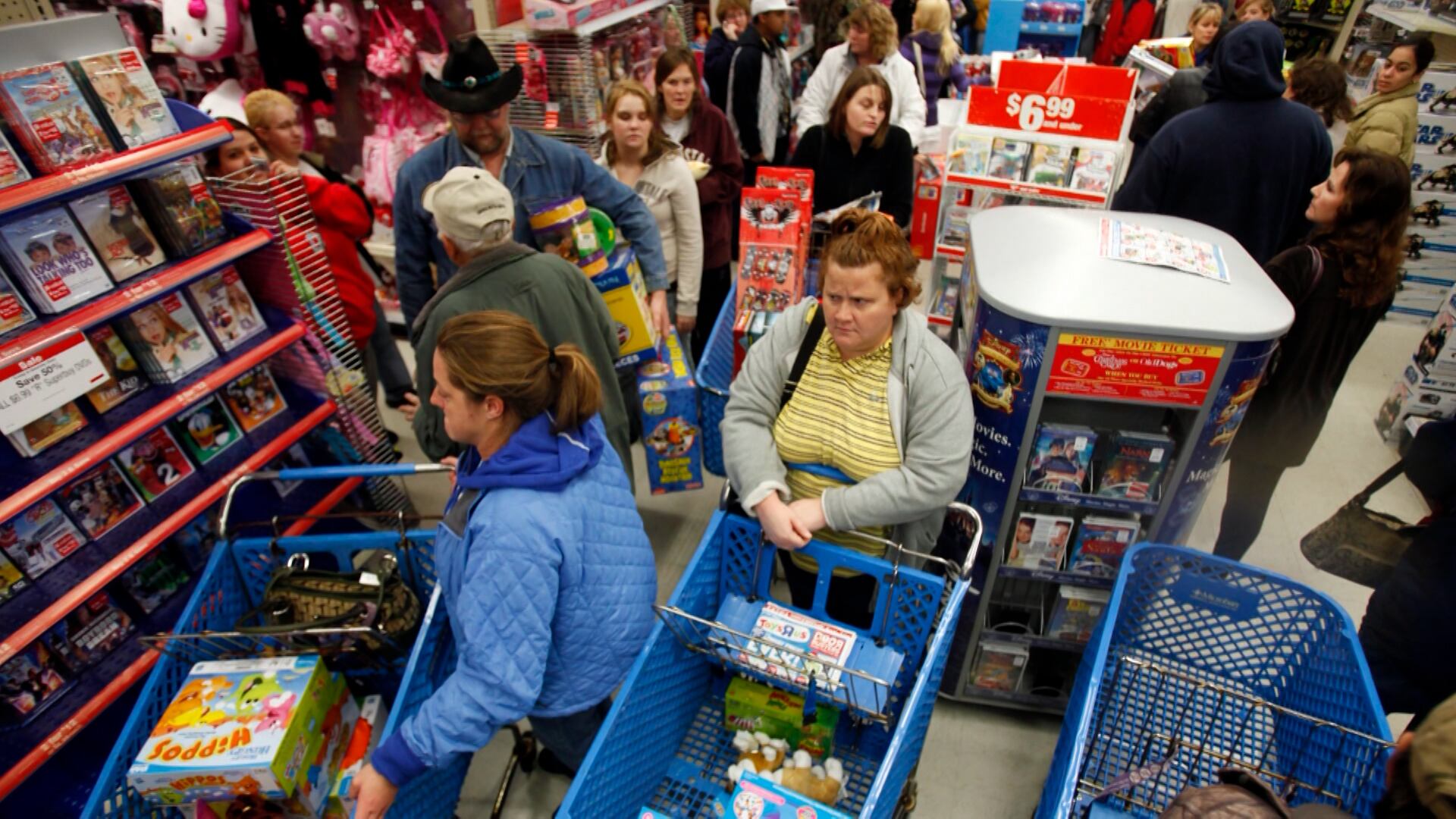
U.S. retail sales rose by 1.7% in October, a sign that consumers are willing to spend more heading into the holidays despite rising inflation. The elevated spending levels suggest solid holiday sales this month and next. On top of that, major retailers like Target and Walmart have come out this week and said they're set to be fully stocked for the holiday season, easing any concerns customers might have about supply chain issues leaving empty shelves before the holidays.
Brittain Ladd, retail strategist and consultant, joins None of the Above to discuss.
Tanya Snyder, transportation reporter at Politico, joins None of the Above with J.D. Durkin to discuss the bipartisan infrastructure law, what it means for the electric vehicle industry and whether Democrats will be able to capitalize on the legislative victory ahead of the 2022 midterms.
Twitter announced a partnership with S&P Dow Jones Indices on Thursday to build the S&P 500 Sentiment Index for monitoring the performance of 200 S&P members based on tweets with company $cashtags. Jared Podnos, strategic market development lead at Twitter, and Peter Roffman, global head of innovation and strategy at S&P Dow Jones Indices, joined Cheddar to provide some background on the partnership and to explain exactly how monitoring companies through public opinion will work. "[The S&P] taps into this conversation. They understand the real-time conversation as well as the historical trends, and then we can analyze that and understand the consumer sentiment and really build these innovative products around that conversation," Podnos added.
Cognitive healthcare platform BrainCheck recently raised $10 million in a Series B round. The platform offers neurologists a new way to detect and care for brain disorders like Alzeheimer's, and brain injuries like concussions. BrainCheck CEO Yael Katz joined Cheddar News' Closing Bell to discuss.
Stocks closed mixed today, with the S&P 500 and the Nasdaq both notching record closing highs. Veronica Willis, investment strategy analyst at the Wells Fargo Investment Institute, joins Cheddar News' Closing Bell to discuss today's close, recent inflation data, rising oil prices, and more.
Jean-Denis Mariani, the chief digital officer at COTY, the parent company for major brands like Bottega Veneta, Burberry, and Kylie Skin, joined Cheddar to talk about the impact of the pandemic on the beauty industry and the rapid shift to e-commerce sales. "There is no digital strategy anymore, only strategy in a digital world," he said. Mariani also talked about personalized makeup selection for consumers as the beauty sector begins to incorporate technology like artificial intelligence.
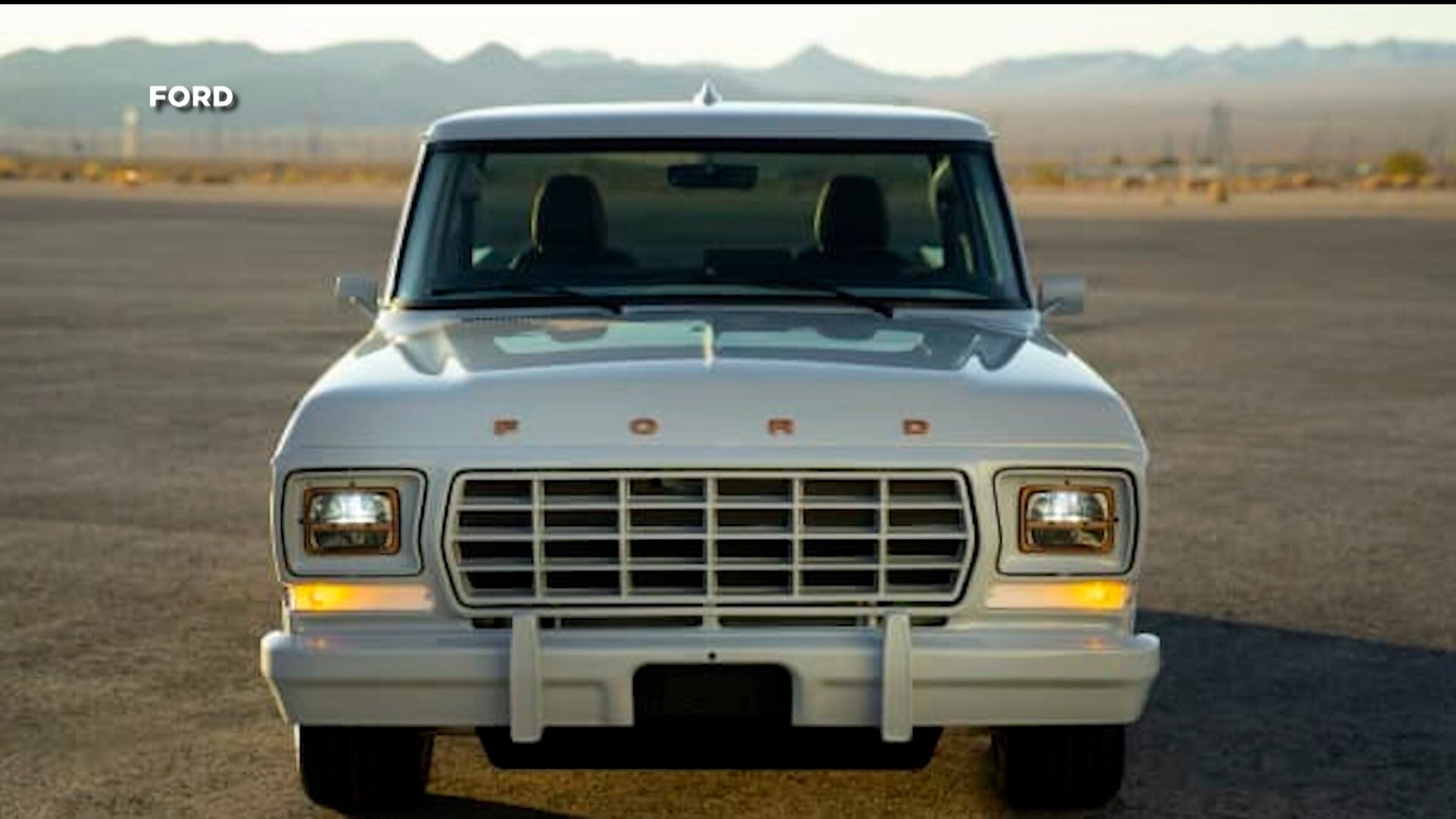
Amid an ongoing global semiconductor chip shortage, American automaker Ford has decided to open up supply chains of its own. Karl Brauer, an executive analyst at iSeeCars.com, joined Cheddar to discuss Ford's new partnership with multinational semiconductor maker GlobalFoundries to build those chips domestically. Brauer praised Ford for the move both for ongoing supply woes and the future of automobile manufacturing. "It's not just the supply chain," he said. "It's not just about getting chips, but maybe getting chips that are more customized and specific to your needs."
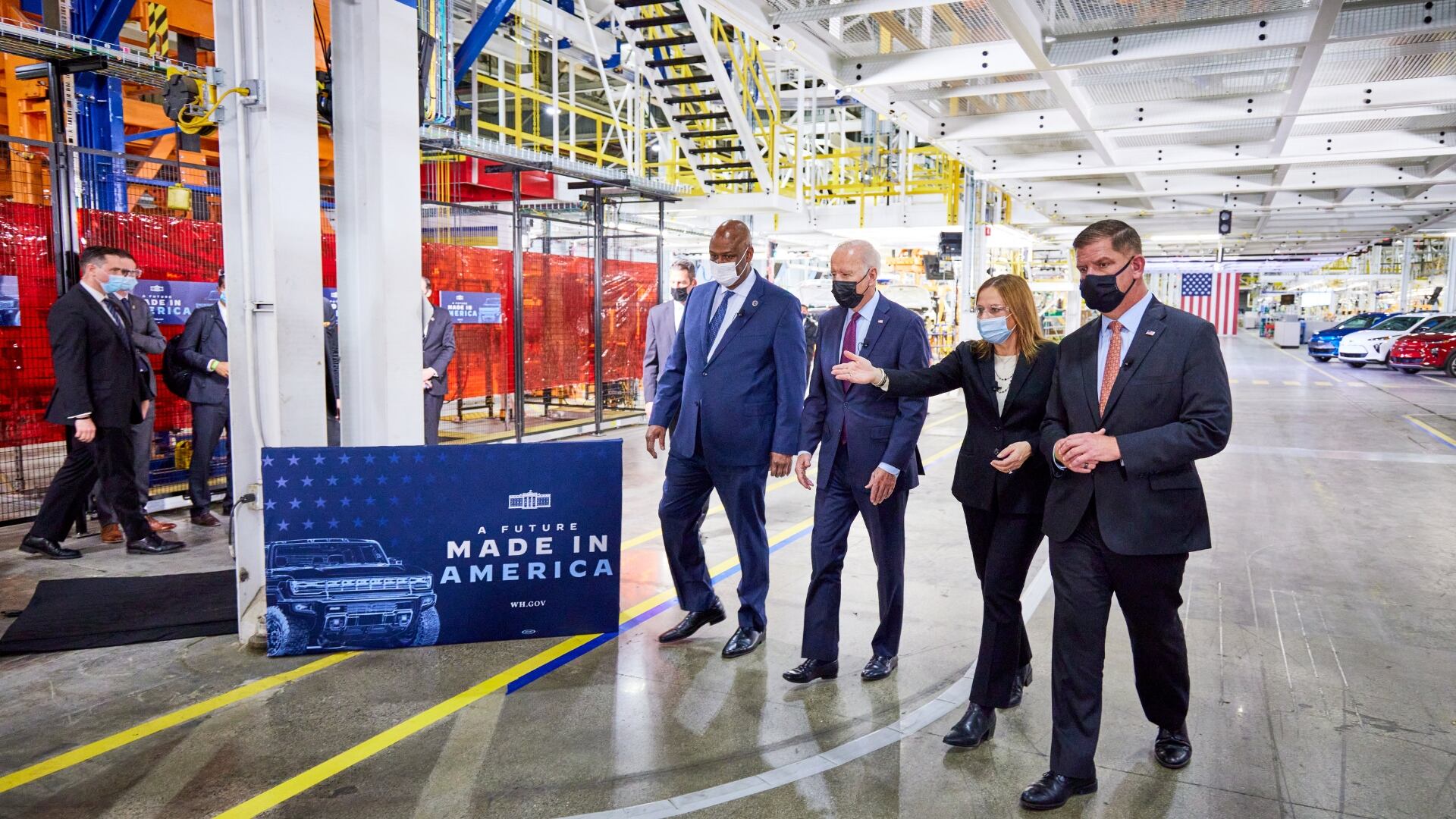
Gerald Johnson, Executive VP, Global Manufacturing and Sustainability at General Motors, joins Cheddar News to break down what Factory ZERO signifies for GM's all-electric future and why the auto manufacturer will be a leader in the growing EV industry.
According to the U.S. Labor Department, a record 4.4-million people quit their job in September, with data showing there are seven unemployed workers for every ten job openings.
However, Americans aren't just quitting their jobs for more suitable ones, many are embracing their entrepreneurial side, leaving to start their own business. Dick Schulze, founder of Best Buy joined Cheddar's Opening Bell to discuss.