*By Jeffrey Marcus*
Tesla's chairman and CEO Elon Musk escaped an attempt by some shareholders Tuesday to strip him of one of his jobs running the electric car company he founded 15 years ago. Musk will remain as chairman after he fended off an effort by an investor group to remove him and oust three board members loyal to him, including Musk's brother Kimbal.
The vote failed by a "super majority," the company said, which is not surprising. Any vote would take two-thirds to pass, and Musk himself reportedly owns one-fifth of the company's shares.
Other developments from the shareholders meeting include:
* Tesla announced plans to build a factory in China, a move that would allow the car company to avoid import tariffs there. The Chinese government recently announced it would allow electric car makers to own factories in China without a domestic partner. Tesla's head of global sales, Robin Ren, said the factory would be in Shanghai, and Musk said the factory would assemble cars and build batteries in the same place, [CNBC reported](https://www.cnbc.com/2018/06/05/tesla-talks-shanghai-factory-at-shareholder-meeting.html).
* With the help of a new third assembly line at the company's California factory, Musk said Tesla will likely be able to produce 5,000 Model 3 vehicles a week by the end of June. The plant is already producing an average of 3,500 week, he said, and the grueling months-long effort to ramp up production has been worth it. "It's been the most excruciating, hellish months I've maybe ever had, but I think we're getting there," Musk said [according to The New York Times](https://www.nytimes.com/2018/06/05/business/tesla-once-a-wall-street-darling-faces-investor-challenge.html).
* Despite fatal crashes involving Tesla's Autopilot feature, the company is pressing ahead, even offering free trials for customers who are not certain they want to spend another $5,000 on a non-existent chauffeur, [Wired magazine](https://www.wired.com/story/elon-musk-tesla-shareholders-meeting/) reported.
* New models are on deck, including the all-wheel drive Model 3, expected to begin limited production later this year; the Model Y, which will go into production in 2020; and the semi truck and the new roadster expected around the same time.
* Musk did not lash out the way he did during Tesla's quarterly earnings call last month, when he antagonized analysts and institutional investors. But it was still an emotional shareholders meeting for Musk, who had his authority challenged and his vision questioned. He got a little choked up, [Reuters reported](https://www.reuters.com/article/us-tesla-shareholders/teslas-musk-says-quite-likely-will-meet-model-3-goal-directors-re-elected-idUSKCN1J12YT). "At Tesla we build our cars with love," Musk said. "At a lot of other companies, they're built by marketing or the finance department and there's no soul. We're not perfect, but we pour our heart and soul into it and we really care."
Watch [video](https://www.tesla.com/shareholdermeeting) of the full shareholders meeting on Tesla's website. For the full interview, [click here](https://cheddar.com/videos/elon-musk-lives-to-fight-another-day-as-chairman-of-tesla).
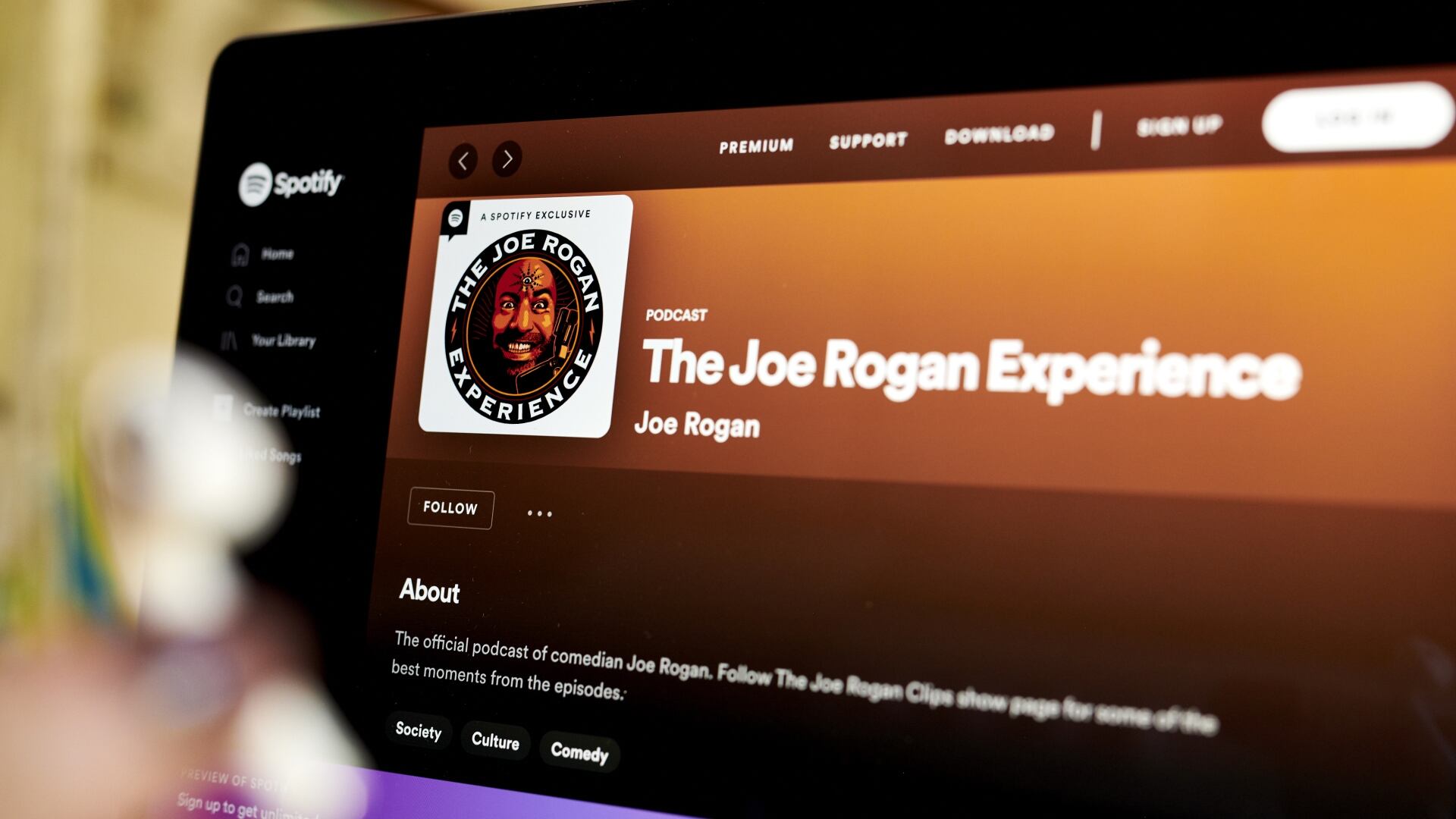
Is Spotify a platform for content creators, or is it a media company? The streaming giant may have to find an answer sooner rather than later amid a controversy involving its most popular podcast host, Joe Rogan. Rogan has hosted guests who have made false claims about COVID-19 vaccines, and in turn, some musicians like Neil Young and Joni Mitchell have removed their discographies from Spotify in protest. Rogan says he welcomes content advisories, and will balance out his guests going forward, but is it enough? And is Spotify liable in any way? John Freeman, Vice President of CFRA Research, joins Closing Bell to discuss Rogan's response to the controversy, whether Spotify should be considered a media company with responsibility for its content, and more.
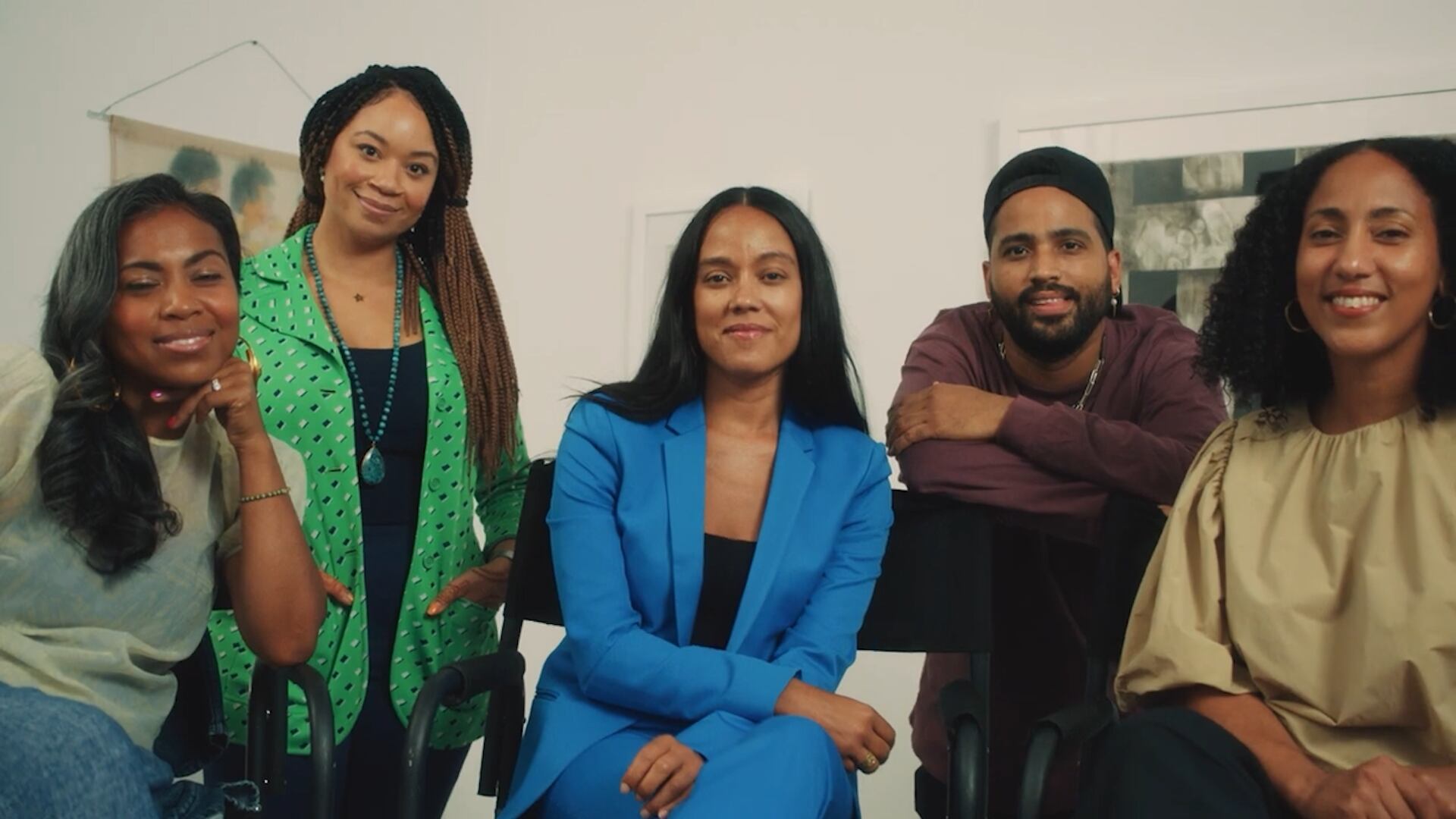
Michael Mitchell, senior director of brand at Mailchimp, joins Cheddar News to discuss the launch of Bloom Season and what every BIPOC entrepreneur needs to know to succeed.
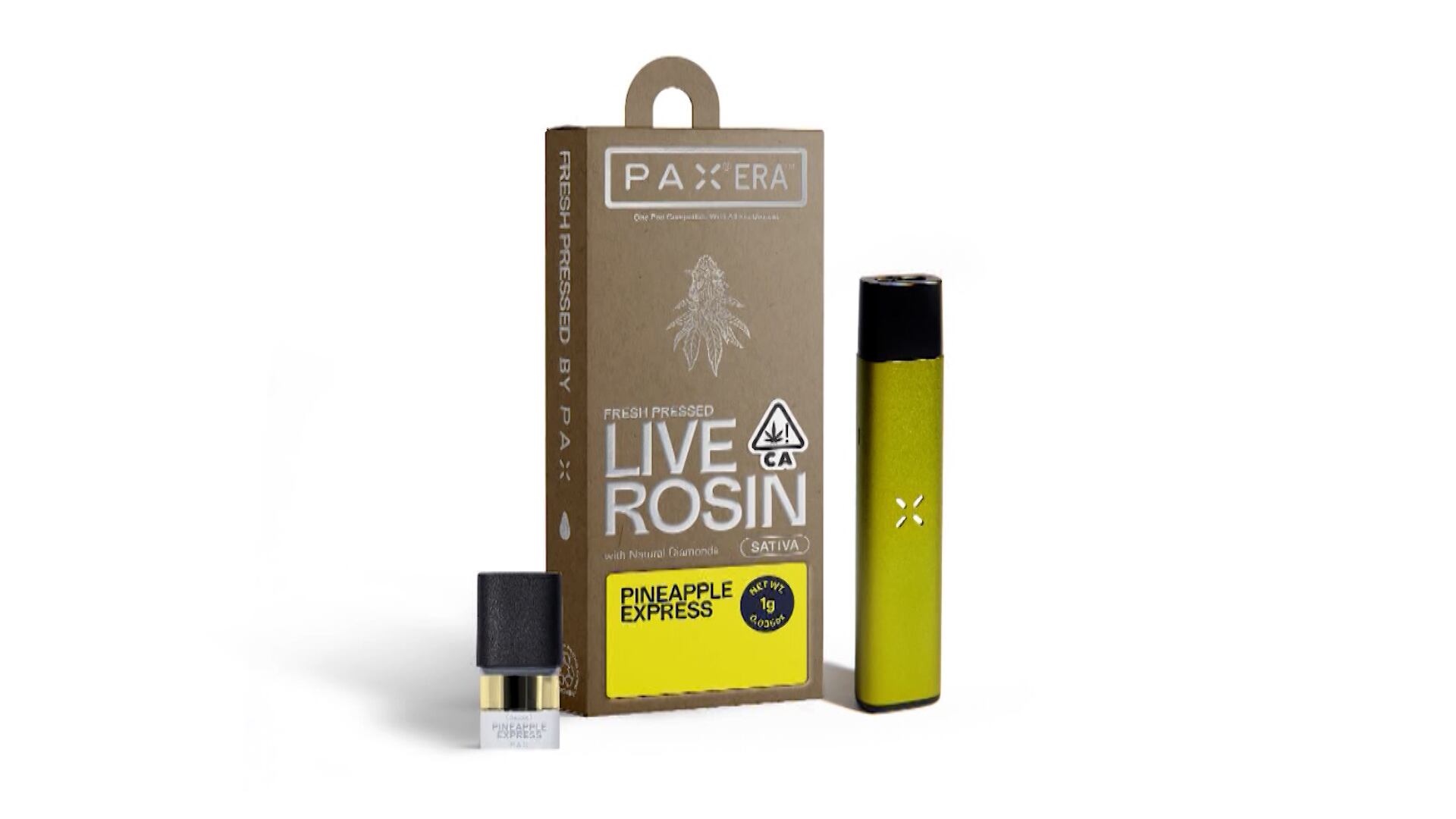
Pax Labs, a leading electronic vaporizer company, plans to release its very first cannabis pod venture, of which different strands of cannabis will be available. COO Steven Jung spoke with Cheddar’s Chloe Aiello to talk about the release of the companies own line of 100 percent cannabis pods for use with its vaporizers. "I think this is the direction that most products are going," Jung noted. "If you look at the data, it would actually show you that most consumers are in fact looking for this kind of delivery mechanism in the product itself."
The gaming industry has seen multiple large scales deals this month alone, including Microsoft's megadeal for Activision Blizzard. And, seemingly in response, rival Sony, picked up Bungie for $3.6 billion, a studio once owned by both Microsoft and Activision. The sector is reportedly on track to spend $150 billion on mergers and acquisitions just this year alone, a record-breaking total, according to investment firm Drake Star Partners. Michael Metzger, a partner at the firm specializing in technology, media, and communications, joined Cheddar to discuss the flurry of deals in the gaming space and what might be behind the hot M&A activity.
Ari Redbord, head of legal and government affairs and TRM Labs, joins Cheddar News to discuss why Facebook is ditching its crypto project and what that means for the space.
Natalie Fertig, federal cannabis policy reporter at Politico Pro, joins Cheddar News to discuss a new YouGov poll that looks at how Americans feel about marijuana and politics.
After classic rocker Neil Young demanded removal of his music from Spotify over vaccine misinformation coming from The Joe Rogan Experience podcast, the platform made the decision to take down Young's songs and continue supporting Rogan with whom they have an exclusive contract. The move touched off a firestorm of controversy, leading to responses from both the streaming service and the podcasting host. Evan Nierman, CEO of Red Banyan Crisis PR, joined Cheddar to break down the latest on the fracas. "I think when [Spotify] initially said, we're not going to be commenting on that, that was a silly move because guess what? They did end up commenting about it, and nine times out of 10, when an organization says they're not going to be issuing a comment, they ultimately do," Nierman noted.