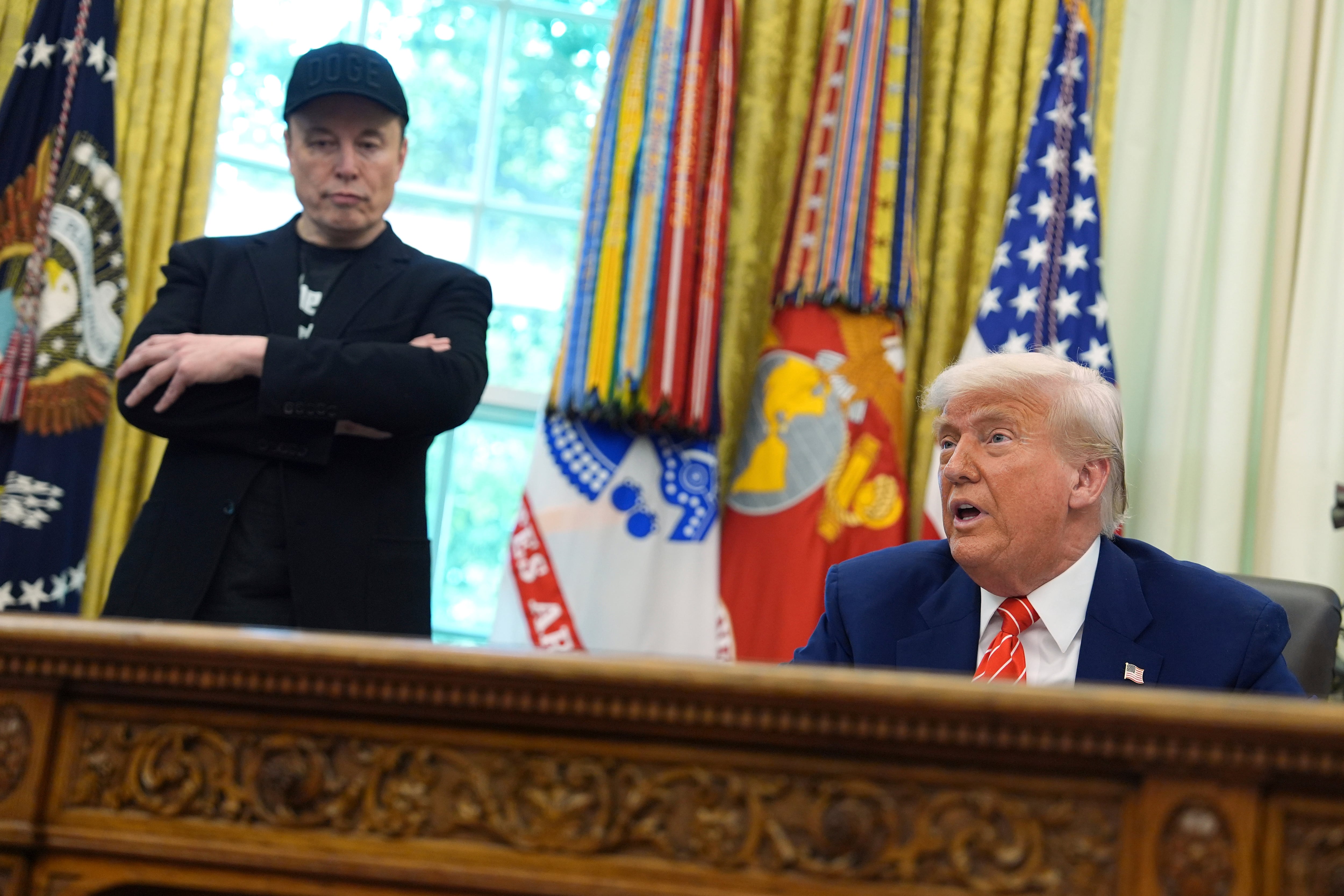
Elon Musk and his Neuralink company's attempt to begin testing brain chips in humans has been rejected by the FDA, according to a report by Reuters.
The request was submitted to the agency last year but according to Reuters, the FDA identified several problematic factors with the technology, including the chip's lithium battery and the potential for small wires to move to other areas of the brain.
"Neuralink doesn't appear to have the mindset and experience that's needed to get this to market anytime soon," Kip Ludwig, former program director for neural engineering at the U.S. National Institute of Health.
There was also a concern of whether or not the chip could be removed without inflicting damage to brain tissue.
What Exactly Is Neuralink?
Musk has claimed the technology could be life-changing for people suffering from paralysis, enabling them to communicate and walk, or it could help repair visual impairment in people.
The chip is supposed to process brain signals that are then transmitted to a device. While human trials for Neuralink have not commenced, there have been versions of the tech that reportedly had some success in animals. However, the company faced pushback and a probe from the U.S. Department of Agriculture after animal cruelty concerns were raised.
Last month Neuralink admitted that at least one monkey was euthanized because of a surgical complication.
Mark Spoonauer, Global Editor-In-Chief at Tom's Guide, discusses the craze behind the latest Nintendo Switch 2 and why it already flying off shelves. Watch!
Bob Lang, Chief Options Strategist at Explosive Options, joins J.D. Durkin on the floor of the NYSE for a look at how traders are approaching the markets.
Seth Schachner, Managing Director at Strat Americas, talks Disney's taking control of Hulu, Warner Bros. and Discovery's split and how if affects the viewers.
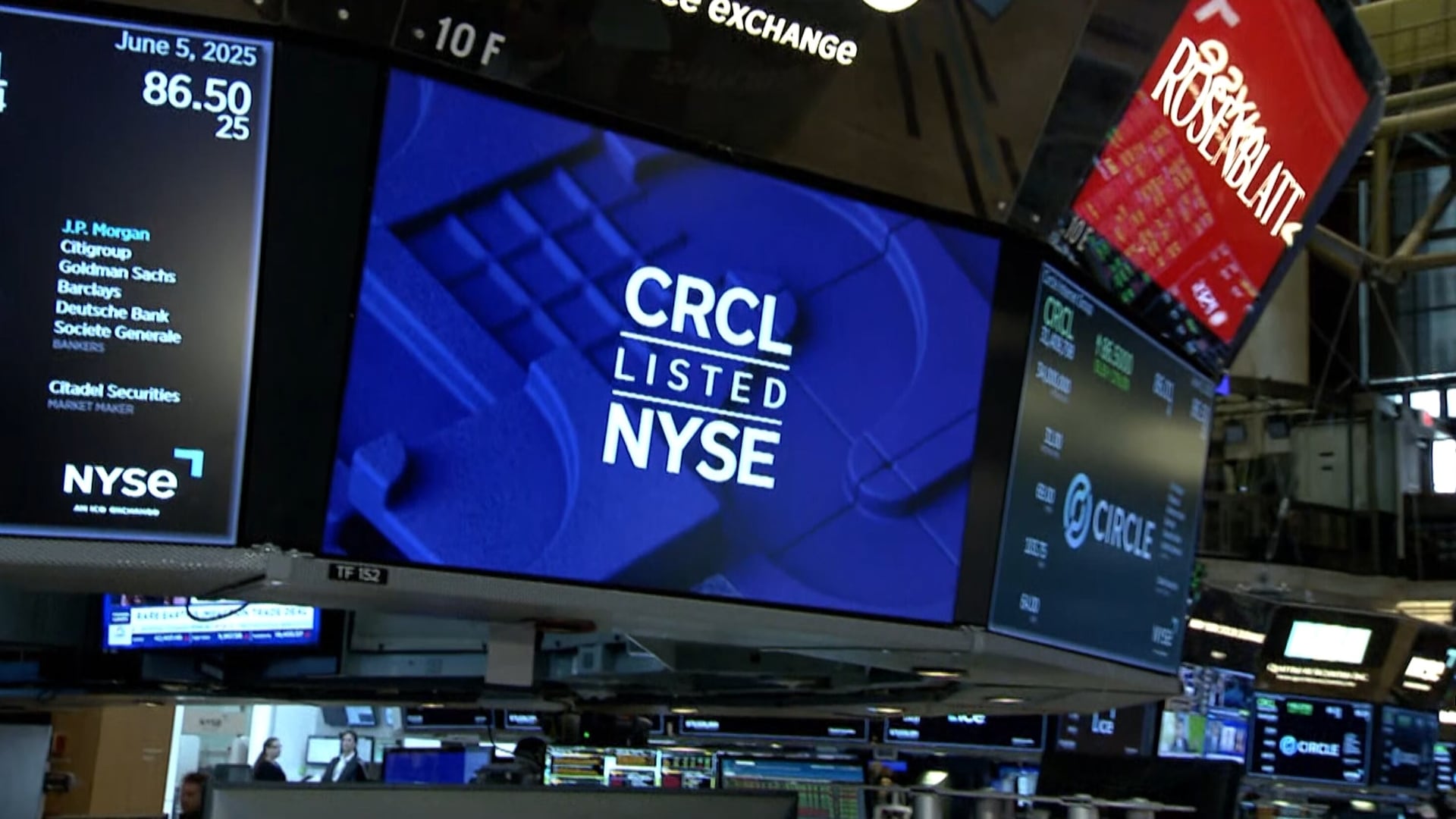
Jeremy Fox-Geen, the Chief Financial Officer at Circle, joins Cheddar for a one-on-one interview as the company's stock surges on its first day of trading.