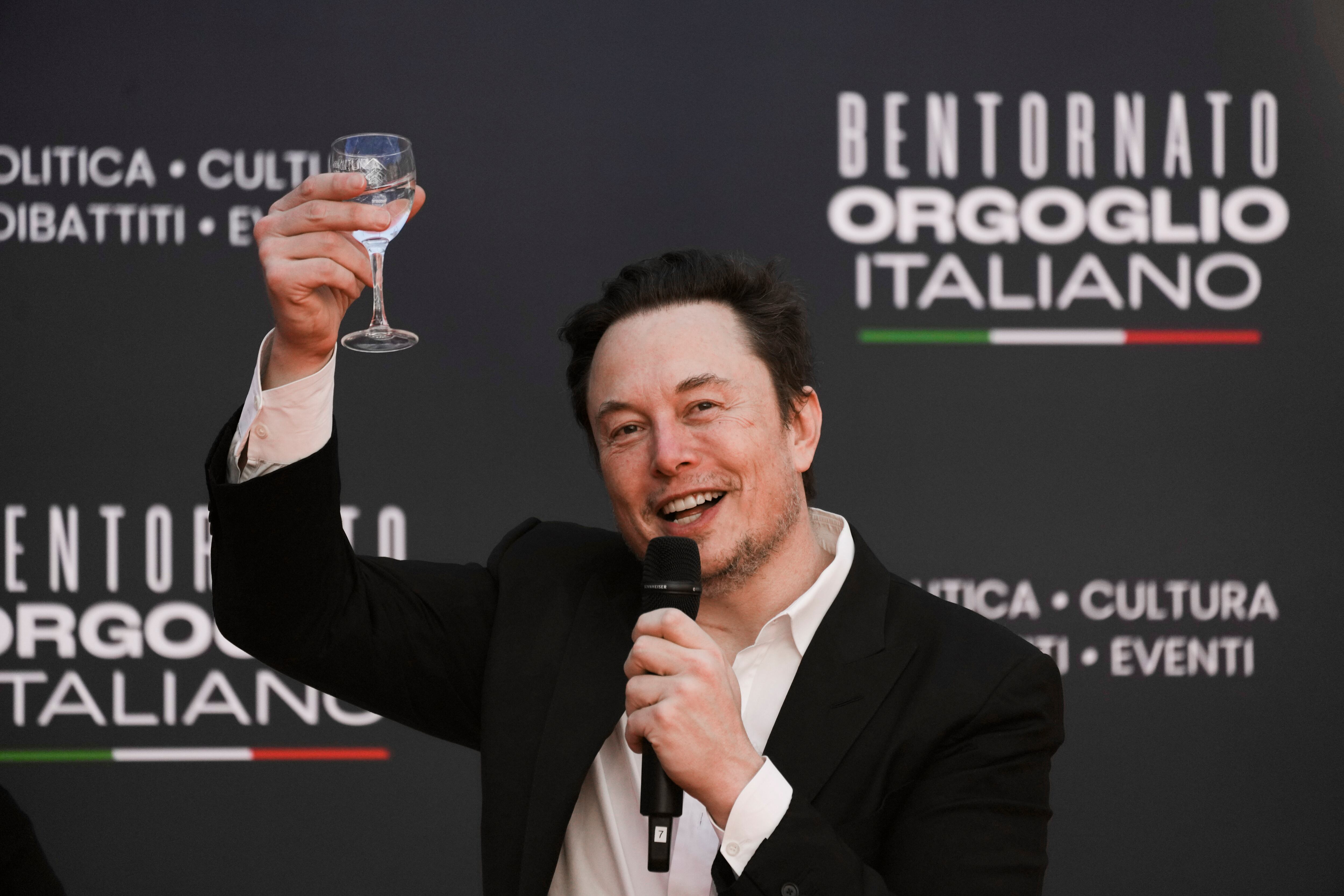
Elon Musk and his Neuralink company's attempt to begin testing brain chips in humans has been rejected by the FDA, according to a report by Reuters.
The request was submitted to the agency last year but according to Reuters, the FDA identified several problematic factors with the technology, including the chip's lithium battery and the potential for small wires to move to other areas of the brain.
"Neuralink doesn't appear to have the mindset and experience that's needed to get this to market anytime soon," Kip Ludwig, former program director for neural engineering at the U.S. National Institute of Health.
There was also a concern of whether or not the chip could be removed without inflicting damage to brain tissue.
What Exactly Is Neuralink?
Musk has claimed the technology could be life-changing for people suffering from paralysis, enabling them to communicate and walk, or it could help repair visual impairment in people.
The chip is supposed to process brain signals that are then transmitted to a device. While human trials for Neuralink have not commenced, there have been versions of the tech that reportedly had some success in animals. However, the company faced pushback and a probe from the U.S. Department of Agriculture after animal cruelty concerns were raised.
Last month Neuralink admitted that at least one monkey was euthanized because of a surgical complication.
Walmart Inc. is raising the starting base pay for store managers, while redesigning its bonus plan that will put more of an emphasis on profits for these leaders.
Despite concerns about shipping delays in the Red Sea, RSM Chief Economist Joe Brusuelas says there are still reasons to be optimistic about the state of the U.S. economy.
Dan Ives, Managing Director and Senior Equity Analyst at Wedbush Securities dives deeper into a report by the International Data Corporation (IDC) that Apple has ended Samsung's 12-year reign as the world's largest smartphone seller.
Artificial intelligence is the biggest buzzword at the World Economic Forum’s annual meeting in Davos. Advances in generative AI stunned the world last year, and the elite crowd is angling to take advantage of its promise and minimize its risks.
Smartphones could get much smarter this year as the next wave of artificial intelligence seeps into the devices that accompany people almost everywhere they go.
In an annual assessment of global inequalities, Oxfam International said the first trillionaire could emerge within the next decade — as the anti-poverty organization pointed to the growing wealth gap that skyrocketed globally during the pandemic.
The Biden administration proposed a cost drop for overdrawing bank accounts, which it says could particularly relieve Americans living paycheck to paycheck.