Elon Musk and his Neuralink company's attempt to begin testing brain chips in humans has been rejected by the FDA, according to a report by Reuters.
The request was submitted to the agency last year but according to Reuters, the FDA identified several problematic factors with the technology, including the chip's lithium battery and the potential for small wires to move to other areas of the brain.
"Neuralink doesn't appear to have the mindset and experience that's needed to get this to market anytime soon," Kip Ludwig, former program director for neural engineering at the U.S. National Institute of Health.
There was also a concern of whether or not the chip could be removed without inflicting damage to brain tissue.
What Exactly Is Neuralink?
Musk has claimed the technology could be life-changing for people suffering from paralysis, enabling them to communicate and walk, or it could help repair visual impairment in people.
The chip is supposed to process brain signals that are then transmitted to a device. While human trials for Neuralink have not commenced, there have been versions of the tech that reportedly had some success in animals. However, the company faced pushback and a probe from the U.S. Department of Agriculture after animal cruelty concerns were raised.
Last month Neuralink admitted that at least one monkey was euthanized because of a surgical complication.
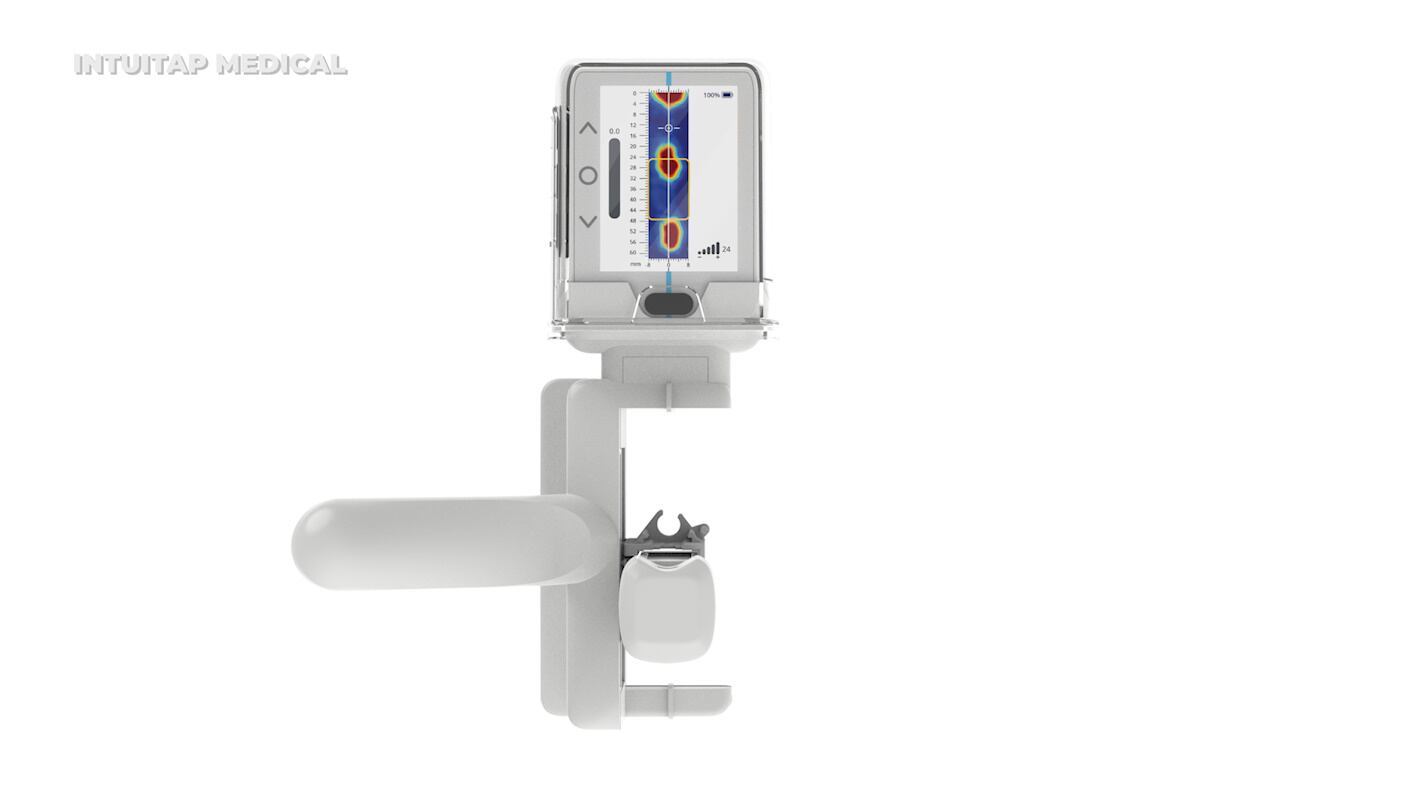
Jessica Traver Ingram, CEO and co-founder of IntuiTap Medical, discusses developing the company's Ver Touch device, the crucial FDA approval it just won, and why innovation in spinal blocks and epidurals is long overdue.
Matt Stucky, Chief Portfolio Manager of Equities at Northwestern Mutual Wealth Management chats why Nvidia has been unsteady leading up to its latest earnings results, plus what’s to come for the so-called ‘Magnificent 7.’
Walmart's revenue increased last quarter because customers kept coming back again and again. Are most shoppers buying and avoid the same products as you are?
NBA champion Kendrick Perkins and Edly founder Chris Ricciardi discuss working together to create Nilly, a new platform where fans can invest in name, image, and likeness deals of their favorite college athletes.
Off the back of their latest earnings results, Hungryroot CEO Ben McKean discusses how the company is bringing healthy food straight to customers' doors and how it's using A.I.
Jack Ablin, Cresset Capital founding partner and CIO, breaks down the current market, from all eyes on Nvidia’s earnings to what sectors he’s seen deliver excellent returns.