Elon Musk and his Neuralink company's attempt to begin testing brain chips in humans has been rejected by the FDA, according to a report by Reuters.
The request was submitted to the agency last year but according to Reuters, the FDA identified several problematic factors with the technology, including the chip's lithium battery and the potential for small wires to move to other areas of the brain.
"Neuralink doesn't appear to have the mindset and experience that's needed to get this to market anytime soon," Kip Ludwig, former program director for neural engineering at the U.S. National Institute of Health.
There was also a concern of whether or not the chip could be removed without inflicting damage to brain tissue.
What Exactly Is Neuralink?
Musk has claimed the technology could be life-changing for people suffering from paralysis, enabling them to communicate and walk, or it could help repair visual impairment in people.
The chip is supposed to process brain signals that are then transmitted to a device. While human trials for Neuralink have not commenced, there have been versions of the tech that reportedly had some success in animals. However, the company faced pushback and a probe from the U.S. Department of Agriculture after animal cruelty concerns were raised.
Last month Neuralink admitted that at least one monkey was euthanized because of a surgical complication.
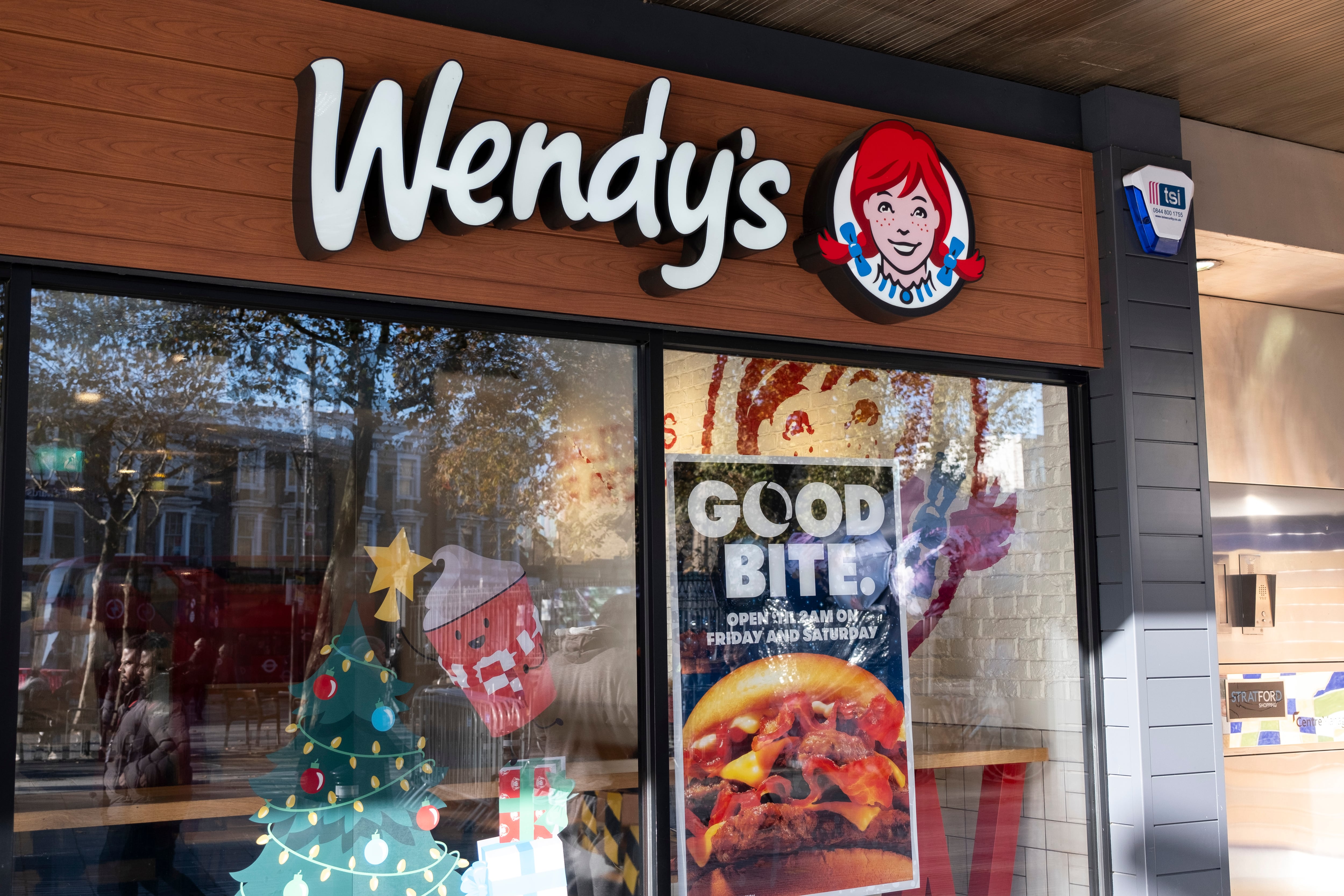
Wendy's announced they are testing out fluctuating prices throughout the day for certain products based on demand. Who will groan the most: lunch-breakers, dinner drivers or late-night goblins?
Shubha Dasgupta, CEO of Pineapple Financial, discusses incorporating artificial intelligence with its newly announced ‘Maui’ tool, plus plans for expansion.
Chair of Penn Engineering’s Department of Computer and Information Science Zachary Ives shares how the department is building its artificial intelligence degree program.
Frances Stacy, Optimal Capital Director of Strategy, breaks down why the latest data indicates the economy may be struggling more than expected, plus some sectors she’s watching.
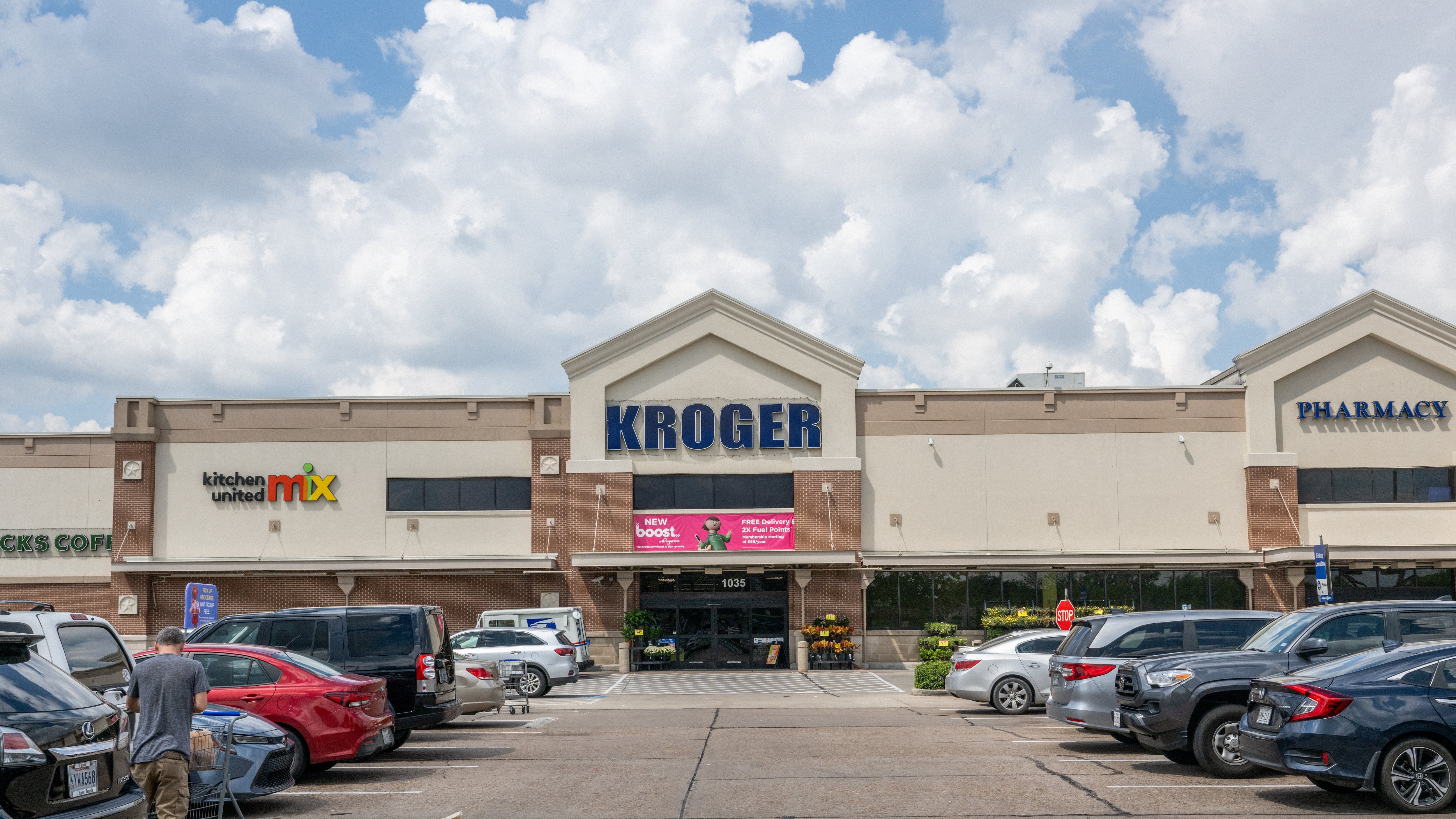
The Federal Trade Commission is suing to block a proposed merger between the two grocery stores. The FTC says the $24.6 billion deal would eliminate competition and lead to higher prices for millions of Americans.
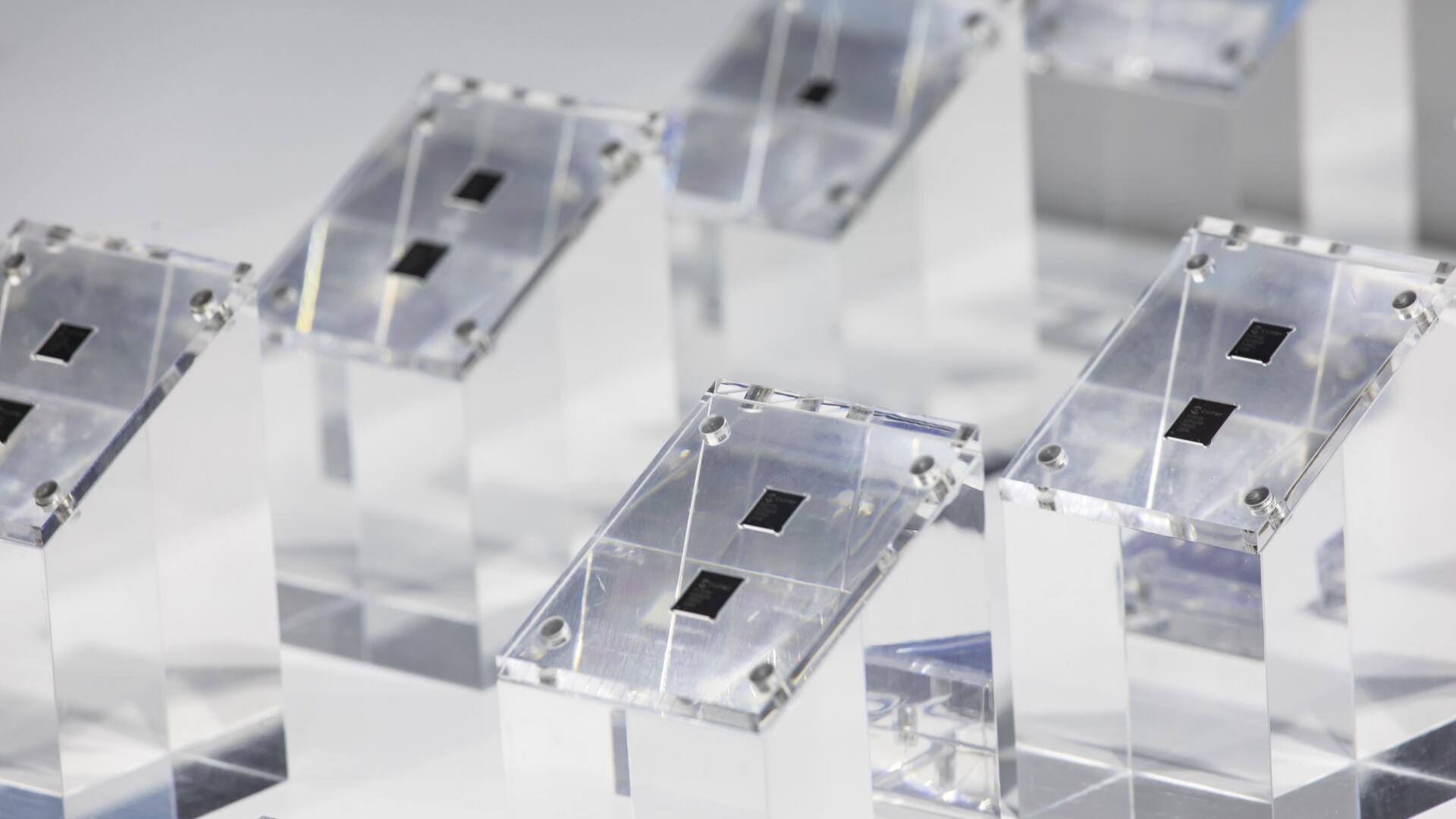
Terecircuits CEO Wayne Rickard explains some of the other companies set to benefit from the Nvidia-led chipmaking rally, including manufacturing and toolmaking companies.
Axios reporter Erin Doherty breaks down the results from the South Carolina primary as former President Trump gets closer to winning the GOP nomination.