Elon Musk and his Neuralink company's attempt to begin testing brain chips in humans has been rejected by the FDA, according to a report by Reuters.
The request was submitted to the agency last year but according to Reuters, the FDA identified several problematic factors with the technology, including the chip's lithium battery and the potential for small wires to move to other areas of the brain.
"Neuralink doesn't appear to have the mindset and experience that's needed to get this to market anytime soon," Kip Ludwig, former program director for neural engineering at the U.S. National Institute of Health.
There was also a concern of whether or not the chip could be removed without inflicting damage to brain tissue.
What Exactly Is Neuralink?
Musk has claimed the technology could be life-changing for people suffering from paralysis, enabling them to communicate and walk, or it could help repair visual impairment in people.
The chip is supposed to process brain signals that are then transmitted to a device. While human trials for Neuralink have not commenced, there have been versions of the tech that reportedly had some success in animals. However, the company faced pushback and a probe from the U.S. Department of Agriculture after animal cruelty concerns were raised.
Last month Neuralink admitted that at least one monkey was euthanized because of a surgical complication.
Ahead of the WNBA season and in the midst of March Madness, New York Liberty CEO Keia Clarke discusses the team’s new deal with Barclays and bringing even more attention to women’s sports.
U.S. Nissan head Jérémie Papin joins from the New York International Auto Show to give a preview of what’s to come from the carmaker – including the 2025 Nissan Kicks.
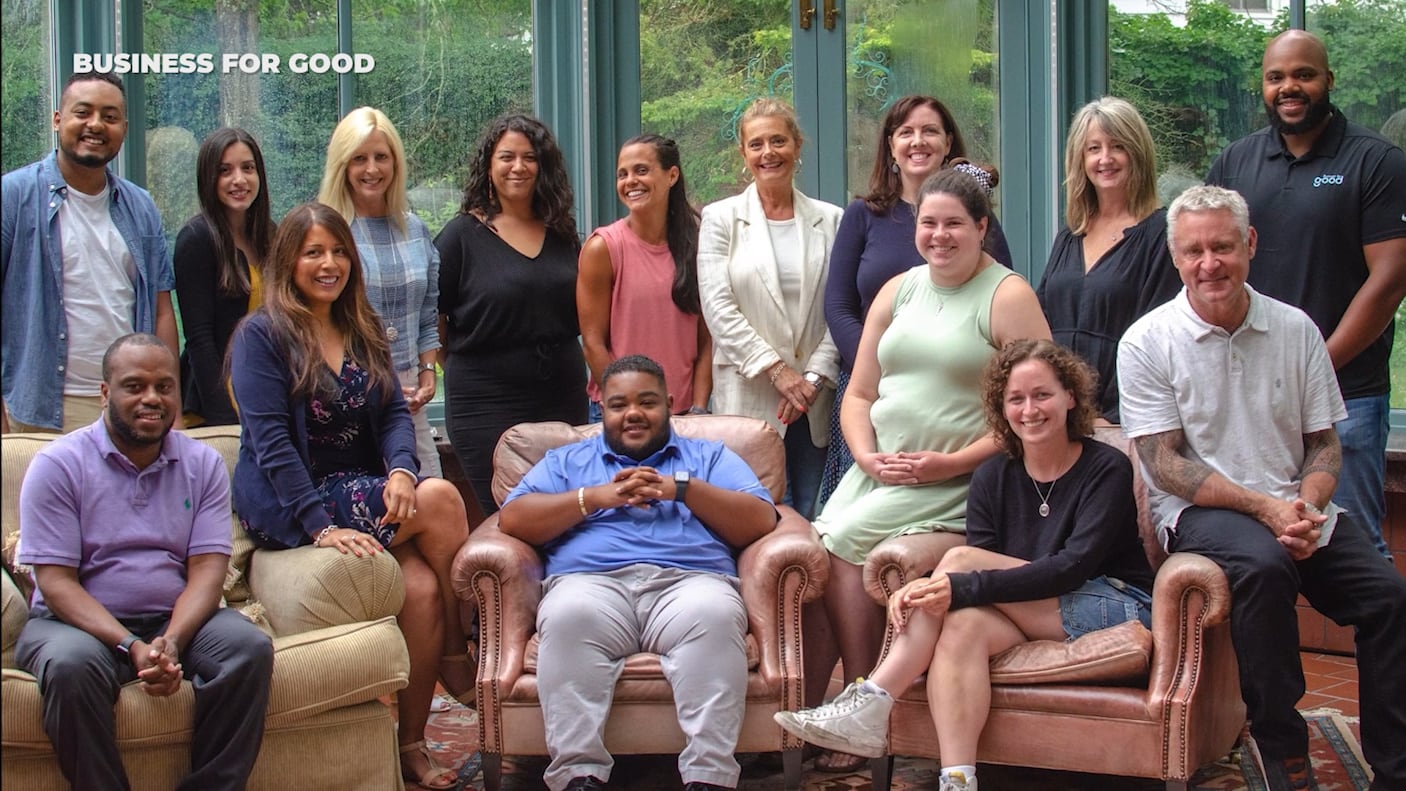
Ed Mitzen, the CEO of Business for Good, explains how and why he’s giving back by funding businesses from marginalized entrepreneurs to push social change.
Dana D’Auria, co-CIO at Envestnet, breaks down how she’s expecting markets to perform as ‘cracks’ from the rate hike cycle slowly filter into the economy.
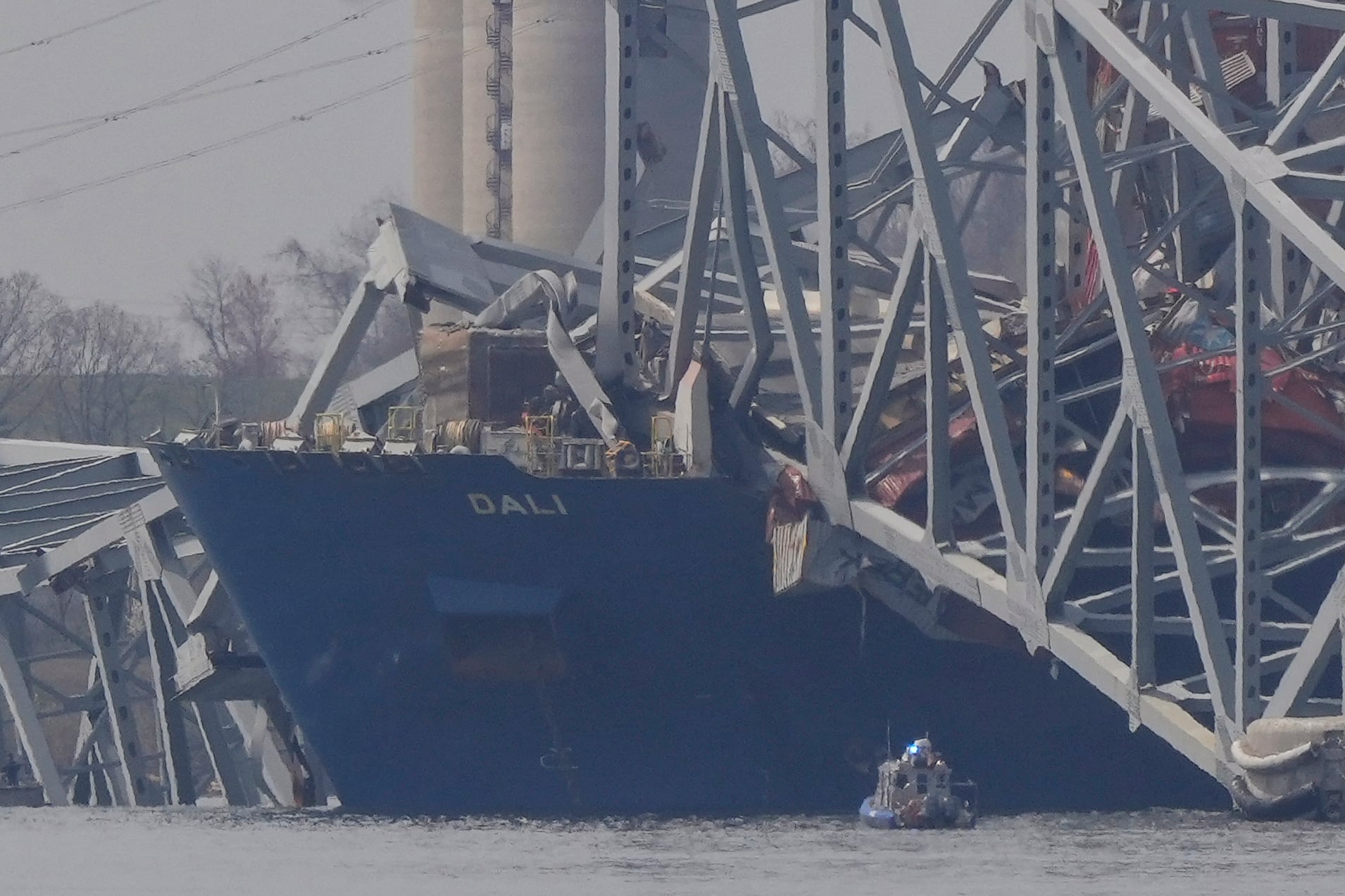
A large cargo ship lost power and issued a mayday call moments before it struck the Francis Scott Key Bridge early Tuesday, though it was still moving toward the span at a rapid speed.
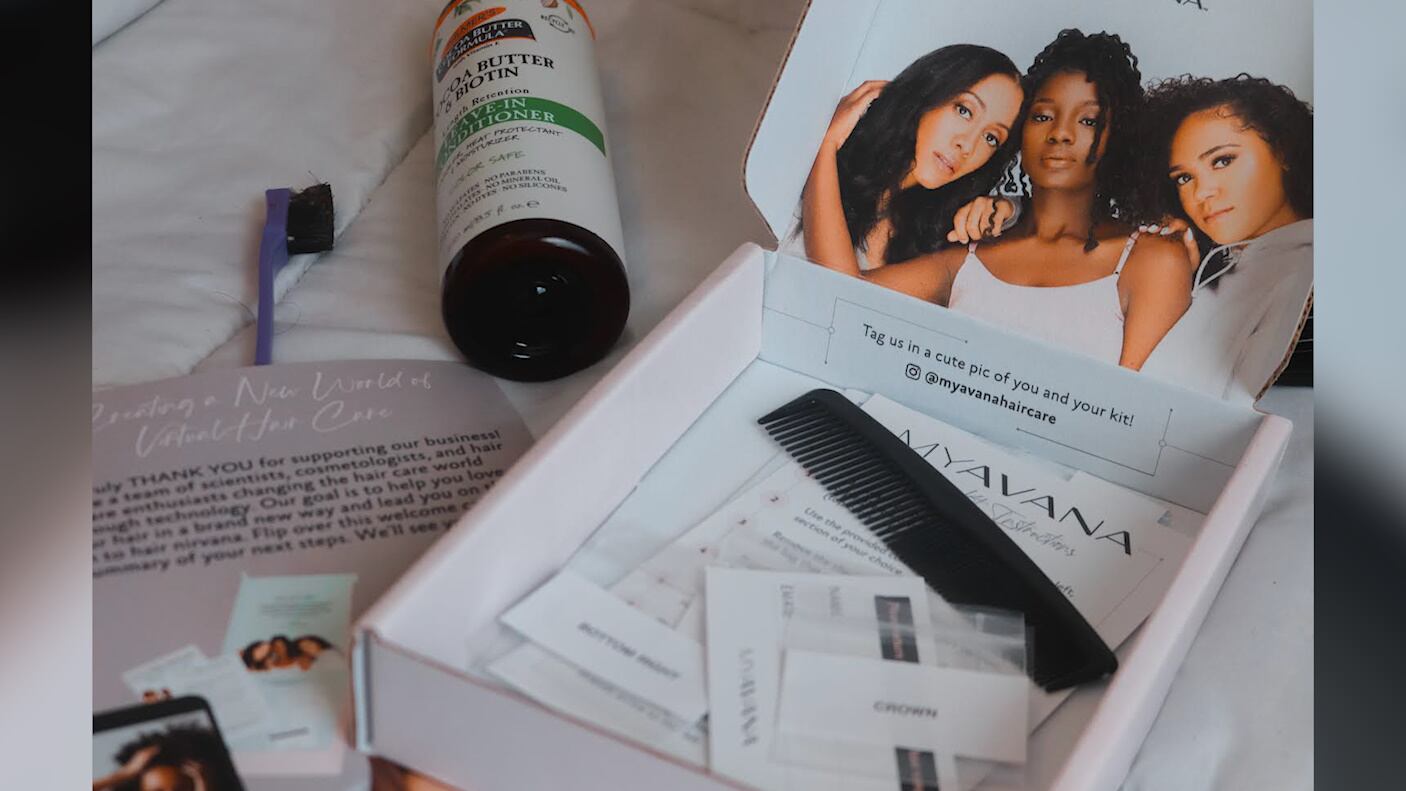
Candace Mitchell Harris discusses her path from computer scientist to founder of beauty tech tool MYAVANA – and how it uses A.I. to analyze each person’s unique haircare needs.
Michael Harris, NYSE global head of capital markets shares what to expect from IPOs in 2024, including A.I. excitement and why interest rate cuts are always helpful.
Lacy Garcia, Founder & CEO of Willow, shares why women, traditionally underserved by fintech, are looking for trust and a personal relationship from their financial advisor.