According to a recent survey, 61% of Americans said they found investing scary or intimidating. Ryan Ermey, Staff Writer at Kiplinger, joins Your Cheddar to discuss how much extra money you can have when you retire if you start investing in your early twenties.
If you start investing $100 per month at a return rate of 8% per year at the age of 27, you'll have $35,000 by the time you're 67. However, if you invest that same amount of money at age 22, you'll have $530,000! Ermey explains why time and compound interest are on your side.
Plus, you can't put all your eggs in one basket. Ermey walks through different ways to diversify your investment dollars. Whether it be investing in bonds, ETFs, or stocks, you want to make sure your money is spread out in case one investment turns out to be a dud.
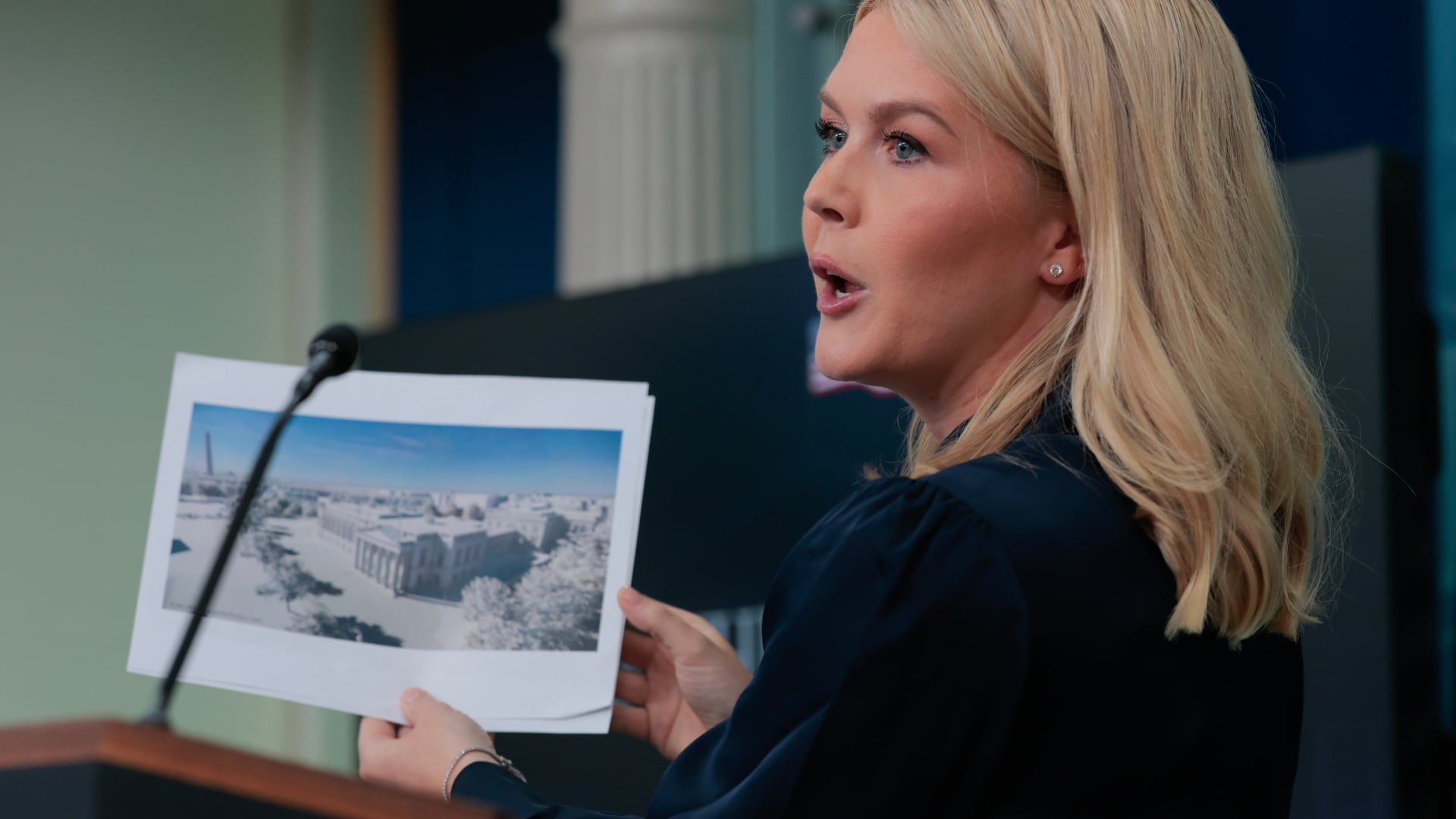
Meridith McGraw, White House Reporter at The Wall Street Journal, breaks down Trump’s $200M ballroom plan, D.C. police tensions, and the future of MAGA.
Dr. Richard Besser, President & CEO of the Robert Wood Johnson Foundation and former CDC acting director, unpacks the impact of RFK's mRNA funding cuts.
Jessica Inskip, Director of Investor Research at StockBrokers.com and host of MarketMakeHer, unpacks earnings, market outlook, and what history says is next.
Laura Desmond, CEO of Smartly, explores how Big Tech giants are competing for ad dollars in a shifting digital landscape and how Smartly is here to help.