Eli Lilly to Offer Breakthrough Migraine Drug for Free
*By Michael Teich*
[Twelve percent](https://migraineresearchfoundation.org/about-migraine/migraine-facts/) of the U.S. population may suffer from chronic migraines, but many Americans don't appreciate the impact, said president of Lilly Bio-Medicines Christi Shaw.
"These patients need to be treated seriously. This is a neurological disorder," Shaw said Friday in an interview on Cheddar.
Eli Lilly ($LLY) just received clearance from the FDA for its latest drug, and it could change the lives of the 39 million Americans suffering from migraines, according to Shaw.
The treatment, Emgality, is a monthly, self-administered injection that will help patients cut the frequency of their migraines in half, she said.
Shaw said that many Americans conflate headaches and migraines, and so they often dismiss their pain. They key difference is that the symptoms of a migraine disrupt one's ability to function optimally through the day. That doesn't happen with a more commonplace headache. And a stigma contributes to the glaring statistic that only about 10 percent of those suffering from migraines take prescription drugs for prevention, Shaw said.
Emgality comes with a serious price tag: $6,900 a year, or $575 a month. But Eli Lilly is offering commercially insured patients up to 12 months of the drug for free. It's among the latest efforts from the industry to offer consumers some relief from surging drug costs.
Competitors Amgen ($AMGN) and Teva ($TEVA) have already unveiled new migraine treatment drugs.
For full interview [click here](https://cheddar.com/videos/eli-lilly-gets-fda-approval-for-new-migraine-treatment).
Shelli Avenevoli, Ph.D., the deputy director for the National Institute of Mental Health (NIMH), joined Cheddar to discuss concerns about the devastating impact the pandemic has had on the nation's youth. While mental health issues have been a point of concern for the populace at large, Avenevoli talked about how vulnerable young people have been during the COVID-19 crisis. "It's important to keep in mind, for children and adolescents, that the pandemic is occurring during a time of very formative development when social connection is vital for health and optimal function," she said. Avenevoli also noted broad political and social upheavals that have contributed to the issue but also things that can be done to help minors with their mental wellbeing.
Cheddar Innovates gets a look at the satellite that's searching for the earliest light from the big bang, plus a former Nike executive breaks down what the new era of sportswear looks like.
A packed Thursday pod: Carlo and Baker cover the latest developments in the Ghislaine Maxwell, Jussie Smollett and Elizabeth Holmes trials. Plus, Dems are losing the Hispanic vote, Boris Johnson in trouble again, and is it possible that Adele has peaked?
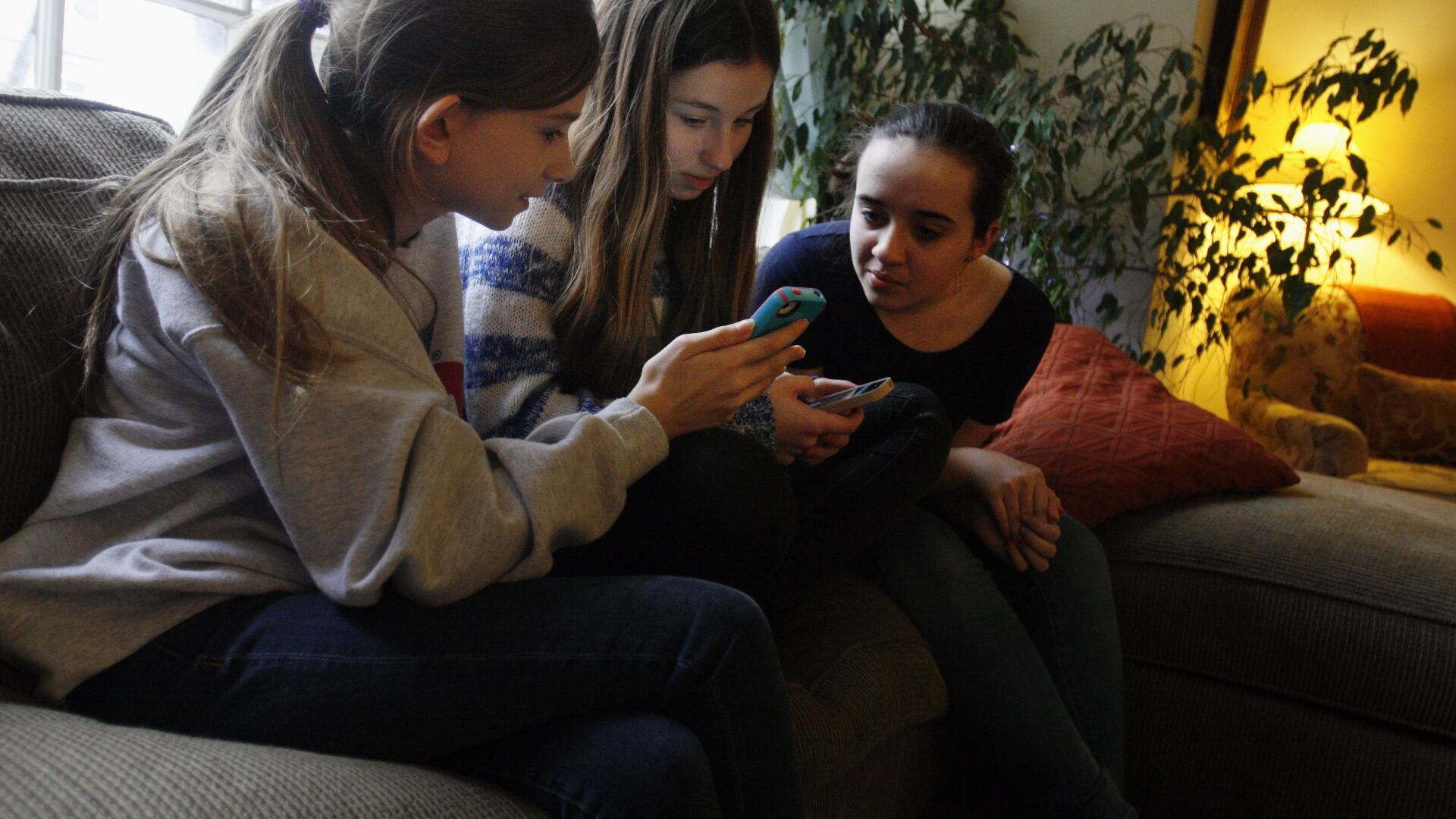
Adam Mosseri, head of Instagram, faced withering questions on Capitol Hill about the reports the social media app was aware of the severe mental health impacts it was having on teenage girls. Karen Kornbluh, the director of digital innovation and democracy for the German Marshall Fund, joined Cheddar to discuss the rare show of bipartisan outrage on display at the Senate hearing. "The senators came really loaded for bear on both sides of the aisle," she said. Kornbluh explained how senators like Richard Blumenthal (D-Conn.) set up fake Instagram accounts with teen girl profiles in order to research the effects firsthand.
A mental health crisis among young people is looming, and a large part of it is online. Cheddar News speaks with digital policy expert Karen Kornbluh on the issue.
Back in 2010, several large companies pledged to work towards stopping deforestation by 2020. Companies like Nestle and Carrefour even went further to say that they would eliminate deforestation from their supply chains altogether. However, fast forward to 2020, many of these companies have failed to reach that goal. Associate Director of Forest at the CDP Nadia Bishai, joined Cheddar to discuss more.
A new study by Pfizer-BioNTech found that a third dose of their COVID-19 vaccine is effective against the emerging omicron variant. The pharmaceutical giants also look to manufacture a vaccine specific to the omicron variant by March 2022.