Election Will Test Cybersecurity Measures Put In Place After 2016
*By Conor White*
While Americans nationwide wait for midterm voting results on Tuesday, the F.B.I. and the department of Homeland Security will be watching for something less easily tallied ー signs of potential hacking or meddling.
Rob Marvin, associate features editor at PCMag, told Cheddar that the level of election interference in 2016 from "outside malicious actors" [was at a scale never seen before](https://www.pcmag.com/feature/364358/under-attack-how-election-hacking-threatens-the-midterms).
Marvin is skeptical that authorities in the U.S., and around the world, can successfully thwart more interference.
"Facebook ($FB) and the social media platforms have admitted they're kind of in an arms race with troll armies and nation states to find and delete fake accounts that are influencing elections," Marvin pointed out.
"And they can't do it fast enough," he added.
Marvin cautioned voters to be wary of any last-minute revelations about a candidate that surface on social media.
"You should be voting your mindset," he said.
While many see the 2018 midterm elections as a referendum on President Trump's first two years in office, it is also a litmus test on the country's ability to thwart hackers.
"We're going to see what we've learned," Marvin said.
For full interview [click here](https://cheddar.com/videos/hacking-the-midterms).
The Supreme Court on Wednesday said it will hear an appeal that could upend hundreds of charges stemming from the Capitol riot, including against former President Donald Trump.
The Federal Reserve kept its key interest rate unchanged Wednesday for a third straight time, and its officials signaled that they expect to make three quarter-point cuts to their benchmark rate next year.
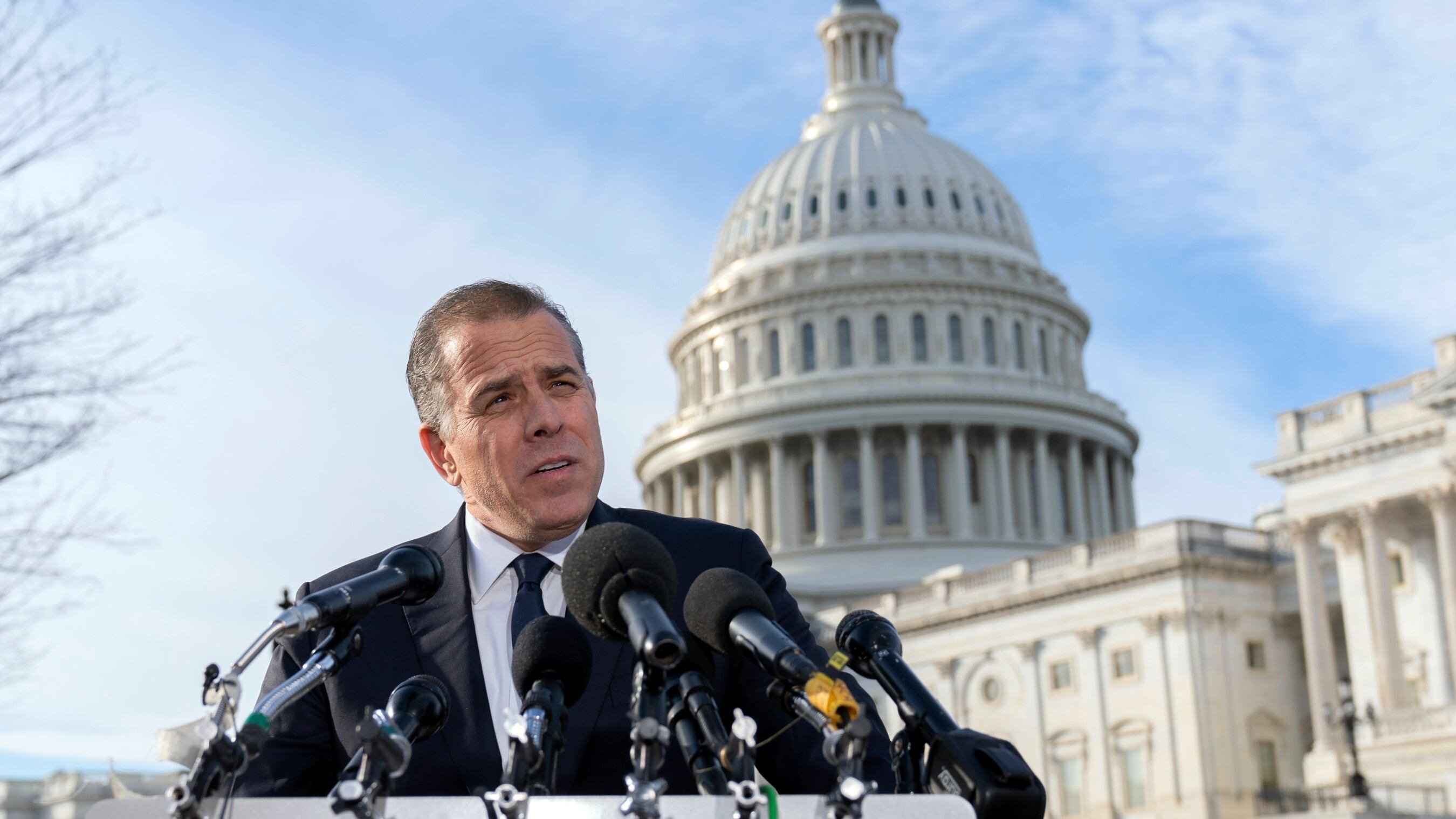
Hunter Biden on Wednesday defied a congressional subpoena to appear privately for a deposition before Republican investigators who have been digging into his business dealings, insisting outside the U.S. Capitol that he will only testify in public.
The Supreme Court agreed on Wednesday to take up a dispute over a medication used in the most common method of abortion in the United States, its first abortion case since it overturned Roe v. Wade last year.