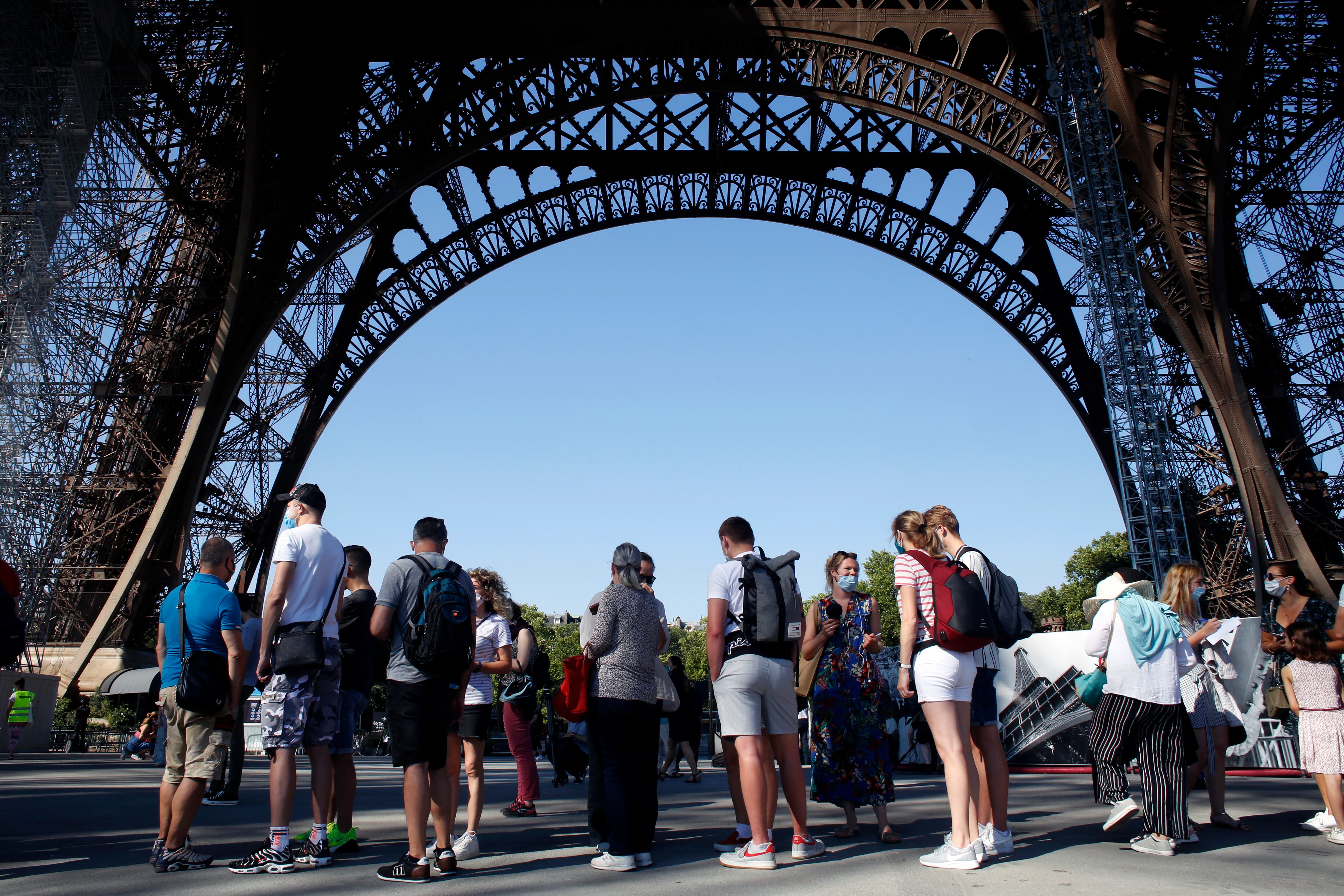
People queue up prior to visit the Eiffel Tower, in Paris, Thursday, June 25, 2020. The Eiffel Tower reopens after the coronavirus pandemic led to the iconic Paris landmark's longest closure since World War II. (AP Photo/Thibault Camus)
By Masha Macpherson
Marking another milestone in France's recovery from coronavirus lockdown, the Eiffel Tower reopened to visitors Thursday after its longest-ever closure in peace time: 104 days.
Tourists who are trickling back to Paris were delighted to find the landmark open when some other attractions in the French capital remain closed. The Louvre Museum isn't reopening until July 6.
"It's very special, very special because it's only the Paris people," said Annelies Bouwhuis, a 43-year-old visitor from the Netherlands. "We've seen a lot Paris people enjoying their city, enjoying their parks without all the tourists."
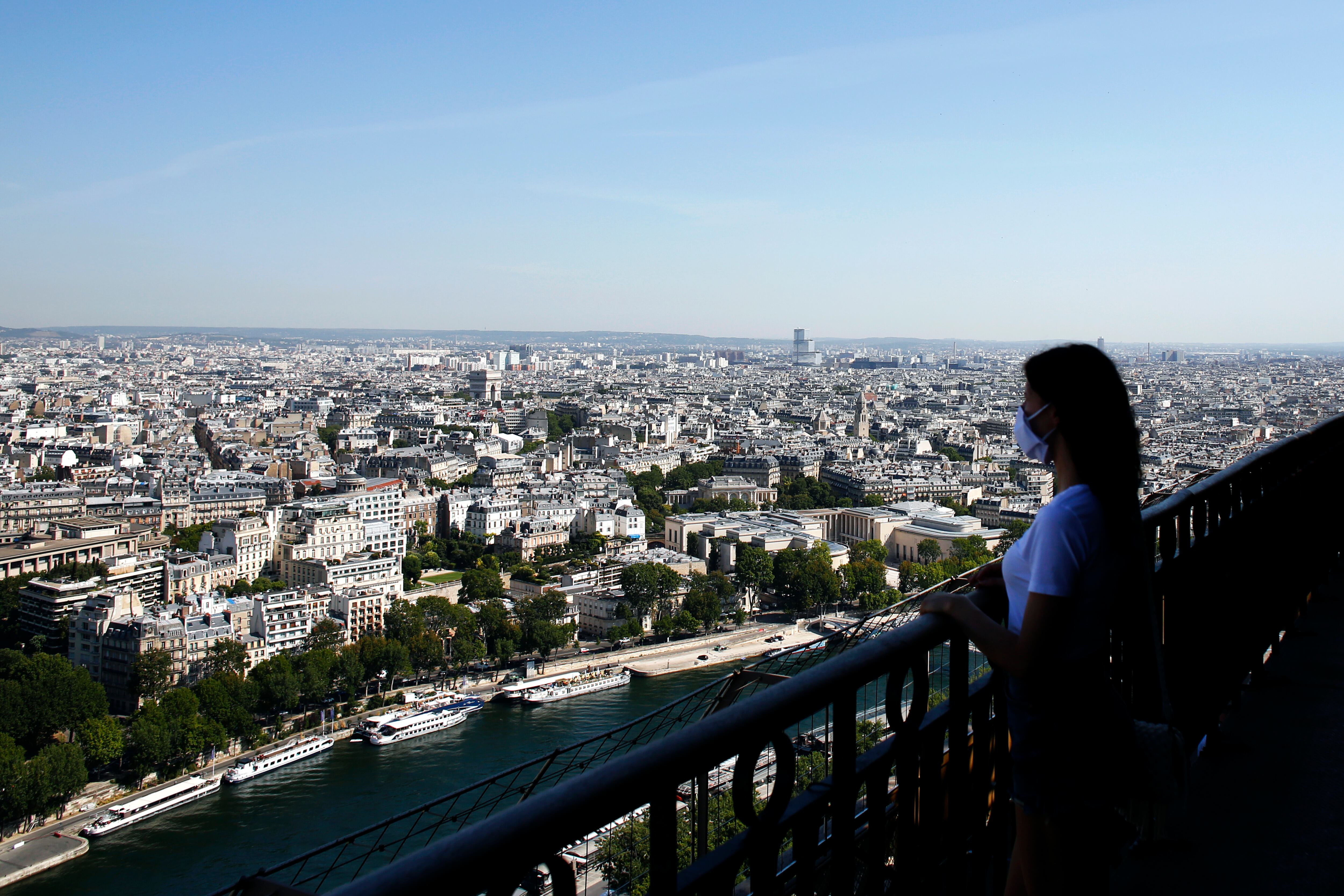
A visitor looks at the view from the Eiffel Tower, in Paris, Thursday, June 25, 2020. The Eiffel Tower reopens after the coronavirus pandemic led to the iconic Paris landmark's longest closure since World War II. (AP Photo/Thibault Camus)
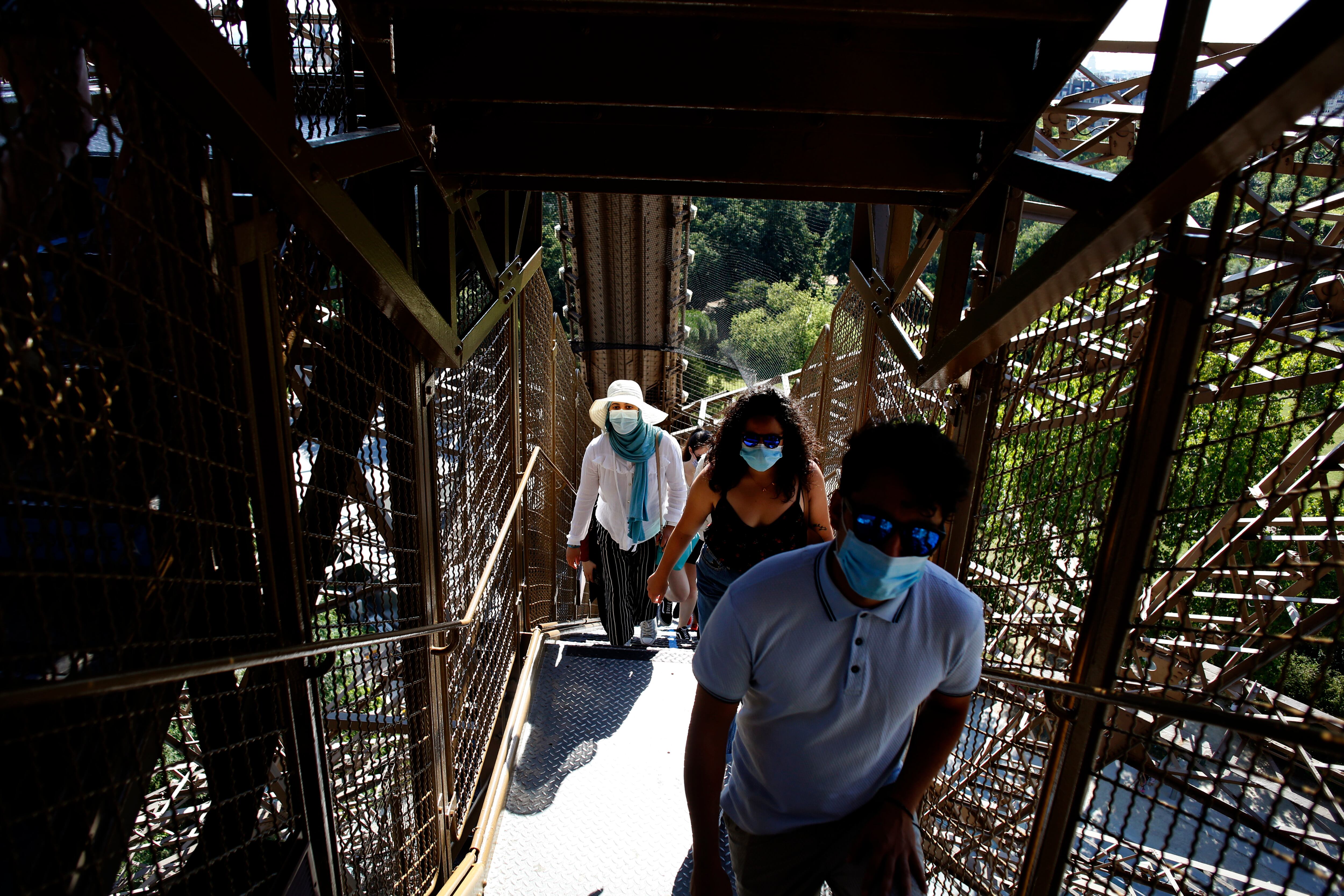
Lifts that usually whisk visitors up the 324-meter (1,063-foot) tall wrought-iron Eiffel Tower remain closed, so for now people have to take the stairs.
Of the tower's three decks, only the first two reopened. Those who climbed the 674 steps Thursday were rewarded with far-away views and a light breeze in scorching summer weather. Masks are obligatory for all visitors ages 11 and up.
"I booked the first slot because afterward, it will be very hot," said Sabine Peaufils, a 57-year-old Parisian. "This is a real pleasure."
People climb stairs as they visit the Eiffel Tower, in Paris, Thursday, June 25, 2020. The Eiffel Tower reopens after the coronavirus pandemic led to the iconic Paris landmark's longest closure since World War II. (AP Photo/Thibault Camus)
The tower lost 27 million euros ($30 million) from the lockdown that started in March, according to its director general, Patrick Branco Ruivo.
France and other European countries with big tourism sectors are starting to coax back visitors, with mixed results.
The Louvre is bracing for a precipitous drop in visitor numbers when it reopens.
Visitor numbers are down at the Versailles Palace since the former royal residence west of Paris reopened June 6.
The palace has capped visits at a maximum of 4,500 people per day, spread out through the day. That is way down from the 20,000 people per day the palace previously got in the busy summer season.
Sen. Angus King (I-Maine) sent a last-minute Christmas request this week to the leaders of six major streaming services on behalf of the American public.
From Wall Street to Silicon Valley, these are the top stories that moved markets and had investors, business leaders, and entrepreneurs talking this week on Cheddar.
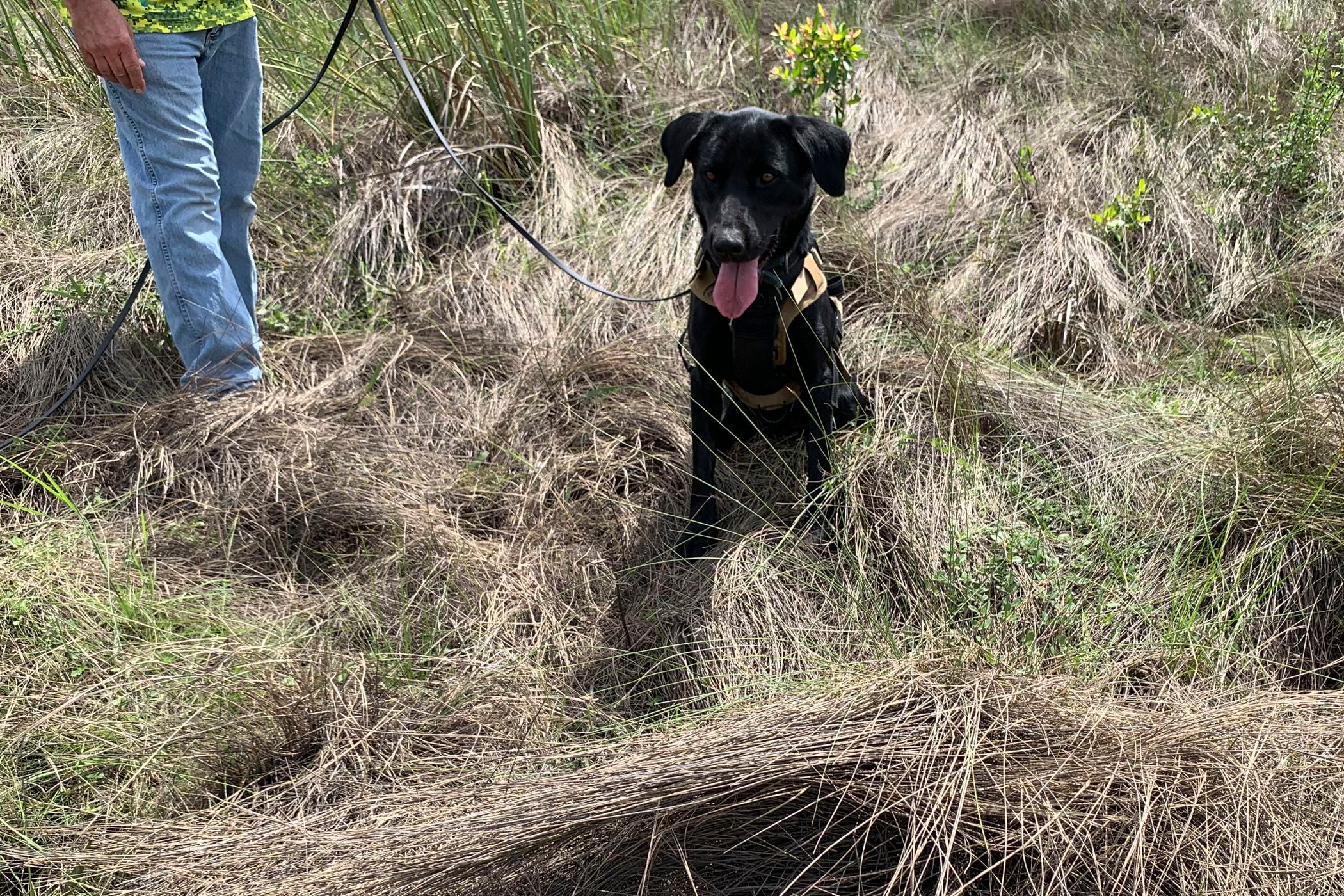
Florida is now using trained dogs to sniff out troublesome pythons. Truman is a python-hunting black Labrador retriever that recently tracked down his first snake as part of a new Florida Fish and Wildlife Conservation Commission program.
Jill and Carlo end the week with more promising vaccine developments, a staggering cyberhack of government computer systems, Google's existential crisis and Love, Hate, Ate.
One of President Donald Trump's former Atlantic City casinos will be blown up next month, and for the right amount of money, you could be the one to press the button that brings it down.
Dr. Ashwini Zenooz, chief medical officer at Salesforce, discusses teaming up with Gavi, the Vaccine Alliance, to help distribute COVID vaccines equitably throughout the world.
MacKenzie Scott, philanthropist, author and former wife of Amazon founder Jeff Bezos, says she has given away $4.1 billion in the past four months to hundreds of organizations as part of a giving pledge she announced last year.