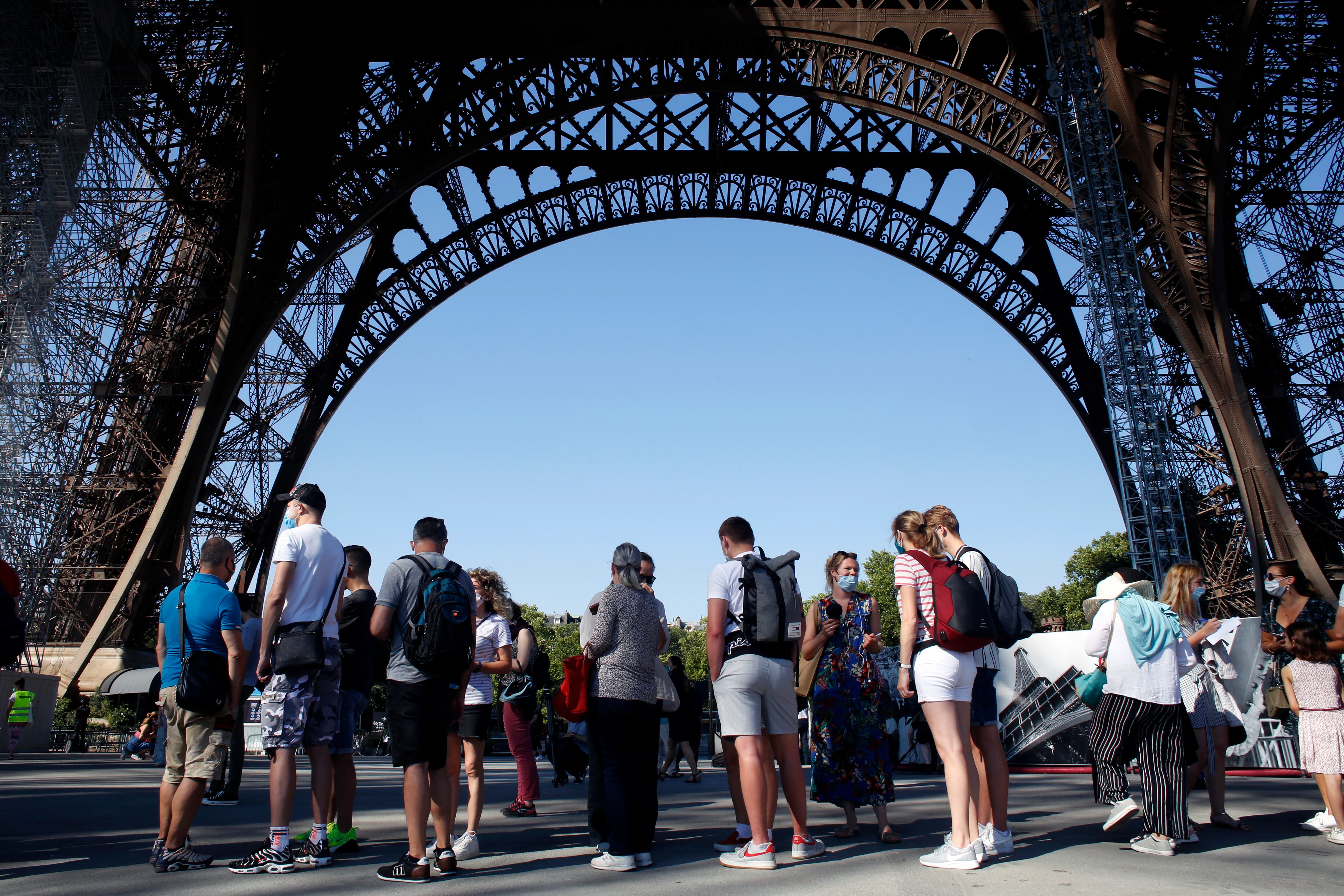
People queue up prior to visit the Eiffel Tower, in Paris, Thursday, June 25, 2020. The Eiffel Tower reopens after the coronavirus pandemic led to the iconic Paris landmark's longest closure since World War II. (AP Photo/Thibault Camus)
By Masha Macpherson
Marking another milestone in France's recovery from coronavirus lockdown, the Eiffel Tower reopened to visitors Thursday after its longest-ever closure in peace time: 104 days.
Tourists who are trickling back to Paris were delighted to find the landmark open when some other attractions in the French capital remain closed. The Louvre Museum isn't reopening until July 6.
"It's very special, very special because it's only the Paris people," said Annelies Bouwhuis, a 43-year-old visitor from the Netherlands. "We've seen a lot Paris people enjoying their city, enjoying their parks without all the tourists."
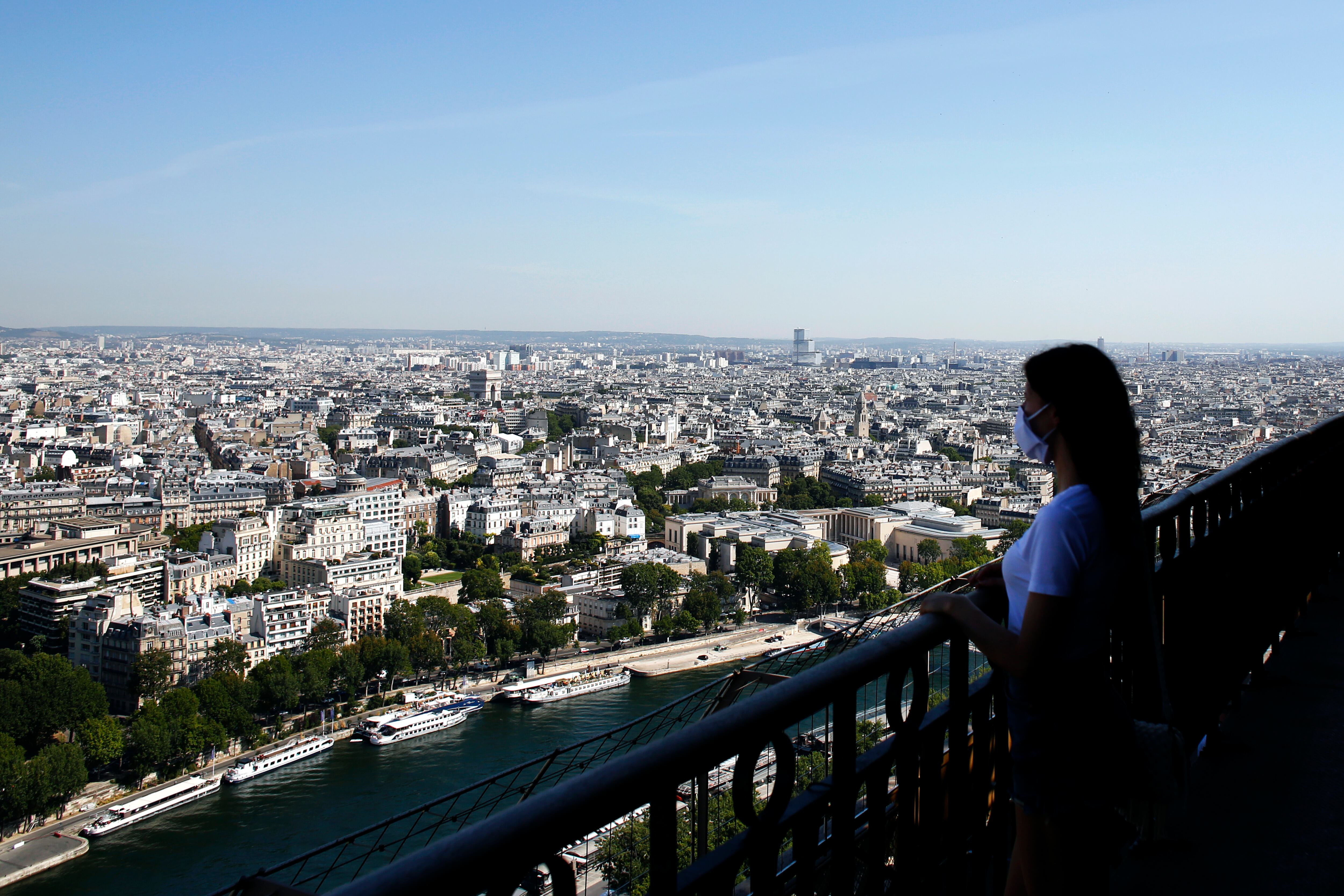
A visitor looks at the view from the Eiffel Tower, in Paris, Thursday, June 25, 2020. The Eiffel Tower reopens after the coronavirus pandemic led to the iconic Paris landmark's longest closure since World War II. (AP Photo/Thibault Camus)
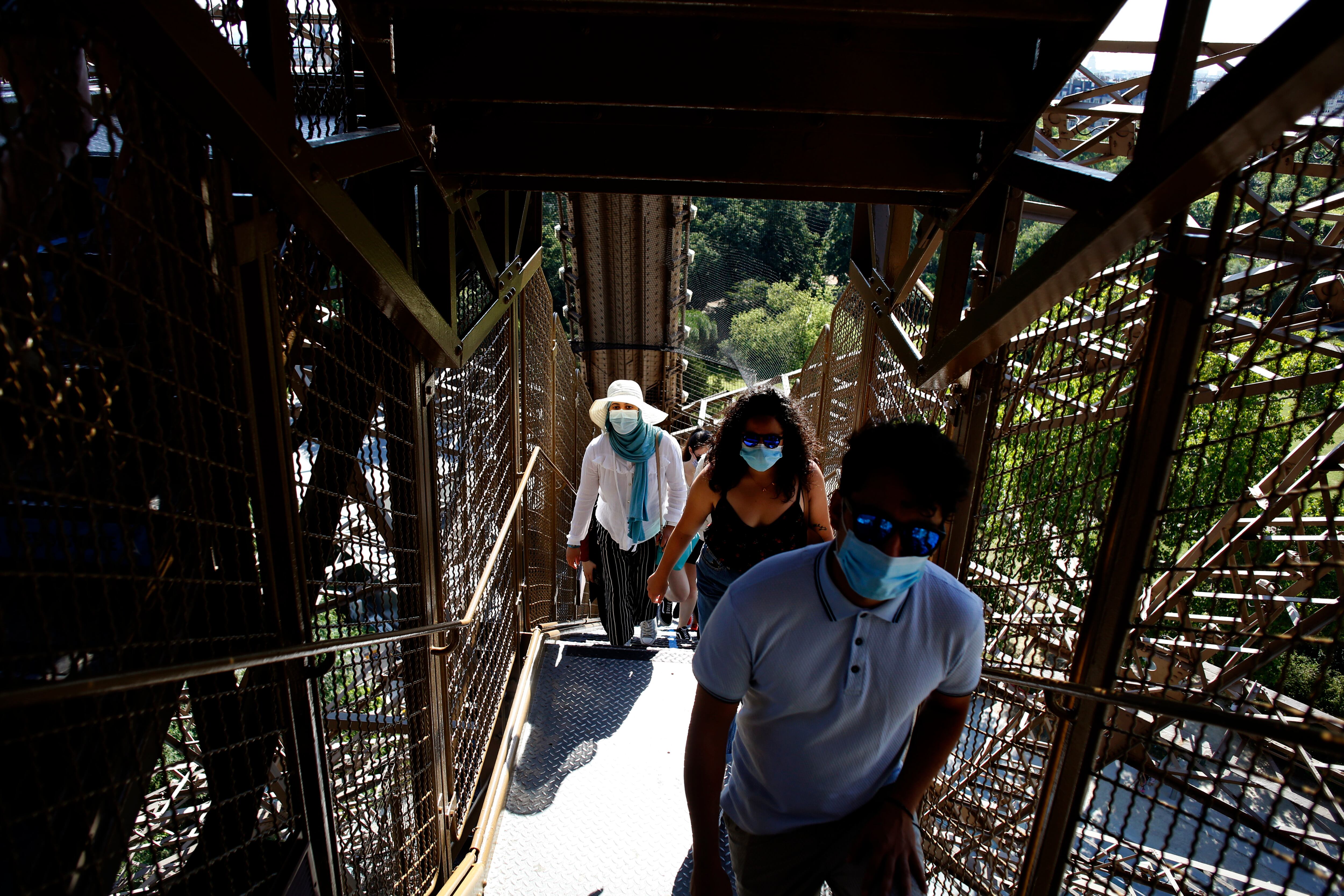
Lifts that usually whisk visitors up the 324-meter (1,063-foot) tall wrought-iron Eiffel Tower remain closed, so for now people have to take the stairs.
Of the tower's three decks, only the first two reopened. Those who climbed the 674 steps Thursday were rewarded with far-away views and a light breeze in scorching summer weather. Masks are obligatory for all visitors ages 11 and up.
"I booked the first slot because afterward, it will be very hot," said Sabine Peaufils, a 57-year-old Parisian. "This is a real pleasure."
People climb stairs as they visit the Eiffel Tower, in Paris, Thursday, June 25, 2020. The Eiffel Tower reopens after the coronavirus pandemic led to the iconic Paris landmark's longest closure since World War II. (AP Photo/Thibault Camus)
The tower lost 27 million euros ($30 million) from the lockdown that started in March, according to its director general, Patrick Branco Ruivo.
France and other European countries with big tourism sectors are starting to coax back visitors, with mixed results.
The Louvre is bracing for a precipitous drop in visitor numbers when it reopens.
Visitor numbers are down at the Versailles Palace since the former royal residence west of Paris reopened June 6.
The palace has capped visits at a maximum of 4,500 people per day, spread out through the day. That is way down from the 20,000 people per day the palace previously got in the busy summer season.
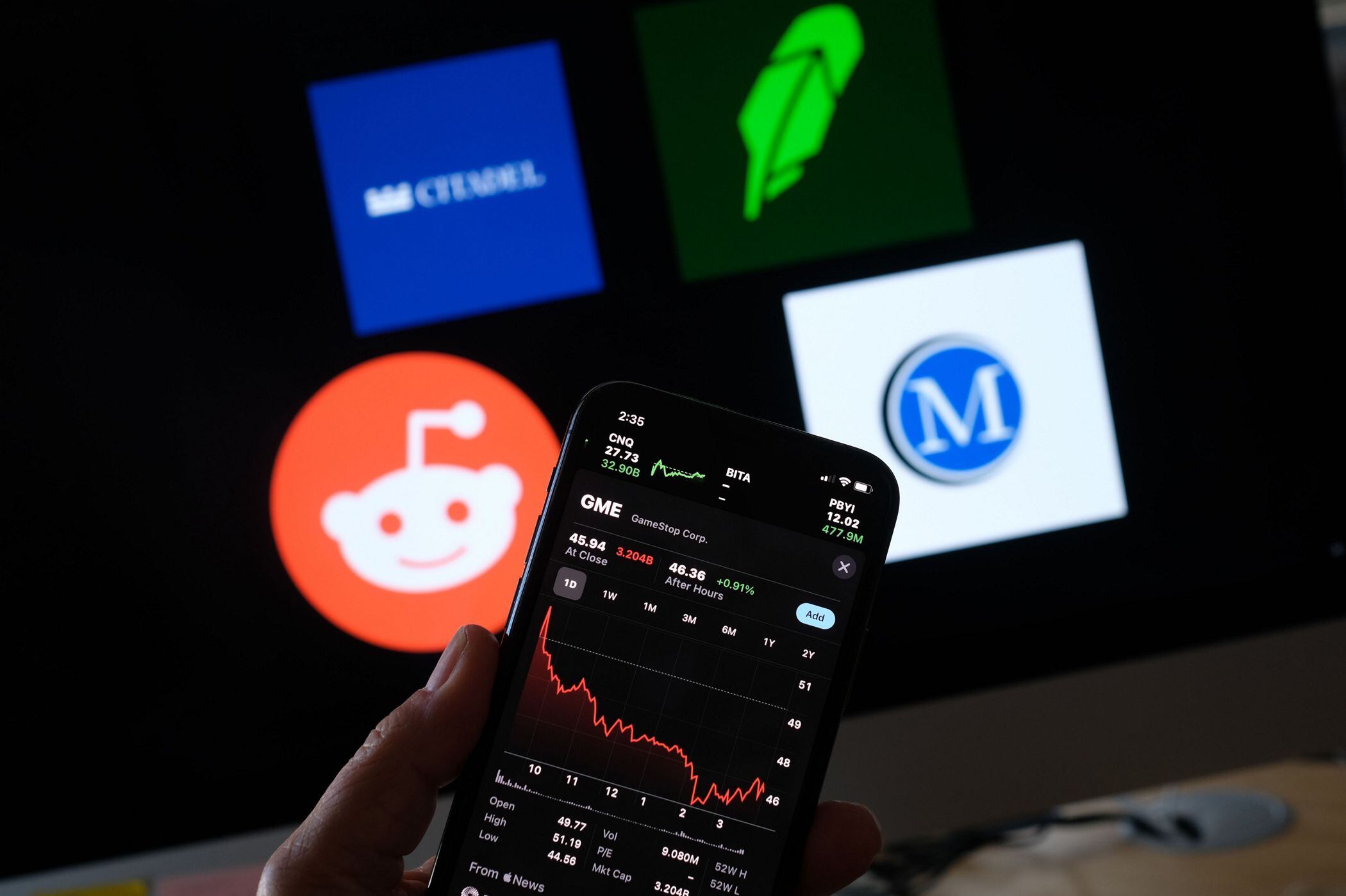
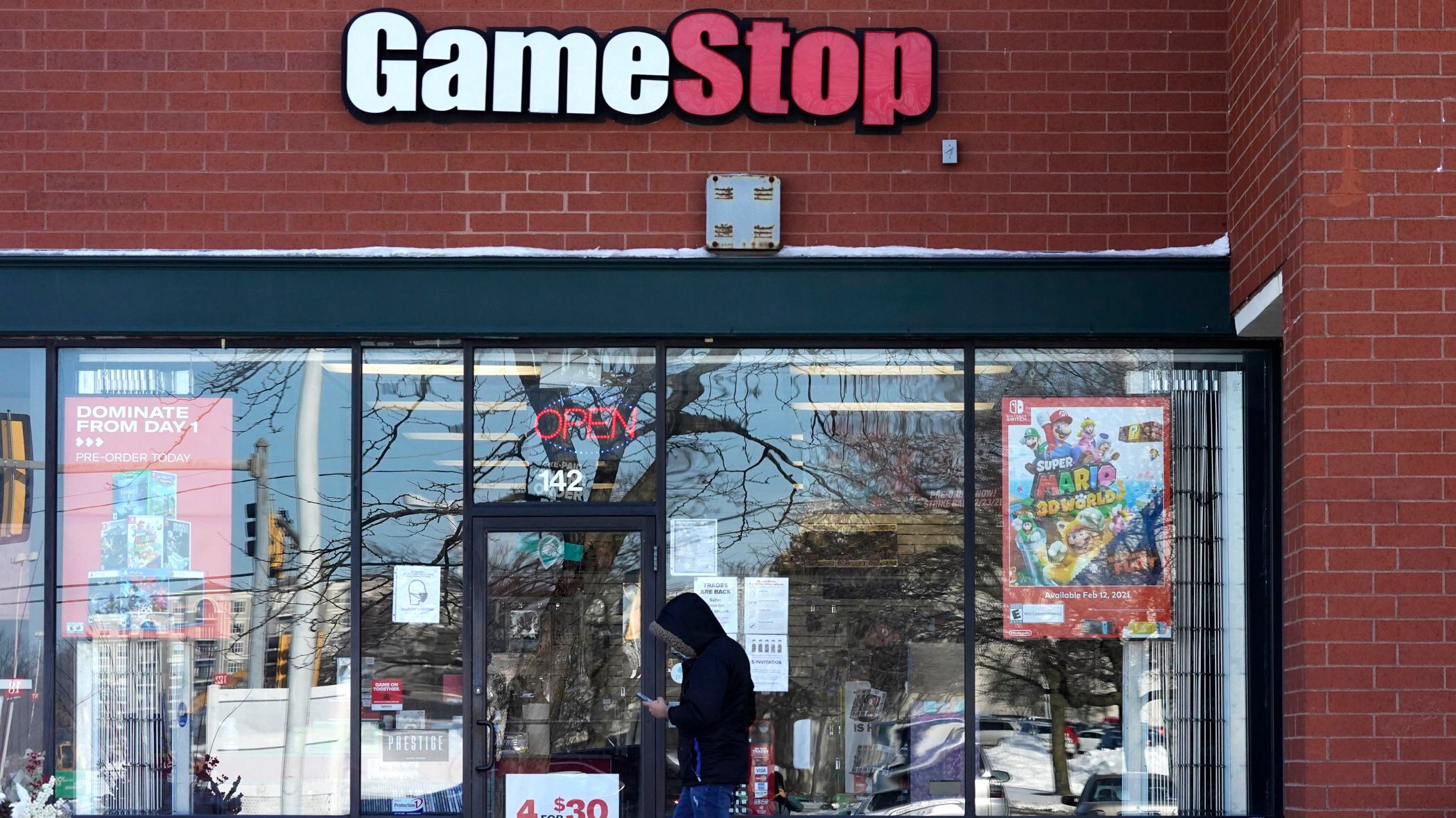
Cheddar has pulled together a rough timeline of the GameStop tale, from its inauspicious beginnings to becoming one of the biggest stories out of Wall Street since the crash of the housing market.
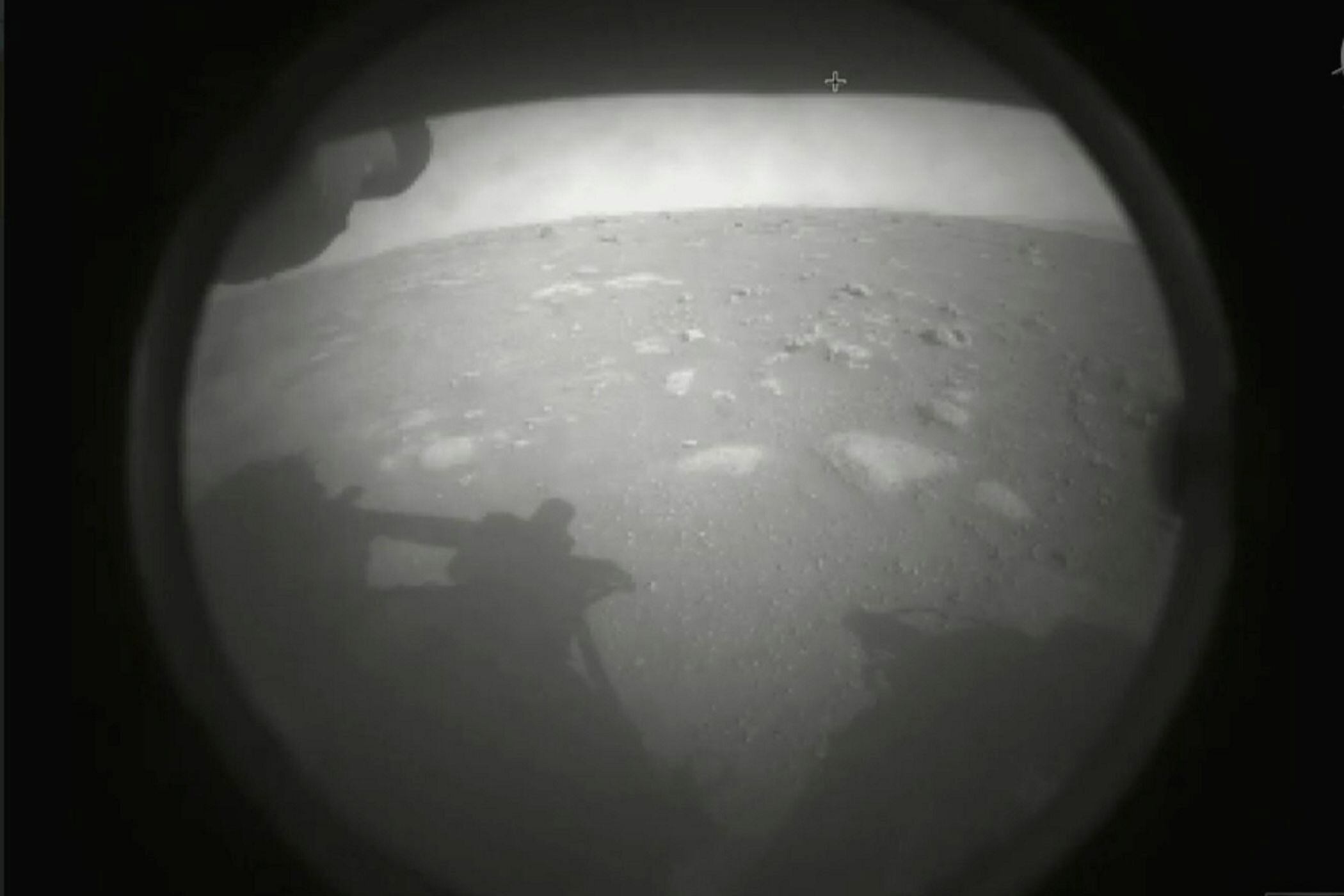
What was Ted Cruz thinking? The senator is back from a quick but eventful trip to Mexico. Vaccine reinforcements are coming. A space milestone of epic proportions. Plus, Love, Hate, Ate featuring the best commercial on TV.
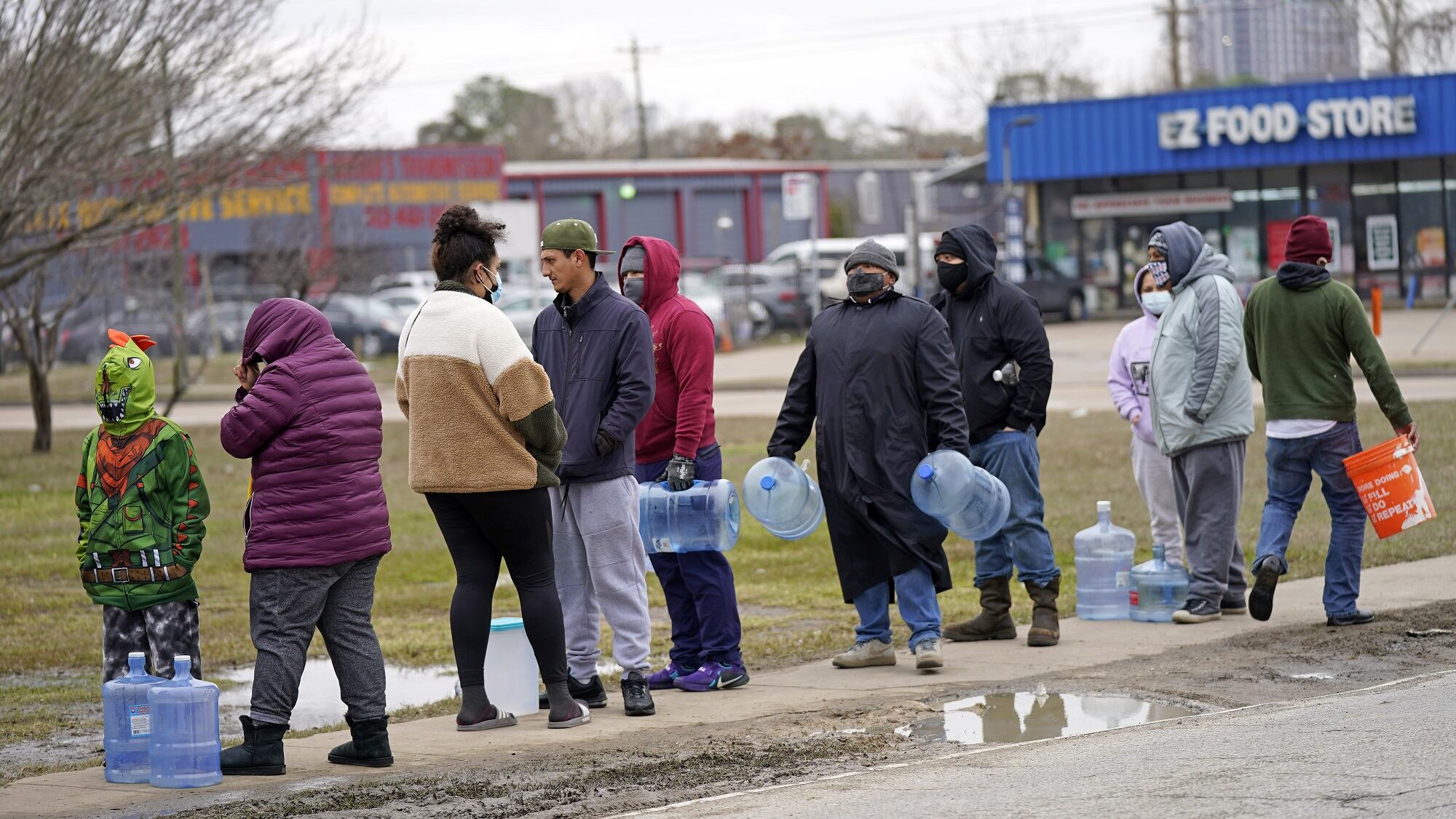
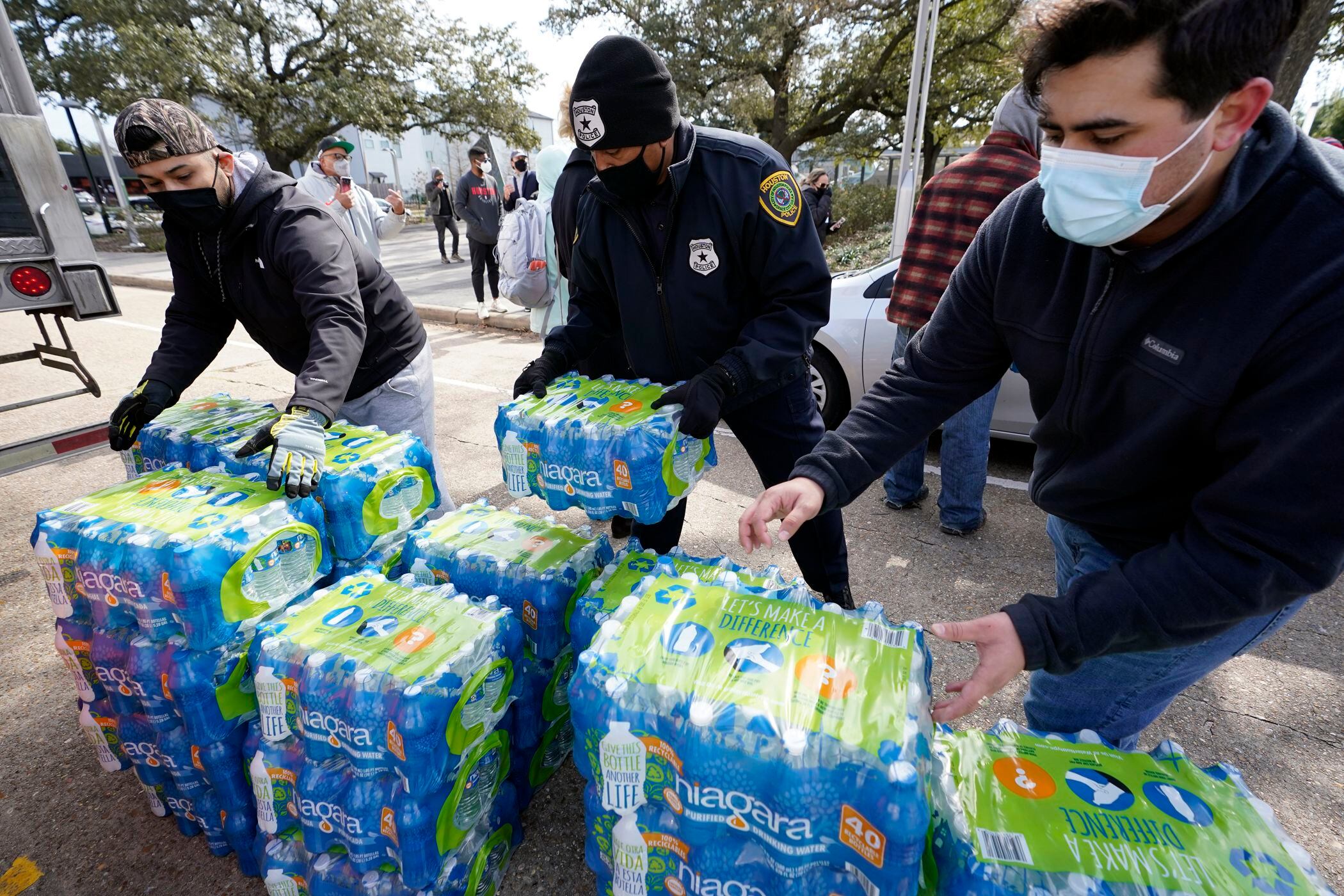
Power was restored to more homes and businesses in Texas after a deadly blast of winter this week overwhelmed the electrical grid and left millions shivering in the cold.
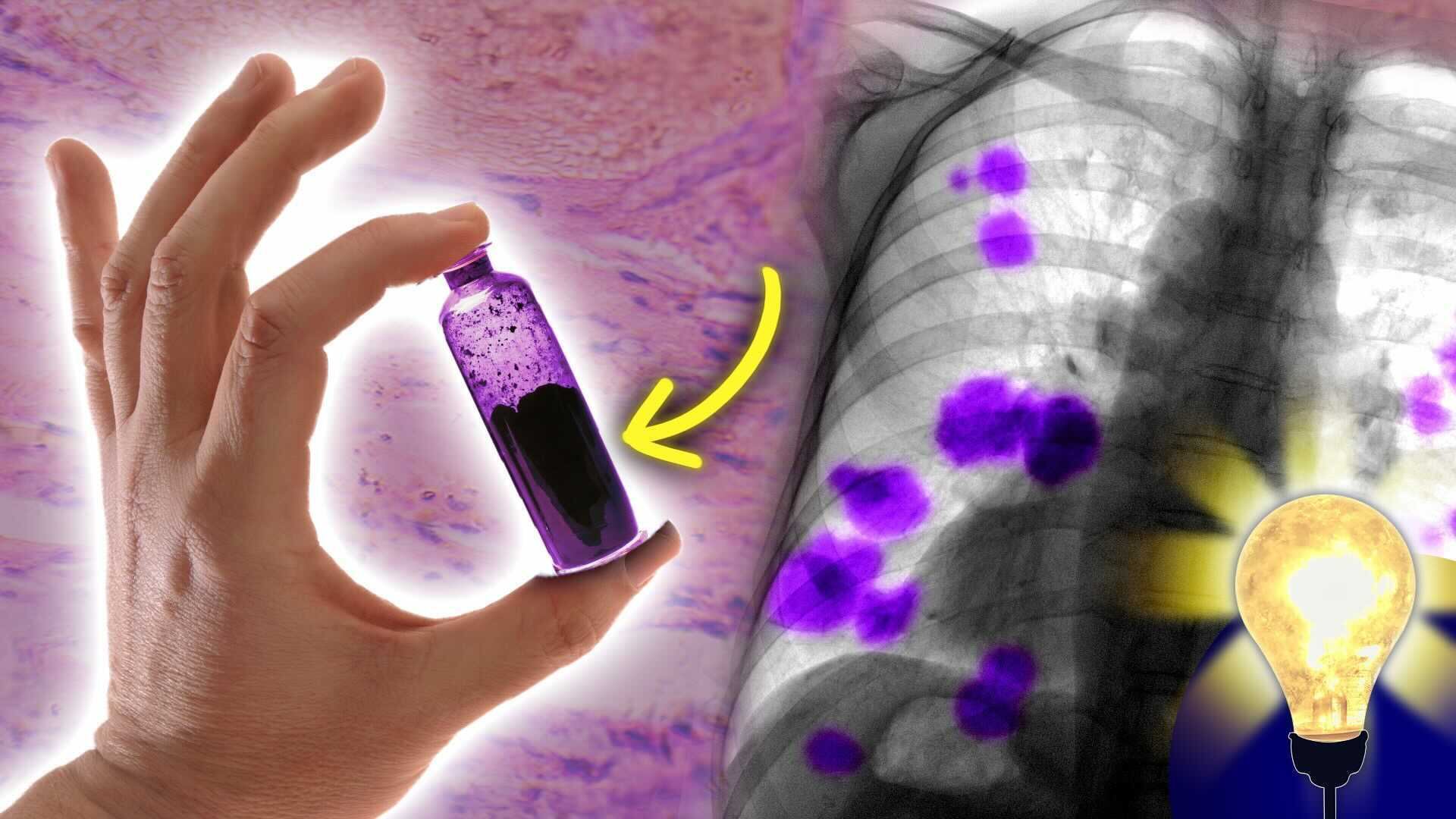
In 1856, a chemistry student named William Henry Perkin accidentally created a strange substance with a rich purple hue. That accident turned out to be the world’s first synthetic dye.
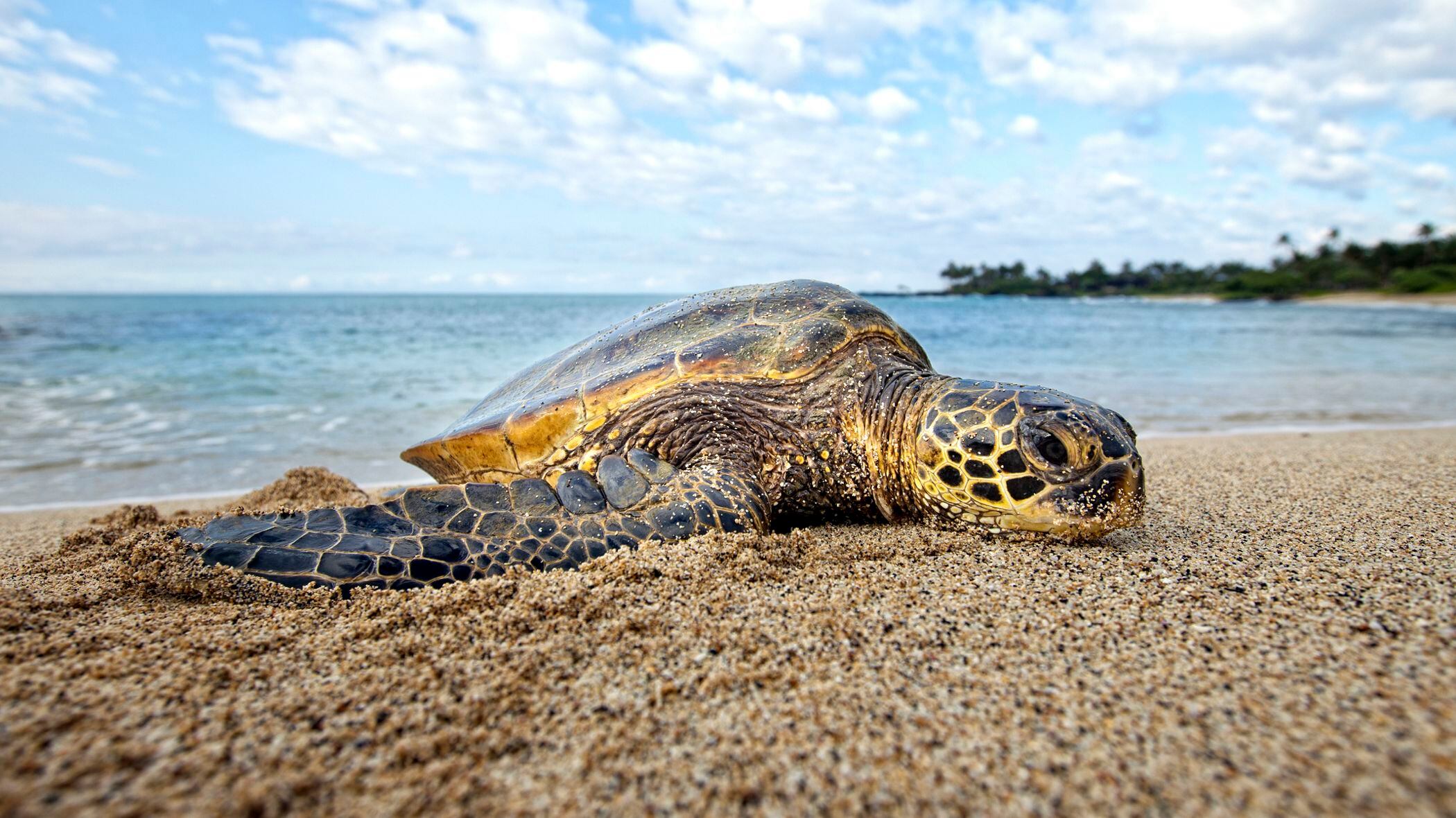
People have taken thousands of cold-stunned sea turtles to a convention center in South Texas in hopes of saving them during the unusually chilly weather.
Carlo and Baker discuss the latest from Texas as another winter storm is making bad things worse, what to watch in today's big hearing on GameStop, the moment of truth on Mars, and Serena's Open exit.