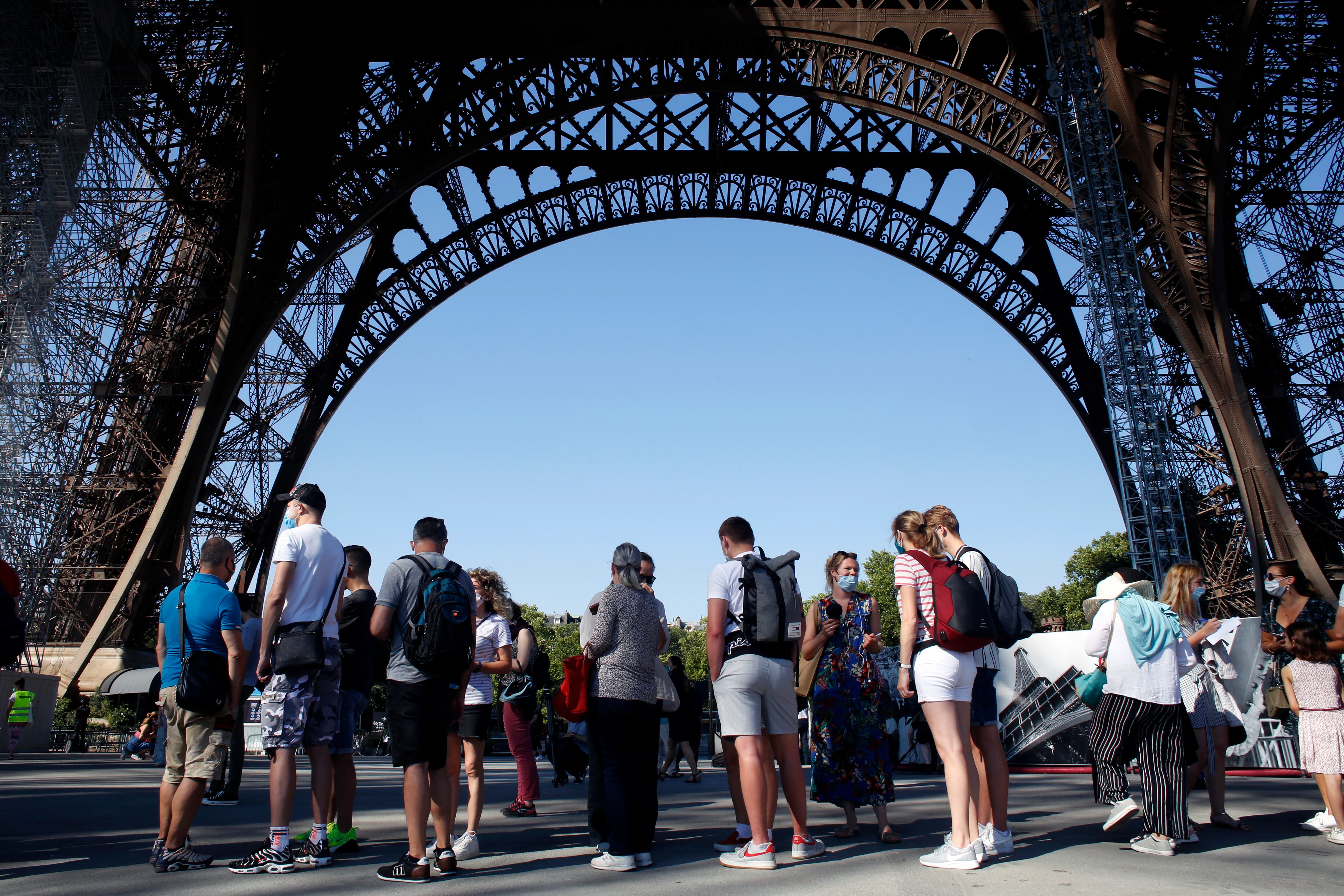
People queue up prior to visit the Eiffel Tower, in Paris, Thursday, June 25, 2020. The Eiffel Tower reopens after the coronavirus pandemic led to the iconic Paris landmark's longest closure since World War II. (AP Photo/Thibault Camus)
By Masha Macpherson
Marking another milestone in France's recovery from coronavirus lockdown, the Eiffel Tower reopened to visitors Thursday after its longest-ever closure in peace time: 104 days.
Tourists who are trickling back to Paris were delighted to find the landmark open when some other attractions in the French capital remain closed. The Louvre Museum isn't reopening until July 6.
"It's very special, very special because it's only the Paris people," said Annelies Bouwhuis, a 43-year-old visitor from the Netherlands. "We've seen a lot Paris people enjoying their city, enjoying their parks without all the tourists."
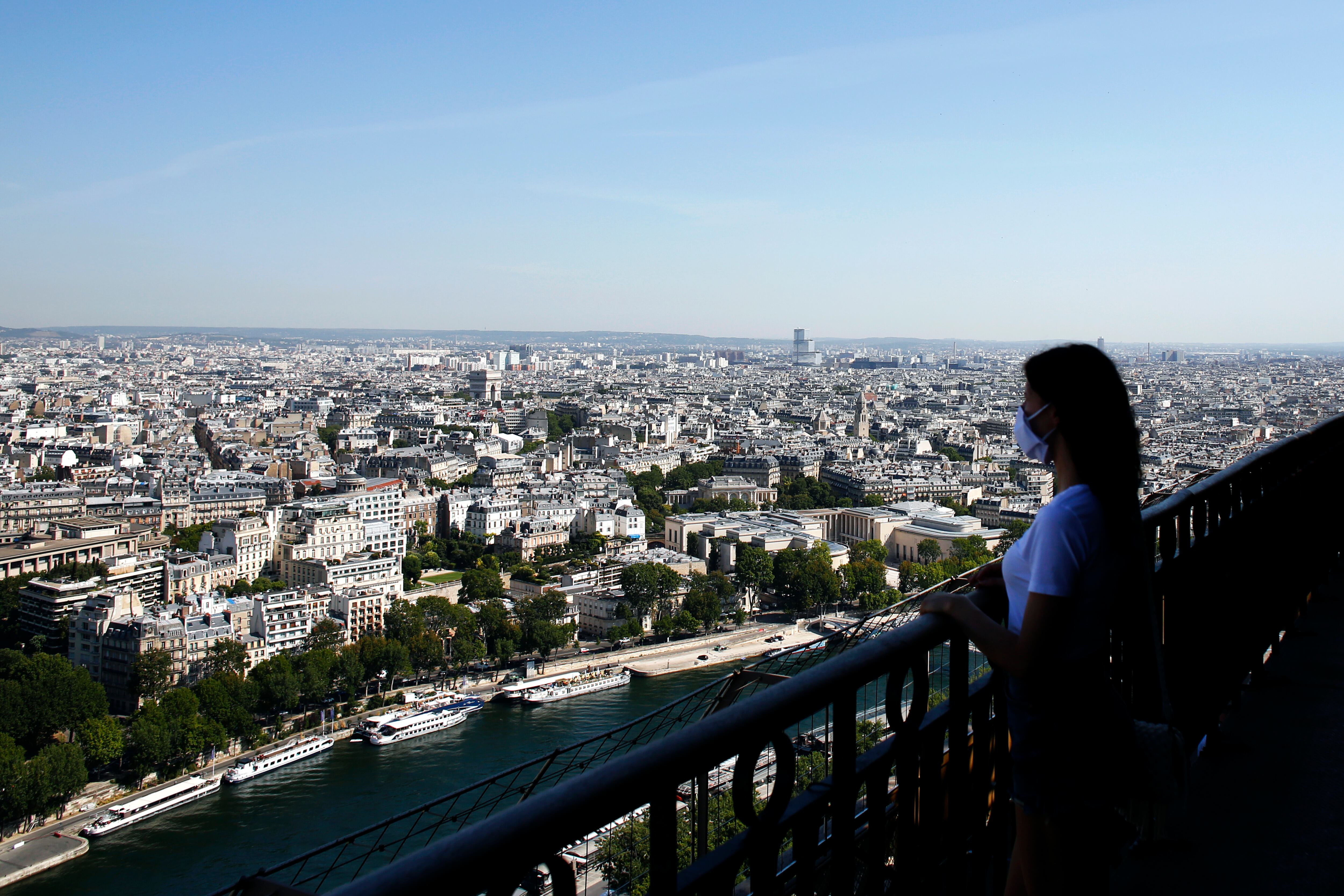
A visitor looks at the view from the Eiffel Tower, in Paris, Thursday, June 25, 2020. The Eiffel Tower reopens after the coronavirus pandemic led to the iconic Paris landmark's longest closure since World War II. (AP Photo/Thibault Camus)
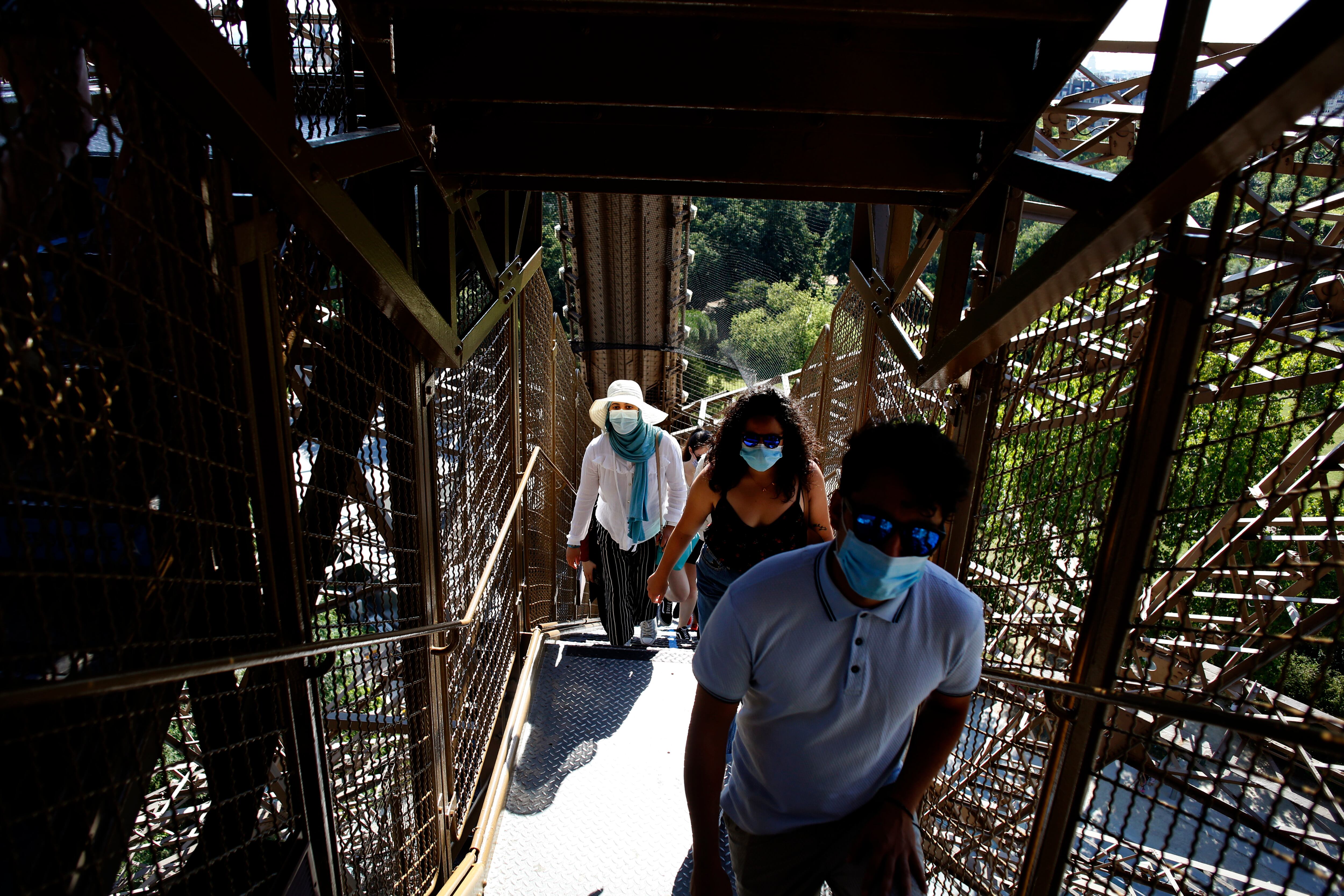
Lifts that usually whisk visitors up the 324-meter (1,063-foot) tall wrought-iron Eiffel Tower remain closed, so for now people have to take the stairs.
Of the tower's three decks, only the first two reopened. Those who climbed the 674 steps Thursday were rewarded with far-away views and a light breeze in scorching summer weather. Masks are obligatory for all visitors ages 11 and up.
"I booked the first slot because afterward, it will be very hot," said Sabine Peaufils, a 57-year-old Parisian. "This is a real pleasure."
People climb stairs as they visit the Eiffel Tower, in Paris, Thursday, June 25, 2020. The Eiffel Tower reopens after the coronavirus pandemic led to the iconic Paris landmark's longest closure since World War II. (AP Photo/Thibault Camus)
The tower lost 27 million euros ($30 million) from the lockdown that started in March, according to its director general, Patrick Branco Ruivo.
France and other European countries with big tourism sectors are starting to coax back visitors, with mixed results.
The Louvre is bracing for a precipitous drop in visitor numbers when it reopens.
Visitor numbers are down at the Versailles Palace since the former royal residence west of Paris reopened June 6.
The palace has capped visits at a maximum of 4,500 people per day, spread out through the day. That is way down from the 20,000 people per day the palace previously got in the busy summer season.
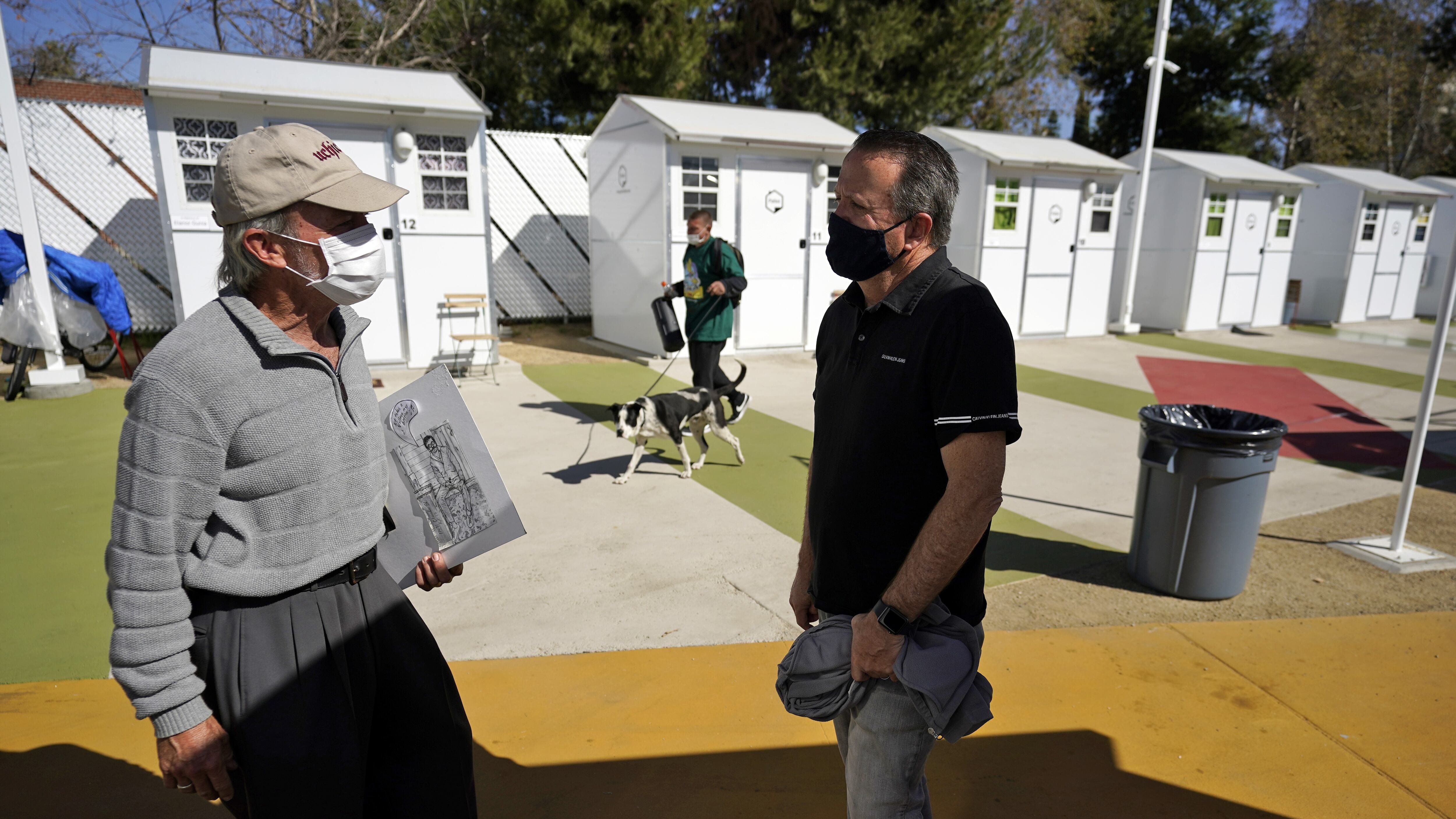
Tiny homes have been promoted as the solution to all kinds of housing needs — an affordable option in expensive big cities and simplicity for people who want to declutter their lives. They are increasingly used as shelter for homeless people in other California cities, including San Jose and Sacramento, as well as nationally in Seattle, Minneapolis and Des Moines, Iowa.
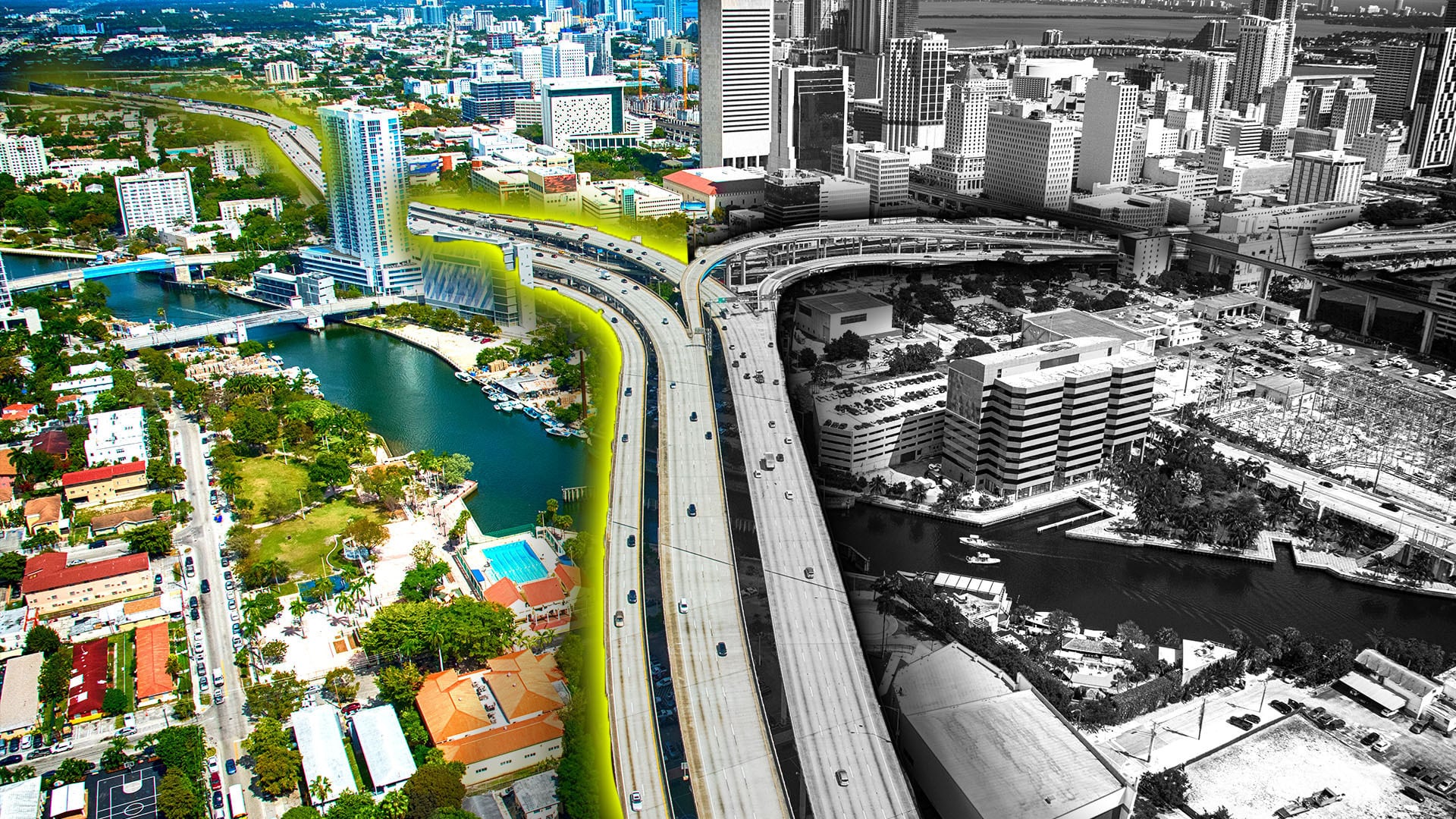
Eisenhower’s interstate system was the biggest infrastructure project of its time. What justified the cost was its potential to connect all corners of America, but the unforeseen impacts of the highway system seemed to do the opposite of the intention.
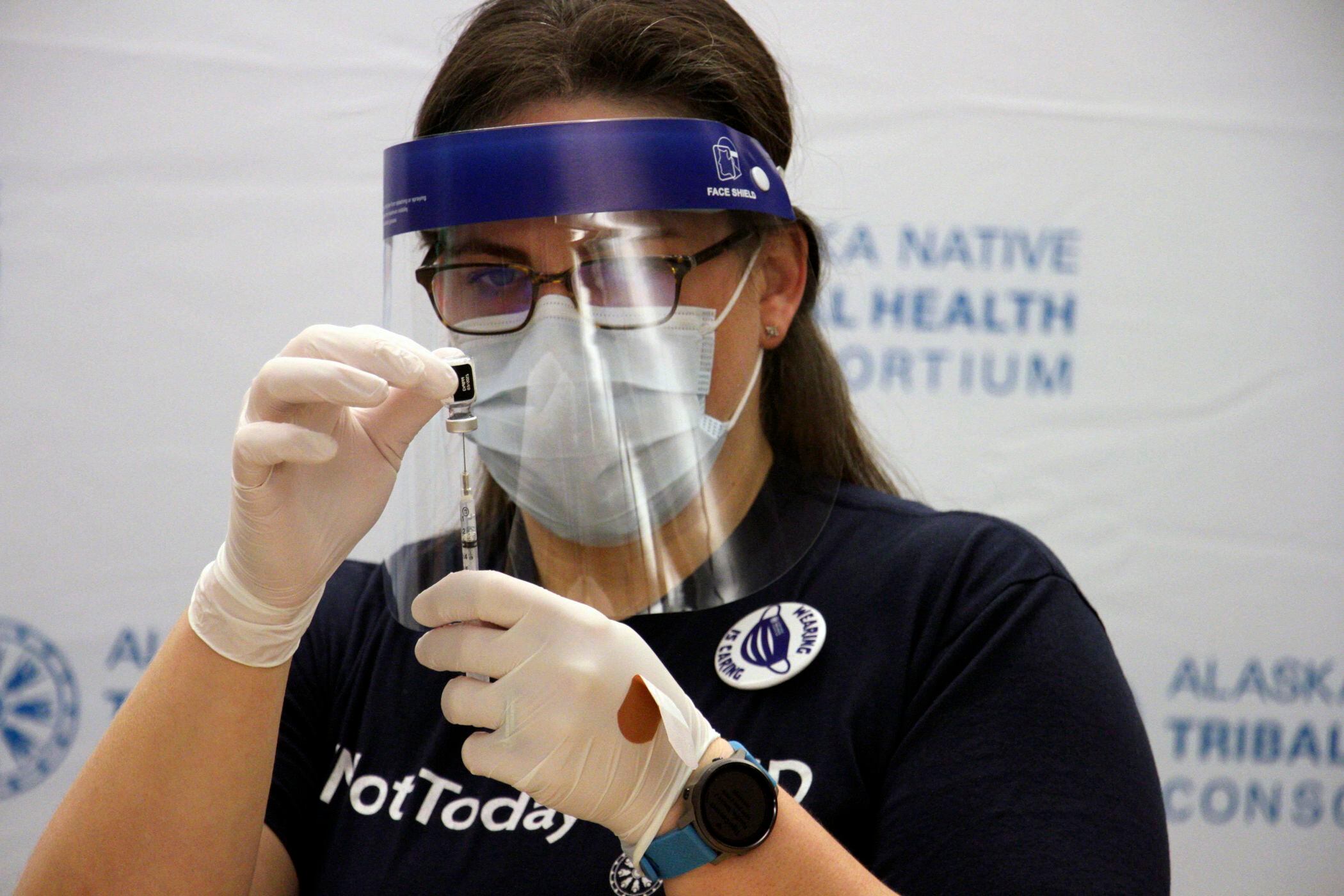
Dr. Anne Zink, chief medical officer for the state of Alaska, spoke to Cheddar about Alaska's remarkable task of getting COVID vaccines to a widespread populace even as the state opens up eligibility to nearly everyone.
Alaska becomes the first state to drop all eligibility requirements for vaccinations. Breast milk from vaccinated mothers is shown to have antibodies. Biden won't put his name on the stimulus checks, and more.
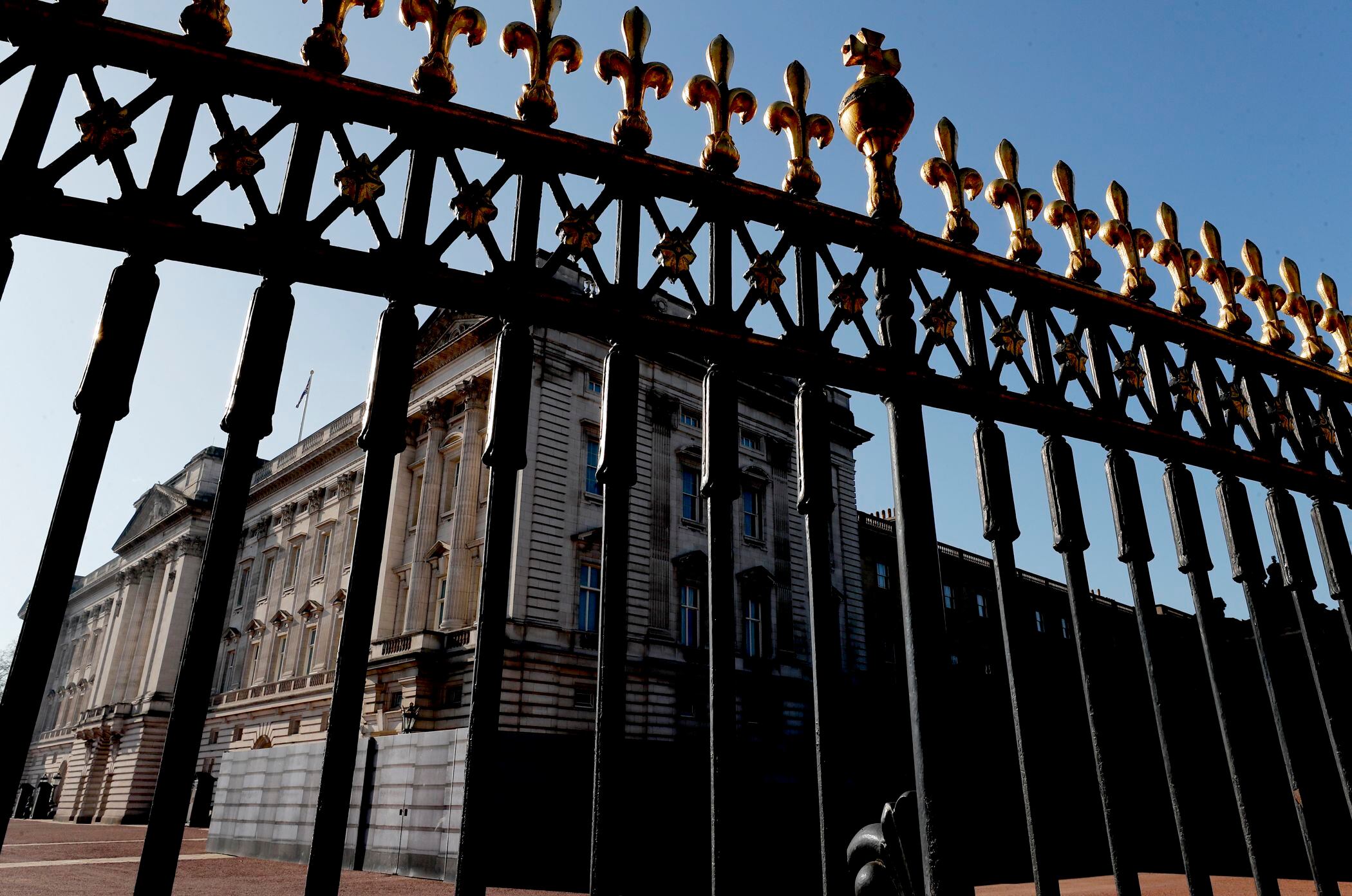
Buckingham Palace says allegations of racism made earlier this week by Prince Harry and Meghan were “concerning” and would be addressed privately by the royal family.
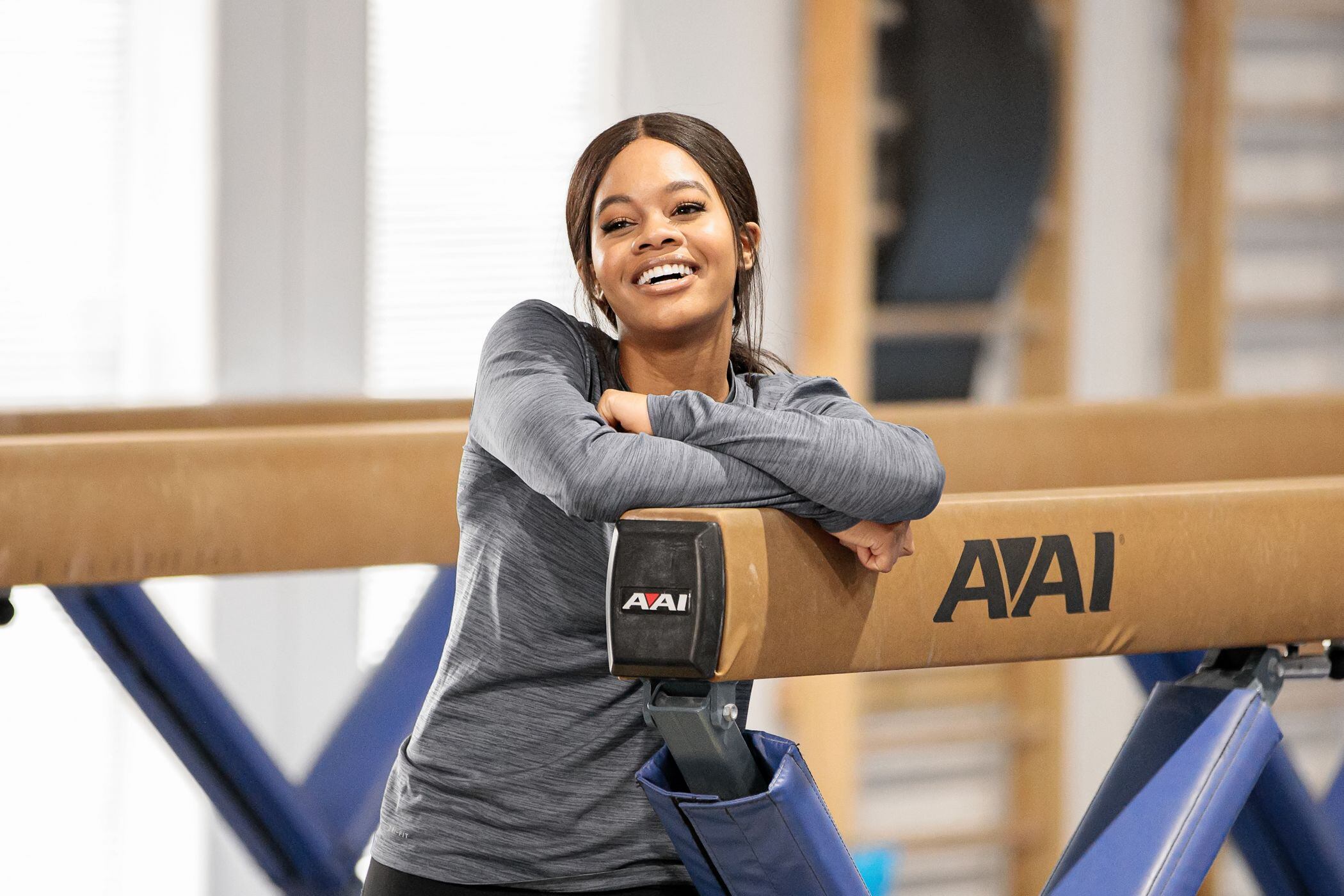
Olympic gold medalist Gabby Douglas spoke to Cheddar about the need for aspiring athletes to address both their mental and physical health and her partnership with Smoothie King.
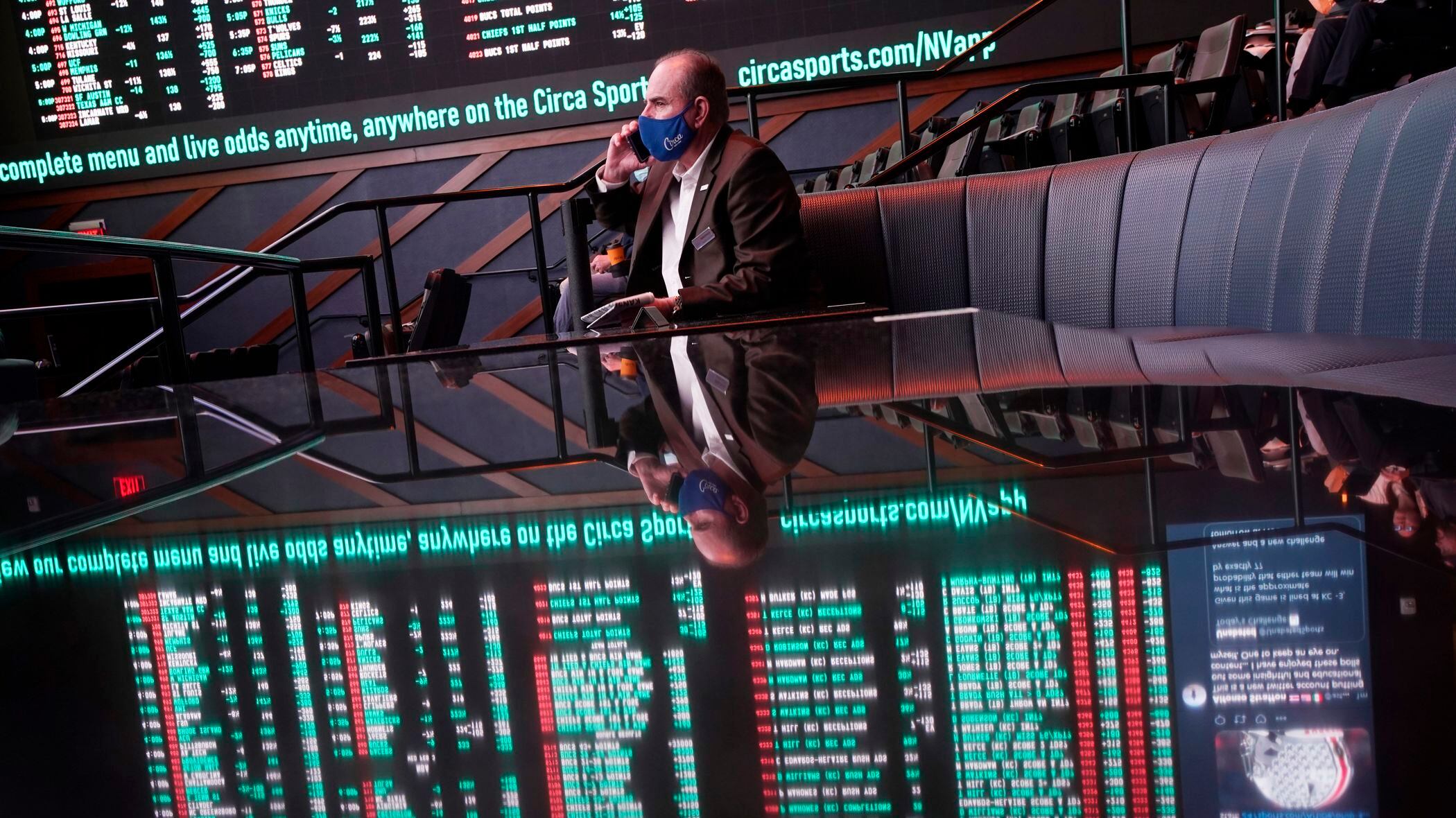
Despite COVID-19, sports betting has skyrocketed. In January, Americans spent approximately $4 billion on sports wagering according to the American Gaming Association.