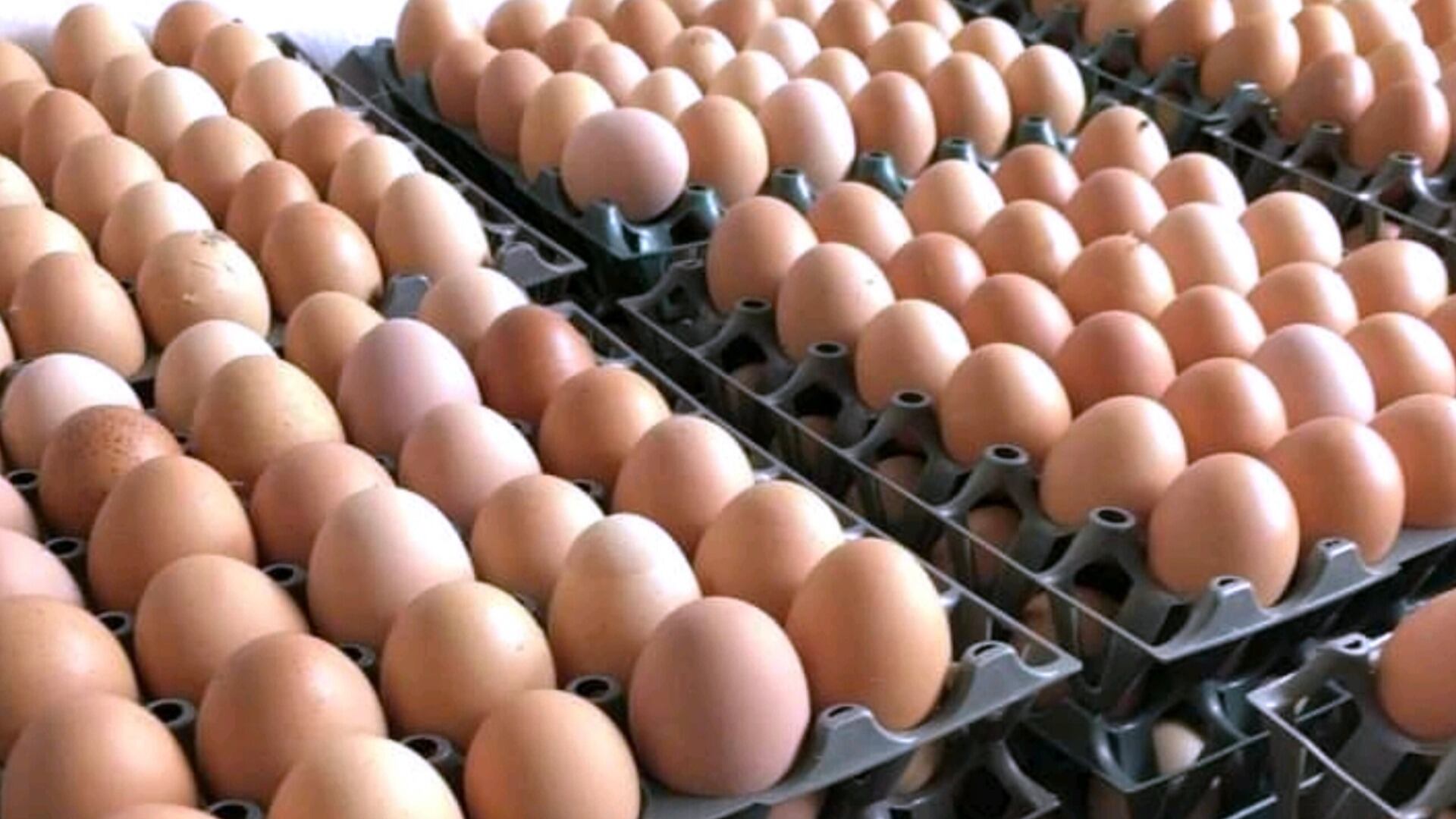
Breakfast is getting a bit more affordable as the price of wholesale eggs is on the decline.
The average price per dozen eggs has been slashed by more than 50 percent since its peak price of $5.43 on December 19. Now, they'll cost you $2.61. The assumption is that poultry farms that were forced to cull their egg-producing hens have begun producing eggs again.
Last year, the U.S. saw the deadliest bird flu outbreak in history across 46 states as 52.7 million chickens died. However, the majority of the deaths were from culling, a process of depopulation in an attempt to stop a virus from spreading.
The avian influenza virus that has swept across is being transmitted to farms by wild birds, unlike the outbreak of 2015, which was spread via farm-to-farm transmission.
Experts expect the new vamped version of the bird flu to stick around in the states. Like COVID-19, H5N1 has evolved into several different variants, making it more difficult to protect against.
"We don't know exactly what it is about it, but it does seem just to be able to grow and transmit better in wild birds," Richard Webby, director of the World Health Organization's Collaborating Center for Studies on the Ecology of Influenza in Animals, told NPR. "Wild birds are the perfect mechanism to spread a virus because they, of course, fly everywhere."
Ari Hawkins, Trade Reporter at POLITICO, examines Canada’s retaliation, Trump’s latest trade threats and the potential impact on businesses and consumers.
Dan Mohnshine, Hershey’s VP of Creation Strategy & Innovation, discusses the brand’s premium chocolate push and strategy to connect with younger consumers.
BBTW editor Peter Green spoke with Beyond Investing co-founder Claire Smith about how her ETF has consistently outperformed the S&P 500, by as much as 30%.