Despite President Donald Trump’s call to put the economy back to work by Easter, one Johns Hopkins physician says there may have to be “variability” in when states and cities restart their economies.
“The best time to start opening up businesses is when we see that the numbers in an area start to stabilize,” said Dr. Juan Dumois, an infectious diseases physician at Johns Hopkins All Children’s Hospital in St. Petersburg, Florida. “What really may be a practical thing to consider is different recommendations in different areas of the country, depending upon the disease activity in those areas.”
That could mean variability at the state level or local level, as the virus peaks at different times in its steady spread across the country.
In what has become the conventional wisdom of the medical community, Dumois reiterated that a combination of social distancing and testing is still the best option for halting the disease.
“The virus is spreading. It will continue to spread, but if we can slow it, we can try to manage the cases that come into the hospitals so that the hospitals are not overloaded,” he said.
Absent these measures, the doctor said hospitals will inevitably become overwhelmed.
“Eventually, some patients won’t be able to get the care they need,” he added.
But when or if this will happen in a given area is hard to determine as official projections change.
“We’re seeing changes by the week, and even by the day,” Dumois said.
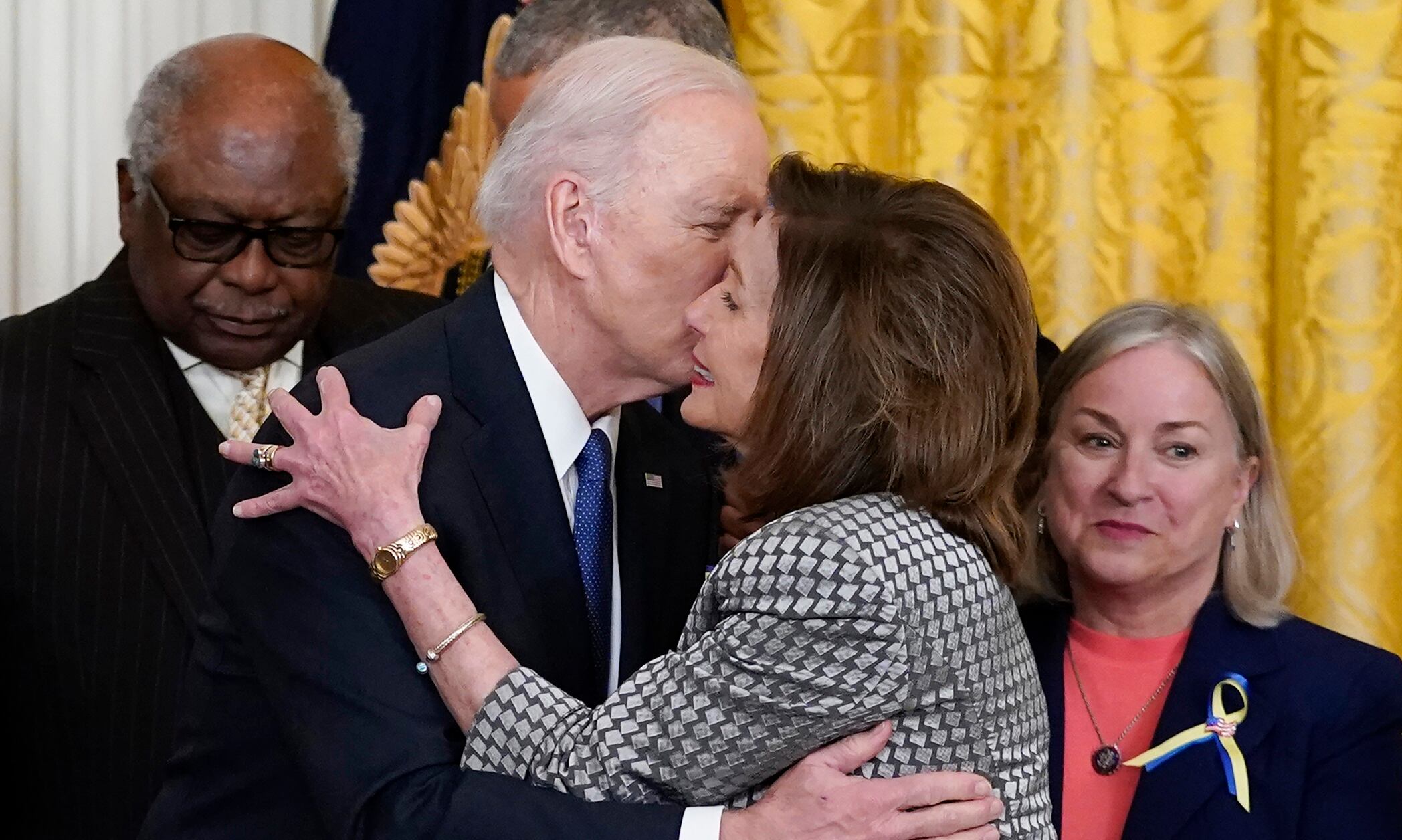
House Speaker Nancy Pelosi has tested positive for COVID-19, her spokesman says. That's a day after the 82-year-old Democratic leader appeared unmasked at a White House event with President Joe Biden.
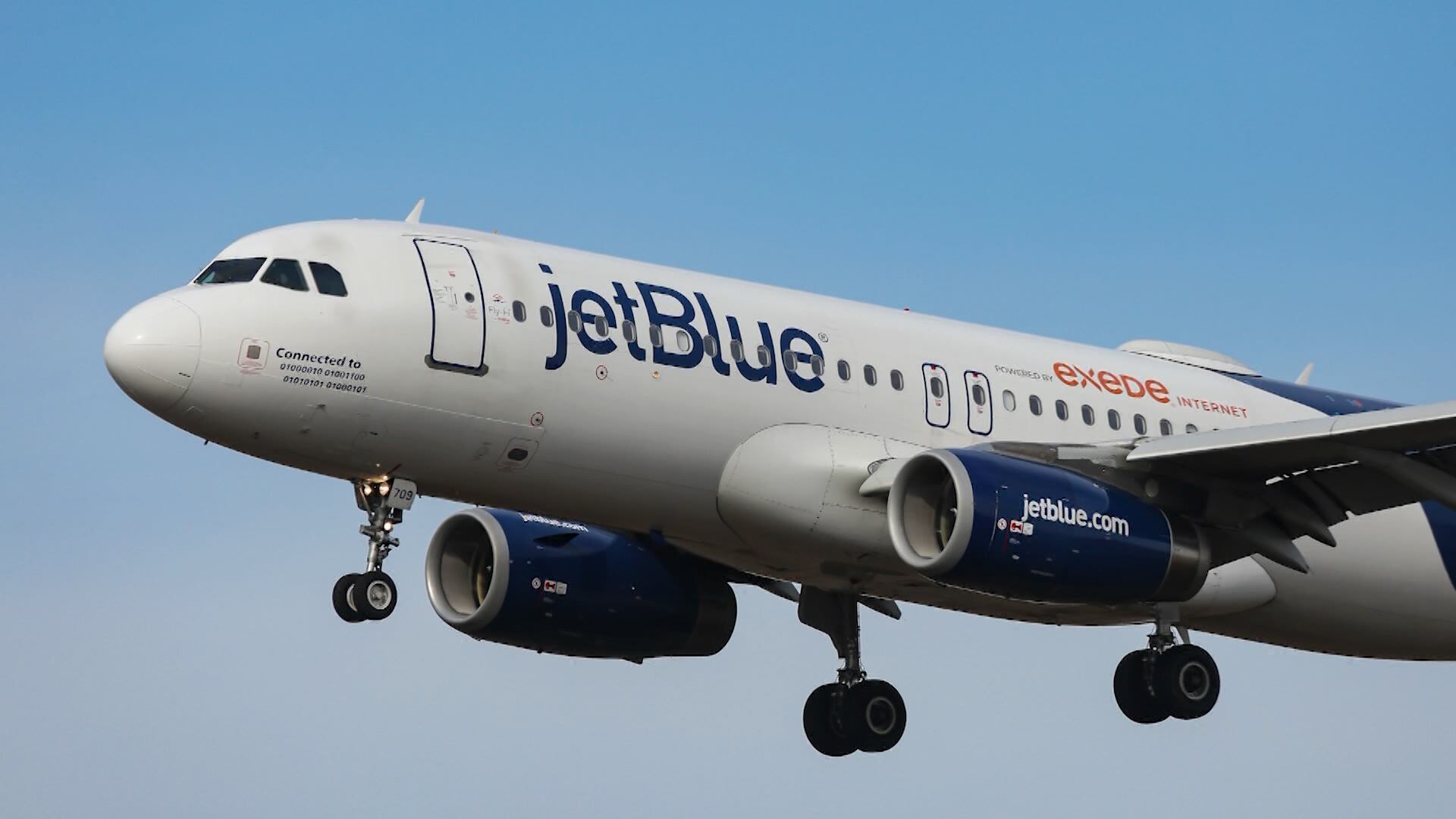
JetBlue made an unsolicited offer to buy low-cost carrier Spirit Airlines, potentially jeopardizing the original offer from Frontier Airlines. Several analysts sounding the alarm on JetBlue's proposed $3.6 billion merger, saying the deal doesn't quite make sense. Jim Corridore, Senior Insights Manager at Similarweb joined Cheddar's Opening Bell to discuss.
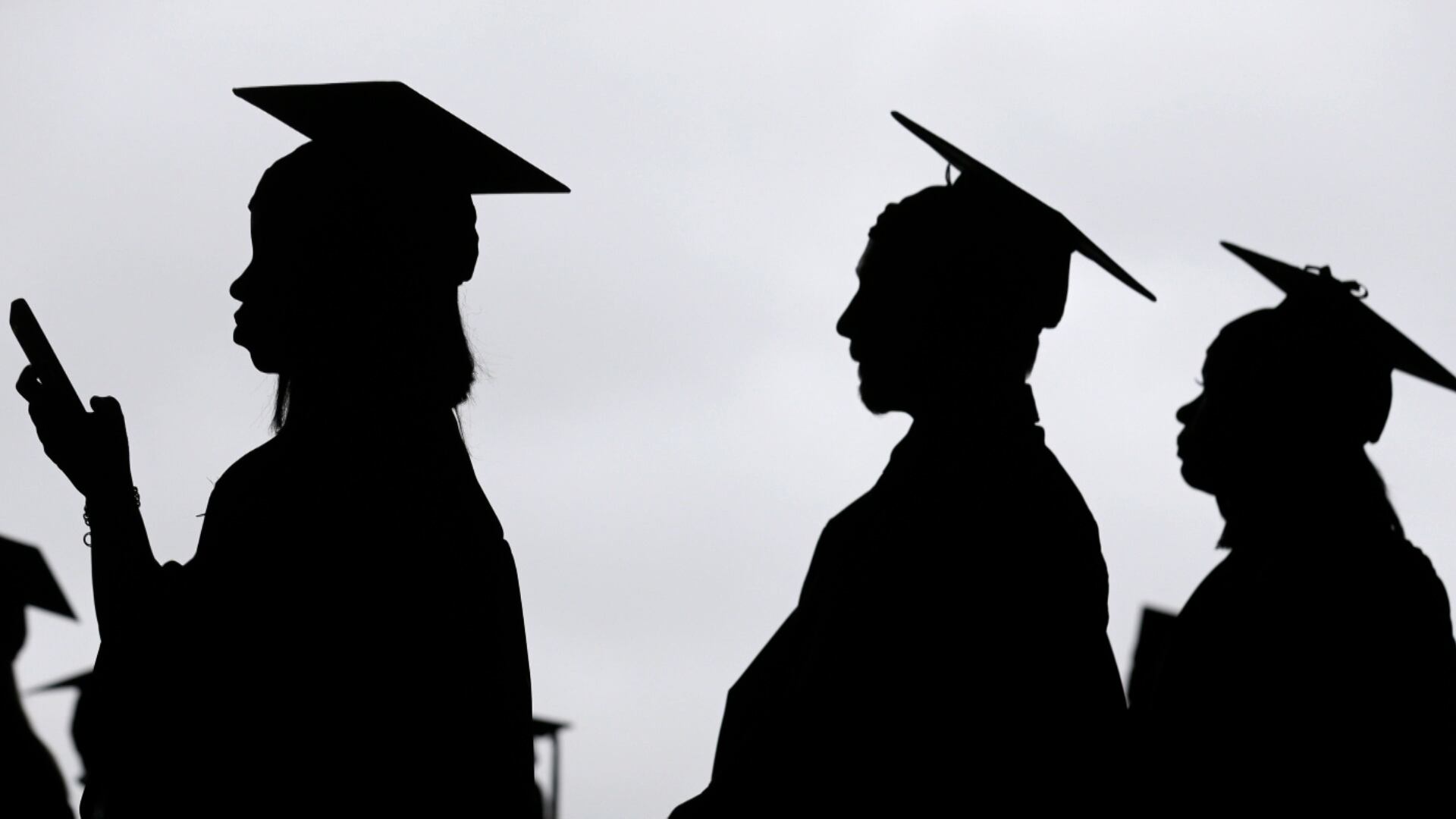
The Biden administration is once again extending the pause on federal student loans payments — this time, through the end of August. In a statement, President Biden cited a recent analysis from the Fed that if the payments were to resume, millions of student loan borrowers would face significant "economic hardship, delinquencies, and defaults that could threaten America's financial stability." Sarah Foster, an analyst at Bankrate, breaks down the impact of the extension on borrowers, the economy, and the future of student loan forgiveness. "I think this is just an instance of the federal student loan forbearance program kind of creating additional uncertainty for borrowers, especially in the sense that these past four extensions from the Biden administration have kind of come at the 11th hour here," she said.
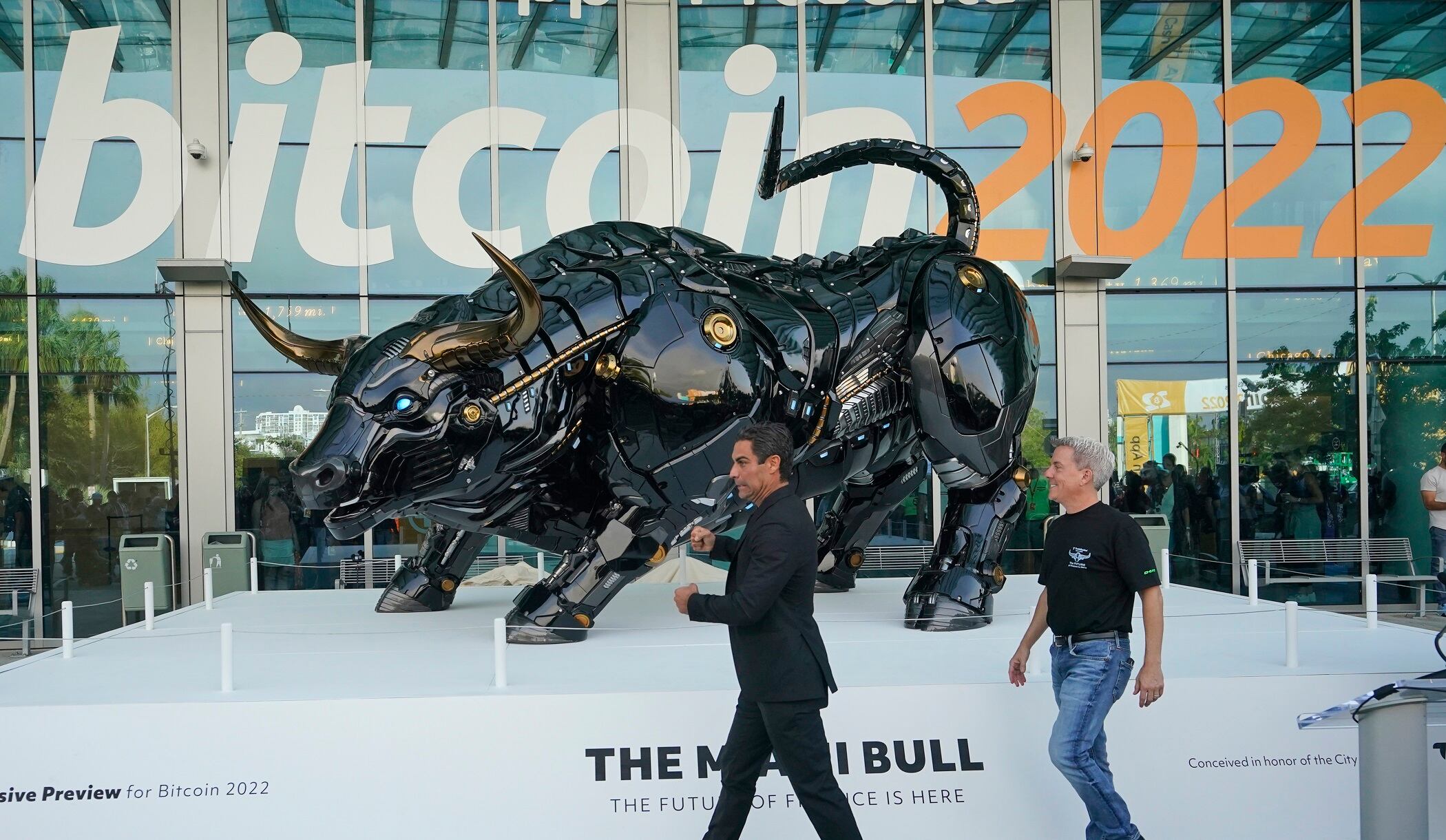
Thousands of cryptocurrency enthusiasts are gathering in Miami as the city builds its reputation as one of the key locations to develop the blockchain technology despite its underdog status.
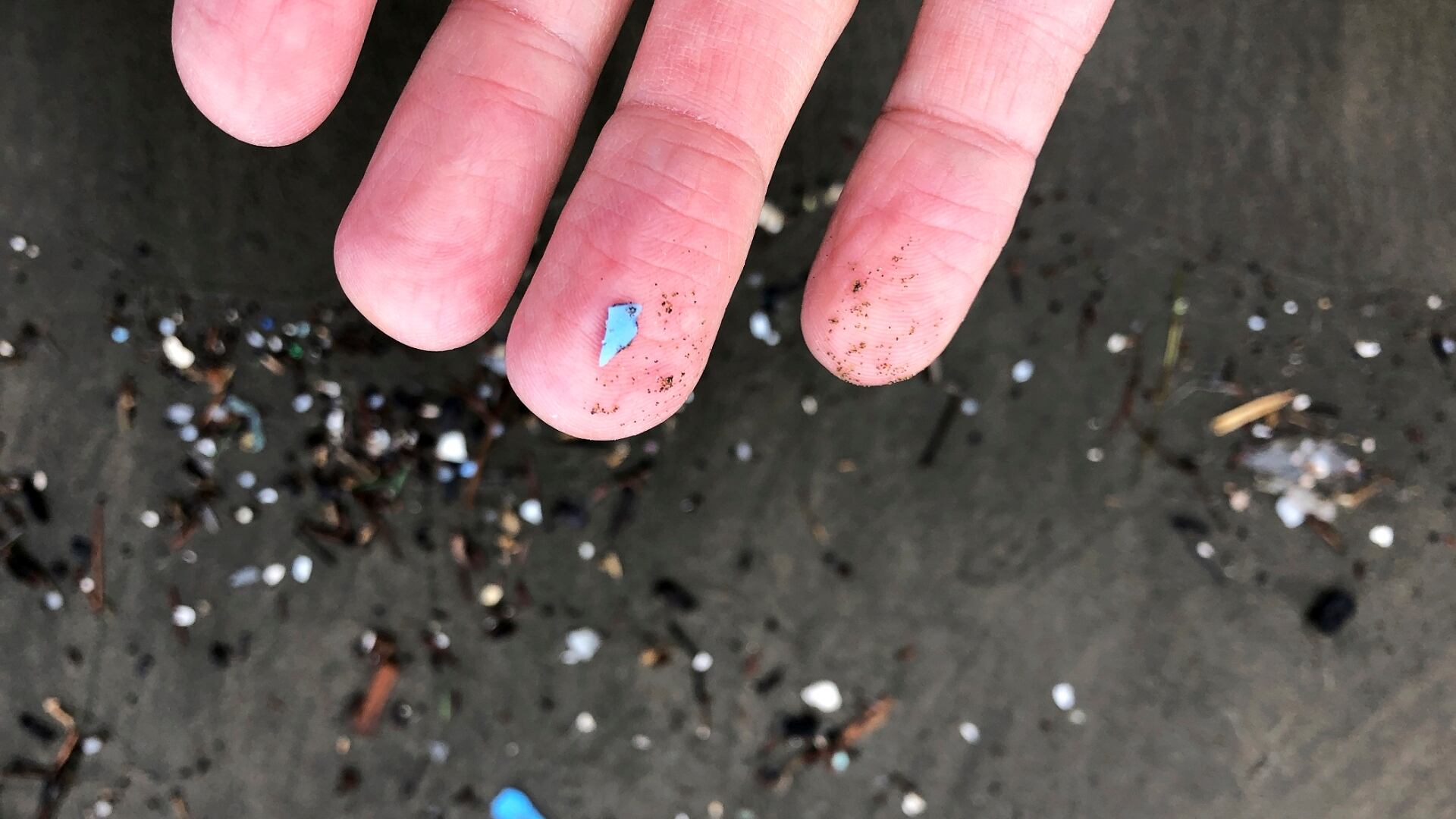
Catching you up on what you need to know on April 7, 2022, with updates on Ukraine urging NATO for military aid for their war with Russia, the SEC investigating Amazon, microplastics being found deep inside human lungs for the first time, and more.
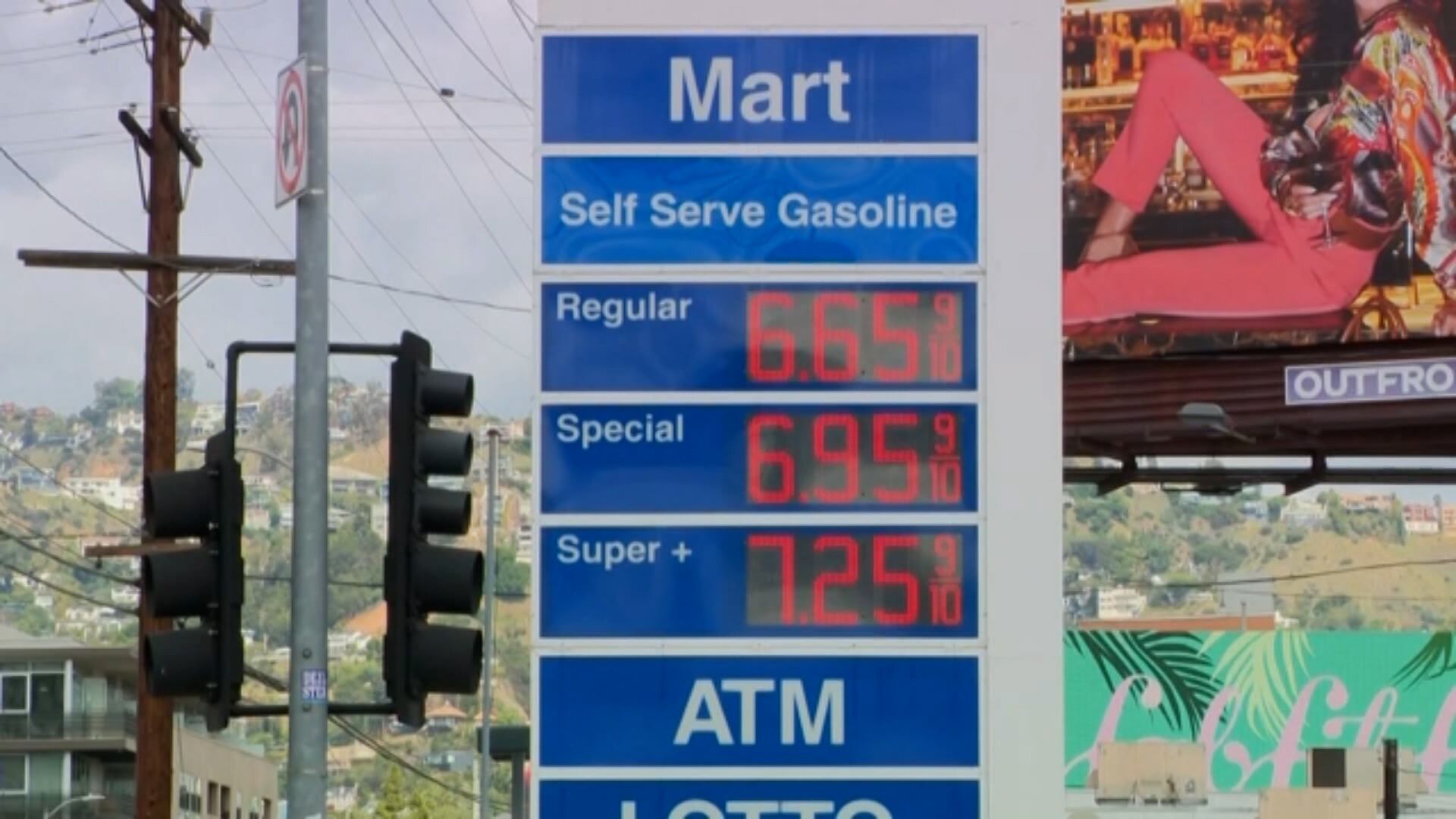
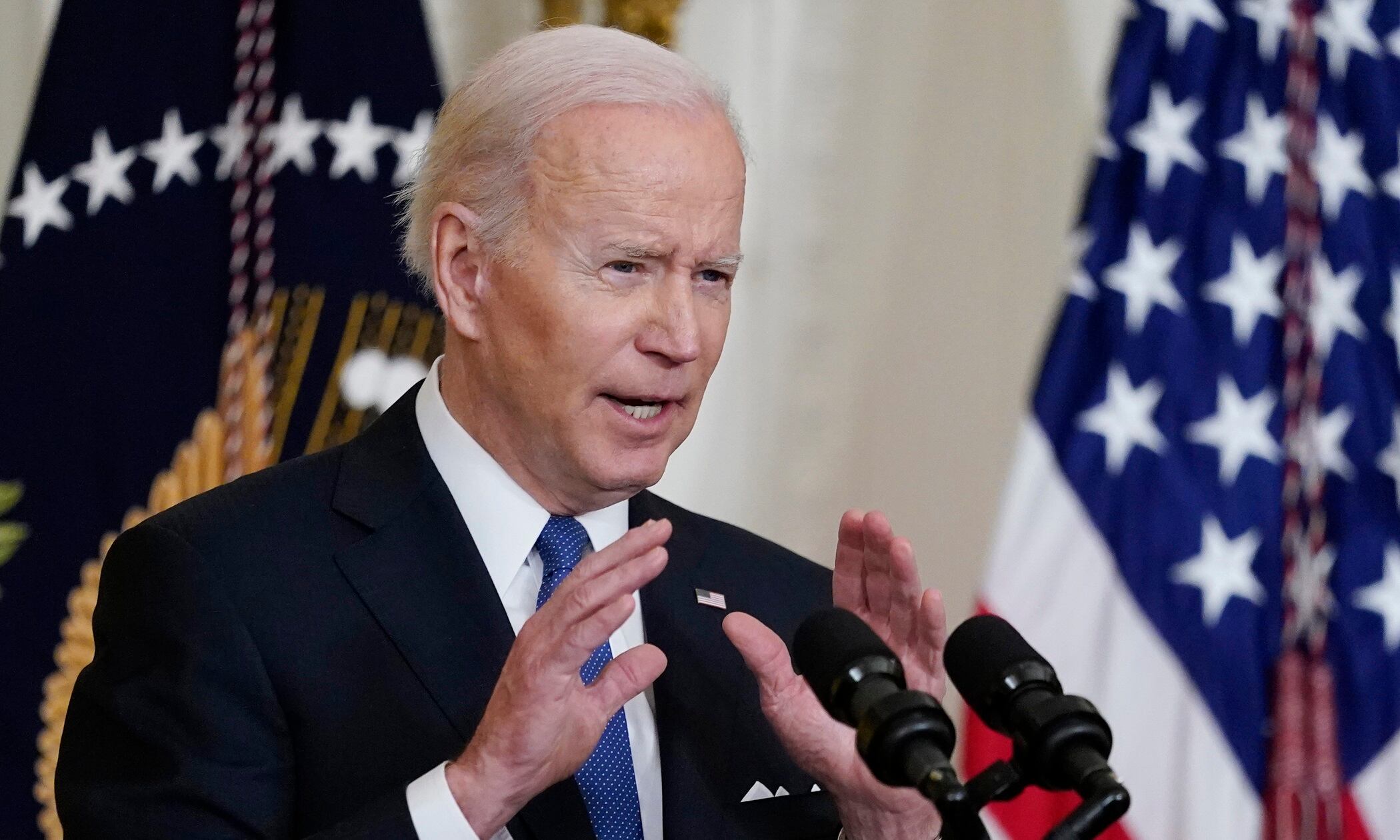
President Biden is trying to help Americans at the pump by tapping into U.S. oil reserves in an unprecedented way. He also announced several steps to punish oil companies. Lisa Whalen, automotive and mobility analyst at Morning Consult, joins Cheddar News to discuss.
U.S. markets closed higher to end Monday's session, with tech stocks leading the advance. Gene Goldman, Chief Investment Officer at Cetera Financial Group, joins Cheddar News' Closing Bell to discuss the potential future of the major U.S. indexes, and how factors like policy moves from the federal reserve and the ongoing Ukraine-Russia war could impact volatility.
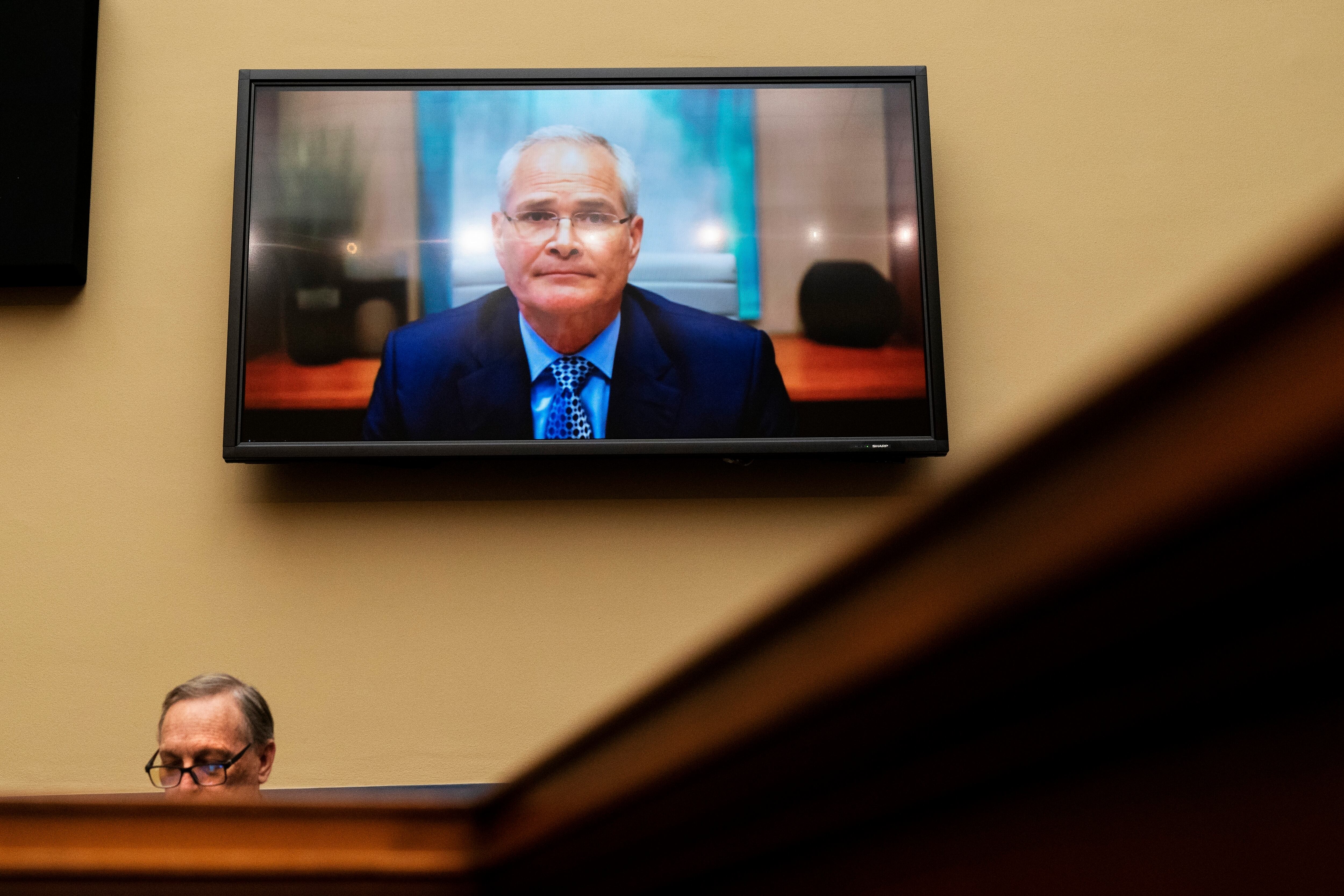
Prices at the pump have soared in recent months, and House Democrats pointed the finger at Big Oil on Wednesday during an adversarial congressional hearing.