Despite President Donald Trump’s call to put the economy back to work by Easter, one Johns Hopkins physician says there may have to be “variability” in when states and cities restart their economies.
“The best time to start opening up businesses is when we see that the numbers in an area start to stabilize,” said Dr. Juan Dumois, an infectious diseases physician at Johns Hopkins All Children’s Hospital in St. Petersburg, Florida. “What really may be a practical thing to consider is different recommendations in different areas of the country, depending upon the disease activity in those areas.”
That could mean variability at the state level or local level, as the virus peaks at different times in its steady spread across the country.
In what has become the conventional wisdom of the medical community, Dumois reiterated that a combination of social distancing and testing is still the best option for halting the disease.
“The virus is spreading. It will continue to spread, but if we can slow it, we can try to manage the cases that come into the hospitals so that the hospitals are not overloaded,” he said.
Absent these measures, the doctor said hospitals will inevitably become overwhelmed.
“Eventually, some patients won’t be able to get the care they need,” he added.
But when or if this will happen in a given area is hard to determine as official projections change.
“We’re seeing changes by the week, and even by the day,” Dumois said.
World leaders will converge this weekend at the 2021 G20 Summit in Rome and the UN COP26 conference in Glasgow with the climate crisis on the agenda. Lord Adair Turner, chair of the Energy Transitions Commission, joined Cheddar to discuss what people can expect to come out of the climate-focused conferences. Turner also noted that one of the biggest hurdles for the attending nations will be coming to a uniform decision on expanding on the Paris Climate Accord goals that have become insufficient to prevent global warming by 1.5 degrees celsius.
Emily Tisch Sussman, senior advisor at Paid Leave US, joined Cheddar's "Between Bells" to discuss paid leave being stripped from the latest budget bill and why it is crucial for parents to have paid time off. Sussman said the pandemic, in particular, highlighted the disparity between women, who left the work force in droves to care for family, and men who continue to work and be rehired as impacted sectors of the economy return.
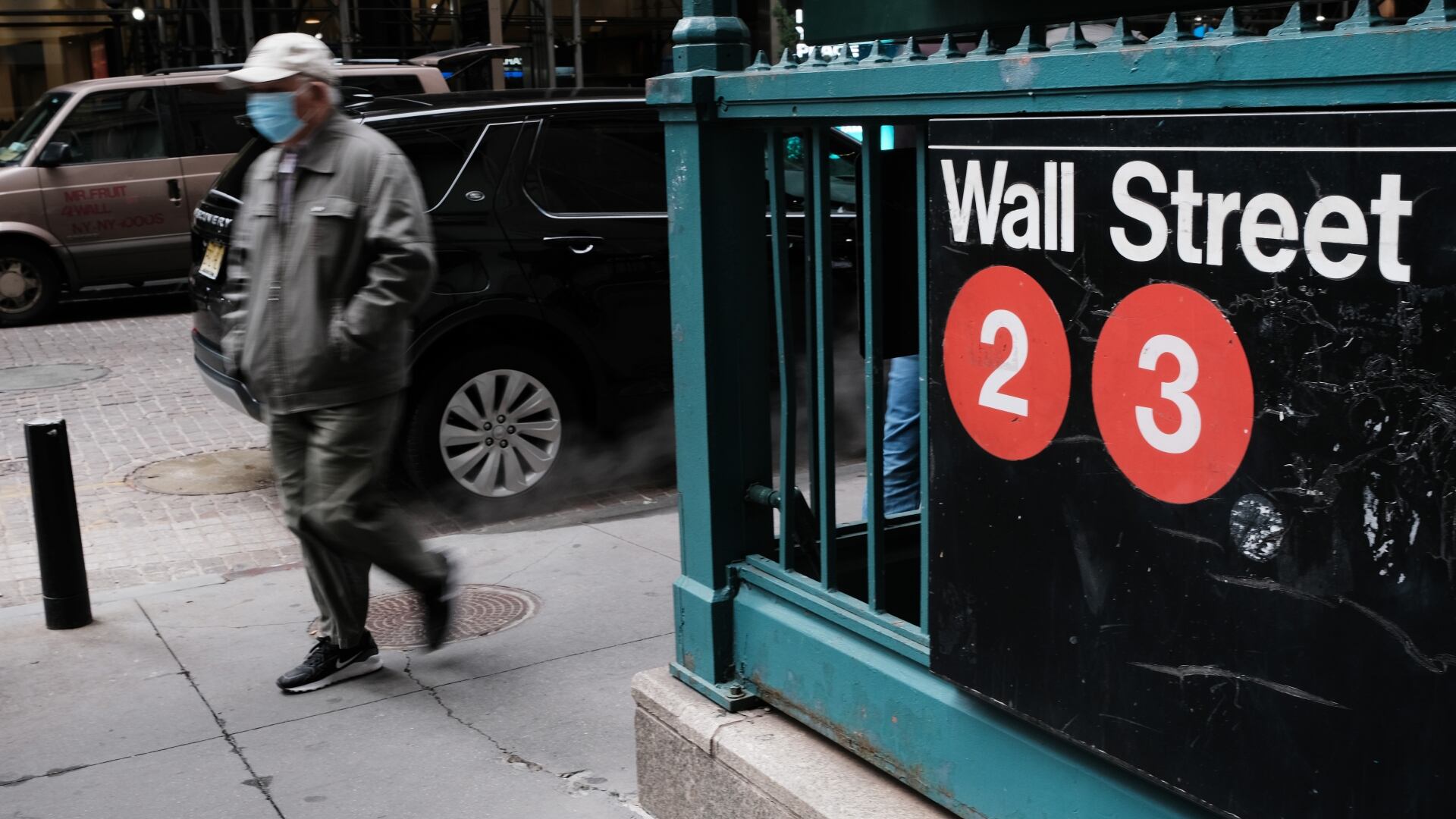
The Dow, S&P, and Nasdaq each ended Friday's session at a record high as stocks rallied into the green. Chris Vecchio, Senior Analyst at DailyFX, joins Cheddar News' Closing Bell, where he says this was an 'October to remember' for Wall Street.
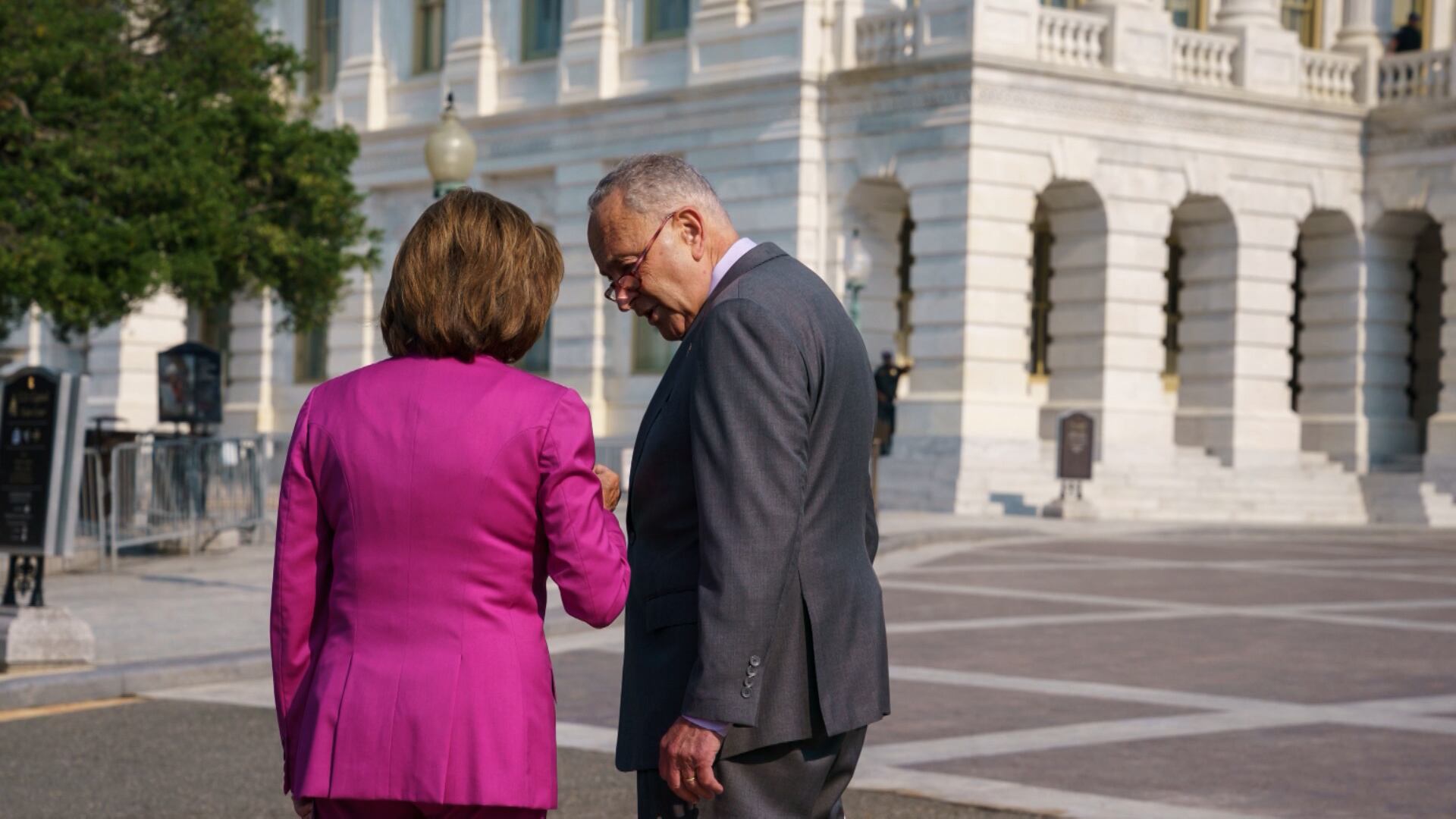
Alex Gangitano, White House Correspondent for The Hill, joined Cheddar to discuss the chaos surrounding democrats in congress as they try to advance President Biden's agenda.
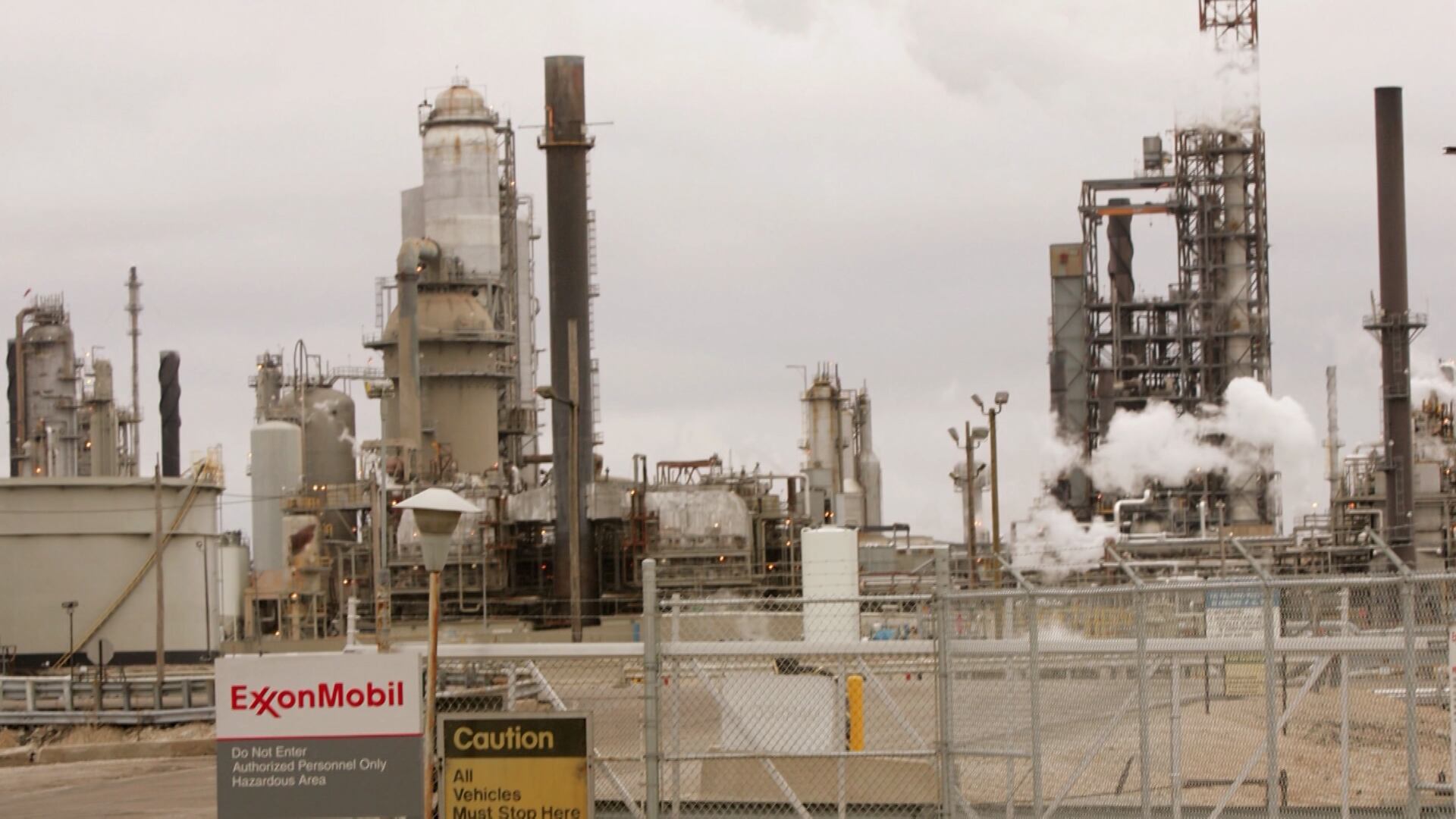
Kathy Mulvey, the Accountability Campaign Director for the Union of Concerned Scientists, joined Cheddar News to break down Thursday's congressional hearing on climate change with big oil executives and lobbyists.
Carlo and Baker cover Facebook's big rebrand, the latest on Biden's economic agenda and more. Plus, ranking the best Halloween candy and the worst couple's costumes.
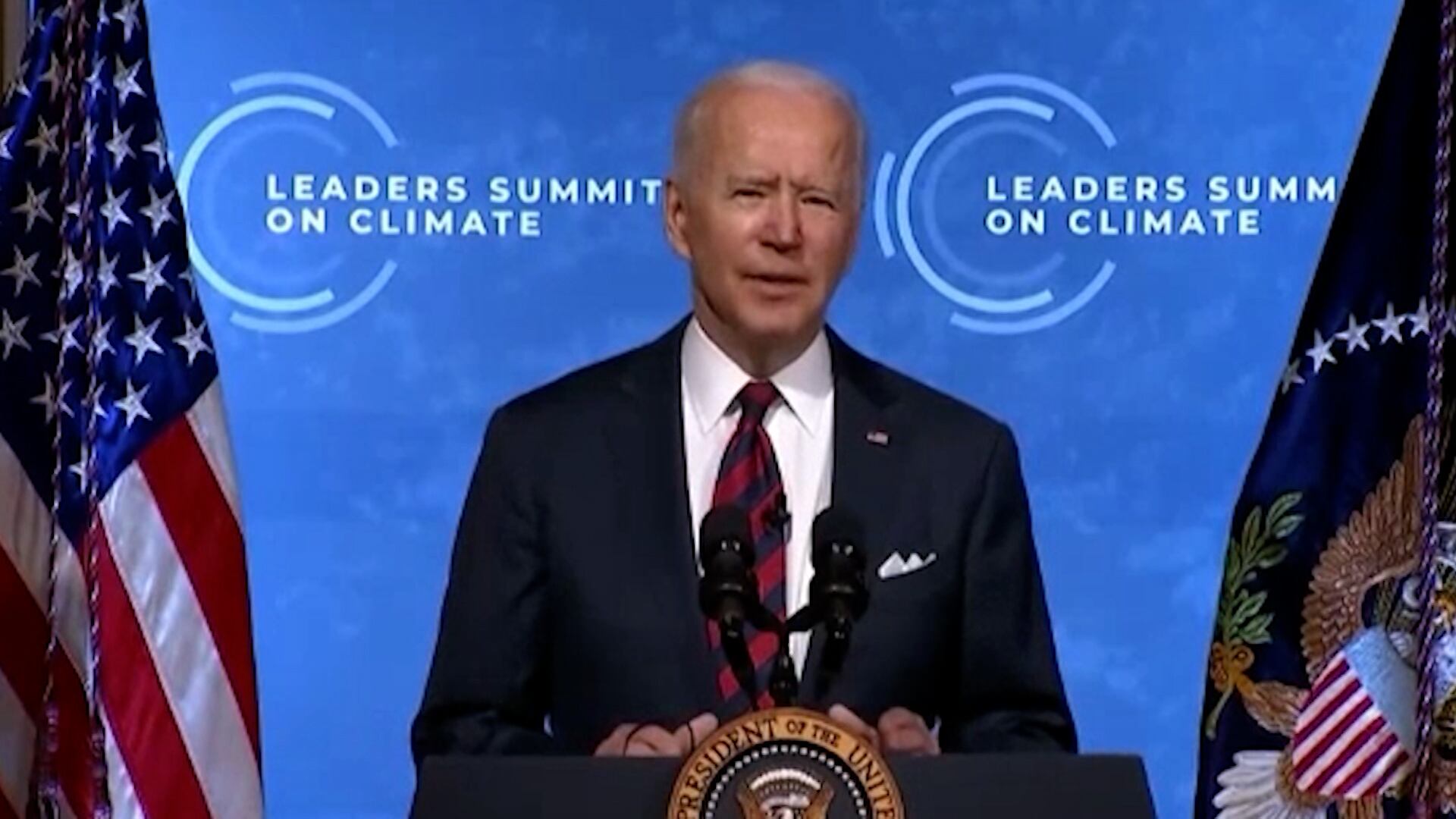
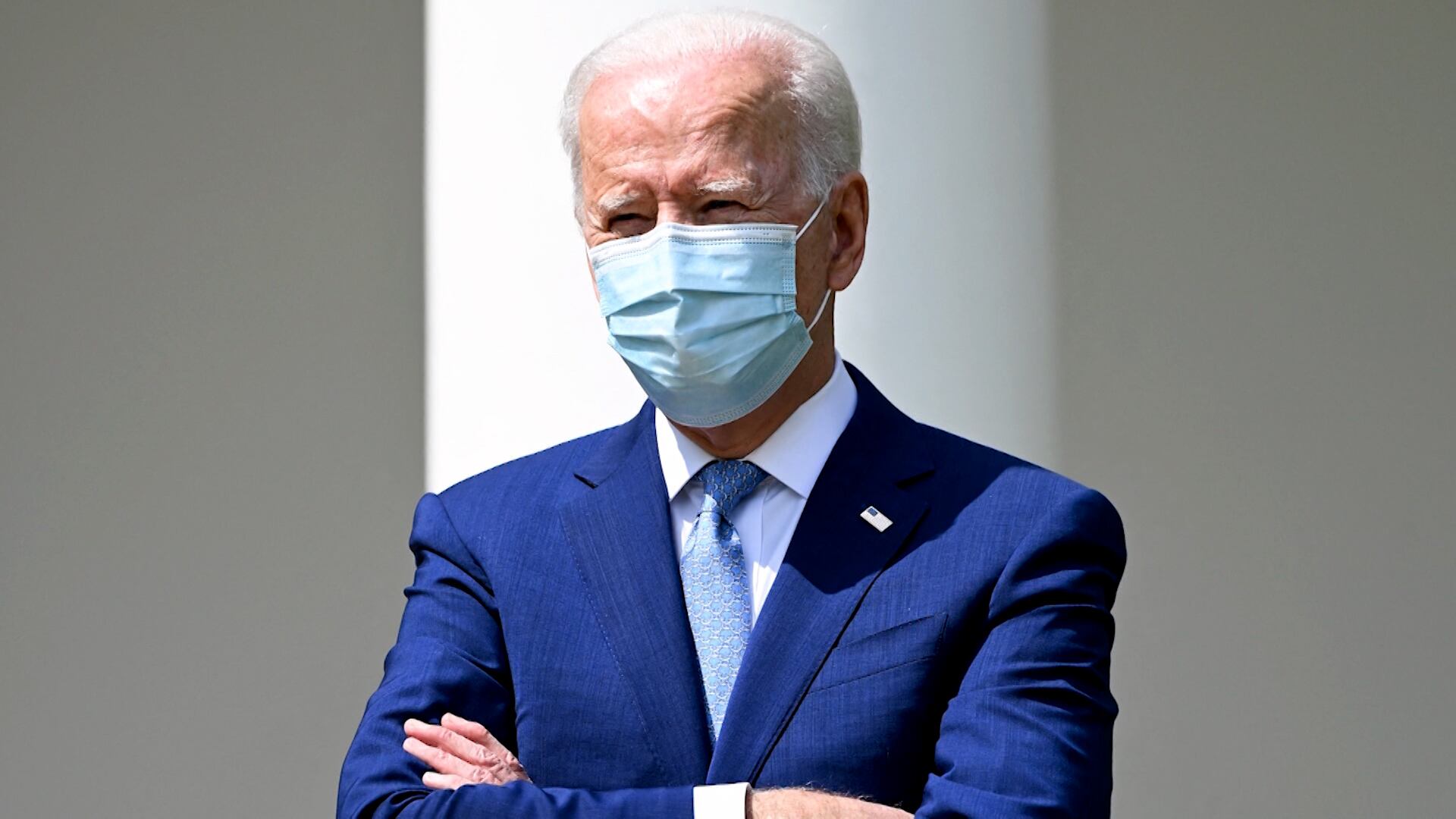
As President Joe Biden heads to Europe for the G20 and the United Nations COP26 climate meeting, he has announced a new $1.75 trillion spending framework. Senate Democrats are reportedly close to agreeing on passing the legislation, but it hangs in the balance as President Biden and other world leaders will meet at COP26 and Biden looks to proclaim the U.S. a leader on climate issues. Vox Senior Reporter Rebecca Leber joins Cheddar News' Closing Bell to discuss the $555 billion worth of clean energy initiatives Biden included in the framework, and how Democrats' continuing negotiations undermine U.S. climate leadership.