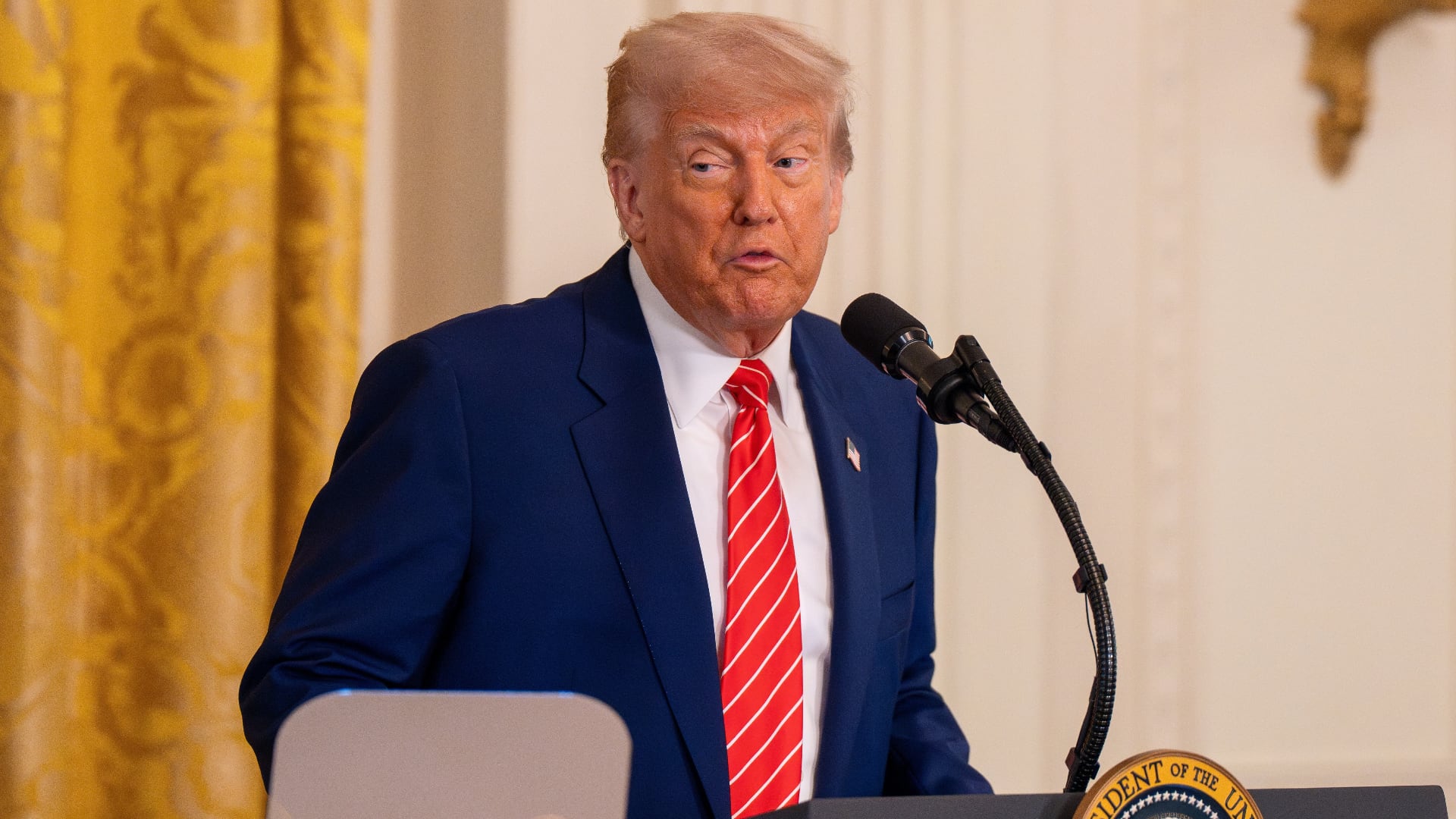
Despite President Donald Trump’s call to put the economy back to work by Easter, one Johns Hopkins physician says there may have to be “variability” in when states and cities restart their economies.
“The best time to start opening up businesses is when we see that the numbers in an area start to stabilize,” said Dr. Juan Dumois, an infectious diseases physician at Johns Hopkins All Children’s Hospital in St. Petersburg, Florida. “What really may be a practical thing to consider is different recommendations in different areas of the country, depending upon the disease activity in those areas.”
That could mean variability at the state level or local level, as the virus peaks at different times in its steady spread across the country.
In what has become the conventional wisdom of the medical community, Dumois reiterated that a combination of social distancing and testing is still the best option for halting the disease.
“The virus is spreading. It will continue to spread, but if we can slow it, we can try to manage the cases that come into the hospitals so that the hospitals are not overloaded,” he said.
Absent these measures, the doctor said hospitals will inevitably become overwhelmed.
“Eventually, some patients won’t be able to get the care they need,” he added.
But when or if this will happen in a given area is hard to determine as official projections change.
“We’re seeing changes by the week, and even by the day,” Dumois said.
Carlo and Baker wrap up the week talking about the Biden economic boom that no one seems to notice, a verdict in the Jussie Smollett case, the first Starbucks union in America and the pleasures of the "dude nod."
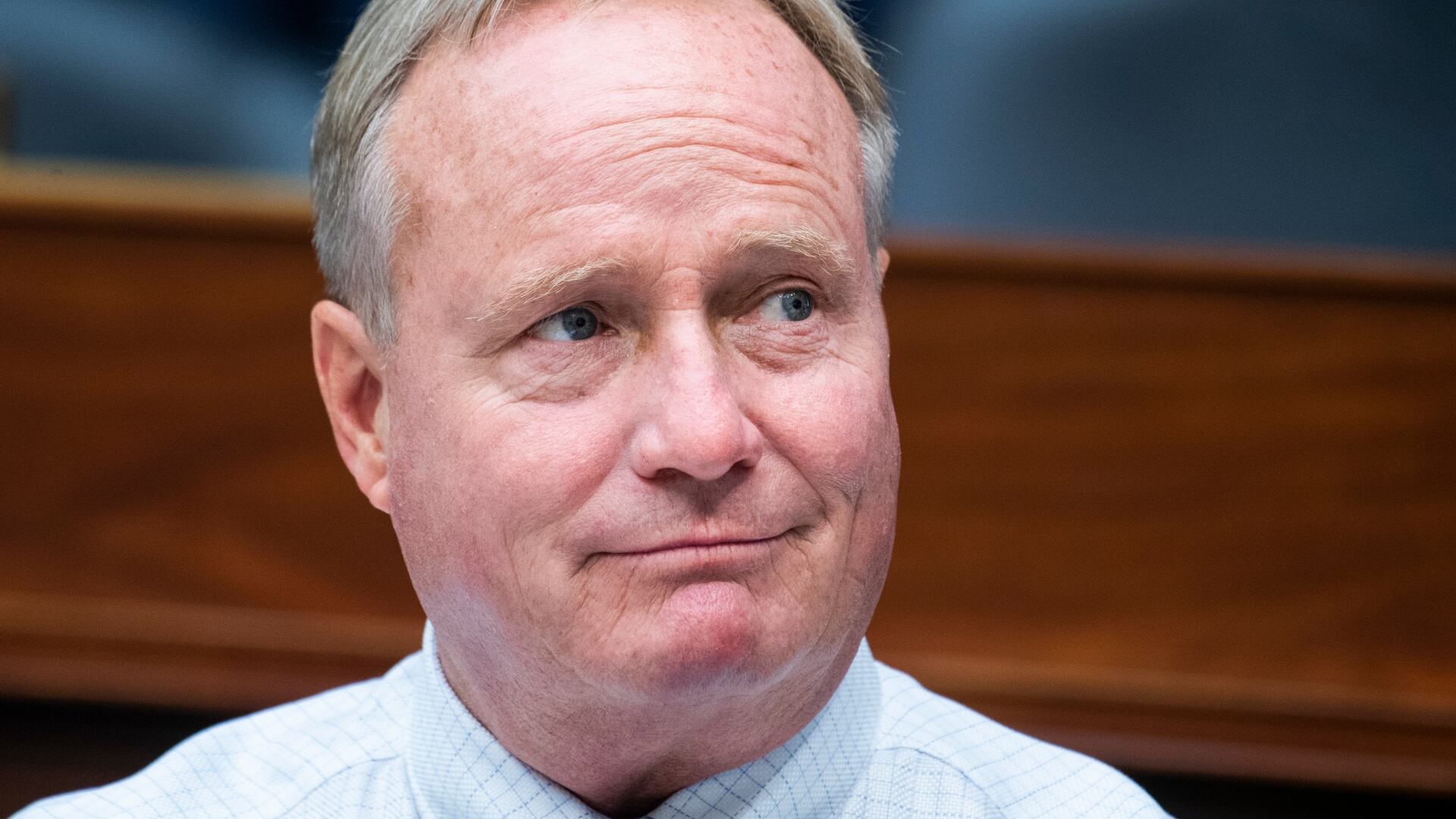
A new bill in Congress shows just how bipartisan cannabis really is. Rep. David Joyce, a Republican from Ohio, teamed up with progressive Rep. Alexandria Ocasio-Cortez on a cannabis expungement bill. Cheddar cannabis reporter Chloe Aiello spoke with the congressman about the legislation.
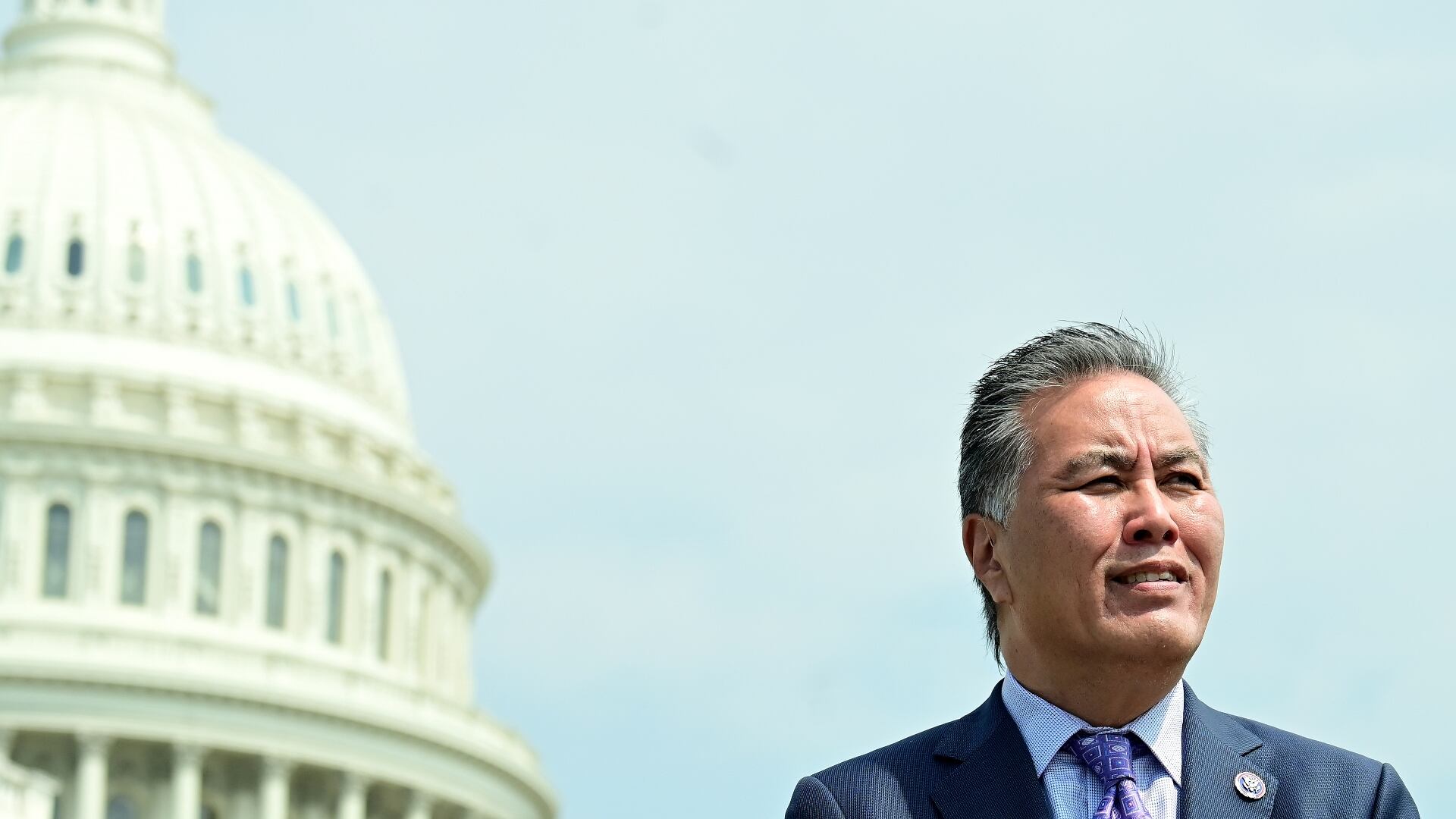
The Congressional Progressive Caucus have lined up to support the Thirty-Two Hour Workweek Act introduced by Rep. Mark Takano (D-Calif. 41st District). The representative joined Cheddar to discuss how instituting a four-day workweek in the United States can be beneficial for both employees with the need of a work-life balance and employers looking both to retain talent amid a labor shortage and improve efficiency in their workforces. "We live in a different time than 90 years ago when we established a 40-hour workweek," he said. "We've had a lot of technological changes, the American worker is exponentially more productive than previous generations, so it's time to reexamine Americans and the way in which they relate to work."
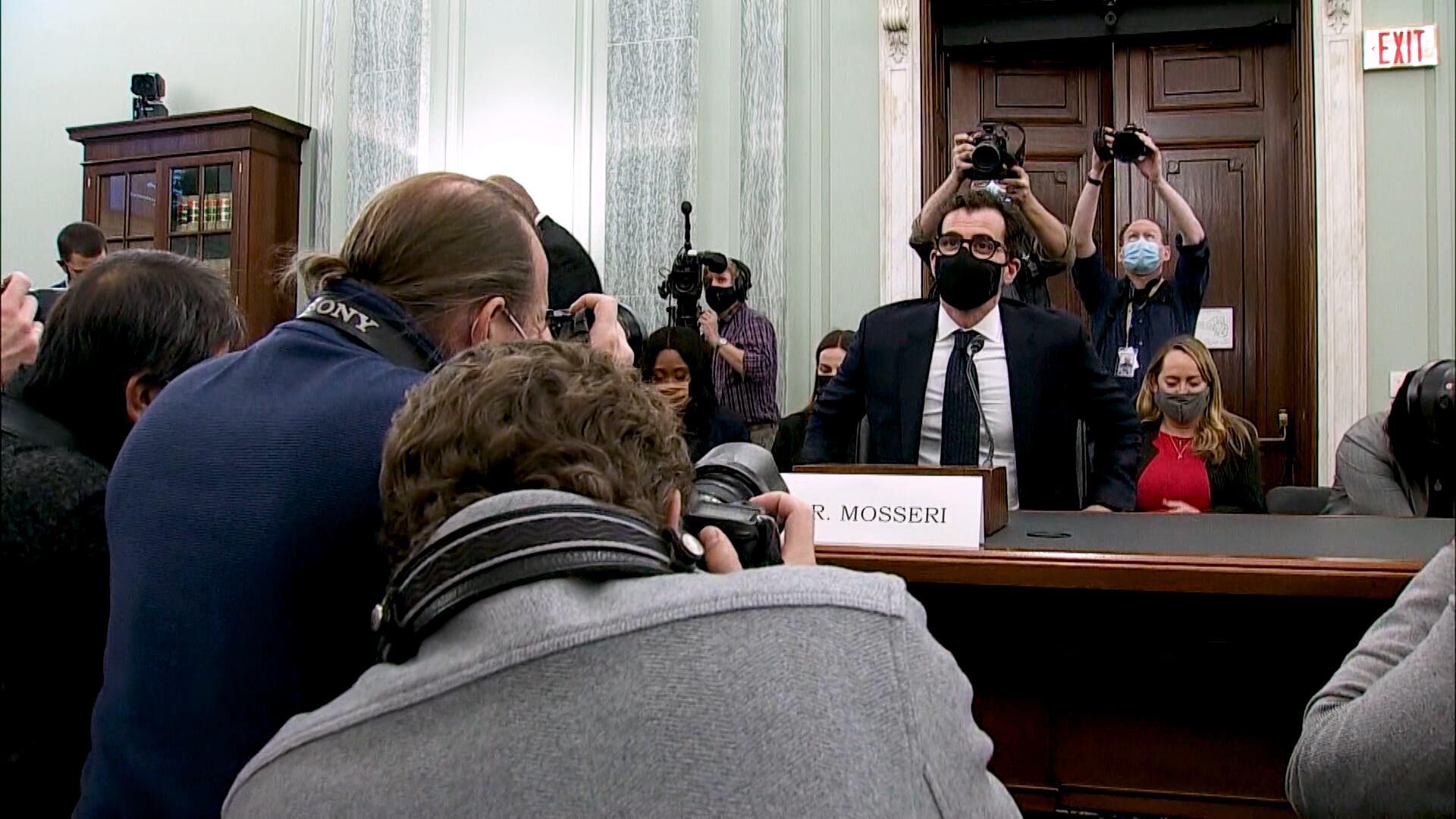
Instagram CEO Adam Mosseri faced a bipartisan Congressional grilling this week as the Senate inquired about safety practices for protecting the mental wellbeing of young people on the platform. Sen. Marsha Blackburn (R-Tenn.) joined Cheddar to talk about the hearing and how she was disappointed in Instagram coming unprepared with relevant information or documents. Blackburn also offered concern that the platform could continue with building a kids-only version despite having drawn significant opposition from the public.
The Great Resignation has shown some signs of slowing in October with the number of those who quit their jobs falling by 4.7 percent to 4.16 million. This comes as worker strikes and calls for unionization ramp up. Jane Oates, president at WorkingNation joined Cheddar's "Opening Bell" to discuss the implications.
U.S. markets opened lower despite positive jobs data, which saw weekly claims drop to a 52-year low. Kevin Nicholson, Co-CIO Global Fixed Income, RiverFront Investment Group joined Cheddar's Opening Bell to discuss the labor market, inflation, and the impact of the Omicron variant on global markets.
A packed Thursday pod: Carlo and Baker cover the latest developments in the Ghislaine Maxwell, Jussie Smollett and Elizabeth Holmes trials. Plus, Dems are losing the Hispanic vote, Boris Johnson in trouble again, and is it possible that Adele has peaked?
Jim Bruderman, Vice Chairman at 1879 Advisors, joins Cheddar News' Closing Bell, where he says investors experienced a 'panic attack' last week with the spread of the Omicron variant and the Fed's tapering plans. As a result, he says we're now seeing stocks climb due to a growing comfort level toward both developments.