Despite President Donald Trump’s call to put the economy back to work by Easter, one Johns Hopkins physician says there may have to be “variability” in when states and cities restart their economies.
“The best time to start opening up businesses is when we see that the numbers in an area start to stabilize,” said Dr. Juan Dumois, an infectious diseases physician at Johns Hopkins All Children’s Hospital in St. Petersburg, Florida. “What really may be a practical thing to consider is different recommendations in different areas of the country, depending upon the disease activity in those areas.”
That could mean variability at the state level or local level, as the virus peaks at different times in its steady spread across the country.
In what has become the conventional wisdom of the medical community, Dumois reiterated that a combination of social distancing and testing is still the best option for halting the disease.
“The virus is spreading. It will continue to spread, but if we can slow it, we can try to manage the cases that come into the hospitals so that the hospitals are not overloaded,” he said.
Absent these measures, the doctor said hospitals will inevitably become overwhelmed.
“Eventually, some patients won’t be able to get the care they need,” he added.
But when or if this will happen in a given area is hard to determine as official projections change.
“We’re seeing changes by the week, and even by the day,” Dumois said.
A huge, high-altitude Chinese balloon sailed across the U.S. on Friday, drawing severe Pentagon accusations of spying and sending excited or alarmed Americans outside with binoculars
The U.S. Treasury Department has changed the standard for what kind of electric vehicles qualify for a federal tax benefit under the Inflation Reduction Act.
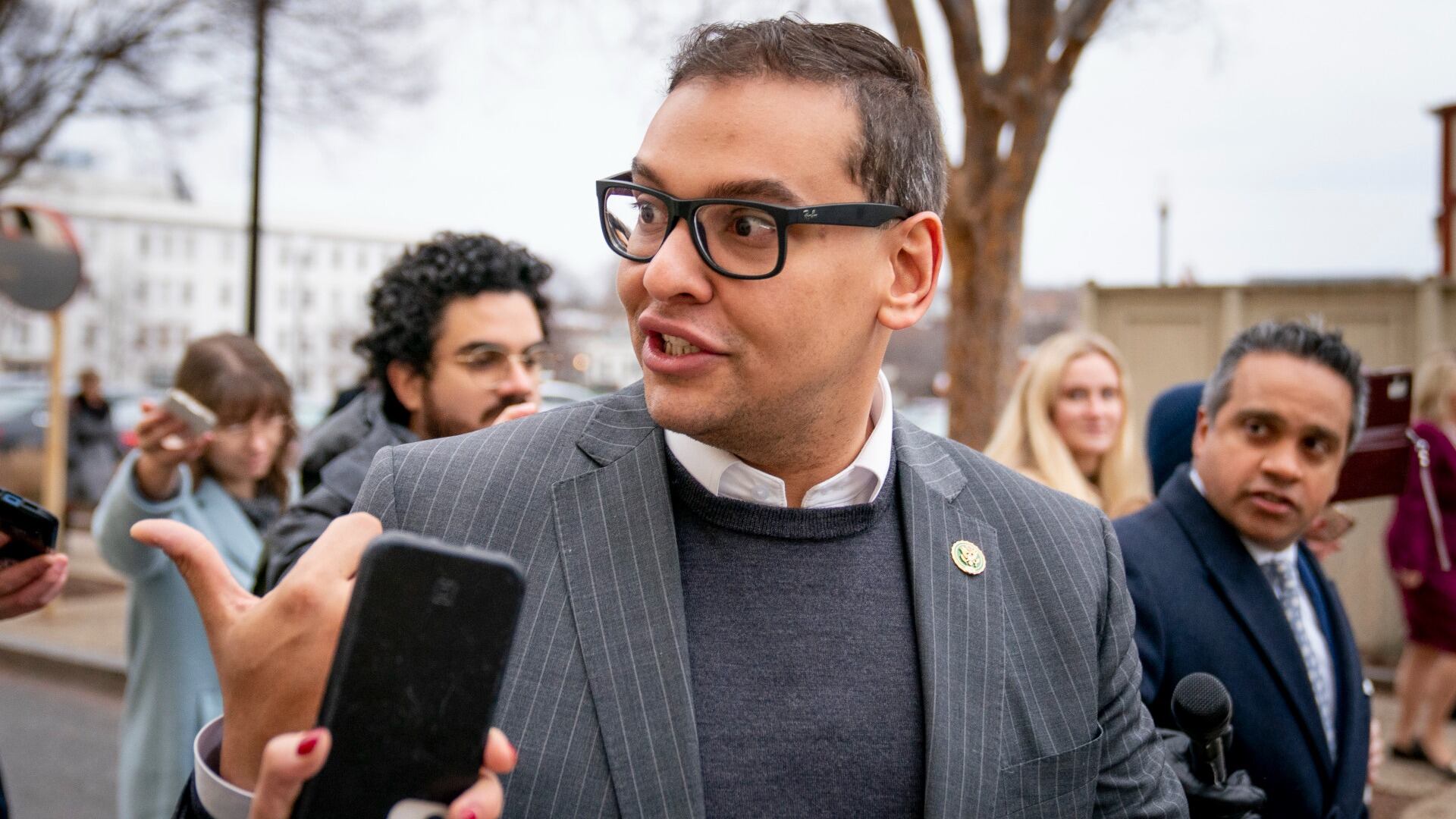
New York Republican Rep. George Santos is temporarily stepping down from his congressional committee assignments amid ongoing investigations surrounding his fabrications.
British energy giant BP predicts that fossil fuels as a primary energy source will decline from 80 percent in 2019 to between 55 and 20 percent in 2050.
The costs of COVID-19 vaccines are expected to skyrocket once the government stops buying them, with Pfizer saying it will charge as much as $130 per dose, and millions of people are expected to be kicked off of Medicaid.
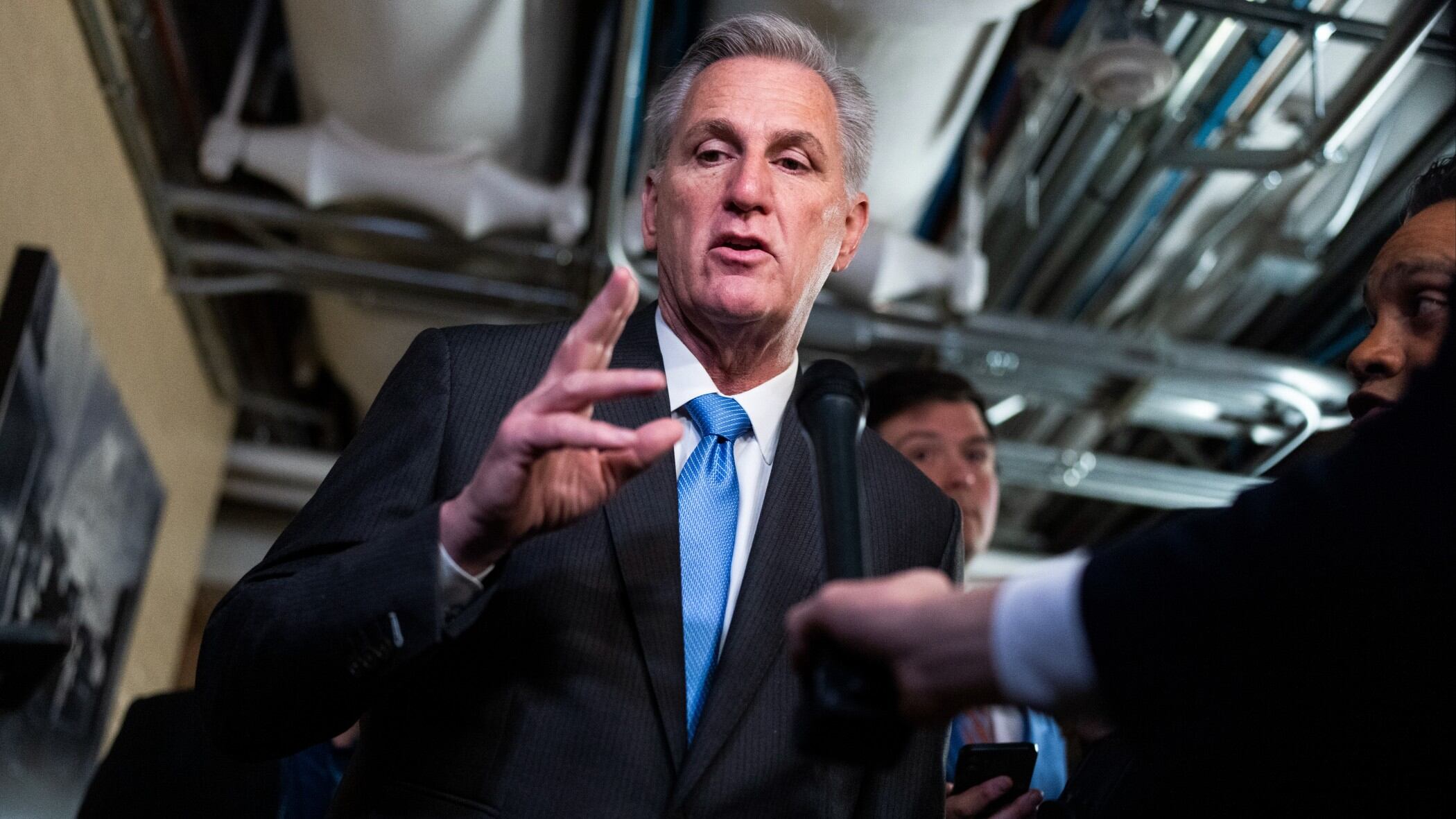
The House Speaker said he wants to address spending cuts along with raising the debt limit, even though the White House has ruled out linking those two issues together as the government tries to avoid a potentially devastating financial default.