Despite President Donald Trump’s call to put the economy back to work by Easter, one Johns Hopkins physician says there may have to be “variability” in when states and cities restart their economies.
“The best time to start opening up businesses is when we see that the numbers in an area start to stabilize,” said Dr. Juan Dumois, an infectious diseases physician at Johns Hopkins All Children’s Hospital in St. Petersburg, Florida. “What really may be a practical thing to consider is different recommendations in different areas of the country, depending upon the disease activity in those areas.”
That could mean variability at the state level or local level, as the virus peaks at different times in its steady spread across the country.
In what has become the conventional wisdom of the medical community, Dumois reiterated that a combination of social distancing and testing is still the best option for halting the disease.
“The virus is spreading. It will continue to spread, but if we can slow it, we can try to manage the cases that come into the hospitals so that the hospitals are not overloaded,” he said.
Absent these measures, the doctor said hospitals will inevitably become overwhelmed.
“Eventually, some patients won’t be able to get the care they need,” he added.
But when or if this will happen in a given area is hard to determine as official projections change.
“We’re seeing changes by the week, and even by the day,” Dumois said.
Senate Intelligence Committee Chair Mark Warner, D-Va., has introduced a bill setting down a plan for banning foreign technology such as video-sharing app TikTok.
Railroad unions report that workers for Norfolk Southern who were present at the derailment and chemical spill site in East Palestine, Ohio, have been falling ill.
The Biden administration on Thursday released a plan for improving the nation's cybersecurity by shifting the burden from individuals, small businesses, and local governments to federal agencies and major tech providers.
COVID-19's origins remain hazy. Three years after the start of the pandemic, it's still unclear whether the coronavirus that causes the disease leaked from a lab or spread to humans from an animal.
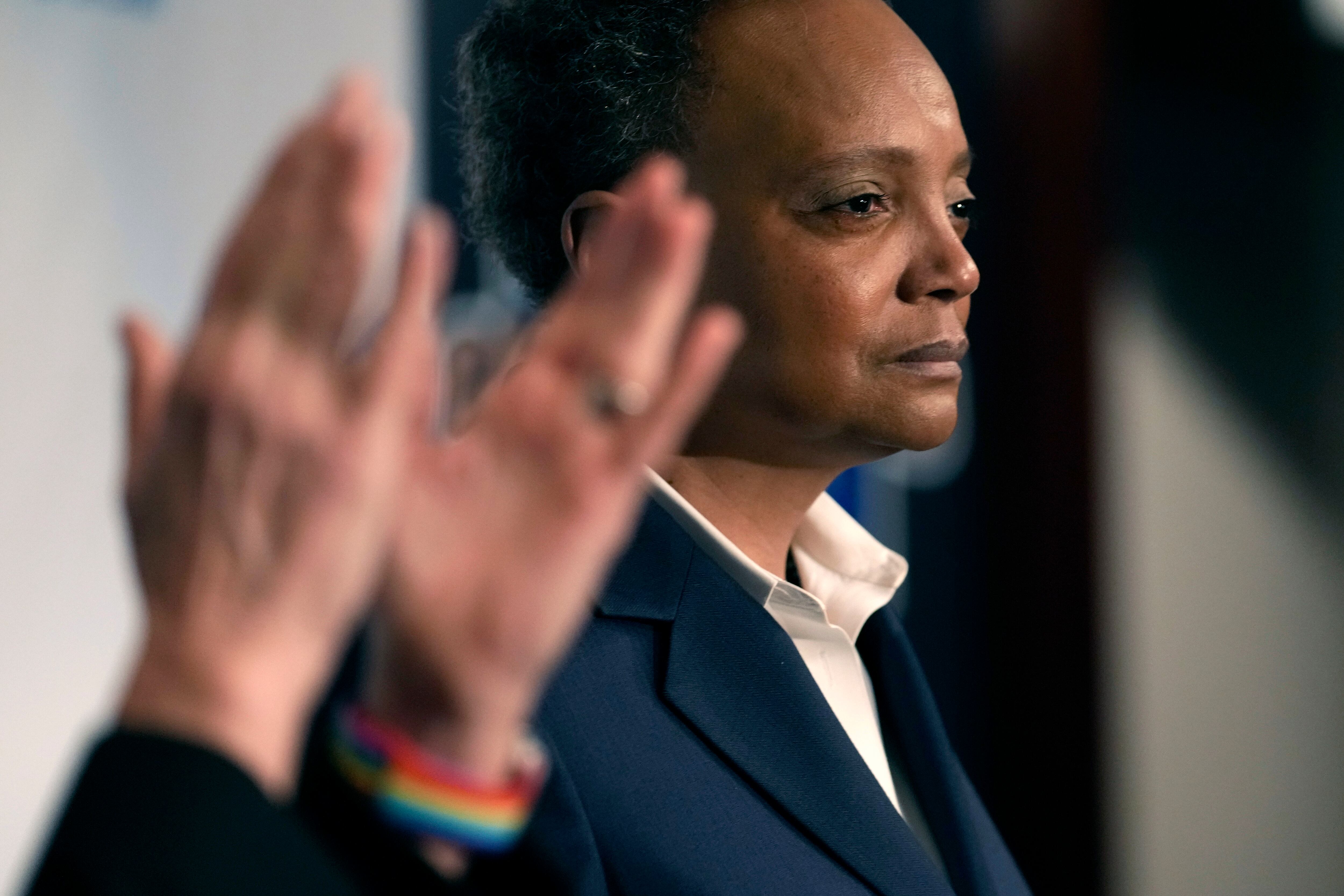
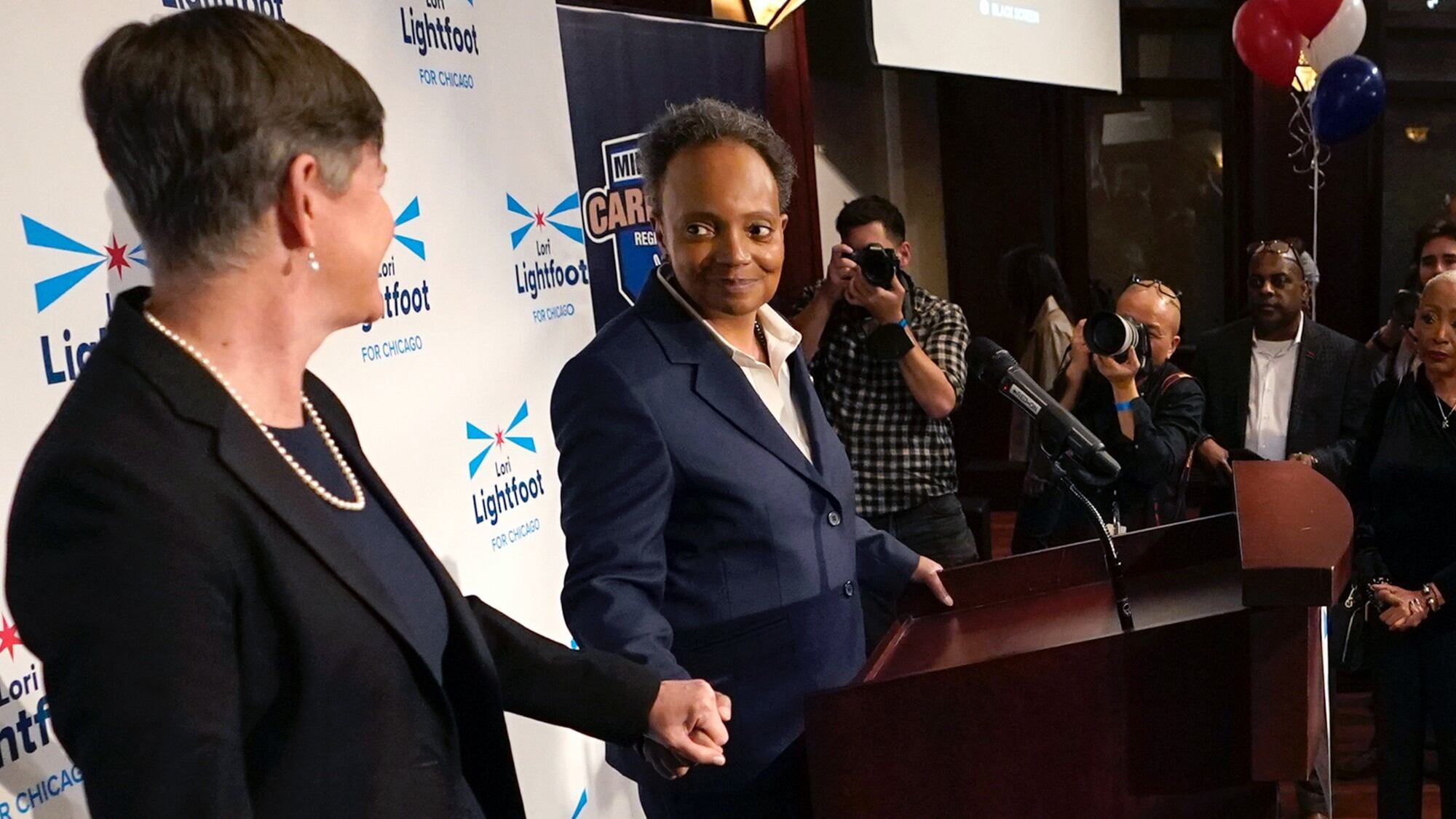
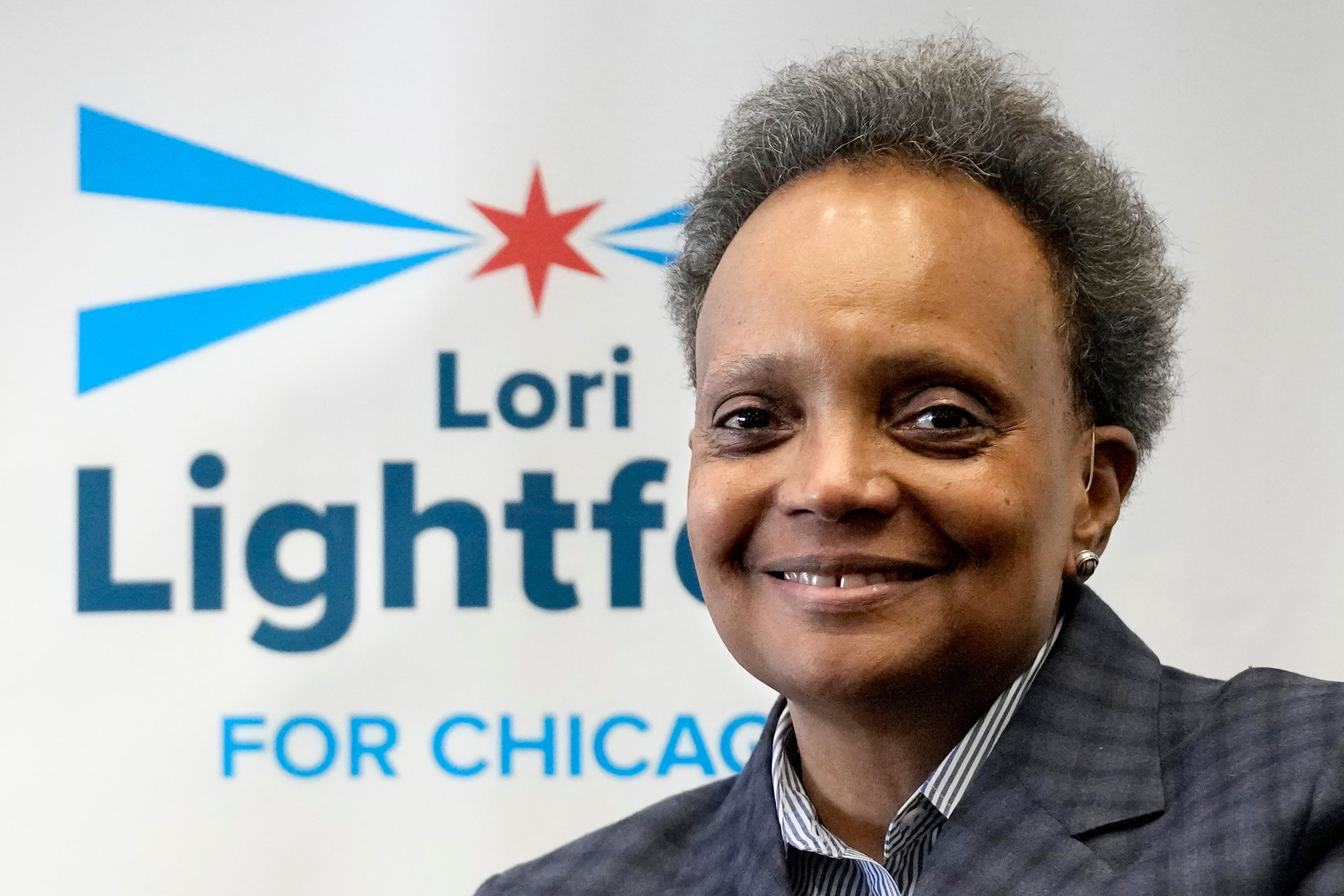
Paul Vallas and Brandon Johnson will meet in a runoff to be the next mayor of Chicago after voters on Tuesday denied incumbent Lori Lightfoot a second term, issuing a rebuke to a leader who made history as head of the nation’s third-largest city.
Chicago Mayor Lori Lightfoot has lost her bid for a second term. None of the nine candidates in Tuesday’s election won more than 50% of the vote, so Paul Vallas and Brandon Johnson will meet in a runoff to succeed her.
A large cross-section of Americans is at risk of falling below the poverty line as the program that provided more than 32 million people with extra SNAP benefits during the pandemic is set to end. Families received at least $95 extra per month to spend on food.