The east coast is recovering this Monday after a brutally cold weekend following the bomb cyclone. Sara Miller, Editor at Live Science, joins Cheddar to discuss what we can expect for the rest of the winter and what signs we should look out for when it comes to global warming.
New England bore the brunt of the snow. Miller says the wind chill on Mount Washington in New Hampshire hit negative 90 degrees! Miller did deliver some good news for us here in New York...the temperature is supposed to climb into the 60s this week.
Some believe this has to do with global warming. However, Miller warns we can't just look at this one storm as a sign of global warming. She says that around the globe, temperatures are actually warmer than usual. One example is Australia. The country just hit a record for the hottest day at 117 degrees.
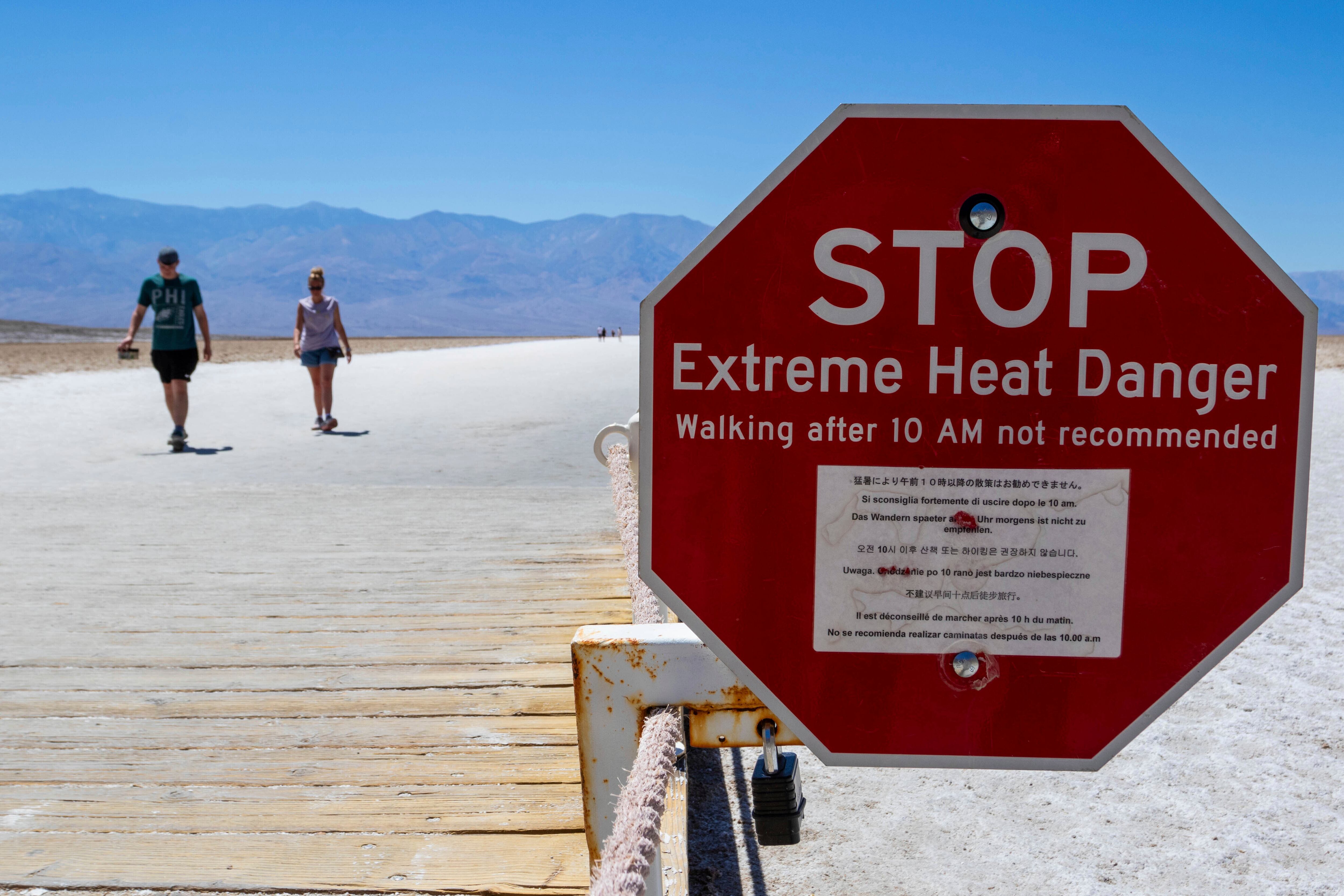
Temperatures in central and southern California could hit 120 degrees Fahrenheit this weekend.
The World Health Organization moved to classify aspartame, the artificial sweetener in diet soda, as a possible carcinogen.
The World Health Organization's cancer agency has deemed the sweetener aspartame — found in diet soda and countless other foods — as a “possible” cause of cancer, while a separate expert group looking at the same evidence said it still considers the sugar substitute safe in limited quantities.
More than a third of Americans were under extreme heat advisories, watches and warnings Thursday as a blistering heat wave that's been baking the nation spread further into California, forcing residents to seek out air conditioning or find other ways to stay cool in triple-digit temperatures.
Tourists in central Athens huddled under mist machines, and zoo animals in Madrid were fed fruit popsicles and chunks of frozen food, as southern Europeans braced for a heat wave Thursday, with a warning of severe conditions coming from the European Union’s space agency.
A new study published in Nature has found that more than 56 percent of the world's oceans have changed color in the past 20 years, and climate change is to blame.
Recently discovered teeth of a two-million-year-old human relative in Africa could give researchers new insight into genetics.