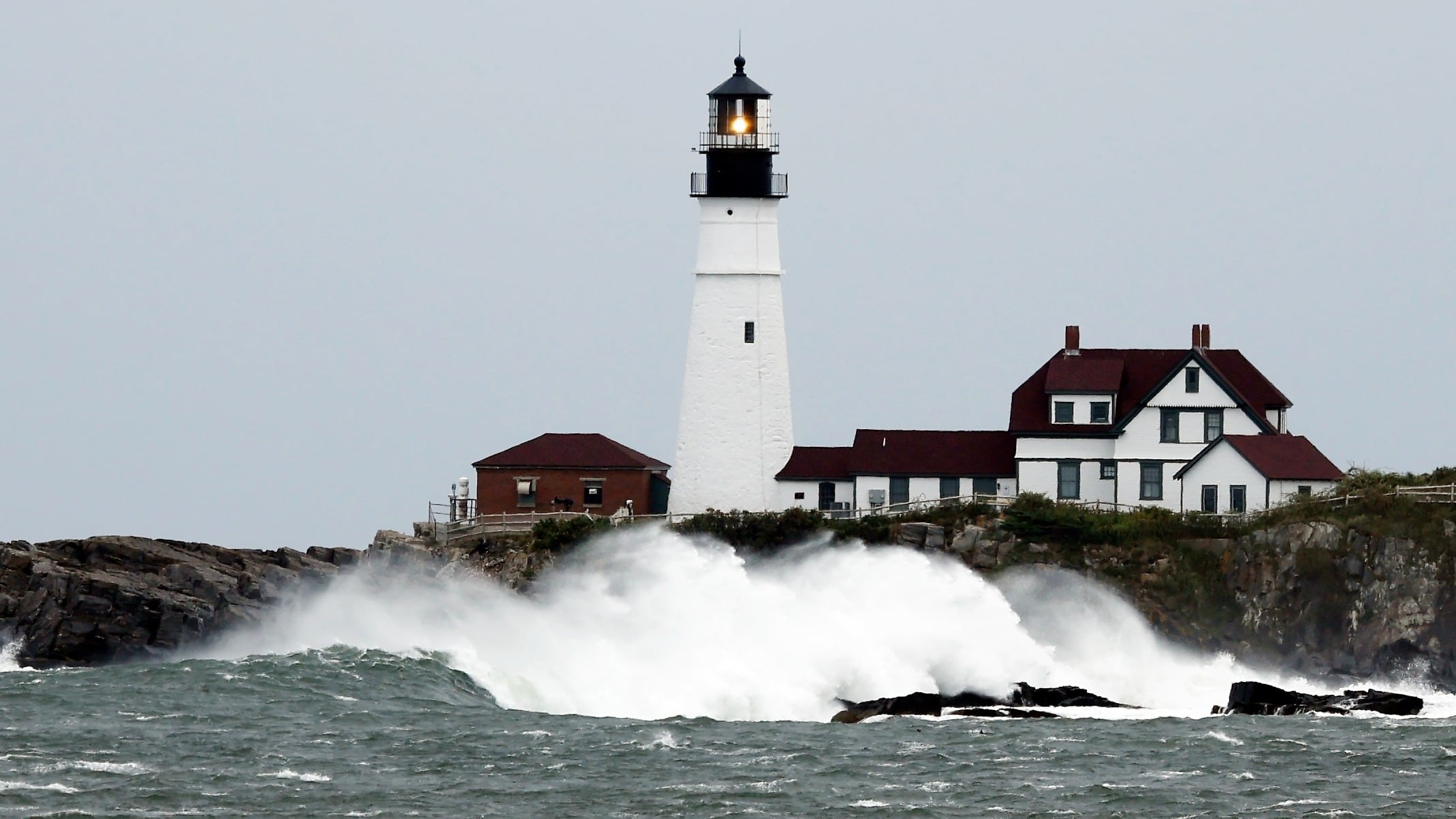
The east coast is recovering this Monday after a brutally cold weekend following the bomb cyclone. Sara Miller, Editor at Live Science, joins Cheddar to discuss what we can expect for the rest of the winter and what signs we should look out for when it comes to global warming.
New England bore the brunt of the snow. Miller says the wind chill on Mount Washington in New Hampshire hit negative 90 degrees! Miller did deliver some good news for us here in New York...the temperature is supposed to climb into the 60s this week.
Some believe this has to do with global warming. However, Miller warns we can't just look at this one storm as a sign of global warming. She says that around the globe, temperatures are actually warmer than usual. One example is Australia. The country just hit a record for the hottest day at 117 degrees.
Yelling that the future and their lives depend on ending fossil fuels, tens of thousands of protesters on Sunday kicked off a week where leaders will try once again to curb climate change primarily caused by coal, oil and natural gas.
Atlantic storm Lee — which made landfall at near-hurricane strength, bringing destructive winds and torrential rains to New England and Maritime Canada — kept weakening Sunday after officials withdrew warnings and predicted the storm would disappear early this week.
NASA said Thursday that the study of UFOs will require new scientific techniques, including advanced satellites as well as a shift in how unidentified flying objects are perceived.
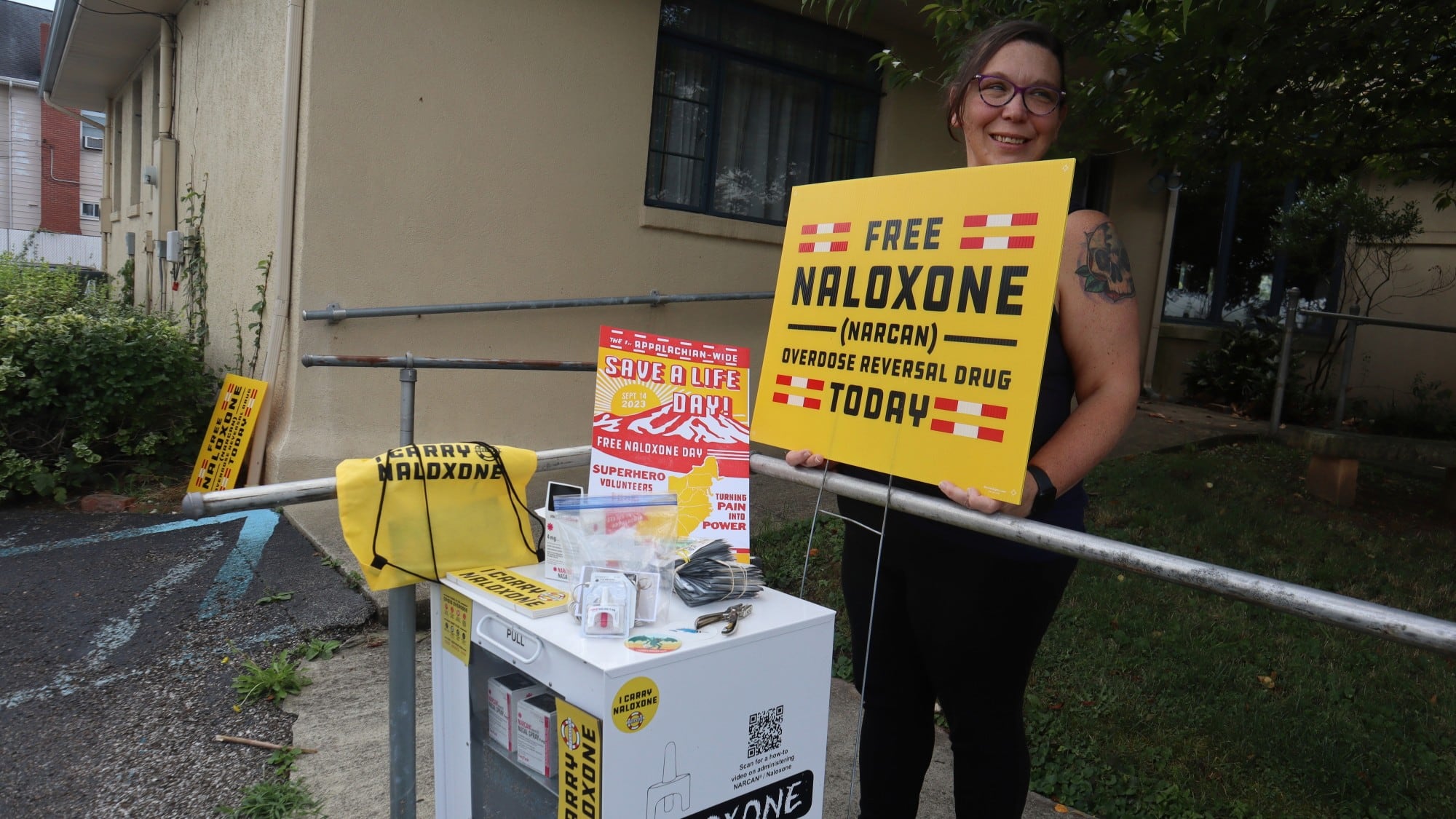
An effort to destigmatize the use of overdose reversal drugs that started as a pilot in two West Virginia counties has expanded to all thirteen states in Appalachia this year.
States and Native American tribes will have greater authority to block energy projects such as natural gas pipelines that could pollute rivers and streams under a final rule issued Thursday by the Biden administration.