When it comes to addressing climate change, the Earth's oceans need to have a larger role in our efforts to combat the crisis, according to Phillippe and Ashlan Cousteau, co-authors of Oceans for Dummies, and the sea is in fact "central" to the discussion.
"When you think about our planet, 71 percent is ocean, so right there we have a lot of space to cover. And really, our ocean has done us a huge service by actually absorbing about a third of the carbon emissions that we have put into our atmosphere through the burning of fossil fuels," Ashlan Cousteau said.
She explained that while the ocean acts as one of our first lines of defense, it has become overwhelmed, the waters have become acidic, and as a result, crucial resources at the bottom of the food chain have been significantly impacted.
The couple also agreed that one of the biggest misconceptions about the ocean is that it's "too big to fail" but in reality, it is already failing. One of the biggest indicators that the oceans are in dire need of restoration is the fact that they are warming.
"In some cases, we talk about climate 'weirding' or certainly climate change, it's because of the function of the ocean and how it moves heat around the planet. As it's warming, that is being impeded and thus our entire planet is changing with disastrous consequences," noted Phillippe, the grandson of legendary undersea explorer Jacques Cousteau.
Furthermore, not only are humans distorting the physical makeup of the ocean, we are also depleting food resources through excessive fishing, said the duo.
The couple heads up the nonprofit organization EarthEcho International where the mission is to empower global youth populations and educate them so they can set out to "restore and protect the ocean and planet."
"Fundamentally, what it's about is recognizing the next generation is optimistic and determined, and we can't build an effective global environmental movement and grow that movement without targeting education and youth empowerment," Phillippe said.
As President Joe Biden hosts world leaders in a virtual climate summit to establish goals to keep warming at bay, the Cousteaus are hoping the role oceans play in the fight against climate change gets prioritized.
"I think that a lot of times the ocean has been left out of our planet conversation, out of our save the planet, and out of the climate crisis," Ashlan said. "So, we really do hope that people are coming around, and we think that they are. Literally, there is a wave of people that see the ocean now as one of our best ways to save us."
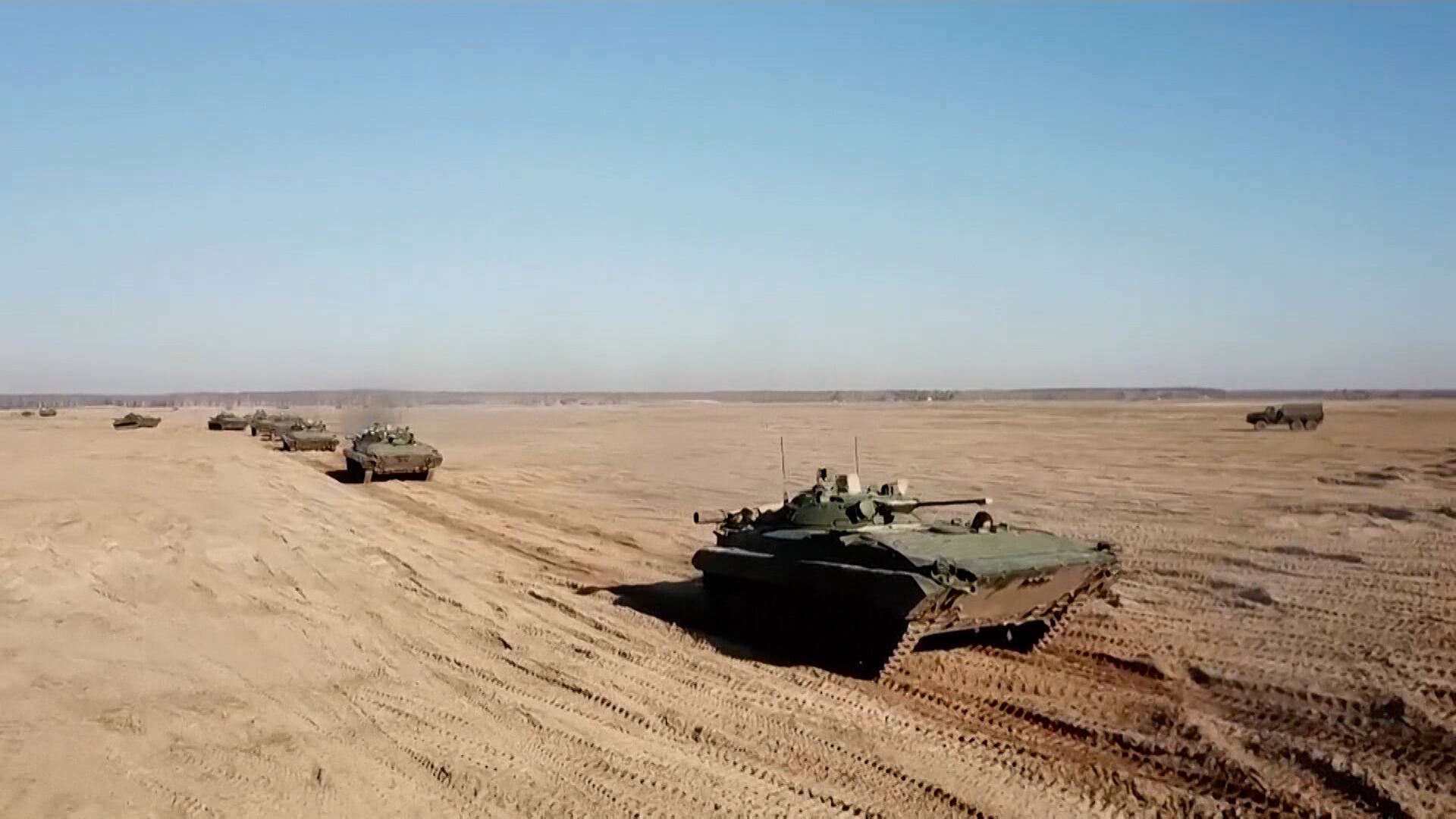
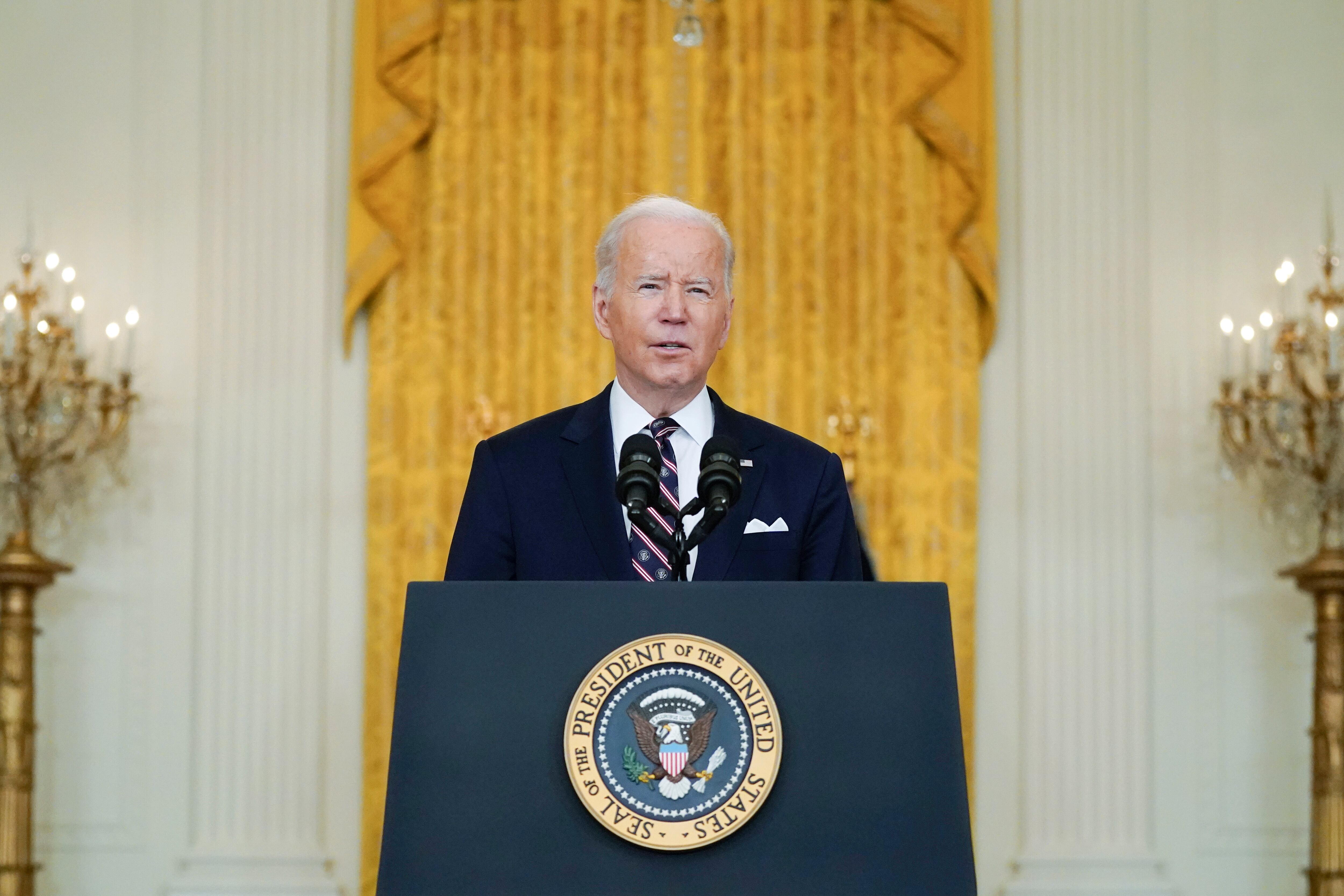
President Joe Biden said Tuesday that the U.S. will begin to impose sanctions on Russia, calling recent troop movement into Ukraine an 'invasion.' Biden and other government officials including from the State Department have begun to classify the Russian troop movement as an invasion after Russian President Vladimir Putin ordered troops to two independent Ukrainian areas in an alleged "peacekeeping" mission — which the West considers an act of aggression. Biden said Russia will continue to pay 'an even steeper price' if it continues sending troops into Ukraine. What happens next? Will Putin find a way around these sanctions? Ariel Cohen, senior fellow at the Atlantic Council, joins Closing Bell to discuss Biden's remarks, how the West will protect Ukraine since it doesn't belong to NATO, and more.
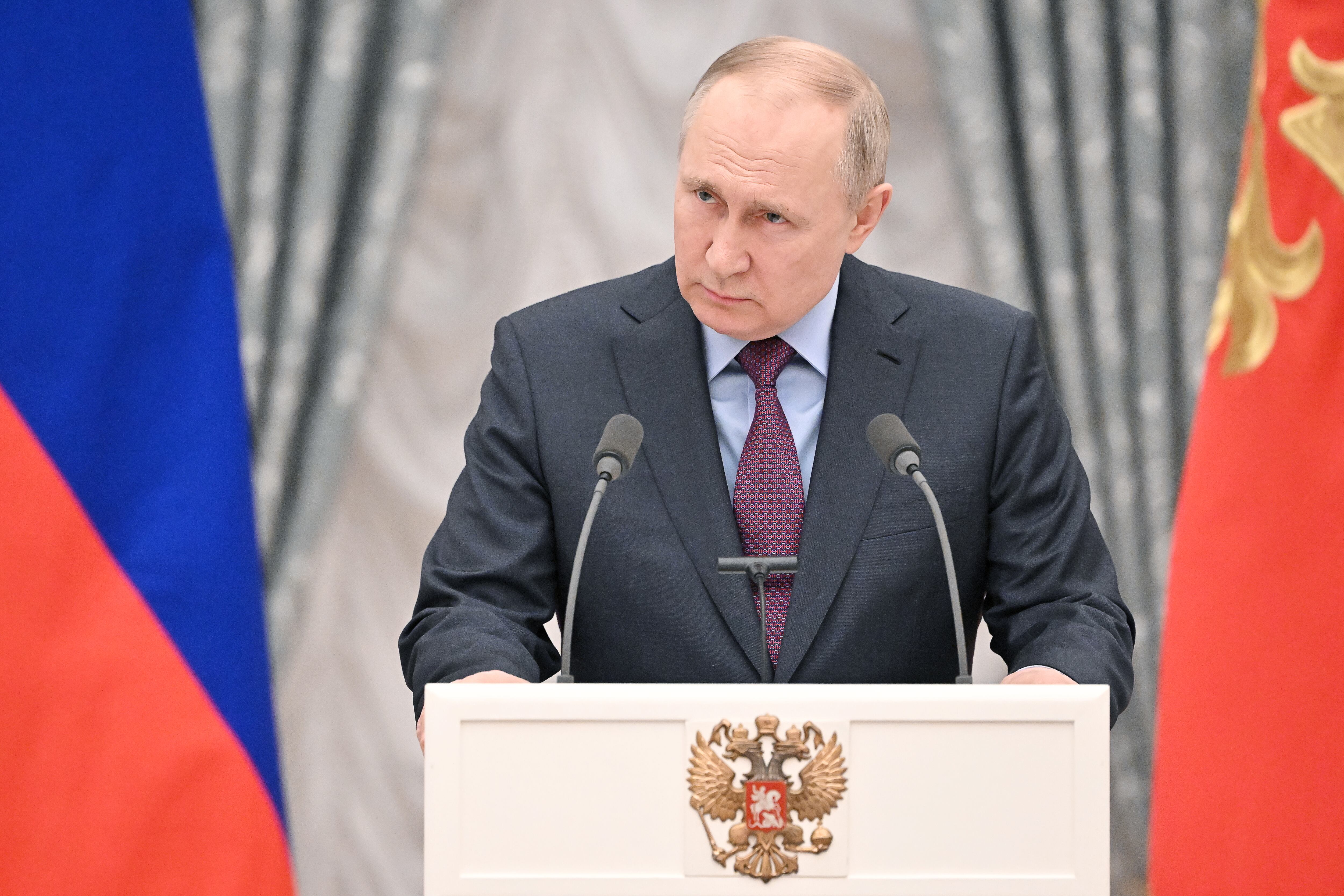
Russian lawmakers have given President Vladimir Putin a military force authorization in Ukraine, and President Biden has described Putin's announcement declaring the independence of two provinces within Ukraine and his subsequent deployment of peacekeepers as tantamount to "invasion. David Tafuri, a former Obama campaign foreign policy advisor and Bush State Department official, joined Cheddar News to discuss. "The Ukrainian military occupies more than 70 percent of those provinces still," Tafuri said, noting Putin alleged having a responsibility to defend those regions. "This would put Ukrainian forces and Russian forces right at each other engaged. And that might be how the war starts."
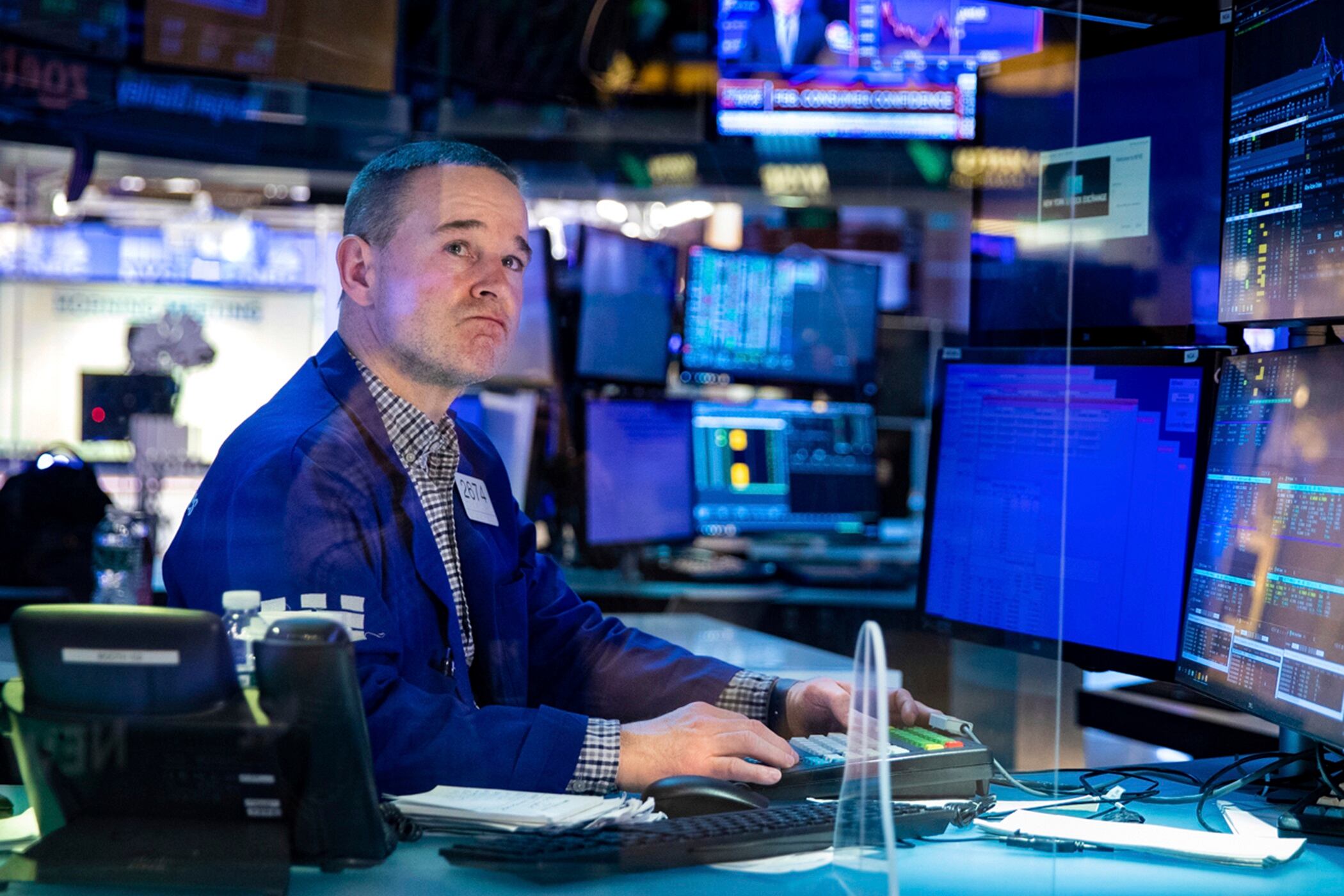
The major indexes ended Tuesday's session sharply lower due to escalating tensions between Russia and Ukraine. Bill Stone, Chief Investment Officer at The Glenview Trust Company, joins Cheddar News' Closing Bell, where he reminds viewers that Wall Street doesn't like uncertainty, and more of the recent losses are due to geopolitics than inflation.
Karim Hijazi, CEO of Prevailion, joins Cheddar News' Closing Bell, where he says that crypto's decentralized nature will pose obstacles for the FBI's new crypto unit, but it will also make progress with items such as managing fraudulent exchanges.
The Retail Industry Leaders Association released a report alleging the safety risks, economic losses, and potential job losses they link to a surge in shoplifting crimes in the United States. Lisa LaBruno, senior EVP of retail operations at the trade organization, joined Cheddar News to discuss the impact of websites that allow for the resale of unverified goods and passing the INFORM Consumers Act to stamp it out. “We need to hold the online marketplaces accountable for being a favored venue for criminals to resell stolen product," LaBruno said. "And that is exactly what the INFORM Act is designed to do."
The East-West faceoff over Ukraine has escalated dramatically, with Russian lawmakers authorizing President Vladimir Putin to use military force outside his country and President Biden and European leaders responding by slapping sanctions on Russian oligarchs and banks.
Stocks closed broadly lower Tuesday after Russia sent forces into Ukraine’s eastern region and the U.S., European Union and U.K. responded with economic sanctions.