FitBit is a pioneer in wearable technology. But the company has recently shifted its strategy amid competition from the Apple Watch, and as the wearable market has failed to really see mass adoption. Cheddar's Hope King and Brad Smith explore the company's performance using E*Trade's innovative platform.
Adult wearable technology users in the U.S. is expected to grow nearly 12 percent this year, according to eMarketer. In a survey conducted by Cheddar, 18 percent said they own a FitBit compared to 27 percent who've said they own an Apple Watch. 47 percent of those surveyed by Cheddar say they don't wear any wearable technology.
FitBit has had an up and down year, with shares ranging between $5 and $7 a share. Overall, shares are down 17 percent over the course of the past year. The company did introduce its first smartwatch in 2017, and is looking to directly compete against the Apple Watch at a similar price point. Shares also hit a 52-week high in December during the holiday shopping season.
FitBit reports fourth quarter earnings after the Closing Bell Monday. Analysts expect revenue of nearly $590 Million, and to break even in profit.
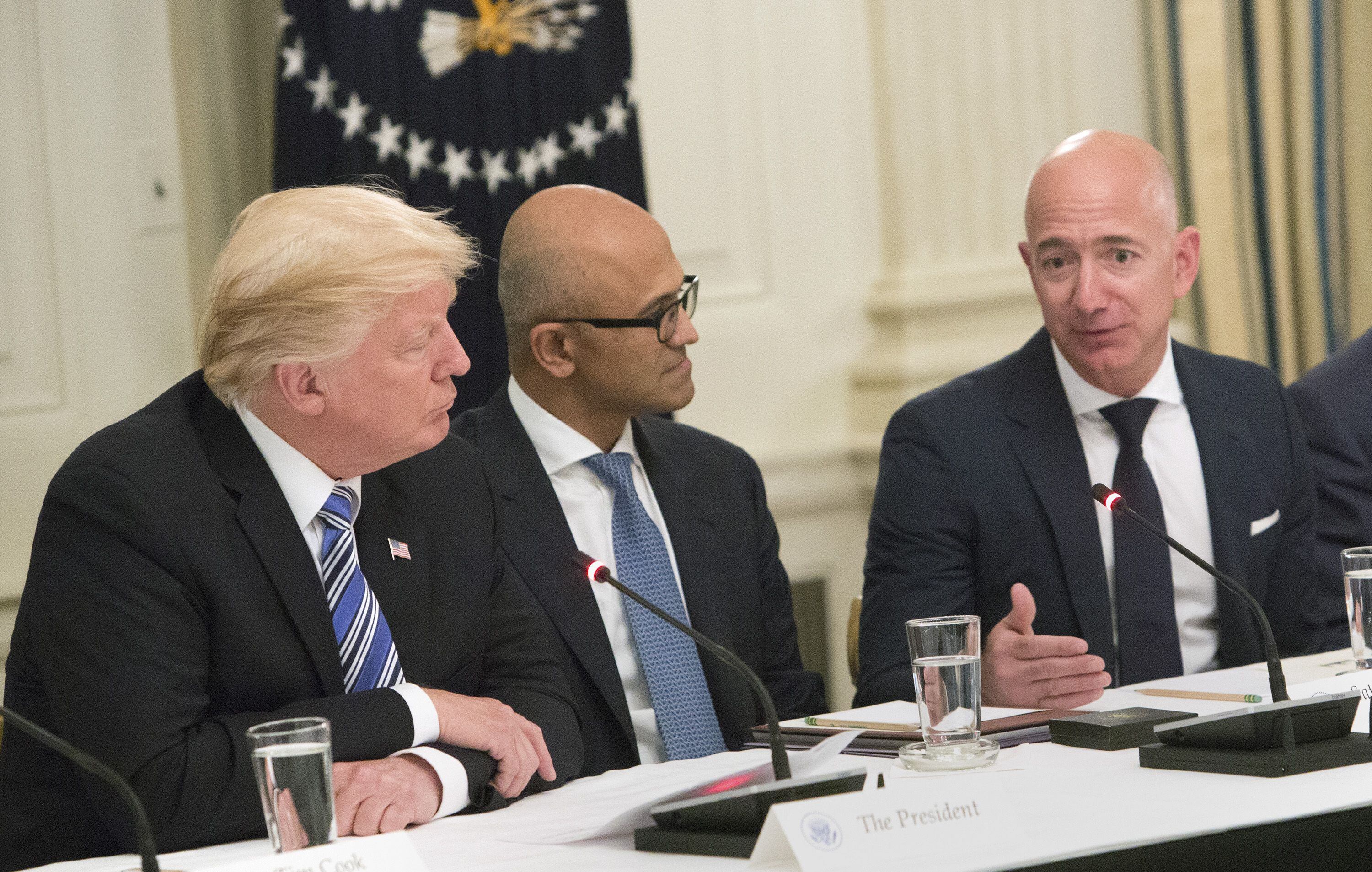
The White House hosted a summit Thursday with Silicon Valley executives about the use of artificial intelligence and how it may affect American workers. Politico's technology reporter, Steven Overly, says some jobs will be lost to automation, but technology can create others.
Mark Kaufman, science reporter at Mashable, discusses California's history-making decision to mandate solar panels on all new homes and low-rise apartment buildings. [We talk what this means for the solar panel companies and the rest of the U.S.](https://mashable.com/2018/05/09/california-becomes-first-state-to-mandate-solar-panels-on-new-homes)
The White House will host dozens of Silicon Valley executives on Thursday to discuss artificial intelligence, with a focus on how it could impact jobs in the future.
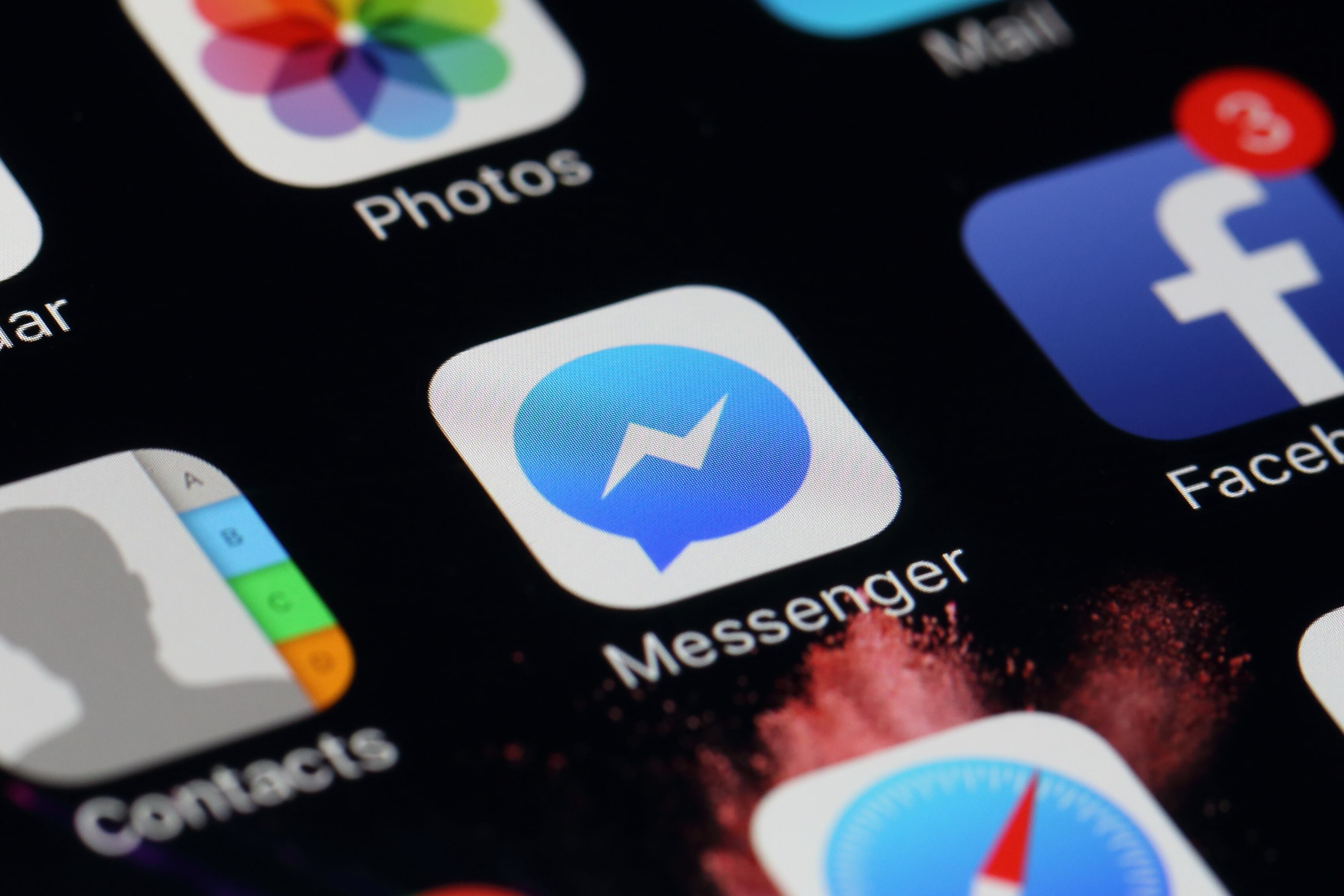
By reshuffling its management, Facebook may be trying to bring all of its different apps under one coherent vision, says Josh Constine, TechCrunch's editor-at-large. And its blockchain initiative could be a way to develop its own payment system.
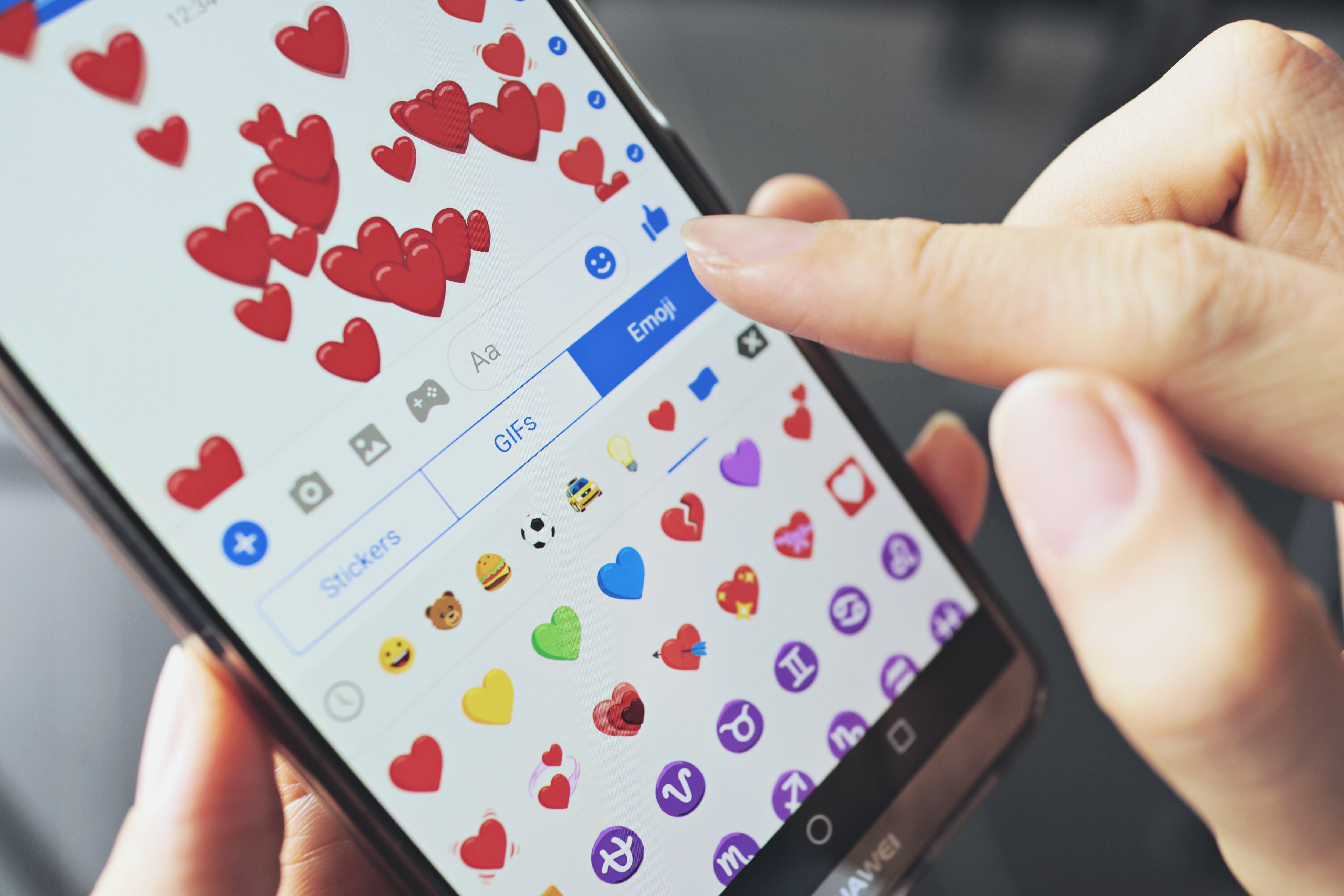
The Google cheif Sundar Pichai opened the company's annual developer conference by addressing the burger emoji's misplaced cheese and the beer emoji's floating foam. It shows how seriously users take pictorial communication that Pichai would kick off his keynote by talking about emojis, says Jeremy Burge, chief emoji officer at Emojipedia.
The tech company announced on Monday that it will spend around $25 million over five years to support developers designing tools that will make lives easier for people with disabilities. "For the most part, this is just about possibility," says Rob Marvin, [associate features editor at PCMag.](https://www.pcmag.com/feature/360886/microsoft-build-all-the-news-you-need-to-know/)
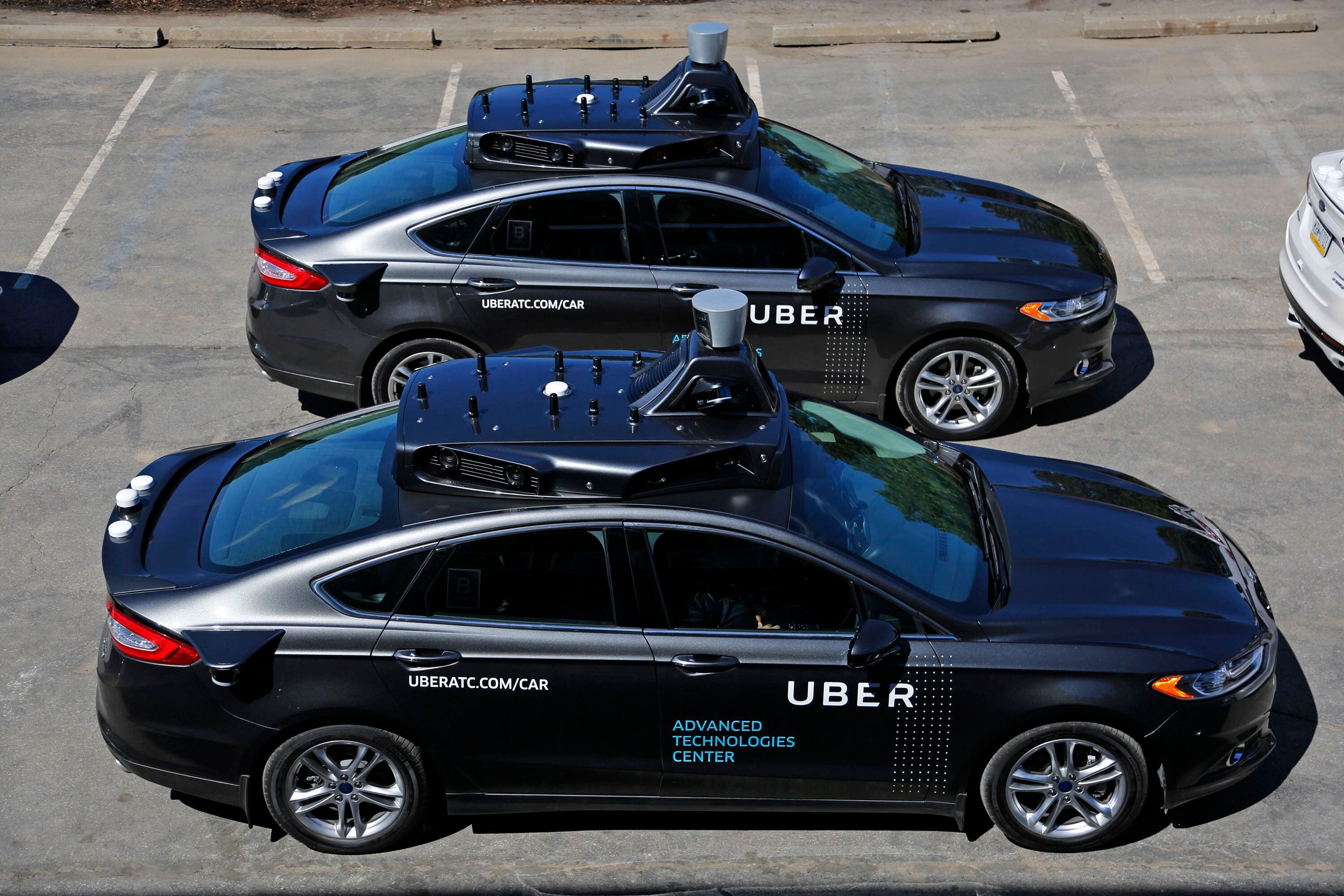
Uber said that its self-driving system was to blame when one of its cars killed a pedestrian in March. But the ride-hailing company is still pushing forward with autonomous technology development, with plans to launch driverless, flying taxis in the next few years. Those will start off piloted, and the company will coordinate with the Federal Aviation Administration to ensure safety, says Nikhil Goel, head of product and advanced programs at Uber.
The giant retailer last year launched Store 8, a tech incubator that will help Walmart innovate and compete in the future, says the founder of Jet.com and Walmart's head of e-commerce.
Rob Marvin, associate features editor for PCMag, discusses the biggest announcements from Microsoft's Build conference. Marvin weighs in on Microsoft introducing AI for Accessibility, an integration between its digital assistant Cortana and Amazon Alexa.
When it comes to robots, our threshold for errors is much lower than it is with humans, says Sam Lessin, co-founder of Fin, a digital assistant service that relies on human know-how to book your travel plans, shop online, or even schedule your appointments. To overcome users' skepticism, a virtual assistant must build trust through "repeated success," he says.