FitBit is a pioneer in wearable technology. But the company has recently shifted its strategy amid competition from the Apple Watch, and as the wearable market has failed to really see mass adoption. Cheddar's Hope King and Brad Smith explore the company's performance using E*Trade's innovative platform.
Adult wearable technology users in the U.S. is expected to grow nearly 12 percent this year, according to eMarketer. In a survey conducted by Cheddar, 18 percent said they own a FitBit compared to 27 percent who've said they own an Apple Watch. 47 percent of those surveyed by Cheddar say they don't wear any wearable technology.
FitBit has had an up and down year, with shares ranging between $5 and $7 a share. Overall, shares are down 17 percent over the course of the past year. The company did introduce its first smartwatch in 2017, and is looking to directly compete against the Apple Watch at a similar price point. Shares also hit a 52-week high in December during the holiday shopping season.
FitBit reports fourth quarter earnings after the Closing Bell Monday. Analysts expect revenue of nearly $590 Million, and to break even in profit.
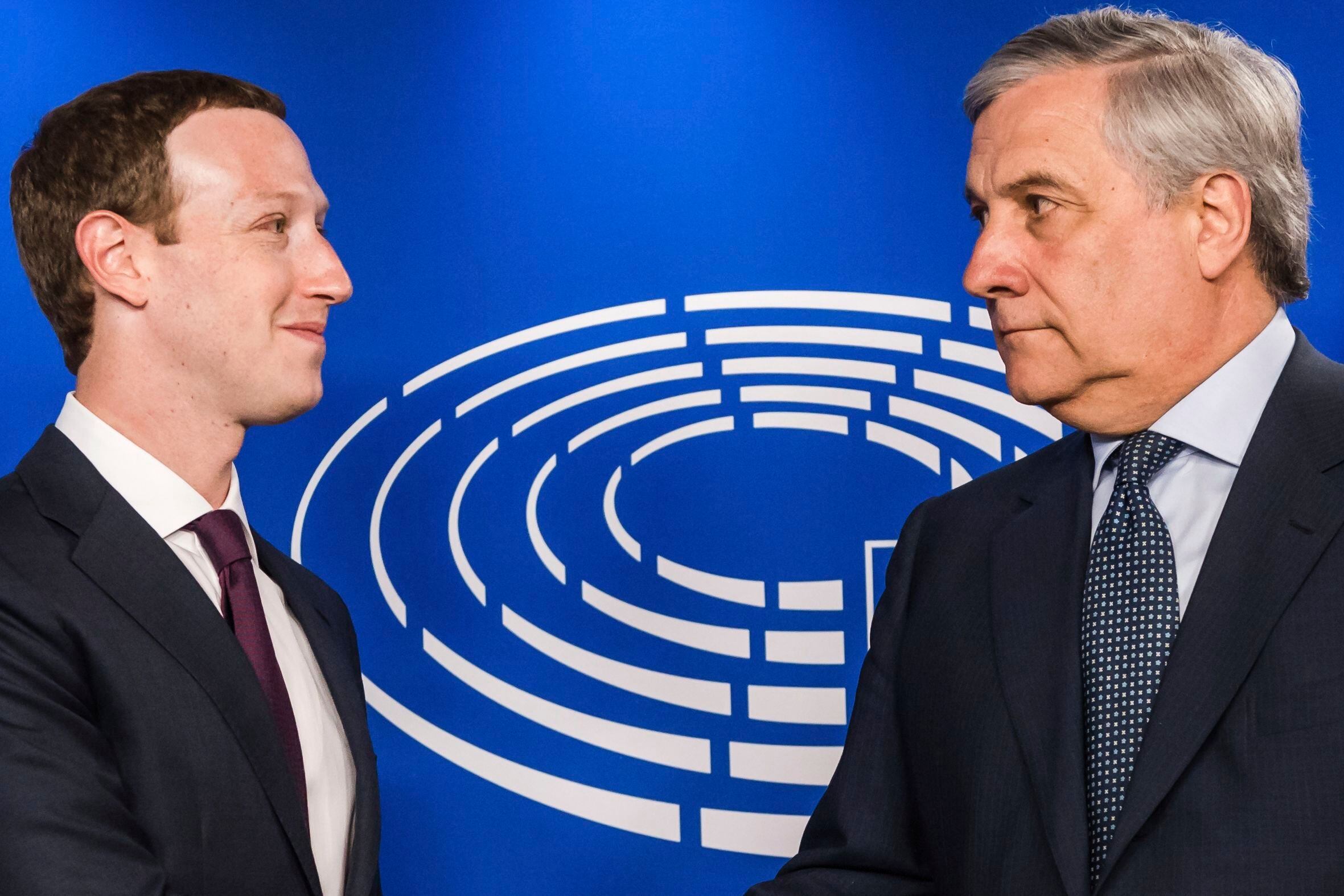
European lawmakers aggressively questioned Facebook's CEO on Tuesday, indicating they may consider further restricting the social media company's unchecked growth and regulating its business practices.
Tesla has hired Snap’s vice president of monetization engineering, Stuart Bowers, to be the electric carmaker’s VP of engineering. Nearly a dozen members of Snap’s senior leadership have departed since the company went public in early 2017.
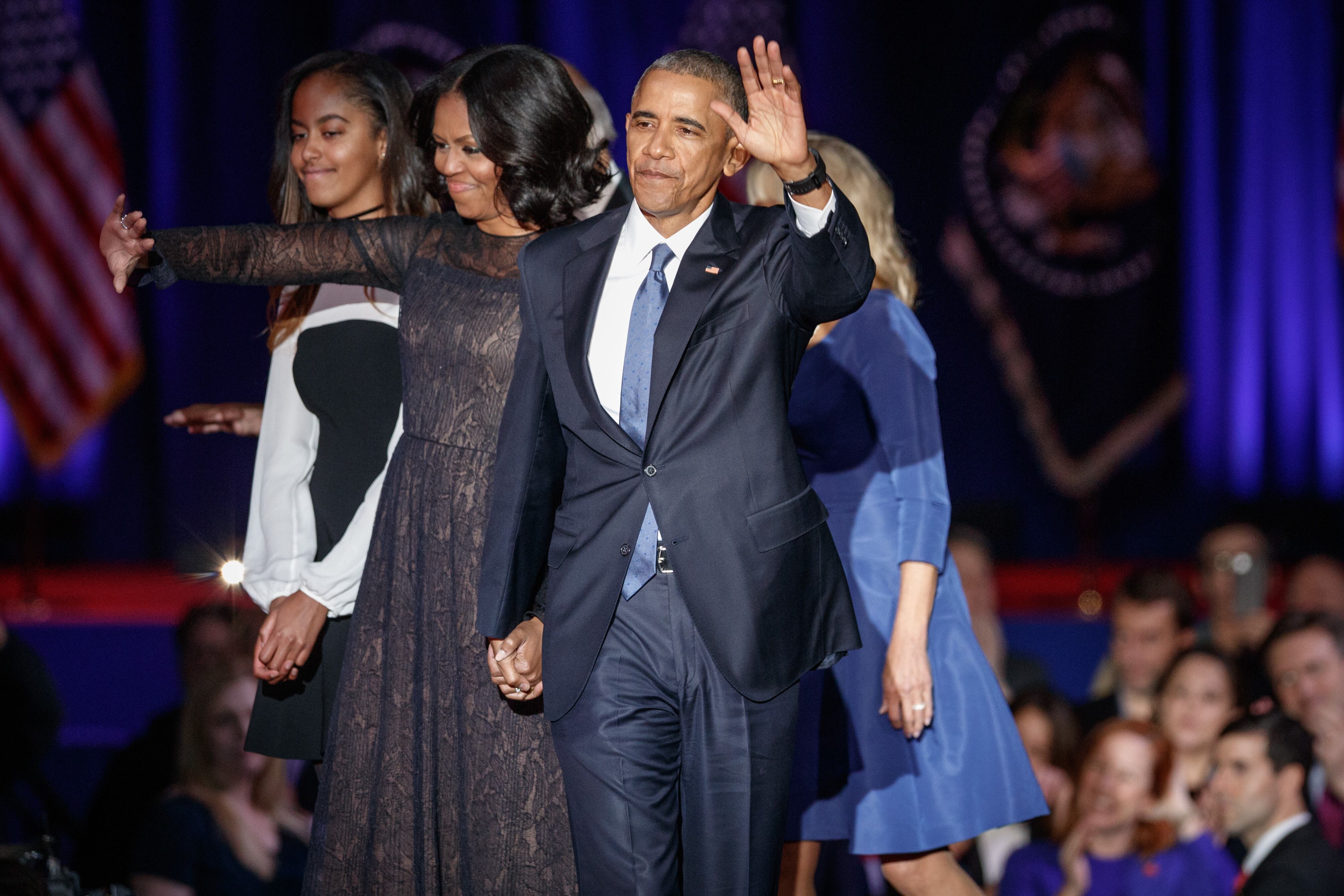
The streaming platform will give the former president and first lady a global platform to focus on issues important to them. But they need to be mindful of making that content available to communities that don't have access to high-speed internet or Netflix, says Alexander Heffner, the host of "The Open Mind" on PBS.
The food, travel, and lifestyle-focused platform has grown into a global brand with more than 200 million monthly viewers. Most of that expansion can be credited to data, says Oren Katzeff, head of programming.
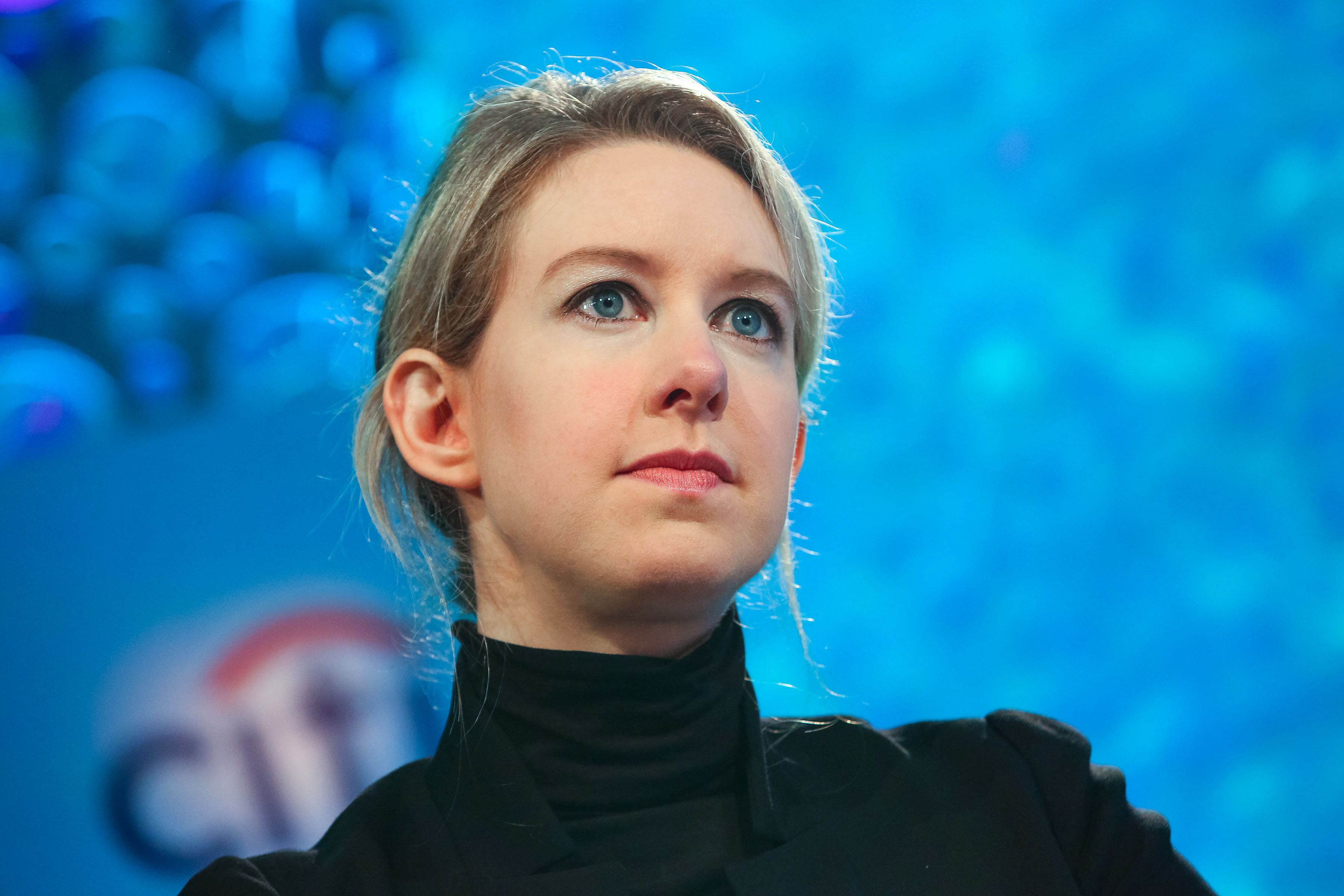
The scandal over the blood-testing start-up Theranos shows why Silicon Valley investors should be wary of putting too much unchecked power in the hands of young founders, says John Carreyrou, the Wall Street Journal reporter who first raised a red flag about the company. He's out with a new book, "Bad Blood: Secrets and Lies in a Silicon Valley Startup."
Google's demo of the A.I powered Duplex voice assistant stunned the world in how it interacted with a real human. But now evidence suggests it may be fake.
Stocks kick off the week with a rally after Treasury Secretary Steven Mnuchin said the prospect of a trade war was "on hold" following an agreement to suspend tariff threats. Tesla CEO Elon Musk unveils details of the souped-up Model 3. President Trump is going after the FBI. Fortnite is launching on Android phones this summer.
Elon Musk said that offering the $78,000 high-performance version of the Tesla Model 3, equipped with faster acceleration and longer battery range, before the base version was actually ready, would help the electric carmaker meet demand. Tesla has struggled to hit production targets for the mass-market Model 3, advertised as a $35,000 car, but with an actual price closer to $50,000.
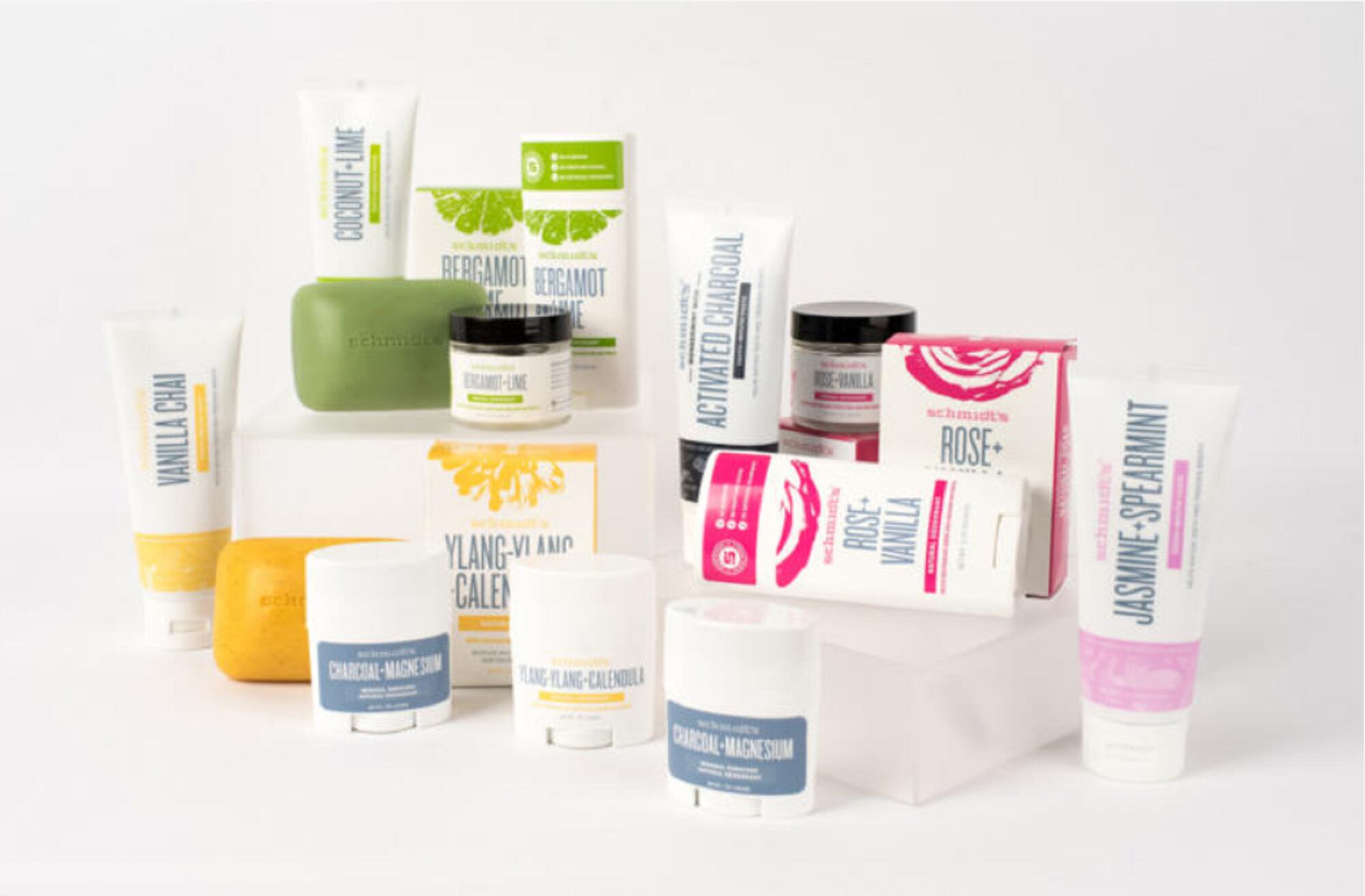
Schmidt's Naturals is allowing consumers to buy its deodorants online using Bitcoin, the first Unilever brand to dip its toes into cryptocurrency. So far, up to 10 percent of sales online were made in Bitcoin, says Michael Cammarata, a co-founder and the chief executive of Schmidt's Naturals.
Uber's recently released national TV ad, featuring its new CEO Dara Khosrowshahi, attempts to hit refresh for a company that has been hit by years of negative coverage. Meanwhile Facebook's new ad is more reactive to the recent Cambridge Analytica crisis, says Jon Swartz, a senior reporter at Barron's.